Are you wondering if your shorthair cat really needs grooming? It’s a common question because, at first glance, their short fur looks easy to manage.
But there’s more to grooming than just keeping your cat looking neat. Proper care can make a big difference in your cat’s health and happiness. If you want to keep your furry friend comfortable and avoid unexpected problems, understanding the grooming needs of shorthair cats is essential.
Keep reading to discover simple tips that will help you care for your cat like a pro.

Credit: catit.ca
Shorthair Cat Coat Traits
The coat of a shorthair cat is often admired for its sleek and smooth appearance. But what exactly makes their fur unique? Understanding the traits of a shorthair cat’s coat can help you decide how much grooming your feline friend actually needs.
Texture And Shedding Patterns
Shorthair cats have dense, close-lying fur that feels soft to the touch. Their coat texture allows dirt to brush off easily, which means less frequent baths are usually needed.
Shedding varies depending on the breed and season, but generally, shorthair cats shed moderately throughout the year. You might notice more loose hair during spring and fall, which is normal as they adjust to temperature changes.
Have you noticed how your cat’s fur changes with the weather? Regular brushing, even just once a week, can remove loose hairs and reduce shedding around your home.
Common Skin Issues
Even with their short coats, shorthair cats can face skin problems like dryness, dandruff, or allergies. These issues often arise from environmental factors or diet rather than the length of the fur.
Pay attention to signs like excessive scratching or red patches. Early detection can prevent more serious skin conditions from developing.
Does your cat seem uncomfortable or overly itchy? A gentle grooming routine and a vet check can keep their skin healthy and coat shiny.
Credit: catit.co.uk
Grooming Frequency For Shorthairs
Understanding how often to groom your shorthair cat can save you time and keep your pet comfortable. Shorthair cats generally need less grooming than long-haired breeds, but the frequency still depends on several factors. Knowing when and how often to brush will help you maintain their shiny coat and reduce shedding around your home.
Daily Vs Weekly Brushing
Daily brushing might sound excessive for a shorthair, but it can be beneficial during shedding seasons or if your cat loves to lounge on your clothes. A quick daily brush removes loose hairs and prevents mats from forming. On the other hand, many shorthair cats do perfectly fine with weekly brushing, especially if they spend most of their time indoors.
Try to observe your cat’s coat: does it look dull or have many loose hairs? If yes, increase brushing frequency. If your cat resists brushing, short, gentle sessions often work better than long ones.
Seasonal Grooming Needs
Shorthair cats shed more during spring and fall as they adjust to temperature changes. During these periods, you should brush your cat more often—sometimes even daily—to manage the extra fur. This helps reduce hairballs and keeps your home cleaner.
Outside of shedding seasons, you can reduce grooming to once or twice a week. Pay attention to your cat’s behavior and coat condition. Are they scratching more or shedding hair around the house? These signs tell you when to step up grooming efforts.
Tools For Shorthair Grooming
Shorthair cats need regular grooming to keep their coats healthy and shiny. Using the right tools makes grooming easy and comfortable for both you and your cat. Simple tools help remove loose fur and dirt effectively. They also prevent hairballs and skin problems.
Best Brushes And Combs
Choose brushes designed for short fur. A soft-bristle brush works well for daily grooming. It removes loose hair without hurting your cat’s skin. A rubber curry brush helps lift dead hair and dirt. It also massages the skin, boosting blood flow.
Combs with fine teeth remove small tangles and debris. Use a stainless steel comb to gently detangle fur. It also helps spot any skin issues early. Avoid hard or sharp brushes that can scratch or irritate the skin.
Bathing Supplies
Bathing is not often needed for shorthair cats but sometimes helpful. Use cat-safe shampoo only. Human or dog shampoos can harm their skin. A small basin or sink works well for washing your cat.
Have towels ready for drying. A soft microfiber towel dries fur gently. Avoid using a hairdryer unless your cat likes the noise. Keep all supplies within reach to keep the bath calm and quick.
Step-by-step Grooming Routine
Grooming shorthaired cats keeps them healthy and comfortable. A simple routine helps remove loose fur and dirt. It also strengthens the bond between you and your cat. Regular grooming prevents hairballs and skin problems. Follow these easy steps for a smooth grooming session.
Brushing Techniques
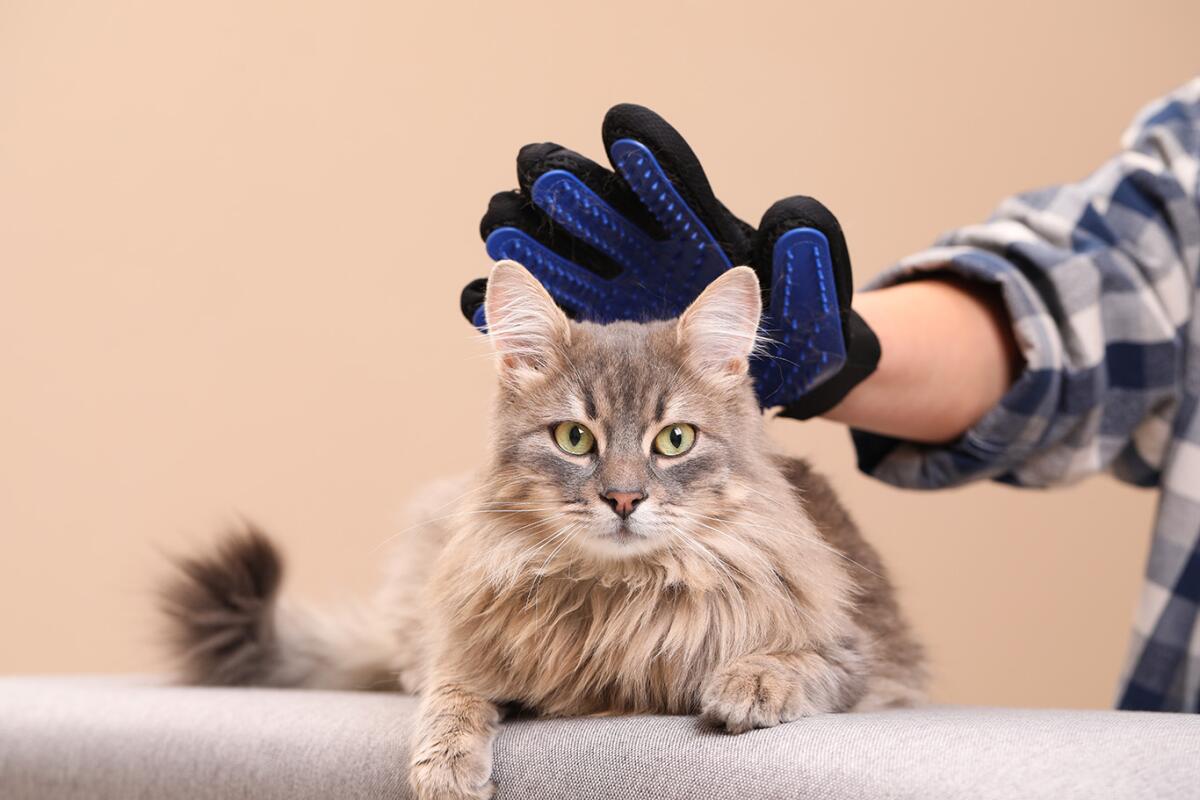
Use a soft-bristle brush or rubber grooming mitt. Gently brush in the direction of hair growth. Focus on areas where shedding is heavier, like the back and sides. Avoid pressing too hard to prevent skin irritation. Brush your cat for 5 to 10 minutes each time. This helps remove loose hair and distributes natural oils. Reward your cat with a treat after brushing to build trust.
Bathing Tips
Bathe your shorthaired cat only when necessary. Use lukewarm water and cat-safe shampoo. Wet your cat slowly and avoid the face area. Lather gently and rinse thoroughly to remove all shampoo. Dry your cat with a soft towel. Keep the bath short to reduce stress. Make sure your cat is calm before and after the bath.
Nail And Ear Care
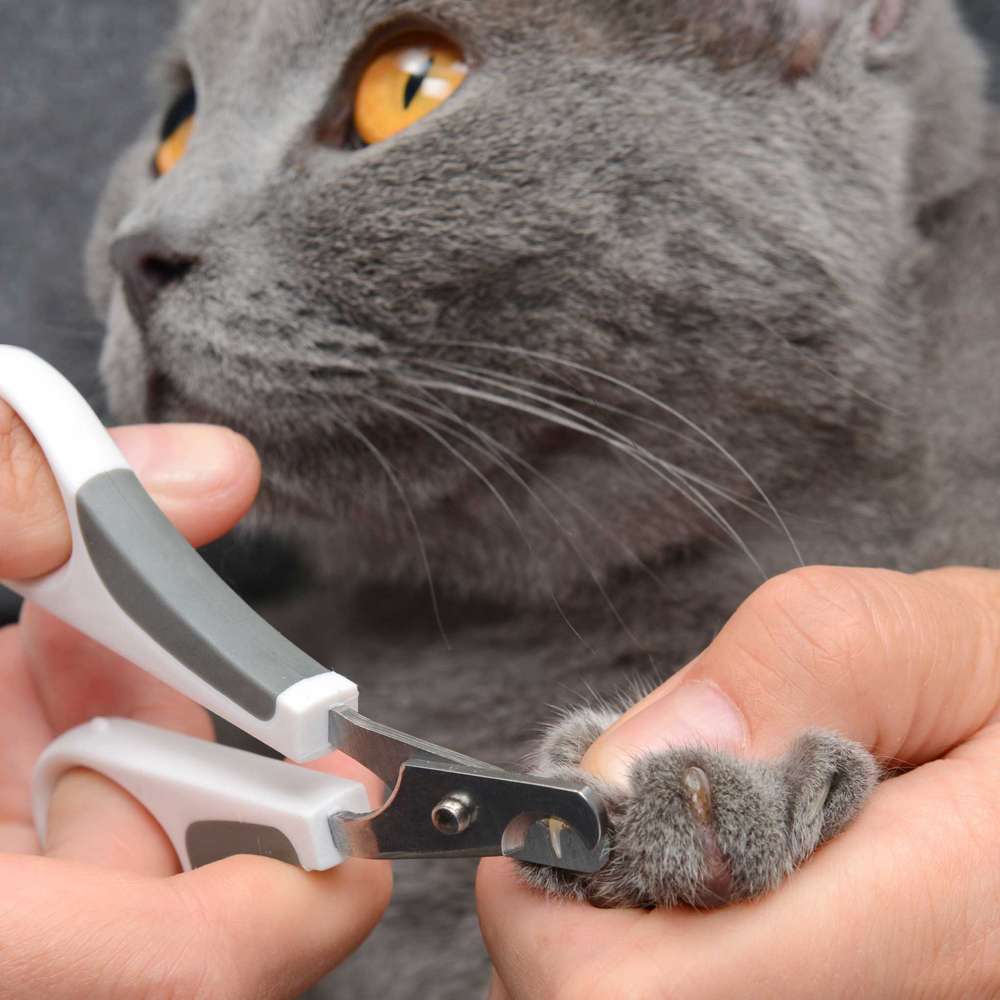
Trim your cat’s nails every two weeks. Use a pet nail clipper and cut only the sharp tips. Avoid cutting too close to the pink quick. Check your cat’s ears weekly for dirt or wax. Clean ears with a damp cotton ball, never a cotton swab. Look for signs of redness or bad smell, which need a vet’s care. Keep nail and ear care gentle to avoid hurting your cat.
Signs Grooming Is Needed
Shorthair cats need grooming when their fur looks dull or sheds excessively. Mats or tangles indicate more frequent brushing is needed. Regular grooming helps maintain their skin health and reduces shedding.
Recognizing when your shorthair cat needs grooming can make a significant difference in their health and comfort. Even though shorthair cats typically require less grooming than their long-haired counterparts, neglecting their grooming needs can lead to health issues. Being attentive to certain signs can help you determine when it’s time to get the grooming tools out or schedule a professional grooming session.Matting And Tangles
Even shorthair cats can experience matting and tangles. These occur when their fur gets twisted and knotted. This can be especially common in areas like behind the ears or under the legs where the fur may be a bit longer or more prone to movement. If you notice any mats, it’s essential to address them promptly to prevent discomfort or skin issues.Excessive Shedding
While all cats shed, excessive shedding can be a clear indicator that grooming is needed. If you find clumps of fur on your furniture or clothing more than usual, it might be time for a grooming session. Regular brushing can help manage shedding and reduce hairballs. Do you notice your cat grooming itself more often than usual? This could be a sign they’re trying to manage their shedding on their own.Skin Irritation
Skin irritation can manifest in various ways, such as redness, flakes, or even bald spots. These issues might be due to dirt, dander, or even an underlying skin condition. Regular grooming helps keep your cat’s skin healthy by distributing natural oils and removing dirt. If you see your cat scratching more than usual, it might be time to give them a good brush or consult a vet for advice. Grooming isn’t just about keeping your cat looking good. It’s a vital part of their overall well-being. By paying attention to these signs, you ensure that your feline friend stays happy and healthy. Are there other signs you’ve noticed that indicate grooming is needed?Benefits Of Regular Grooming
Regular grooming offers more than just a cleaner coat for your shorthair cat. It plays a crucial role in maintaining their overall well-being. Understanding these benefits can help you see grooming as a valuable part of your cat care routine rather than a chore.
Health And Hygiene
Grooming helps remove loose fur and dirt, reducing the risk of skin infections and mats that can cause discomfort. It also allows you to check for parasites like fleas or ticks early before they become a bigger problem.
Brushing stimulates blood circulation, which supports healthy skin and fur. Have you noticed how your cat’s coat feels softer and shinier after a good grooming session? That’s a clear sign of improved health.
Bonding With Your Cat
Spending time grooming your cat builds trust and strengthens your relationship. Many cats find gentle brushing calming, which can reduce their stress and anxiety.
Think of grooming as a quiet, shared moment with your pet. You get to learn about their preferences and moods, creating a deeper connection that benefits both of you.
When To Seek Professional Grooming
Knowing when to seek professional grooming for your shorthair cat can save you time and protect your pet’s health. While these cats generally require less grooming than long-haired breeds, there are moments when expert help is the best choice. Understanding these signs will help you keep your cat comfortable and well cared for.
Handling Difficult Cats
Some cats simply don’t enjoy being groomed at home. If your cat becomes aggressive, stressed, or frightened during brushing or nail trimming, professional groomers have the tools and experience to handle them safely.
Have you tried grooming your cat, only to end up scratched or with a scared pet hiding for hours? Professionals know calming techniques and can make the process less traumatic. This is especially important if grooming is a struggle that affects your bond with your cat.
Special Health Conditions
Cats with health issues may need extra grooming care beyond your abilities. Skin problems, arthritis, or obesity can make self-cleaning difficult, causing mats or hygiene issues that require professional attention.
If your cat has wounds, infections, or sensitive skin, a groomer can provide gentle care without causing pain. You might also need a vet-recommended grooming routine that only professionals can safely perform.
Are you aware of your cat’s specific health needs during grooming? Sometimes, investing in a professional’s expertise can improve your cat’s well-being significantly.

Credit: www.latimes.com
Frequently Asked Questions
Do Shorthair Cats Require Regular Grooming?
Yes, shorthair cats need regular grooming to remove loose hairs and reduce shedding. Brushing once or twice a week is sufficient to maintain their coat’s health and shine.
How Often Should I Groom My Shorthair Cat?
Groom your shorthair cat at least once a week. This helps prevent hairballs, reduces shedding, and keeps their skin healthy.
Can Grooming Prevent Hairballs In Shorthair Cats?
Yes, grooming reduces loose fur that cats swallow during self-cleaning. Regular brushing helps minimize hairballs and digestive issues.
What Grooming Tools Are Best For Shorthair Cats?
Use a soft bristle brush or grooming glove for shorthair cats. These tools gently remove loose hair without irritating their skin.
Conclusion
Shorthair cats need less grooming than longhair cats. Brushing once a week helps keep their coat clean. It also reduces shedding and hairballs. Regular grooming checks for skin problems or fleas. Grooming time can strengthen your bond with your cat.
A healthy coat means a happy cat. Simple care keeps them comfortable and looking great. So, don’t skip grooming—it’s quick and helpful. Your shorthair cat will thank you with purrs.




Leave a Reply