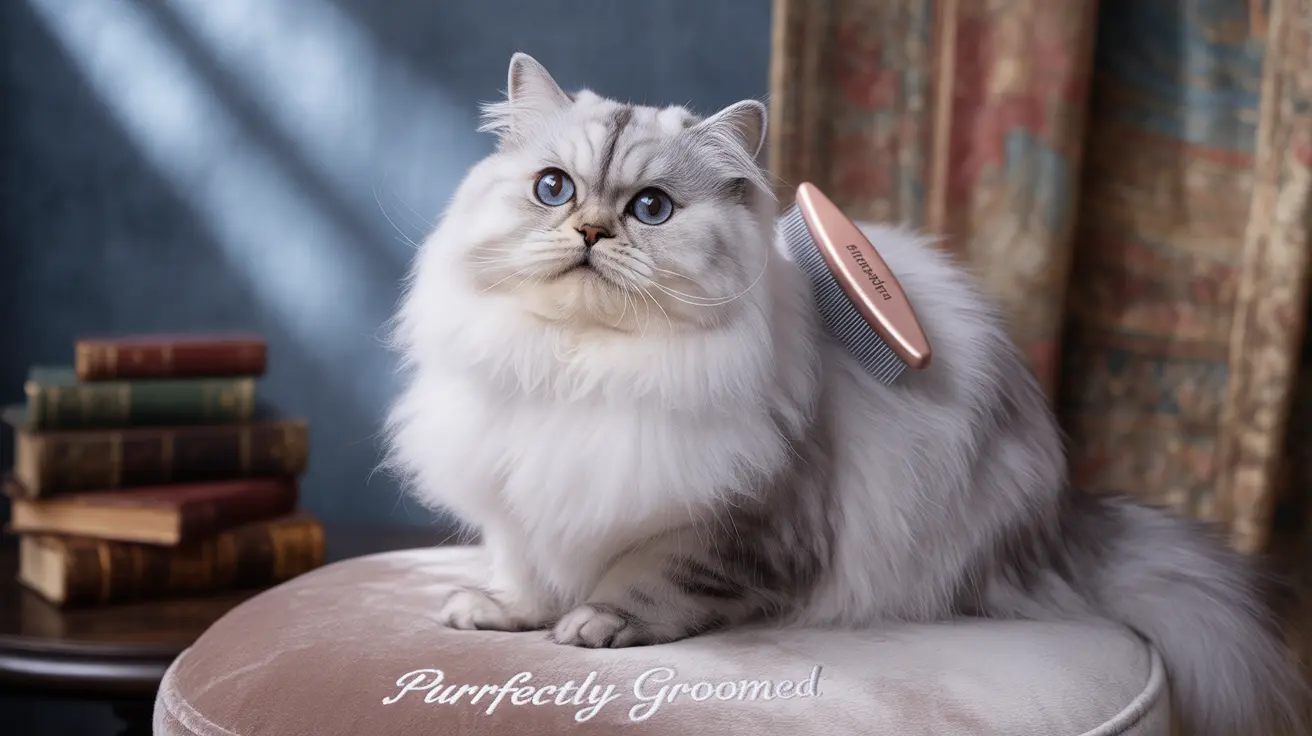
Are you thinking about bringing a Persian cat into your home? One important thing to know is how much grooming these beautiful cats need.
Their long, silky fur looks stunning, but it also means extra care. You might be wondering: do Persian cats require lots of grooming? Understanding this can save you time and keep your furry friend happy and healthy. Keep reading to discover what it really takes to care for a Persian cat’s coat—and whether you’re ready for the commitment.
Persian Cat Coat Characteristics
The Persian cat’s coat is one of its most striking features, but it also demands attention. Understanding the nature of their fur helps you prepare for the grooming commitment ahead. Let’s look closely at what makes their coat unique and what that means for you and your feline friend.
Long And Dense Fur
Persian cats have long, thick fur that feels soft but can easily mat if not cared for. This dense coat traps dirt and debris, so regular brushing is essential to keep it clean and healthy.
If you’ve ever run your fingers through a Persian’s fur, you know it’s a luxurious experience—but it comes with responsibility. How often are you ready to spend a few minutes daily on grooming?
Common Coat Colors
Persians come in a wide range of colors and patterns, from solid white and black to calico and tabby. Each color variation can slightly affect the coat’s texture and grooming needs.
For example, lighter colors like white may show dirt more easily, requiring extra attention. Have you noticed how some colors seem to attract more dust or stains?
Shedding Patterns
Shedding in Persian cats tends to be moderate but steady throughout the year, with occasional heavier shedding during seasonal changes. This means you’ll need to maintain a consistent grooming routine to manage loose hair.
Ignoring shedding can lead to unpleasant hairballs or tangles. Are you prepared to make grooming a regular part of your day to keep your home and cat comfortable?
Daily Grooming Needs
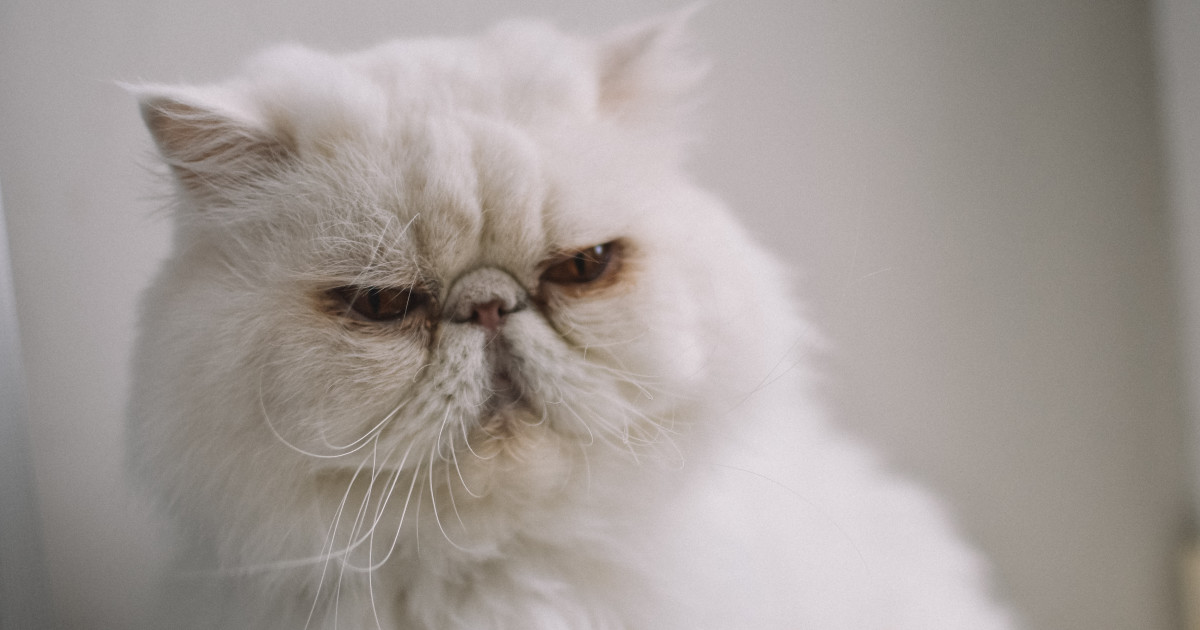
Persian cats are known for their luxurious, long fur and distinctive flat faces. This beauty comes with a daily grooming commitment that you need to be prepared for. Regular care not only keeps your cat looking great but also supports their health and comfort every day.
Brushing Techniques
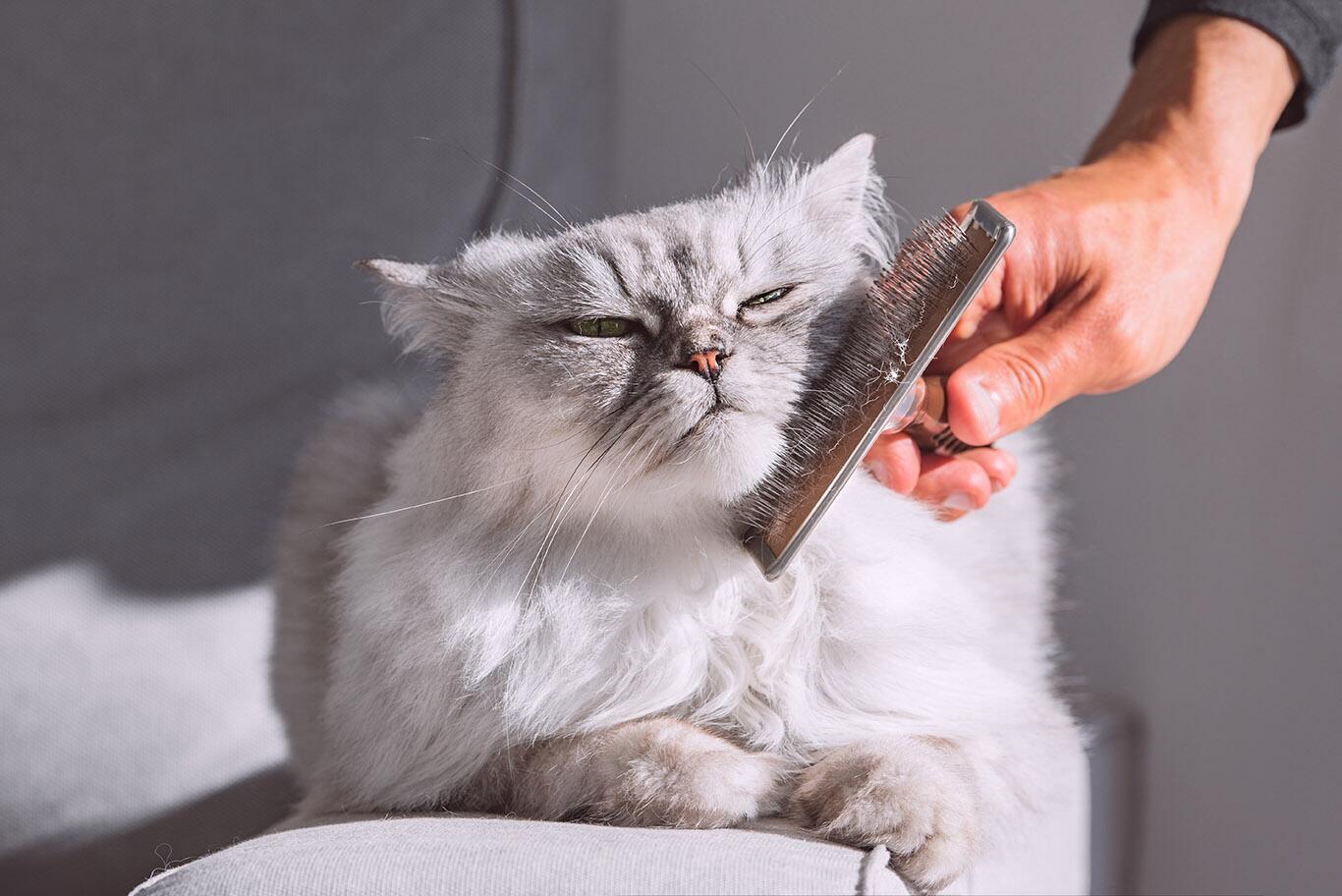
Brushing your Persian cat daily prevents their fur from becoming a tangled mess. Use a wide-toothed comb first to gently detangle any knots, then follow with a fine-toothed comb to smooth the coat.
Hold the skin gently to avoid pulling. Focus on areas where mats form quickly, like behind the ears and under the legs.
Have you noticed how your cat reacts during brushing? Many Persians enjoy the attention, turning grooming time into a bonding moment.
Preventing Mats And Tangles
Mats can cause discomfort and skin problems if left unchecked. To stop mats from forming, brush regularly and check your cat’s coat for any tight knots.
If you find mats, use your fingers or a mat splitter to gently loosen them before brushing. Never pull hard, as this can hurt your cat.
Keeping your cat’s fur clean and dry also helps. Consider a weekly bath with a gentle cat shampoo to reduce oil buildup that causes tangling.
Eye Cleaning Routine
Persian cats often have watery eyes due to their facial structure. Daily eye cleaning is essential to prevent staining and infections.
Use a soft, damp cloth or a cotton ball moistened with warm water. Wipe away discharge gently from the inner corner outward, using a clean part of the cloth for each eye.
Have you observed any unusual eye discharge or redness? If so, consult your vet promptly to avoid complications.
Bathing And Skin Care
Bathing and skin care play a vital role in keeping Persian cats healthy and comfortable. Their long, thick fur can trap dirt and oils, leading to skin problems without proper care. Regular baths help remove debris and reduce shedding, promoting a clean coat and healthy skin.
Bath Frequency
Persian cats need baths more often than short-haired cats. Bathing once every 3 to 4 weeks usually works well. This schedule helps control oil buildup and prevents matting. Too frequent baths can dry out their skin, so balance is key.
Choosing The Right Shampoo
Select a shampoo made for cats, preferably gentle and moisturizing. Avoid human shampoos or harsh chemicals. Look for products labeled hypoallergenic or designed for sensitive skin. These keep the skin hydrated and reduce irritation.
Drying Methods
After a bath, gently towel dry your Persian cat. Use a soft, absorbent towel to remove excess water. Avoid rubbing too hard, which can tangle the fur. A low-heat hair dryer can help if your cat tolerates it. Always keep the dryer moving to prevent overheating.
Credit: www.latimes.com
Nail And Ear Maintenance
Persian cats need regular nail trimming and ear cleaning to stay healthy. Their thick fur can hide dirt, so careful grooming is important. Keeping nails and ears clean prevents infections and discomfort.
Maintaining the health of your Persian cat involves more than just brushing their luxurious coat. A crucial part of their grooming routine includes nail and ear maintenance. This ensures your feline friend remains comfortable, healthy, and happy.Trimming Nails Safely
Regular nail trimming is essential to prevent overgrown nails that can cause discomfort or injury. Use a pair of cat nail clippers, and gently press each toe pad to extend the nail. Trim just the sharp tip, avoiding the quick, which is the pink part of the nail that contains nerves and blood vessels. If you’re unsure, ask your vet to show you how to do it safely.Ear Cleaning Tips
Persian cats can be prone to ear wax buildup due to their unique ear structure. Use a cotton ball or a soft cloth moistened with a vet-recommended ear cleaner. Gently wipe the outer part of the ear without inserting anything into the ear canal. This prevents irritation and potential damage.Signs Of Infection
Be vigilant about changes in your cat’s ears or nails. Look out for redness, swelling, or a foul odor, which could indicate an infection. If you notice your cat shaking its head frequently or scratching its ears excessively, it might be time for a vet visit. Timely intervention can prevent minor issues from escalating into serious health problems. Do you have any other grooming tips that have worked wonders for your Persian cat? Share your experiences in the comments!Diet And Health Impact On Grooming
Your Persian cat’s grooming needs are closely tied to its diet and overall health. What you feed your cat directly affects the quality of its fur and skin, which can either ease or complicate your grooming routine. Understanding this connection helps you support your cat’s natural beauty from the inside out.
Nutrition For Healthy Fur
Feeding your Persian cat a balanced diet rich in essential fatty acids, vitamins, and proteins can make a big difference in its coat’s shine and softness. Omega-3 and Omega-6 fatty acids, found in fish oils and certain seeds, help reduce dryness and flakiness.
Protein is vital because fur is made from keratin, a type of protein. Without enough high-quality protein, your cat’s coat might become dull or brittle. Have you ever noticed how a change in food can suddenly improve or worsen your cat’s fur?
Hydration Importance
Hydration plays a crucial role in keeping your Persian’s skin and fur healthy. Dehydrated skin can become dry and itchy, leading to excessive scratching and tangling of the fur.
Encourage your cat to drink enough water by providing fresh water daily and considering wet cat food. Wet food adds moisture to their diet, which supports hydration and can reduce grooming problems caused by dry skin.
Common Health Issues Affecting Coat
Certain health problems can make grooming more challenging. Skin infections, allergies, and parasites like fleas cause irritation, making your cat less cooperative during grooming sessions.
Hormonal imbalances or thyroid issues may also affect fur quality and growth. If you notice sudden changes in your Persian’s coat texture or shedding, consulting a vet is essential to rule out underlying health concerns.

Credit: cats.com
Professional Grooming Options
Professional grooming can be a game changer for Persian cat owners. These cats have thick, long fur that requires more care than regular brushing at home. Hiring a professional groomer ensures your pet stays comfortable, healthy, and looking their best.
When To Visit A Groomer
Knowing the right time to take your Persian cat to a groomer can save you from dealing with painful mats and tangled fur. Generally, every 4 to 6 weeks is a good rule of thumb. If you notice your cat’s coat is getting too thick to manage or if they start avoiding grooming sessions at home, it’s time to book an appointment.
Also, consider a visit if your cat shows signs of skin irritation or if they seem uncomfortable. Professional groomers can spot issues early and provide treatments you might miss.
Grooming Styles For Persians
Persian cats don’t just need a trim; they require styles that protect their delicate coats and skin. Popular options include the “lion cut,” where the body is shaved short, leaving fur around the head and tail. This style helps reduce shedding and matting.
There’s also the “teddy bear cut,” which keeps the fur evenly short but fluffy. Deciding on a style depends on your cat’s lifestyle and your grooming goals—do you want easy maintenance or a show-ready look?
Cost And Frequency
Professional grooming costs for Persians can vary widely depending on location and services. Expect to pay between $50 and $100 per session, which often includes bathing, trimming, nail clipping, and ear cleaning.
Regular visits every 4 to 6 weeks help keep costs manageable and prevent expensive mat removal treatments. Think of grooming as an investment in your cat’s comfort and health—what price would you put on peace of mind?
Tips To Make Grooming Easier
Grooming a Persian cat can be easier with the right approach. Patience and consistency help keep your cat happy and healthy. Small changes in routine make a big difference. Use tools suited for Persian cats to reduce discomfort. Calm cats allow grooming to happen smoothly.
Building A Grooming Routine
Set a regular time each day for grooming. Short sessions work better than long ones. Start slowly to let your cat get used to it. Consistent grooming prevents mats and tangles. A steady routine creates trust and comfort.
Using The Right Tools
Choose brushes designed for long hair. A wide-toothed comb helps remove knots gently. Use a soft bristle brush to smooth the fur. Nail clippers made for cats keep paws safe. Keep tools clean and ready to use.
Keeping Your Cat Calm
Speak softly to soothe your cat during grooming. Gentle strokes reduce stress and fear. Offer treats to reward good behavior. Take breaks if your cat feels restless. Calm cats allow easier and safer grooming sessions.
Credit: pethelpful.com
Frequently Asked Questions
Do Persian Cats Need Daily Grooming?
Yes, Persian cats require daily grooming to prevent matting. Their long fur easily tangles without regular brushing. Daily care keeps their coat healthy and shiny.
How Often Should I Bathe My Persian Cat?
Bathing a Persian cat once a month is ideal. Frequent baths keep their thick coat clean and reduce shedding. Use a gentle shampoo made for cats.
What Grooming Tools Are Best For Persian Cats?
A wide-toothed comb and a soft bristle brush work best. These tools help remove tangles and loose hair gently. Avoid harsh brushes to protect their delicate fur.
Can Grooming Prevent Health Issues In Persian Cats?
Yes, regular grooming helps spot skin problems early. It reduces hairballs and prevents eye discharge buildup. Grooming also improves circulation and keeps your cat comfortable.
Conclusion
Persian cats need regular grooming to stay healthy and happy. Their long fur can tangle and mat quickly. Brushing them daily helps avoid hairballs and skin problems. Grooming also builds a strong bond between you and your cat. It takes time but keeps your pet comfortable.
Remember, clean eyes and trimmed nails matter too. Caring for a Persian cat is a rewarding task. Small daily efforts make a big difference in their well-being. Choose grooming as part of your routine for a joyful pet.

Leave a Reply