
Have you ever noticed your cats grooming each other and wondered if this special behavior only happens between bonded pairs? You might be curious about what it really means when cats clean each other.
Is it just a sign of friendship, or is there more to it? Understanding why cats groom each other can help you better connect with your furry friends and recognize their social bonds. Keep reading to uncover the surprising truth about cat grooming and what it reveals about your pets’ relationships.

Credit: www.reddit.com
Cat Grooming Basics
Understanding the basics of cat grooming helps you appreciate why your feline friend spends so much time licking and cleaning. Grooming is more than just keeping fur tidy; it plays a vital role in a cat’s health and social behavior. If you’ve noticed your cats grooming each other, you might wonder if this happens only between bonded pairs or if it’s a common practice among all cats.
Why Cats Groom
Cats groom to keep their fur clean and free from dirt, parasites, and loose hair. This behavior helps regulate body temperature and stimulates blood flow.
Grooming also calms cats and reduces stress. Have you ever noticed your cat grooming after a stressful event? It’s their way to relax and regain control.
Besides self-care, grooming is a social tool. Cats use it to strengthen bonds and show affection, especially among family or close companions.
Types Of Grooming
There are three main types of grooming you’ll see in cats:
- Self-grooming:Cats use their tongues to clean themselves, targeting areas they can reach easily.
- Allogrooming:This is grooming between cats, often seen in pairs or groups that share a strong bond.
- Social grooming:Grooming directed toward humans or other animals, which can indicate trust and comfort.
Each type serves a different purpose but shares the goal of keeping your cat healthy and happy. Have you noticed if your cats prefer certain types more than others?
Bonded Pairs And Grooming
Bonded pairs of cats share a unique connection that goes beyond just living together. One of the most visible signs of this bond is mutual grooming, a behavior that shows trust and affection. Understanding why only some cats groom each other can help you better care for your feline friends and recognize their social needs.
What Makes Cats Bonded
Cats become bonded through shared experiences and close companionship over time. This bond often develops between siblings or cats introduced at a young age, but adult cats can bond too with patience and proper introductions.
Key signs of bonding include:
- Sleeping curled up together
- Playing gently without aggression
- Following each other around the house
If you notice your cats showing these behaviors, it’s a good indicator they have formed a strong bond. Without this connection, cats might tolerate each other but avoid close contact like grooming.
Grooming As A Bonding Activity
Mutual grooming, or allogrooming, is a powerful way cats express affection and reinforce their social bonds. When cats groom each other, they share scents and strengthen trust, creating a calming and reassuring environment.
This behavior is more common in bonded pairs because it requires comfort and acceptance. Cats that don’t feel close may avoid grooming or even react defensively if approached.
Have you ever watched two cats meticulously clean each other’s heads and necks? This is a spot they can’t easily reach themselves, showing how much they care. If your cats don’t groom each other, it might mean their relationship is still developing or they simply prefer independence.
Encouraging positive interactions, like play and shared feeding times, can help your cats bond and may lead to more grooming sessions. Observing these moments gives you insight into their friendship and emotional well-being.
Grooming Beyond Bonded Pairs
Grooming between cats is often seen as a sign of a strong bond, but what about grooming that happens outside of these close pairs? Cats do sometimes groom others they aren’t closely bonded with, and this behavior reveals a lot about their social nature. Understanding grooming beyond bonded pairs can help you better interpret your cat’s interactions and social comfort.
Grooming Among Non-bonded Cats
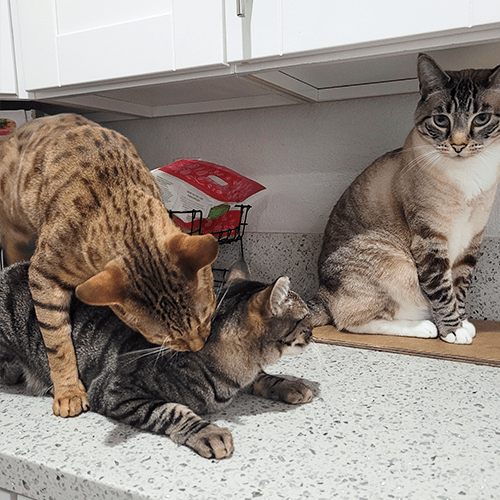
Not all grooming happens between cats who are best friends. Sometimes, cats will groom others in their group even if they don’t have a strong emotional connection. This can happen in multi-cat households or colonies where social ties are looser.
Grooming in these cases often serves practical purposes like keeping the group clean or reducing tension. If you watch closely, you might notice a cat grooming a less familiar cat’s head or neck—areas they can easily reach without much resistance.
Have you ever seen your cat groom a new housemate? It might seem unusual, but this is their way of saying “I accept you” or trying to create peace. It’s a subtle social tool, not just an affectionate gesture.
Social Hierarchies And Grooming
Social rank plays a big role in which cats groom each other. Higher-ranking cats might get groomed more often, or they might do the grooming themselves to assert dominance. Grooming can be a way to reinforce who’s in charge.
Sometimes, subordinate cats will groom dominant ones as a sign of respect or submission. This behavior helps maintain harmony and avoid conflicts. It’s interesting how grooming can serve as a language of power and peace all at once.
Think about your cats’ interactions. Does one always initiate grooming? Or do they take turns? Observing these details can give you clues about their social dynamics and comfort levels.
Credit: trapandreturn.com
Surprising Grooming Behaviors
Surprising grooming behaviors in cats go beyond what most people expect. While bonded pairs often groom each other, cats sometimes show grooming habits that don’t fit this pattern. These unexpected interactions reveal a lot about how cats communicate and manage their environment.
Unexpected Grooming Partners
Not all grooming happens between closely bonded cats. You might notice a cat grooming another that isn’t a close companion. This can happen between cats living in the same house or even in neighborhoods where cats share territory.
Such grooming may serve social purposes beyond friendship. It could be a way to establish dominance or build alliances. Have you ever seen a shy cat accept grooming from a more confident feline? This shows that grooming can be a tool to reduce tension between unfamiliar cats.
Grooming And Stress Relief
Grooming isn’t just about keeping clean—it also helps cats manage stress. When cats lick or nibble each other, it releases calming chemicals in their brains. This makes grooming a natural way to soothe anxiety.
Even if your cats aren’t close friends, grooming moments can offer comfort during stressful times, like after a loud noise or a visit to the vet. Watch how your cats behave during these moments. Do they seek out grooming or prefer to groom themselves? Understanding this can help you support their emotional needs better.
How To Encourage Healthy Grooming
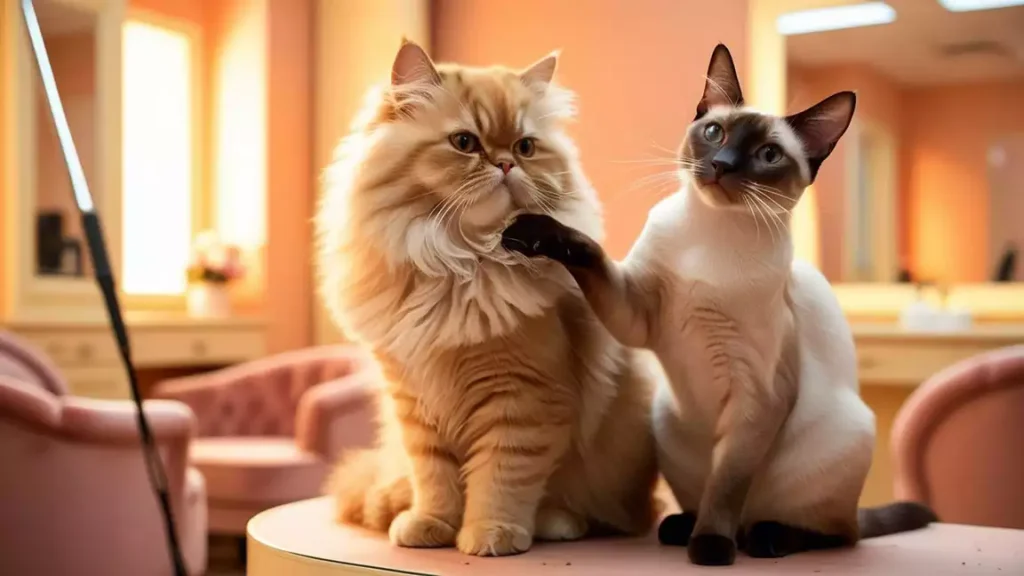
Encouraging healthy grooming between cats can strengthen their bond. Cats often groom each other to show affection and maintain cleanliness. It’s a natural behavior that helps them relax and feel secure. Not all cats groom each other, though. Creating the right environment can promote this behavior.
Creating A Comfortable Environment
Ensure your cats feel safe and relaxed. Provide cozy spots for them to rest. Use soft blankets and cat beds. Quiet areas help reduce stress. Stress-free cats are more likely to groom each other. Consistent routines also play a role. Feed them at the same time daily. Play with them regularly. This stability encourages bonding.
Signs Of Grooming Issues
Watch for signs of stress or discomfort. Excessive licking can indicate anxiety. Bald spots or skin irritation are warning signs. Cats avoiding each other may feel stressed. Take action if you notice these signs. Consult a vet for advice. Early intervention prevents serious issues. Maintain regular health check-ups. Healthy cats are happier and groom more.
Credit: catgroomerla.com
Frequently Asked Questions
Do Only Bonded Pair Cats Groom Each Other?
No, bonded pairs groom each other more often. However, cats may groom non-bonded cats occasionally. Grooming is a social behavior that strengthens trust and affection.
Why Do Cats Groom Other Cats?
Cats groom others to build social bonds and show affection. It also helps with hygiene and reduces stress. Grooming creates a sense of safety and belonging.
Can Cats Groom Strangers Or Non-bonded Cats?
Cats rarely groom strangers. Grooming usually occurs between familiar or bonded cats. Trust and comfort level influence grooming behavior among cats.
How Does Grooming Affect Cat Relationships?
Grooming strengthens cat relationships by promoting trust and comfort. It reduces tension and creates social harmony. This behavior is common in friendly or bonded cats.
Conclusion
Cats groom each other mostly when they share a close bond. This behavior helps them build trust and feel safe. Not all cats groom each other, but many do to show friendship. Grooming also keeps their fur clean and healthy.
Watching cats groom can be a sign they like each other. So, bonded pairs often groom, but it’s not the only way cats show care. Understanding this helps you see how cats communicate with touch and affection.



Leave a Reply