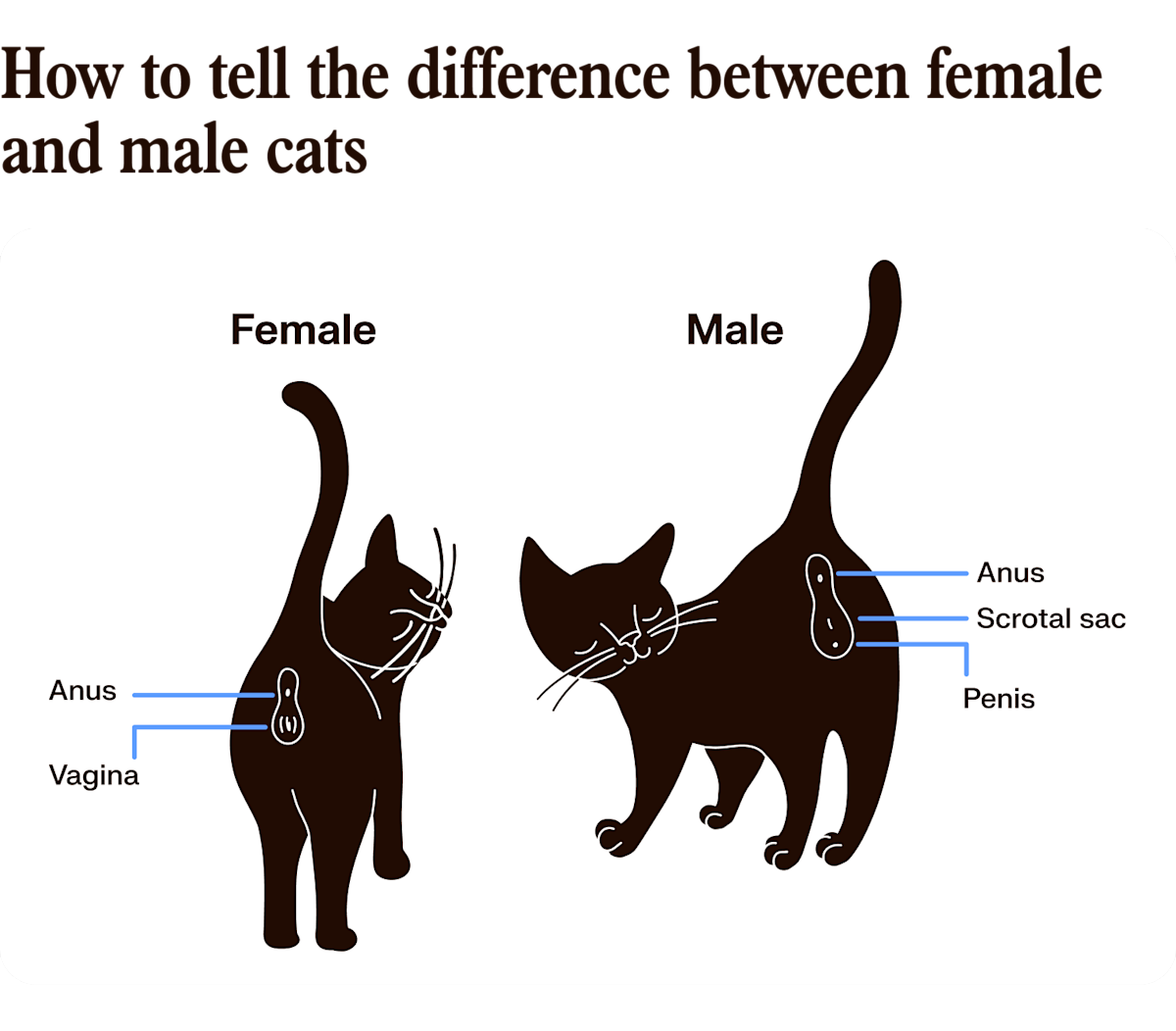
Have you ever noticed your male cat behaving differently after he’s had a chance to breed? You might be wondering if these changes are normal or if something else is going on.
Understanding how your cat’s behavior shifts after breeding can help you take better care of him and keep your home peaceful. You’ll discover what changes to expect, why they happen, and how you can respond. Keep reading to learn what’s really behind your male cat’s new attitude.
Behavioral Changes In Male Cats
Male cats often display noticeable changes in behavior after breeding. These changes stem from hormonal shifts and instinctual drives that influence how they act around their environment and other cats. Understanding these behaviors can help you manage your cat better and create a more peaceful home.
Increased Aggression
After breeding, male cats may become more aggressive than usual. This aggression is often directed at other males as they compete for territory or potential mates. You might notice your cat hissing, swatting, or even fighting more frequently.
If your cat starts showing signs of aggression, consider providing separate spaces or distractions like toys to reduce conflicts. Have you seen your cat suddenly act more hostile without clear reasons?
Territorial Marking
Male cats commonly increase their territorial marking after breeding. This behavior includes spraying urine on furniture, walls, or even outside areas to signal ownership. It’s a natural instinct, but it can be frustrating for you as a pet owner.
To manage this, clean marked areas thoroughly and try to reduce stressors that trigger marking. Adding pheromone diffusers or increasing playtime can also help minimize this behavior.
Altered Social Interactions
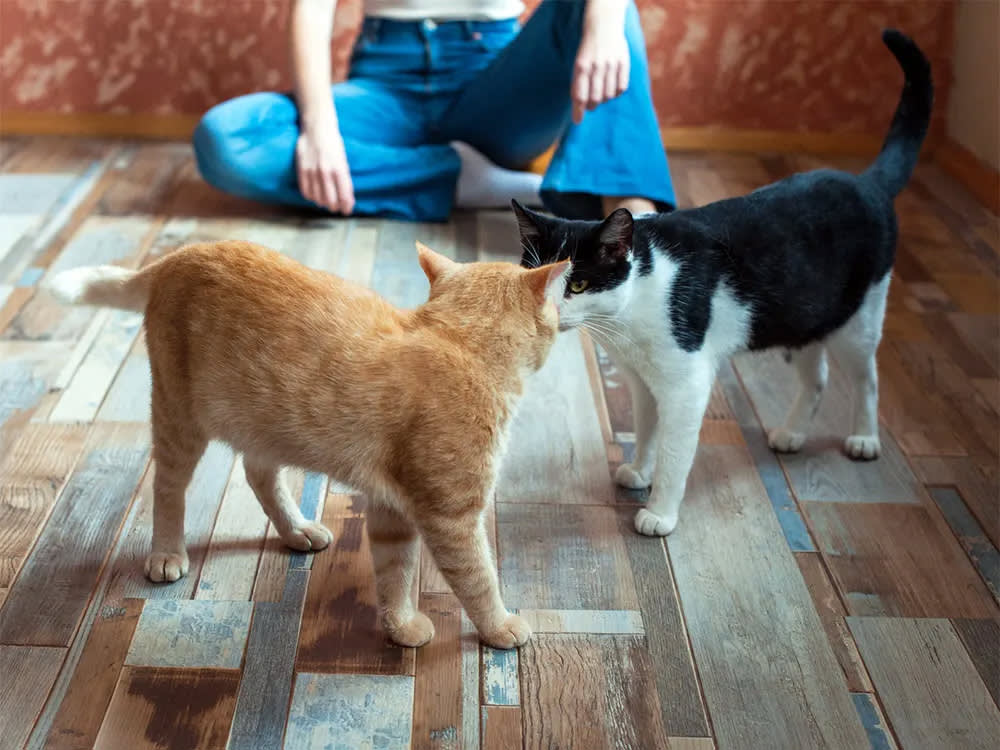
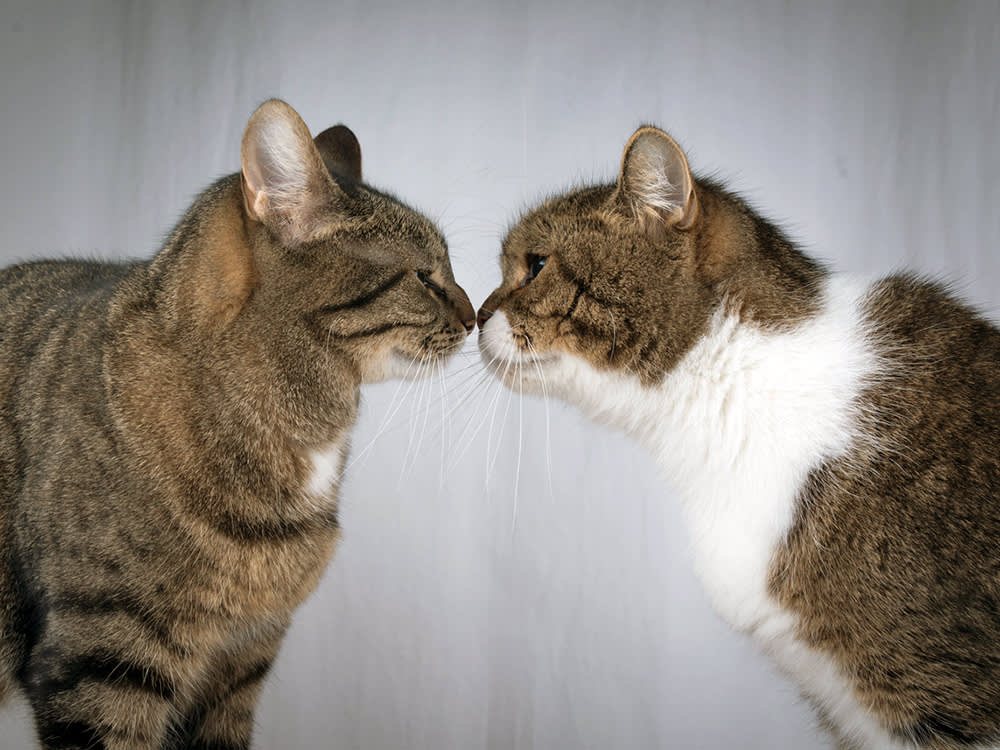
Breeding can change how male cats interact with people and other animals. Some may become more distant or prefer to be alone, while others might seek extra attention. These shifts depend on the individual cat’s personality and experiences.
Watch how your cat responds to visitors or other pets after breeding. Adjust your approach based on their comfort level—sometimes giving them space is the best way to show you care.
Credit: www.kinship.com
Physical Changes Post-breeding
Male cats often show noticeable physical changes after breeding. These changes can be subtle or quite clear, depending on the individual cat and his experience. Understanding these shifts helps you recognize normal behavior and spot any health concerns early.
Scent Gland Activity
One of the most obvious physical changes involves increased scent gland activity. Male cats have scent glands around their face, paws, and tail base. After breeding, these glands become more active, leading to stronger and more frequent marking behaviors.
You might notice your cat rubbing his face against furniture or doorways more often. This is his way of spreading his scent to claim territory and signal reproductive status to other cats. If you haven’t seen this before, it can seem like a sudden change in his habits.
Body Language Shifts
Breeding often impacts a male cat’s body language noticeably. Their posture may become more confident and assertive. You might see a straighter tail, more upright ears, and a general alertness in their stance.
Some cats also show increased muscle tone after breeding, especially around the neck and shoulders. This physical readiness ties to their natural instinct to protect and compete for mates. Have you observed your cat’s body language change after he’s been around a female in heat?
Hormonal Influences On Behavior
Male cats often show changes in behavior after breeding due to hormonal shifts. These changes can include increased restlessness or aggression. Hormones influence their mood and activity levels during this time.
Male cats often experience changes after breeding. These changes are driven by hormones. Hormones play a big role in their behavior. They affect mood, energy, and actions. Understanding these changes can help cat owners. They can provide better care and attention to their pets.Testosterone Levels
Testosterone is a key hormone in male cats. It influences their behavior significantly. After breeding, testosterone levels can rise. This increase can lead to more aggressive actions. Cats may become more territorial. They might also spray more to mark their territory. Elevated testosterone can make them restless.Impact On Mood And Activity
Hormones can alter a cat’s mood. After breeding, male cats might seem anxious. Their activity levels can also change. Some cats become more active and playful. Others might become more aggressive. These mood shifts are due to hormone fluctuations. Understanding this can help in managing their behavior effectively.
Credit: www.petscare.com
Comparing Intact And Neutered Males
Male cats show clear differences after breeding, based on their neuter status. Intact males keep their natural hormones, affecting their actions and health. Neutered males lose much of this hormonal influence, changing their behavior and lifespan. Understanding these contrasts helps pet owners care better for their cats.
Behavioral Differences
Intact male cats often act more aggressive and territorial. They may spray strong-smelling urine to mark their space. These cats tend to roam far from home to find mates. Their behavior can lead to fights with other cats.
Neutered males usually become calmer and less aggressive. They rarely spray or mark territory. These cats stay closer to home and show less interest in roaming. Their social interactions often improve, making them friendlier pets.
Health And Longevity Effects
Intact males face higher risks of injuries from fights. They also have a greater chance of certain diseases like testicular cancer. Their roaming increases the risk of accidents and infections.
Neutering lowers the risk of many health problems. It prevents testicular cancer and reduces prostate issues. Neutered cats often live longer and healthier lives. They avoid many dangers related to roaming and fighting.
Managing Changes In Male Cats
Male cats often show new behaviors after breeding. These changes can affect their mood and habits. Managing these changes helps keep your cat happy and calm. Understanding what your cat needs is key. Small adjustments in the home and behavior training can make a big difference. Focus on creating a peaceful environment and guiding your cat’s social skills.
Environmental Adjustments
Make a quiet, safe space for your male cat. This helps reduce stress and anxiety. Provide cozy bedding and hiding spots. Keep food and water bowls in a calm area. Use calming sprays or diffusers with natural scents. Limit loud noises and sudden movements around your cat. Regular cleaning of the litter box is essential to avoid discomfort. Play gentle music or white noise to soothe your cat.
Training And Socialization Tips
Spend time with your cat daily for bonding and trust. Use treats to encourage good behavior and calmness. Gently redirect aggressive or restless behavior with toys. Teach your cat simple commands using positive reinforcement. Socialize your cat slowly with other pets and people. Respect your cat’s space and signals to avoid stress. Consistency in routines helps your cat feel secure. Patience is crucial as your cat adjusts to changes.
Credit: www.kinship.com
Frequently Asked Questions
Do Male Cats Change Behavior After Breeding?
Yes, male cats often show behavioral changes after breeding. They may become more territorial, restless, or vocal as hormones fluctuate. These changes usually last a few weeks and are part of their natural mating instincts.
How Long Do Behavior Changes Last In Male Cats?
Behavior changes in male cats typically last from a few days to a few weeks. This period varies depending on the cat’s age, health, and hormone levels after breeding.
Why Do Male Cats Become Aggressive Post-breeding?
Male cats can become aggressive after breeding due to increased testosterone levels. This hormone triggers territorial and protective instincts, causing them to act more dominant or defensive.
Can Neutering Affect Male Cat Behavior After Breeding?
Yes, neutering usually reduces aggressive and territorial behaviors in male cats. It lowers testosterone, which diminishes mating urges and related behavioral changes after breeding.
Conclusion
Male cats often show changes after breeding. They may become more restless or vocal. Some act more confident or territorial. These behaviors usually calm down with time. Understanding these changes helps you care better. Remember, each cat is different and unique.
Watch your cat closely to know what’s normal. Patience and love help your cat feel safe. Caring well leads to a happy, balanced pet.

Leave a Reply