Have you ever wondered if your long-haired cat spends more time grooming than a short-haired one? If you’re curious about your feline friend’s habits, you’re not alone.
Understanding how often cats groom themselves can help you keep their coat healthy and reduce those pesky hairballs. You’ll discover the surprising differences between long-haired and short-haired cats when it comes to grooming. Stick with me, and you’ll learn what to expect from your cat’s self-care routine and how to make it easier for both of you.
Grooming Habits Of Cats
Cats are known for their impeccable grooming habits, which keep them clean and comfortable. Understanding these habits can help you care better for your feline friend, especially when comparing long-haired and short-haired cats. Grooming is more than just about looks; it affects their health and wellbeing.
Why Cats Groom Themselves
Cats groom themselves to remove dirt, loose fur, and parasites. This behavior also helps regulate their body temperature and reduce stress. Have you noticed your cat licking its fur after a nap? It’s their way of staying fresh and calm.
Grooming also spreads natural oils across their coat, keeping it shiny and waterproof. Without regular grooming, mats and tangles can form, especially in long-haired cats. This can lead to skin problems and discomfort.
Frequency Of Grooming Sessions
How often a cat grooms depends on their coat type and personality. Short-haired cats may groom less frequently because their fur is easier to maintain. Long-haired cats often spend more time grooming to prevent tangles and mats.
Some cats groom several times a day, while others might do it less often. If you see your cat grooming excessively, it could be a sign of stress or skin irritation. Observing your cat’s grooming routine gives you clues about their health.
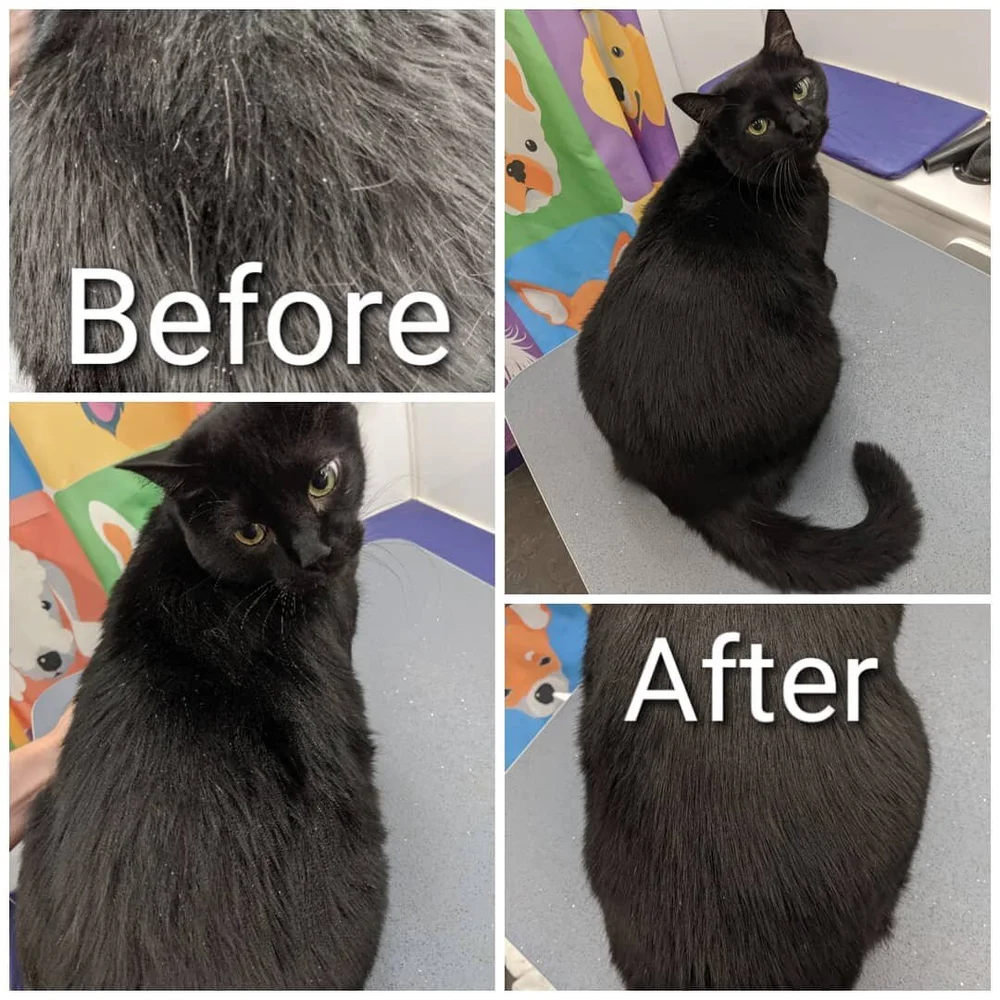
Credit: www.squeakycleangrooming.com
Differences Between Long And Short Haired Cats
Long-haired cats often spend more time grooming to keep their fur clean and free of mats. Short-haired cats groom less but still maintain good hygiene with regular licking. Grooming habits vary based on hair length and individual cat behavior.
Coat Structure And Maintenance
Long haired cats have thick, flowing fur that can grow several inches long. This coat often includes a soft undercoat and longer guard hairs. The fur is prone to tangling and matting without regular care.
Short haired cats have a sleek, close-lying coat. Their fur is usually smooth and dense but lacks the extra layers seen in long haired breeds. This structure makes their coat easier to maintain.
Long fur traps more dirt and debris. It also holds onto loose hair, which can lead to hairballs. Short fur sheds less and stays cleaner by itself.
Impact On Grooming Time
Long haired cats require daily brushing to prevent knots and mats. Grooming sessions can last from 10 to 20 minutes or more. This routine helps reduce shedding and keeps the coat healthy.
Short haired cats need less frequent grooming, often just once or twice a week. Brushing is quicker and easier because the fur is less dense. Their grooming time is generally shorter and less demanding.
Owners of long haired cats should be prepared for regular grooming. Short haired cat owners enjoy a simpler maintenance routine. Both types benefit from occasional baths and nail trims, but coat care differs greatly.
Factors Influencing Grooming Behavior
Understanding why some cats groom more than others goes beyond just the length of their fur. Several factors influence grooming behavior, shaping how often and intensely your feline friend cleans itself. These elements can help you better care for your cat and recognize when grooming patterns might signal health issues.
Breed Characteristics
Different cat breeds have unique grooming habits. Long-haired breeds like Persians or Maine Coons often spend more time grooming because their thick fur requires extra care to avoid mats and tangles. On the other hand, short-haired breeds like the Siamese may groom less frequently since their coats are easier to maintain.
Have you noticed your long-haired cat spending hours licking? That’s partly breed instinct at work. Some breeds also have differences in skin oils and fur texture that affect how much grooming they need.
Age And Health
Age plays a big role in grooming habits. Kittens groom themselves less but learn from their mothers. As cats age, grooming can decrease due to arthritis or dental problems, making it harder for them to reach certain areas.
Health issues like skin infections, allergies, or obesity can also change grooming behavior. If your cat suddenly grooms excessively or stops grooming altogether, it’s a sign to check with your vet. Your observation can be a key to catching problems early.
Environmental Conditions
Where your cat lives affects how much it grooms. Indoor cats often groom more to keep clean since they don’t get dirt or debris outside. Outdoor cats might groom less but rely on rubbing against surfaces or rolling in grass for cleaning.
Temperature and humidity also matter. In hot weather, cats might lick themselves more to cool down. Dry air, however, can cause skin dryness, prompting more grooming to relieve itchiness. How does your cat’s environment shape its grooming routine?

Credit: www.petscare.com
Common Grooming Challenges In Long Haired Cats
Long haired cats face unique grooming challenges. Their thick fur needs regular care to stay healthy. Without proper grooming, these cats can develop serious problems.
Owners must understand these challenges to keep their pets comfortable. Grooming is more than just brushing. It helps prevent pain and health issues.
Matting And Tangles
Long hair easily forms mats and tangles. These knots pull on the skin and cause discomfort. Mats trap dirt, moisture, and debris, leading to infections.
Regular brushing helps stop mats from forming. Use a wide-toothed comb for gentle detangling. Pay close attention to behind the ears, under the legs, and near the tail. These areas mat the fastest.
Hairballs And Digestive Issues
Long haired cats swallow more fur while grooming. This fur can form hairballs in their stomach. Hairballs cause coughing, gagging, and digestive blockages.
Feeding high-fiber food helps move hair through the digestive system. Regular brushing reduces loose hair ingestion. Keep an eye on your cat’s bathroom habits for any changes.
Role Of Owners In Cat Grooming
Long-haired cats often groom more than short-haired ones. Owners play a vital role by assisting in grooming tasks. Regular brushing prevents mats and tangles, ensuring a healthy coat.
The role of owners in cat grooming is crucial, especially when comparing long-haired and short-haired cats. Long-haired cats, with their luxurious coats, often require more attention to prevent matting and tangles. Short-haired cats might need less frequent grooming, but neglecting their grooming can still lead to issues like excess shedding and hairballs. Understanding the grooming needs of your feline friend ensures their health and happiness.Brushing Techniques
Brushing is an essential part of grooming for both long and short-haired cats. For long-haired cats, using a wide-toothed comb helps detangle knots without pulling their fur. Short-haired cats benefit from a bristle brush to remove loose hairs and reduce shedding. Make brushing a bonding experience. Talk to your cat soothingly and reward them with treats. This can turn grooming into a pleasant routine rather than a chore.Bathing And Hygiene
Cats are known for their self-cleaning abilities, but sometimes a bath is necessary. Long-haired cats might need occasional baths to prevent their fur from becoming greasy or dirty. Use a cat-friendly shampoo and ensure the water is warm but not hot. Short-haired cats may rarely need baths, but it’s still important to check their ears, eyes, and paws regularly for cleanliness. Keeping hygiene in check prevents infections and keeps your cat comfortable.When To Seek Veterinary Help
Sometimes grooming reveals underlying health issues. If your long-haired cat’s fur becomes matted despite regular grooming, it may be a sign of skin problems. Short-haired cats with excessive shedding or bald patches should also be examined by a vet. Pay attention to your cat’s behavior during grooming. If they show signs of pain or discomfort, it might be time to consult a professional. Your vet can offer advice tailored to your cat’s specific needs. Are you keeping an eye on changes in your cat’s coat and behavior? Regular grooming not only maintains their appearance but also helps detect health issues early on.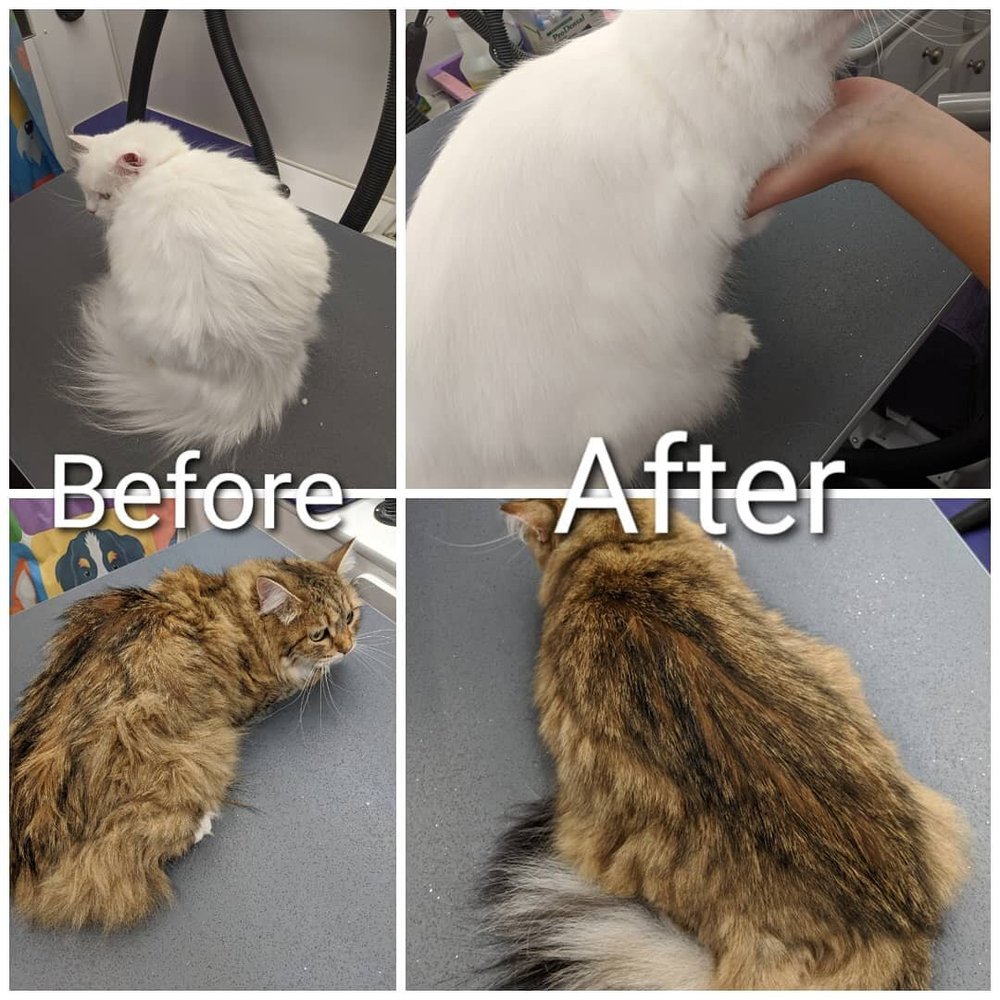
Credit: www.squeakycleangrooming.com
Surprising Grooming Facts
Cats spend a large part of their day grooming themselves. This behavior keeps their fur clean and skin healthy. People often wonder if long-haired cats groom more than short-haired ones. The answer is not as simple as it seems. Grooming habits vary widely among cats.
Several surprising facts affect how much a cat grooms. These facts help explain the differences in grooming between long and short-haired cats.
Unexpected Grooming Patterns
Long-haired cats do not always groom more than short-haired cats. They may spend more time on grooming sessions, but short-haired cats groom frequently too. The length of fur affects how grooming looks but not always how often it happens.
Some short-haired cats lick themselves quickly and often. Long-haired cats may groom slower and more carefully. Both types use grooming to remove dirt and loose hair. Grooming also helps cool the body and reduce stress.
Behavioral Grooming Triggers
Stress and boredom can increase grooming in cats. Cats might groom more when they feel anxious or lonely. Grooming serves as a comfort activity for them. Temperature changes also affect grooming habits. Cats groom to cool down or stay warm.
Social factors play a role too. Cats living with other cats may groom more to smell like their group. This builds social bonds. Health issues can also trigger more grooming. Cats with skin problems or fleas groom excessively.
Frequently Asked Questions
Do Long-haired Cats Groom More Frequently Than Short-haired Cats?
Yes, long-haired cats generally groom more often due to their thick fur. They need regular grooming to prevent tangles and matting. Short-haired cats usually require less grooming because their fur is easier to maintain.
Why Do Long-haired Cats Need More Grooming?
Long-haired cats need more grooming to avoid hair mats, tangles, and debris buildup. Grooming helps distribute natural oils and keeps their coat clean and healthy. Without regular grooming, they may develop skin problems.
Can Grooming Frequency Affect A Cat’s Health?
Absolutely, regular grooming improves a cat’s skin and coat health. It reduces hairballs and prevents infections caused by dirty or matted fur. Grooming also allows early detection of skin issues or parasites.
How Often Should Long-haired Cats Be Groomed?
Long-haired cats should be groomed daily or every other day. Frequent grooming prevents tangles, matting, and hairballs. Short-haired cats usually require grooming once or twice a week.
Conclusion
Long haired cats tend to groom more often than short haired cats. Their thick fur needs extra care to stay clean and free of mats. Short haired cats spend less time grooming because their coats are easier to manage. Both types of cats enjoy grooming to stay healthy and comfortable.
Understanding these differences helps cat owners provide better care. Grooming habits show how cats keep themselves clean and happy. Regular brushing can support your cat’s grooming routine, no matter the fur length. Simple care makes a big difference for your furry friend.



Leave a Reply