Are you thinking about becoming a cat groomer but unsure if you need a license? You’re not alone.
Many people who love cats wonder what rules they must follow before starting this rewarding job. Knowing whether you need a license can save you time, money, and stress. It also helps you build trust with your clients and keep their furry friends safe.
Keep reading to find out exactly what it takes to become a cat groomer and how to make your dream a reality.
Credit: www.petco.com
Cat Grooming Basics
Understanding the basics of cat grooming is essential before deciding if you need a license to become a professional cat groomer. Grooming is more than just making a cat look good; it supports their health and comfort. Knowing daily care, common techniques, and the right tools will help you handle cats confidently and safely.
Daily Care Needs
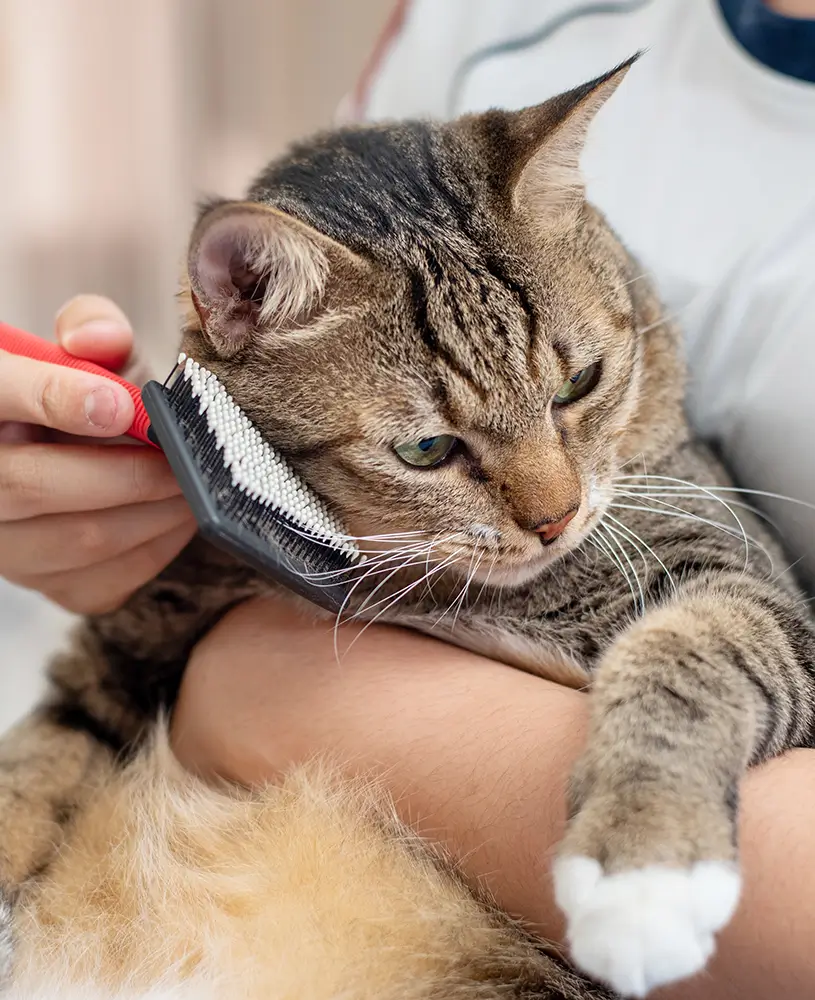
Daily grooming helps prevent mats and reduces shedding. Cats often groom themselves, but they can miss areas like under the chin or behind the ears. Regular brushing stimulates blood flow and keeps the coat shiny.
Pay attention to your cat’s claws too. Claw trimming every couple of weeks prevents overgrowth and injury. Also, check their ears and teeth for signs of dirt or infection. These small daily habits keep your cat comfortable and healthy.
Common Grooming Techniques
Brushing is the most common technique, but you need to choose the right brush. Slicker brushes work well for long-haired cats, while rubber combs suit short-haired breeds. Always brush gently to avoid hurting your cat.
Bathing cats is less frequent but sometimes necessary. Use lukewarm water and a shampoo made for cats. Many cats dislike water, so patience and calm movements make the process smoother.
Trimming fur around sensitive areas like the paws and rear end helps maintain hygiene. Nail trimming requires care to avoid cutting the quick, which can cause pain and bleeding.
Essential Tools For Grooming
- Brushes and Combs:A slicker brush, rubber comb, and fine-toothed comb cover most grooming needs.
- Nail Clippers:Special pet nail clippers help you trim claws safely.
- Cat Shampoo:Use only shampoos formulated for cats to protect their skin.
- Grooming Scissors:Rounded-tip scissors are safer for trimming fur in delicate areas.
- Ear Cleaner:A gentle ear cleaning solution helps prevent infections.
Have you ever noticed how a calm grooming session can strengthen your bond with a cat? The right tools and techniques make a big difference in creating a stress-free experience for both of you.
Licensing Requirements
Knowing the licensing requirements is important before starting as a cat groomer. Rules vary across different places. Some areas require a license to groom pets professionally. Others may not have strict regulations. Understanding these rules helps avoid legal issues and ensures safe grooming practices.
State And Local Regulations
Each state and city sets its own rules for pet grooming. Some states require a license to work as a cat groomer. Others only ask for basic business permits. Local governments might have extra rules about health and safety. Checking both state and local laws is necessary.
When A License Is Needed
A license is often needed if you groom cats for pay. This applies to grooming salons and mobile services. It proves you meet hygiene and safety standards. Licensing also protects pets from harm. Some states require passing exams or training before licensing.
Exceptions And Special Cases
Not all cat groomers need a license. Some states exempt hobby groomers or volunteers. Home-based groomers may face fewer rules. Temporary events like fairs might allow grooming without a license. Always check specific rules for special cases to stay compliant.
Training And Certification
Training and certification play a crucial role in becoming a skilled cat groomer. They not only build your confidence but also prove your expertise to clients. Understanding your options helps you make informed choices about your career path.
Available Grooming Courses
Various courses are designed specifically for cat grooming, ranging from beginner workshops to advanced certifications. Some popular options include:
- Online courses that cover basics like handling, bathing, and trimming
- In-person classes offering hands-on experience with cats
- Specialized training in dealing with nervous or aggressive cats
Many groomers find that a mix of online theory and practical sessions works best. Have you considered what style of learning suits you most?
Benefits Of Certification
Certification sets you apart in a competitive market. It shows clients you have formal training and follow industry standards. This often leads to increased trust and higher rates for your services.
Being certified can also open doors to insurance, professional memberships, and networking opportunities. It’s more than just a piece of paper—it’s a tool to grow your business and skills.
Choosing The Right Program
Not all courses are created equal. Look for programs that offer comprehensive content, experienced instructors, and positive reviews. Ask yourself:
- Does the course cover both theory and practical skills?
- Are the instructors certified or experienced groomers?
- Does the program provide ongoing support or resources?
Choosing the right training can save you time and money while making sure you are truly prepared. What qualities matter most to you in a certification program?

Credit: pagefly.io
Starting A Cat Grooming Business
Starting a cat grooming business requires careful planning and preparation. It is important to understand the steps needed to create a safe and trustworthy service. This business focuses on the care and comfort of cats, so creating a calm environment is key.
Knowing the legal, financial, and marketing aspects helps build a strong foundation. Clear goals and proper setup increase chances for success. Let’s explore the important areas to consider when beginning your cat grooming journey.
Legal Considerations
Check local laws about pet grooming businesses. Some areas need a license or permit. Rules vary by city and state. Research these rules before starting. Register your business name with the government. Follow health and safety standards to protect animals and clients. Keep records of all business activities for legal purposes.
Insurance And Liability
Insurance protects your business from risks. Look for pet grooming insurance that covers accidents and damages. Liability insurance is important if a pet gets hurt. It also covers property damage. Consider insurance for your equipment and workspace. Clear contracts with clients help reduce misunderstandings and legal issues.
Marketing Your Services
Create a simple website with your services and prices. Use social media to reach local pet owners. Ask satisfied clients for reviews and referrals. Offer promotions to attract new customers. Network with local pet stores and vets. Use flyers and business cards in your community. Clear photos and friendly messages attract attention.
Professional Tips For Groomers
Whether you’re a seasoned cat groomer or just starting your journey, mastering the craft requires more than just skill with scissors. It involves understanding the nuances of feline behavior, ensuring safety, and building strong relationships with your clients. Here are some professional tips to guide you through the complexities of cat grooming, ensuring both you and the cats enjoy a stress-free experience.
Handling Difficult Cats
Not every cat will greet you with a purr. Some might be anxious, while others can be downright aggressive. The key is patience and observation. Pay attention to their body language and adjust your approach accordingly.
Consider using calming techniques like gentle stroking or soft music to ease the tension. Remember, a calm groomer can often soothe even the most skittish cat.
Maintaining Safety Standards
Your safety and the cat’s well-being should always be your top priority. Ensure all your tools are sanitized before each use to prevent infections.
- Keep your grooming area tidy and free from hazards.
- Always have a first-aid kit on hand for minor injuries.
Would you trust a groomer who doesn’t prioritize safety? Neither would your clients.
Building Client Trust
Trust is the foundation of any successful grooming business. Communicate openly with pet owners about their cat’s experience and any issues you notice.
Share tips for at-home care and follow up after appointments to show you care about their pet’s well-being. A personal touch can turn one-time clients into loyal customers.
Are you ready to elevate your grooming skills and leave a lasting impression on both cats and their owners?

Credit: services.petsmart.com
Frequently Asked Questions
Do I Need A License To Groom Cats Professionally?
Licensing requirements vary by location. Most places don’t require a specific license for cat grooming. However, general business permits or pet care certifications might be necessary.
Are Certifications Important For Cat Groomers?
Certifications enhance credibility and skills. They are not always mandatory but can boost client trust and improve job opportunities.
How Can I Become A Certified Cat Groomer?
You can enroll in pet grooming courses. Look for programs offering hands-on training and certification upon completion.
Is Insurance Required For Cat Grooming Businesses?
Insurance is highly recommended to protect against accidents. It’s not always legally required but safeguards your business and clients.
Conclusion
Becoming a cat groomer often does not require a license. Still, some states or cities may have rules to follow. Training and experience matter most for safety and skill. Learning about cat behavior helps provide better care. Keep your tools clean and your workspace safe.
Building trust with cats is key to success. Check local laws before starting your business. A good reputation grows from hard work and kindness. This career offers joy for those who love cats.




Leave a Reply