Are you wondering if you really need to take your cat to a groomer? It’s a question many cat owners ask but hesitate to answer.
Grooming isn’t just about keeping your furry friend looking good—it’s about their health and comfort too. You might think your cat can handle it all on their own, but sometimes professional care makes a big difference. Keep reading to discover why grooming could be more important than you realize and how it can benefit both you and your cat.
Benefits Of Professional Grooming
Professional grooming offers many advantages for your cat’s well-being. Skilled groomers handle your cat’s coat and skin with care. They use the right tools and techniques to keep your cat comfortable and healthy. Regular grooming sessions can make a big difference in your cat’s life.
Improved Coat Health
Groomers remove dirt, mats, and loose fur that can damage your cat’s coat. Clean fur looks shiny and feels soft. Grooming stimulates natural oils in the skin. These oils protect the coat and prevent dryness or irritation. A well-groomed coat also reduces the risk of skin infections.
Early Detection Of Health Issues
Experienced groomers check your cat’s skin, ears, and nails closely. They can spot lumps, bumps, or wounds that you might miss. Early signs of health problems can be caught before they get worse. Groomers can alert you to these issues, helping your cat get timely care.
Reduced Shedding And Hairballs
Regular grooming helps control shedding by removing loose fur. This means less hair on your furniture and clothes. It also reduces the chance of hairballs, which can upset your cat’s stomach. Groomers use special brushes to reach deep layers of fur, improving fur health and cleanliness.
Signs Your Cat Needs Grooming
Knowing when your cat needs grooming helps keep them healthy and happy. Cats groom themselves, but sometimes they need extra care. Watch for clear signs that show grooming is necessary. These signs can help you decide if a visit to the groomer is needed.
Matted Fur And Tangles
Matted fur looks clumped and hard. Tangles pull on your cat’s skin and cause pain. Cats with long or thick fur get mats more often. Mats can trap dirt and cause skin infections. Regular grooming stops mats from forming. A groomer can safely remove tough mats.
Excessive Scratching
Scratching more than usual shows discomfort. It might mean fleas, dry skin, or allergies. Grooming helps remove dirt and pests from fur. Sometimes your cat needs special shampoos or treatments. A groomer can spot skin problems early and give the right care.
Unpleasant Odors
Bad smells come from dirty fur or skin problems. Wet fur that stays damp smells musty. Poor grooming can cause grease buildup on the coat. Foul odors might signal infections or dental issues. Grooming cleans your cat and reduces bad smells effectively.
Grooming Frequency For Different Cats
Different cats need grooming at different times. Their coat type and health affect how often they should visit a groomer. Regular grooming keeps cats clean, comfortable, and healthy. It also reduces hairballs and skin problems.
Short-haired Cats
Short-haired cats usually need less grooming. Brushing once a week helps remove loose fur and dirt. Professional grooming every few months is enough for most short-haired cats. Bathing is rarely needed unless the cat gets very dirty.
Long-haired Cats
Long-haired cats require more frequent grooming. Daily brushing prevents mats and tangles. Groomers can trim fur and clean ears every 4 to 6 weeks. Regular grooming stops hair from matting and reduces shedding around the house.
Senior And Special Needs Cats
Older cats or those with health issues need gentle grooming. They may not groom themselves well. Groomers help keep their coat clean and skin healthy. Grooming sessions might be shorter but more frequent for these cats.
Choosing The Right Groomer
Choosing the right groomer for your cat is very important. Cats are sensitive and need gentle care. The right groomer makes the experience safe and stress-free. Knowing what to look for helps you find a groomer your cat will like.
Qualifications And Experience
Check if the groomer has proper training in cat grooming. Experience matters because cats have different needs than dogs. Ask about their knowledge of cat behavior. A skilled groomer can handle nervous or shy cats well. Certifications show they follow safety and hygiene standards.
Cat-friendly Environment
A calm and quiet place helps cats feel safe. The grooming area should be clean and free from loud noises. Look for a groomer who uses gentle tools designed for cats. They should allow time for your cat to relax. This reduces stress and makes grooming easier.
Services Offered
Different cats need different services. Some may need nail trimming, baths, or haircuts. Check if the groomer offers these and more. Ask if they can handle special needs like mat removal or flea treatments. A groomer with a wide range of services can care for your cat better.
Preparing Your Cat For Grooming
Preparing your cat for grooming helps reduce stress and makes the process smoother. Familiarize your cat with gentle brushing and handling before the groomer visit. Some cats need professional care for mats or nail trimming that owners can’t do safely.
Preparing your cat for a grooming session can make the experience more pleasant for both you and your feline friend. Cats are known for their independent nature, but grooming is essential to keep their coat healthy and prevent issues like matting. By adequately preparing your cat, you can minimize stress and ensure a smooth process.At-home Brushing Tips
Regular brushing can significantly reduce the amount of fur your cat sheds and prevent tangles. Use a brush suitable for your cat’s coat type. Long-haired breeds may require a slicker brush, while short-haired cats might prefer a rubber brush. Start by brushing your cat in short sessions to avoid overwhelming them. Gradually increase the time as your cat becomes accustomed to the routine. Reward your cat with treats or affection to create a positive association with brushing.Calming Techniques
Cats can be sensitive to changes in their environment, which can make grooming stressful. Consider using calming sprays or diffusers with pheromones to help ease anxiety. Playing soothing music or engaging in a gentle play session before grooming can also help relax your cat. If your cat is particularly anxious, try grooming them in a familiar and quiet space. Speak softly and move slowly to avoid startling them. Have you ever noticed how your cat responds to your voice’s tone and pitch? It’s a powerful tool in keeping them calm.What To Bring To The Appointment
When taking your cat to the groomer, it’s essential to bring a few key items. A secure and comfortable carrier is a must for transport. Line it with a towel or blanket that smells like home to provide comfort. Pack a favorite toy or treat to help soothe your cat during the appointment. If your cat is on any medication, inform the groomer and bring the necessary supplies. Remember, the goal is to make your cat feel as comfortable as possible outside their home environment. By taking these steps, you can help ensure your cat’s grooming experience is positive and stress-free. How do you plan to prepare your cat for their next grooming session?
Credit: www.angiesmobilepetstyling.com
Alternative Grooming Options
If you’re wondering whether you must take your cat to a professional groomer, it’s worth knowing there are several alternative grooming options that might fit your lifestyle better. These alternatives can save you time, reduce stress for your cat, and even help you build a stronger bond through hands-on care. Let’s look at some practical ways you can keep your cat looking and feeling great without a trip to the salon.
Diy Grooming At Home
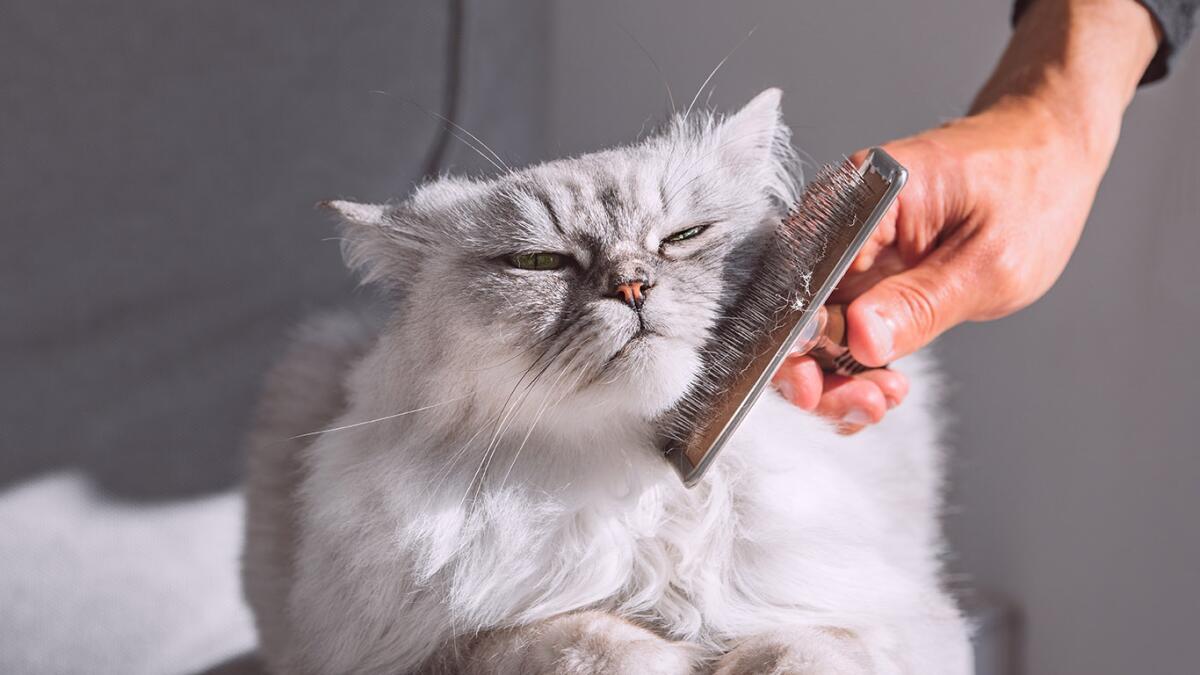
Grooming your cat at home can be a rewarding experience for both of you. You can start with simple tasks like brushing to remove loose fur and prevent mats. Many cats enjoy gentle brushing, especially if you choose a quiet spot and use slow, calm movements.
Try to make it a short, regular routine rather than a long session that might overwhelm your pet. You might be surprised how much your cat appreciates this one-on-one attention, which can also help you spot any skin issues early. Have you noticed how your cat reacts to different brush types? Finding the right tool can make all the difference.
Mobile Grooming Services
Mobile grooming is a convenient alternative that brings professional care right to your doorstep. This option is particularly helpful if your cat gets anxious in new environments or if you have a busy schedule. A mobile groomer usually arrives with all the necessary equipment and a calm approach tailored to your cat’s needs.
Since the grooming happens in a familiar setting, your cat might stay more relaxed compared to a traditional salon. Have you considered this service as a middle ground between home grooming and salon visits? It might be just the balance you’re looking for.
Grooming Tools For Cats
Having the right grooming tools at home can make all the difference. Some essentials include:
- Slicker brushesfor removing loose hair and preventing mats.
- Deshedding toolsto reduce shedding, especially in long-haired breeds.
- Cat-specific nail clippersto keep claws trimmed safely.
- Comb with rounded teethfor gentle detangling.
Choosing tools designed specifically for cats ensures comfort and effectiveness. Next time you shop, ask yourself which tools would suit your cat’s coat type and temperament best. Having the right gear makes grooming less of a chore and more of a bonding activity.
Common Grooming Procedures
Grooming your cat is more than just keeping them looking good—it’s about their health and comfort. Regular grooming can prevent many common problems like mats, infections, and overgrown nails. Understanding what grooming involves helps you decide if a professional groomer is necessary or if you can manage some tasks at home.
Bathing And Drying
Bathing a cat isn’t always easy, but some cats need it, especially if they get into something sticky or dirty. Use a gentle, cat-specific shampoo and lukewarm water. Rinse thoroughly to avoid skin irritation.
Drying is just as important as bathing. Towels work well for most cats, but some tolerate a low-heat blow dryer if you move it constantly and keep it at a safe distance. Have you noticed how some cats hate water but enjoy the feeling of being wrapped in a warm towel afterward?
Nail Trimming
Keeping your cat’s nails trimmed prevents damage to your furniture and reduces the risk of painful nail overgrowth. Use a sharp, cat-friendly nail clipper and trim just the tip to avoid hitting the quick, which causes bleeding and pain.
It’s easier if your cat is relaxed—try trimming after a nap or play session. Do you find your cat resists nail trimming? Small, frequent sessions often work better than one long struggle.
Ear And Eye Care
Check your cat’s ears regularly for dirt, wax build-up, or signs of infection like redness or odor. Use a damp cotton ball—not a Q-tip—to gently clean the outer ear. Avoid poking deep inside.
Eye care involves wiping away discharge with a soft, damp cloth. Persistent tearing or redness needs a vet’s attention. Have you ever caught your cat blinking excessively or shaking their head? These could be signs that their ears or eyes need more care than usual.

Credit: www.latimes.com
Addressing Grooming Challenges
Grooming a cat can present unique challenges. Some cats resist grooming, making the task difficult. Understanding these challenges helps maintain a clean and healthy pet. Let’s explore ways to address these grooming challenges effectively.
Handling Anxious Cats
Anxiety in cats can make grooming tough. A calm environment helps ease their nerves. Use a soothing voice and gentle strokes. This builds trust and reduces stress. Offer treats as rewards for good behavior. Patience is key when dealing with anxious cats.
Avoiding Stress And Injury
Stress during grooming can lead to injuries. Always use cat-friendly grooming tools. Trim nails carefully to prevent cuts. Brush gently to avoid pulling fur. Keep sessions short to prevent stress. Monitor your cat’s reactions and adjust as needed.
When To Seek Professional Help
Professional groomers can handle difficult grooming tasks. If your cat’s fur is matted, seek expert help. Cats with health issues may need professional care. Groomers have experience with different cat temperaments. They use specialized tools and techniques.

Credit: www.reddit.com
Frequently Asked Questions
Do Cats Really Need Professional Grooming?
Professional grooming helps maintain a cat’s coat, reduces shedding, and prevents matting. It also improves hygiene and detects health issues early. While some cats manage grooming alone, others benefit from expert care, especially long-haired breeds or elderly cats.
How Often Should I Take My Cat To A Groomer?
Most cats benefit from grooming every 4 to 8 weeks. Frequency depends on breed, coat type, and health. Regular visits prevent mats, reduce shedding, and keep skin healthy. Discuss your cat’s needs with a groomer for a personalized schedule.
Can Grooming Reduce Cat Hair Allergies?
Yes, regular grooming reduces loose fur and dander, which cause allergies. Professional groomers use techniques to minimize allergens on your cat. Brushing at home combined with grooming appointments helps keep your home cleaner and allergy symptoms lower.
What Services Do Cat Groomers Typically Offer?
Cat groomers provide bathing, brushing, nail trimming, ear cleaning, and hair trimming. They also check for skin issues or parasites. Some groomers offer specialty cuts for long-haired cats. These services help keep cats comfortable and healthy.
Conclusion
Regular grooming keeps your cat healthy and happy. Some cats need a groomer’s help more than others. Long-haired cats often benefit from professional care. Groomers can handle mats, nails, and baths safely. You know your cat best. Choose grooming options that fit your cat’s needs and comfort.
A clean, well-groomed cat feels better every day. Taking time for grooming shows love and care. It helps prevent health problems too. Consider a groomer when home grooming feels too hard. Your cat will thank you with purrs and cuddles.

Leave a Reply