Have you ever spotted a wild cat roaming your neighborhood and wondered how it stays clean without a human to care for it? You might be curious if feral cats groom themselves like pets do.
Understanding how these independent animals take care of their fur can change the way you see them. Keep reading, and you’ll discover surprising facts about feral cats’ grooming habits that could help you better appreciate these mysterious creatures living right outside your door.
Feral Cats And Grooming Habits
Feral cats have unique grooming habits shaped by their wild lifestyle. Unlike domestic cats, they face harsher environments and more challenges in keeping clean. Understanding how feral cats groom themselves reveals how they survive and maintain their health despite these obstacles.
Daily Grooming Routine
Feral cats spend a significant part of their day grooming. They lick their fur to remove dirt, parasites, and loose hair. This daily routine helps keep their coat functional and clean, essential for temperature regulation and protection.
Unlike pets, feral cats must rely solely on themselves for grooming. They use their tongues to reach difficult spots, and sometimes even rub against rough surfaces to remove debris. Have you ever noticed how focused and thorough they can be?
Differences From Domestic Cats
Domestic cats often get help from their owners and live in cleaner environments. Feral cats, however, face more dirt, parasites, and injuries, which can affect their grooming habits. Their fur might look rougher or patchy compared to the silky coats of house cats.
Feral cats also spend more time grooming to cope with the risks of infection and parasites. They rarely have the luxury of baths or vet care, so their grooming is critical for survival. Does this make you appreciate the resilience of feral cats even more?
Benefits Of Self-grooming
Self-grooming is a vital behavior for feral cats. It helps them stay healthy and survive in the wild. Grooming offers many benefits that support their daily life and well-being.
Maintaining Cleanliness
Feral cats use grooming to clean their fur from dirt and debris. This keeps their coat smooth and free of tangles. Clean fur also helps feral cats look healthy and avoid attracting predators.
Controlling Parasites
Grooming helps remove fleas, ticks, and other parasites from the cat’s fur. Cats use their rough tongues to catch and remove these pests. This reduces itching and prevents infections caused by parasites.
Regulating Body Temperature
Self-grooming helps feral cats cool down in hot weather. The saliva on their fur evaporates, creating a cooling effect. Grooming also spreads natural oils that protect their skin from sun damage and dryness.
Challenges Feral Cats Face
Feral cats face many challenges that affect their ability to groom themselves properly. Unlike house cats, they don’t have a stable environment or regular care. These difficulties can lead to poor hygiene and health problems, making their grooming habits less effective and more critical for survival.
Environmental Factors
Feral cats live outdoors where weather conditions can be harsh. Rain, mud, and extreme temperatures make it tough for them to stay clean. Dirt and debris often stick to their fur, and without a safe, dry place to rest, their grooming efforts may not be enough.
They also face threats from other animals and humans, which can cause stress and reduce the time they spend grooming. Imagine trying to keep yourself clean when you’re constantly on alert—how would that affect your routine?
Health Issues Impacting Grooming
Health problems like parasites, skin infections, or injuries can make grooming painful or difficult for feral cats. If a cat has flea infestations or wounds, it might avoid grooming those areas, leading to mats and dirt build-up.
Malnutrition also weakens their muscles and energy levels, so they might not groom as thoroughly as healthy cats do. Have you noticed how even minor health issues can make daily tasks harder for you? It’s similar for feral cats.
Social Grooming Among Feral Cats
Social grooming among feral cats is a fascinating behavior that reveals much about their survival and social structures. Unlike solitary grooming, social grooming involves cats caring for each other’s hygiene, creating bonds that go beyond just cleanliness. Understanding this behavior can help you appreciate the complex relationships feral cats develop in their communities.
Mutual Grooming Behavior
Mutual grooming, also called allogrooming, happens when two or more feral cats lick and clean each other’s fur. This behavior usually takes place between cats that share a close social bond, such as siblings or a mother and her kittens.
Grooming hard-to-reach areas like the head and neck is a common reason cats groom each other. This not only helps keep them clean but also reduces stress and strengthens their social ties. Have you noticed how cats often pause and gently lick each other’s ears or behind the neck?
Bonding And Communication
Social grooming serves as a powerful communication tool among feral cats. It signals trust and friendship, helping to reduce conflicts within their group. This interaction can calm tensions and create a sense of safety in their often unpredictable environment.
By grooming each other, cats exchange scents and reaffirm their social status. This subtle communication helps you understand how cats maintain harmony without loud confrontations. Next time you see feral cats grooming together, consider how this simple act is a silent conversation about loyalty and peace.
Signs Of Poor Grooming
Noticing signs of poor grooming in feral cats can reveal a lot about their health and environment. Grooming is a vital behavior for cats, helping them stay clean and healthy. When grooming is neglected, it often signals deeper issues that need attention.
Identifying Neglected Cats
Look closely at a feral cat’s coat. Is it matted or dirty? Patches of missing fur or excessive dandruff are clear red flags. These cats might also have a strong odor or visible skin wounds that haven’t healed.
Watch their behavior too. Cats that stop grooming often appear lethargic or avoid social interaction. If you spot these signs, the cat may be struggling with illness, injury, or stress.
Causes And Consequences
Poor grooming doesn’t happen without reason. It can result from parasites like fleas or mites, infections, or chronic pain that makes self-cleaning difficult. Stress from environmental changes or lack of food also plays a role.
Ignoring these signs can lead to serious health problems. Skin infections, worsening wounds, and decreased ability to regulate body temperature are common risks. What would you do if you encountered a feral cat showing these signs near your home?
How To Help Feral Cats With Grooming
Feral cats groom themselves to stay clean and healthy, but they may miss some spots. Helping with gentle brushing can reduce mats and dirt. Offering water and a safe space makes grooming easier for shy cats.
Helping feral cats with grooming is a thoughtful way to improve their well-being and health. While feral cats naturally groom themselves, they can still benefit from our support, especially during challenging times like harsh weather or illness. Let’s explore some practical ways you can assist these resilient creatures.Providing Safe Shelter
Creating a safe space for feral cats is crucial for their overall health, including grooming. A simple, insulated shelter can protect them from extreme weather conditions, which can otherwise hinder their grooming routines. Using materials like straw for bedding not only provides warmth but also aids in keeping their fur dry and clean. Ensure the shelter is discreet and safe from predators, allowing the cats to feel secure. This encourages them to maintain their grooming habits without stress or interruption.Offering Grooming Assistance
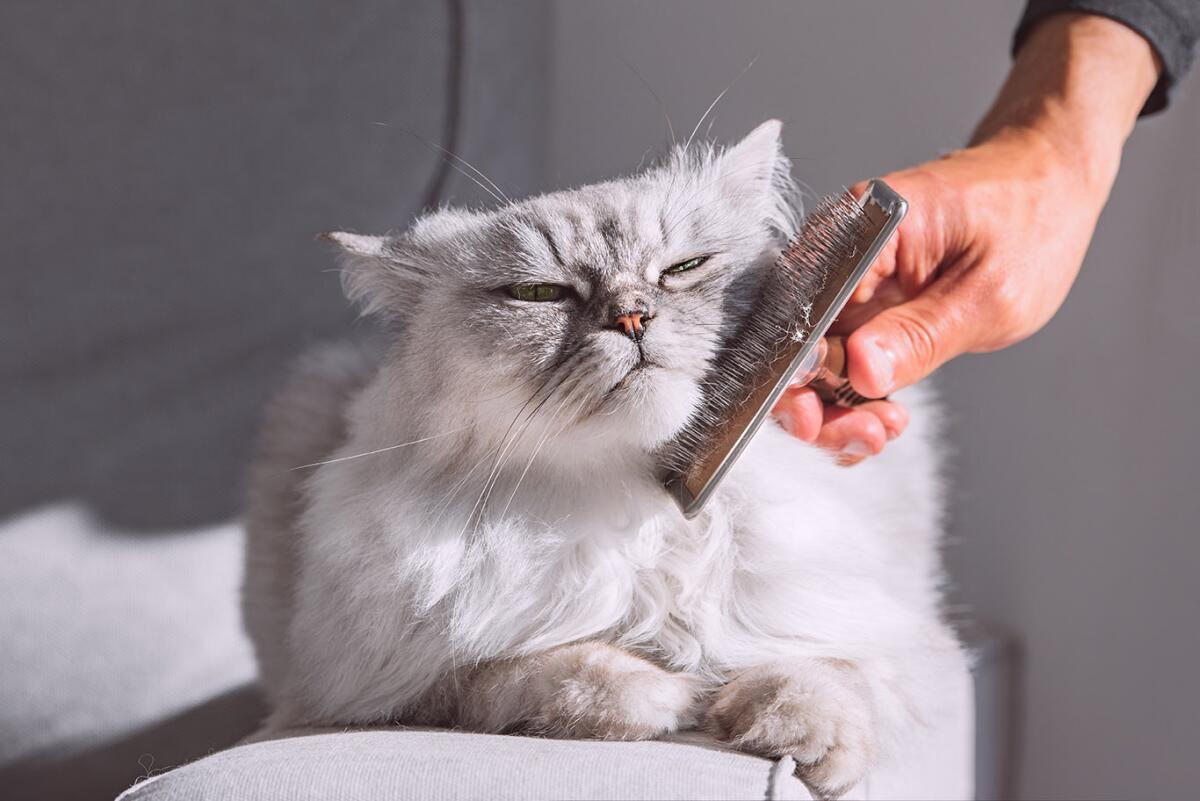
Direct grooming assistance can be tricky with feral cats due to their wary nature. However, you can indirectly help by providing tools like scratching posts or soft brushes near their feeding areas. These items can help them remove loose fur and dirt on their own terms. You might also notice some cats becoming more comfortable with human presence over time. In such cases, offering gentle grooming with a brush can be beneficial, but always respect their boundaries and comfort levels. Consider the diet you provide as well; high-quality food contributes to healthier fur, which in turn makes grooming easier for them. Have you noticed a feral cat with a particular grooming challenge? Your intervention, no matter how small, can make a significant difference in their daily lives.Frequently Asked Questions
Do Feral Cats Groom Themselves Regularly?
Yes, feral cats groom themselves regularly to stay clean and remove parasites. Grooming helps them maintain their fur’s condition and scent.
How Does Grooming Benefit Feral Cats?
Grooming removes dirt, parasites, and loose fur. It also helps feral cats regulate body temperature and reduce stress.
Can Feral Cats Groom Each Other?
Yes, feral cats often groom each other, a behavior called allogrooming. This strengthens social bonds and helps with hard-to-reach areas.
Do Feral Cats Groom Differently Than Domestic Cats?
Feral cats groom similarly to domestic cats but may groom more due to outdoor dirt and parasites exposure.
Conclusion
Feral cats clean themselves often to stay healthy and free from dirt. Grooming helps remove parasites and keeps their fur smooth. They rely on this habit to survive outdoors without help. Self-grooming also reduces stress and keeps their skin in good shape.
Understanding this behavior shows how clever and independent feral cats are. Watching them can teach us about their natural instincts and care. Their grooming is a key part of their daily routine and survival.

Leave a Reply