
Have you ever noticed your dog eyeing your cat’s toys and wondered if they actually enjoy playing with them? It might surprise you, but many dogs do show interest in cat toys.
Understanding why your dog is drawn to these toys can help you keep your furry friend happy and entertained. You’ll discover the reasons behind this curious behavior and learn how to choose the right toys that suit both your dog’s play style and safety needs.
Keep reading to unlock the secrets of your pet’s playful side!
Dog Interest In Cat Toys
Dogs often show interest in cat toys, surprising many pet owners. Their curiosity about these toys reflects their playful nature. Even though cat toys are designed for cats, dogs find them fun and intriguing. Understanding why dogs like cat toys helps owners provide better play options for their pets.
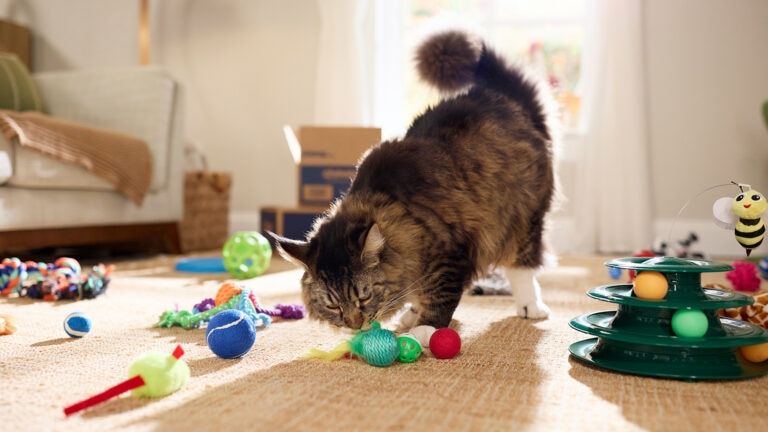
Common Cat Toys Dogs Like
- Feather wands – dogs enjoy chasing the movement.
- Small plush mice – perfect for carrying and chewing.
- Interactive balls – they love to bat and chase them.
- Crinkle toys – the sound catches their attention.
- Catnip-filled toys – some dogs respond to the scent.
Reasons Dogs Are Attracted To Cat Toys
Cat toys often mimic prey movements that trigger a dog’s hunting instincts. The size of cat toys fits easily in a dog’s mouth, making play simple. Many cat toys make sounds or have textures that attract dogs. Dogs also like toys that move unpredictably, like feather wands. Some cat toys have scents that dogs find interesting and enjoyable.
Differences Between Dog And Cat Toys
Dogs and cats have very different play styles, and their toys reflect those differences. Understanding how dog toys differ from cat toys can help you choose the right items for your pet. This matters especially if you’re tempted to let your dog play with a cat toy or vice versa.
Design And Safety Features
Cat toys are usually small, lightweight, and designed to mimic prey like mice or birds. They often include feathers, bells, or strings to attract a cat’s natural hunting instincts. These features can be risky for dogs, who may swallow small parts or choke on strings.
Dog toys, on the other hand, are larger and sturdier. They often have chew-resistant designs to withstand strong jaws and prevent choking hazards. Some dog toys have built-in treat dispensers or squeakers made for rougher play, which most cat toys don’t offer.
Material And Durability
Cat toys are typically made from soft fabrics, feathers, or lightweight plastic. These materials suit a cat’s gentle batting and pouncing but won’t hold up against a dog’s chewing. I once saw my dog tear apart a feathered cat toy within minutes—proof that durability matters.
Dog toys are usually crafted from tough rubber, nylon, or reinforced fabric. These materials resist tearing and chewing, making them safer and longer-lasting for dogs. If you let your dog play with a cat toy, you risk quick destruction and potential injury.
Benefits Of Dogs Playing With Cat Toys
Dogs often find cat toys intriguing and fun. Playing with these toys can offer several benefits. Cat toys are designed to attract attention with movement and small sizes. This makes them perfect for dogs to engage with and enjoy. The interaction with cat toys helps dogs stay happy and healthy.
Mental Stimulation
Cat toys challenge dogs to think and solve problems. Toys that move or make noise catch their attention quickly. This sharpens their focus and keeps their mind active. Mental exercise reduces boredom and stress in dogs. It also helps improve their behavior and mood. Playing with cat toys offers new experiences for their brain.
Physical Exercise
Chasing and biting cat toys encourages dogs to move more. These toys are small and light, easy to carry and chase. Physical activity helps dogs stay fit and strong. It supports healthy joints and muscles. Regular play prevents weight gain and related health issues. Cat toys provide a fun way for dogs to exercise indoors or outdoors.

Credit: www.yahoo.com
Potential Risks And Concerns
Dogs chewing on cat toys may swallow small parts, causing choking or stomach issues. Some toys contain materials unsafe for dogs. Supervision is key to prevent accidents or injuries during play.
Exploring the idea of dogs playing with cat toys can be amusing. Yet, it’s crucial to consider the potential risks and concerns that may arise. While your furry friend might be tempted by the colorful allure of a cat toy, understanding the hidden dangers is vital for their safety.Choking Hazards
Dog owners, have you ever caught your pet with a cat toy in their mouth? Cat toys are often smaller, designed for nimble feline paws. This size difference can be a choking hazard for dogs. Imagine the horror of a toy lodged in your dog’s throat. Always supervise playtime and ensure toys are appropriately sized for your pet.Toxic Materials
Have you ever thought about what’s in those brightly colored toys? Some cat toys contain materials that might be safe for cats but not for dogs. Dogs have a tendency to chew more aggressively. This could lead to ingestion of harmful substances. Always check labels and choose toys that are free from toxic materials. Being aware of these potential risks helps you make informed decisions. Wouldn’t you rather be safe than sorry with your beloved pet? Always prioritize safety and ensure your dog’s playtime is both fun and secure.How To Choose Safe Cat Toys For Dogs
Choosing safe cat toys for your dog might seem unusual, but it’s a smart way to keep your furry friend entertained without risking their health. Dogs often enjoy the textures and shapes of cat toys, but not all of these toys are built to handle a dog’s stronger bite or chewing habits. Understanding what makes a toy safe can save you from unexpected vet visits and keep playtime fun for both of you.
Size And Texture Considerations
Always pick toys that suit your dog’s size and chewing style. A toy that’s too small can be a choking hazard, especially for larger dogs who tend to swallow objects whole. On the other hand, toys that are too hard or rough might damage your dog’s teeth or gums.
Soft, flexible toys often work well for dogs that like to chew gently. If your dog is a heavy chewer, look for toys made from durable rubber or thick fabrics that can withstand biting without falling apart. You know your dog best—watch how they play and choose toys that won’t break easily under their pressure.
Avoiding Harmful Components
Not all cat toys are made with dog safety in mind. Some contain small parts like feathers, beads, or bells that dogs might swallow or choke on. Avoid toys with these loose pieces, especially if your dog is an enthusiastic chewer.
Check the materials carefully. Toys made from non-toxic, pet-safe materials reduce the risk of poisoning or allergic reactions. If you’re unsure about a toy, look for labels that specify pet safety or consult your vet. Would you let your dog chew something without knowing what’s inside it? It’s better to be cautious.

Credit: www.amazon.com
Tips To Introduce Cat Toys To Your Dog
Introducing cat toys to your dog can be a fun way to enrich their playtime. Dogs may enjoy different textures and movements that cat toys offer. It takes patience and care to make this introduction smooth and safe. Careful steps help your dog accept new toys without stress. This also keeps playtime enjoyable for both pets.
Supervised Playtime
Always watch your dog closely during the first play sessions with cat toys. Some toys may have small parts that can be swallowed. Supervision helps prevent accidents and teaches your dog how to use the toy properly. Keep sessions short to see how your dog reacts. Stop if your dog shows signs of stress or aggression.
Encouraging Positive Interaction
Use praise and treats when your dog interacts gently with cat toys. This builds a positive connection with the new toy. Try moving the toy slowly to catch your dog’s attention. Let your dog explore the toy at their own pace. Reward calm and curious behavior to encourage more play.
Alternatives To Cat Toys For Dogs
If you’ve noticed your dog showing interest in cat toys, you might wonder if those are the best fit for them. While some dogs might enjoy batting around a feather wand or chasing a small mouse toy, these aren’t always designed to meet their play needs or chewing habits. Providing your dog with alternatives tailored to their size and energy levels can keep them happier and safer.
Recommended Dog Toys
Look for toys that match your dog’s chewing strength and play style. Durable rubber balls, rope toys, and interactive puzzle feeders are excellent choices. These toys engage your dog mentally and physically, preventing boredom and destructive behavior.
- Kong Classic:Great for stuffing treats and satisfying chewing urges.
- Chuckit! Balls:Perfect for fetch lovers who need a durable, bouncy toy.
- Rope Tug Toys:Ideal for interactive play and strengthening your dog’s jaw.
- Interactive Puzzle Toys:Challenge your dog’s brain while rewarding them with treats.
Have you noticed how much more engaged your dog becomes with toys that challenge them? It’s a sign they’re not just playing but also stimulating their mind.
Diy Toy Ideas
You can create fun and safe toys at home without spending a lot. Use household items like old t-shirts braided into tug ropes or tennis balls with a slit to hide treats inside. These simple toys can keep your dog entertained and mentally active.
- T-shirt Tug:Cut and braid old t-shirts to make a soft but sturdy tug toy.
- Treat-Dispensing Tennis Ball:Cut a small slit into a tennis ball and insert treats for your dog to find.
- Water Bottle Crunch:Insert an empty plastic water bottle into a sock for a crunchy chew toy.
Have you tried making your own dog toys? Sometimes, the simplest creations become your dog’s favorites and strengthen your bond through play.

Credit: www.youtube.com
Frequently Asked Questions
Do Dogs Enjoy Playing With Cat Toys?
Yes, many dogs enjoy cat toys because they are small and easy to carry. Cat toys often stimulate a dog’s prey drive, making playtime fun and engaging for them.
Are Cat Toys Safe For Dogs To Use?
Most cat toys are safe for dogs, but always check for small parts that could be swallowed. Supervise your dog during play to prevent choking hazards or toy destruction.
Can Cat Toys Satisfy A Dog’s Play Needs?
Cat toys can satisfy some of a dog’s play needs, especially for small or less active dogs. However, dogs usually require more durable and interactive toys designed for their size and strength.
Why Do Dogs Prefer Certain Cat Toys?
Dogs prefer cat toys that mimic prey, such as small mice or feathered toys. The movement, texture, and size of cat toys often attract dogs’ natural hunting instincts.
Conclusion
Dogs can enjoy cat toys sometimes, but not always. Some dogs like small, soft toys that cats use. Others might find them boring or unsafe. Always watch your dog to keep playtime safe and fun. Choosing the right toy helps your dog stay happy and active.
Remember, every dog is different in what they enjoy. Mixing toys can keep your pet interested and engaged. Play is important for pets’ health and happiness. Give your dog toys that fit their style and size. Happy playtime means a happy dog.


Leave a Reply