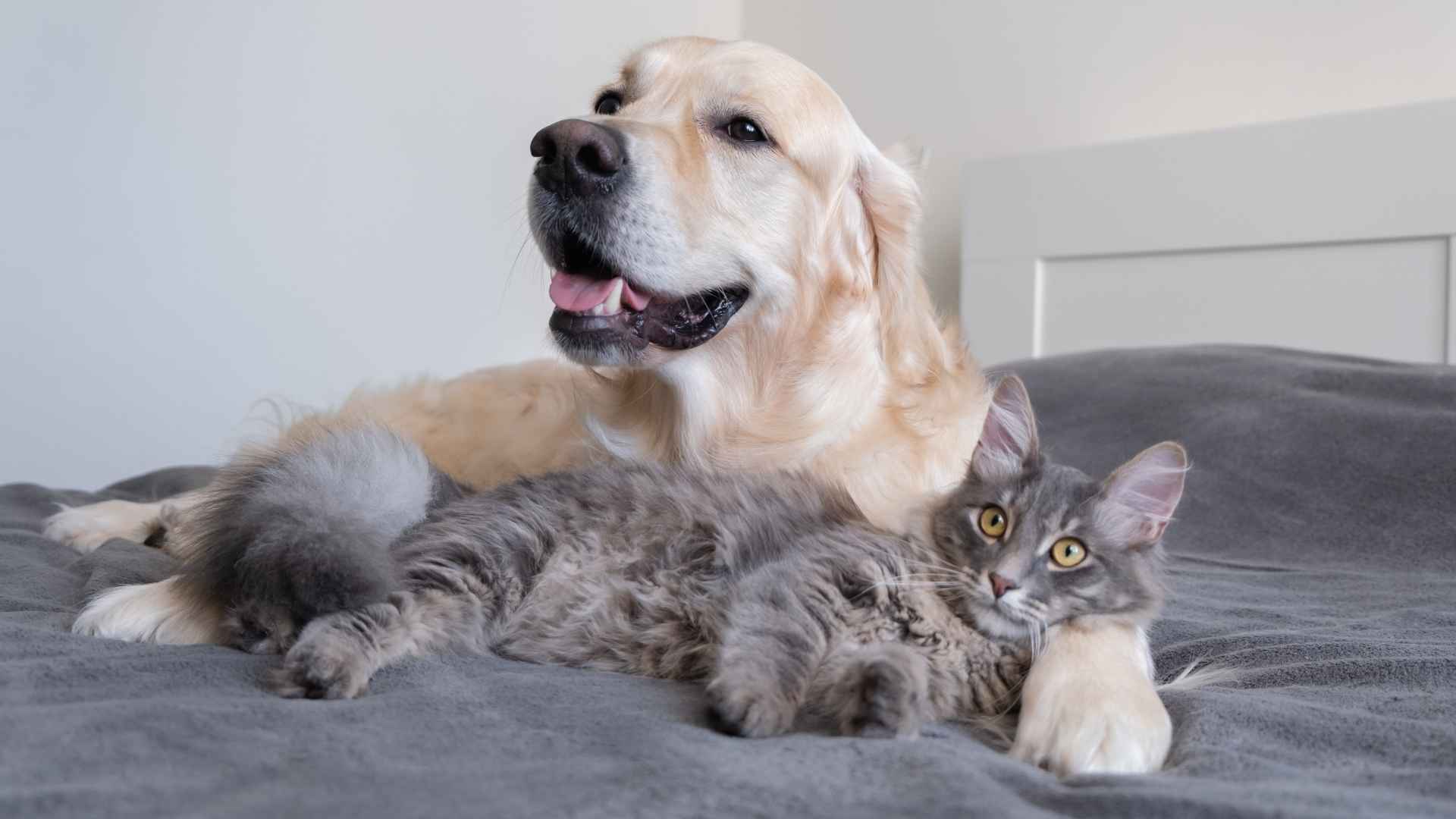
Have you ever watched your cat spend hours licking its fur and wondered if your dog does the same? You might be surprised to learn that dogs do groom themselves, but not exactly like cats do.
Understanding how your furry friend keeps clean can help you take better care of them. If you want to know the truth about dog grooming habits and what it means for your pet’s health, keep reading. This could change the way you look at your dog’s daily routine.
Grooming Habits Of Cats
Cats are well-known for their meticulous grooming habits. Unlike many other animals, they spend a significant part of their day cleaning themselves. Understanding how cats groom can give you insight into their behavior and health.
How Cats Clean Themselves
Cats use their tongues as their primary grooming tool. Their tongues are covered with tiny, hook-like structures called papillae, which help remove dirt and loose fur. You might notice your cat licking its fur repeatedly; this action spreads natural oils and keeps their coat shiny.
Besides licking, cats also use their teeth and paws during grooming. They nibble at tough spots and use their paws like little washcloths, wetting them before rubbing their face and head. This combination keeps their fur clean and smooth.
Reasons Behind Cat Grooming
Grooming is more than just staying clean for cats. It helps regulate their body temperature and prevents skin infections. Grooming also reduces stress and calms them down after stressful events.
Have you ever noticed your cat grooming more during hot weather or after a visit to the vet? These moments highlight grooming’s role in comfort and health. It’s fascinating how such a simple habit serves multiple practical functions.
Dog Grooming Behavior
Dogs have their own unique ways of keeping clean, but it’s quite different from how cats groom themselves. Understanding your dog’s grooming behavior can help you spot if they need extra care or if their habits are perfectly normal. Have you noticed your dog licking themselves and wondered if that’s enough to keep them clean?
Self-cleaning In Dogs
Dogs do groom themselves, but not as thoroughly as cats. They use their tongues to lick dirt and loose fur off their bodies. However, this licking mainly targets specific spots rather than a full-body clean.
Unlike cats, dogs don’t have the same grooming instincts or abilities. Their tongues aren’t as rough, so they can’t remove all debris or parasites efficiently by licking alone. This means they often rely on you for regular baths and brushing.
Common Grooming Actions
Besides licking, dogs use several other behaviors to keep clean. Scratching with their paws helps relieve itching or remove irritants. Rolling in grass or dirt may seem counterintuitive but can help them shed dead skin and loose fur.
- Chewing or nibbling at fur to remove tangles or discomfort
- Shaking their body to get rid of water, dirt, or loose hair
- Rubbing against objects like furniture or trees to scratch hard-to-reach areas
Have you ever noticed your dog rubbing against your couch or rolling on the floor after a walk? These actions are part of their grooming routine, even if it looks messy to you. Paying attention to these behaviors helps you understand when your dog needs a bath or grooming session.
Differences Between Cats And Dogs
Understanding how cats and dogs groom themselves reveals important differences in their behavior and care needs. While both animals clean their fur, their methods and habits vary significantly. These differences affect how you should support your pet’s grooming routine.
Grooming Frequency
Cats groom themselves several times a day. This frequent self-cleaning keeps their coat tidy and helps control body temperature. Dogs, on the other hand, groom themselves much less often.
Most dogs rely on owners for regular baths and brushing. Their natural grooming is often limited to occasional licking and nibbling. Have you noticed how your dog’s coat can get dirty quickly compared to a cat’s?
Techniques And Tools Used
Cats primarily use their tongues for grooming. Their rough tongues work like tiny brushes to remove dirt and loose fur. Dogs also lick themselves, but their tongues are smoother and less effective for thorough cleaning.
Because dogs don’t groom as effectively, they need tools like brushes and combs to maintain a healthy coat. You might find that a slicker brush or grooming glove helps remove dead hair and prevents matting. Are you providing the right grooming tools for your dog’s specific coat type?
Reasons For Behavioral Differences
Cats evolved as solitary hunters needing to stay clean and stealthy. Grooming helps reduce scent traces and keeps them agile. Dogs, evolving as pack animals, rely less on self-cleaning and more on social grooming and human care.
These behaviors influence how often and thoroughly your pet cleans itself. Understanding this can help you tailor your grooming routine to your dog’s natural habits. What grooming habits do you see in your pet, and how do they match their breed and personality?
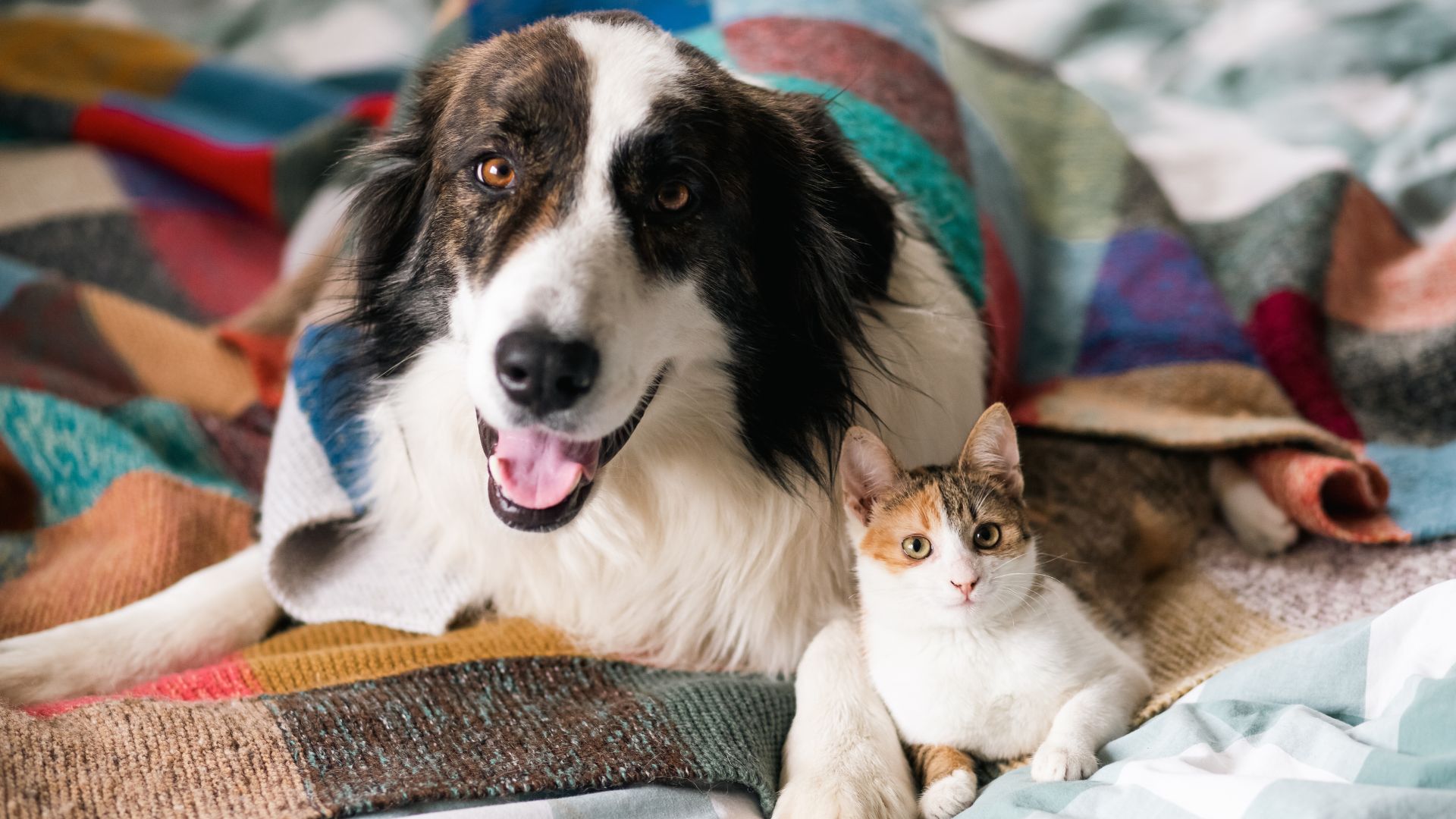
Credit: worldanimalfoundation.org
Health Impacts Of Grooming
Grooming plays a vital role in your dog’s health beyond just keeping them looking neat. It affects their skin condition, coat quality, and even emotional well-being. Understanding how grooming impacts health can help you spot issues early and provide the best care for your furry friend.
Benefits Of Regular Grooming
Regular grooming keeps your dog’s coat clean and free of dirt and debris that can cause irritation. It helps distribute natural oils, making their fur shiny and healthy.
Brushing also stimulates blood circulation, which supports skin health. Removing loose hair reduces shedding and prevents painful mats from forming.
Grooming sessions are a great opportunity to check for ticks, fleas, or unusual bumps. Catching these early can save you from costly vet visits and keep your dog comfortable.
Risks Of Poor Grooming Habits
Neglecting grooming can lead to skin infections, especially in dogs with thick or long fur. Dirt and moisture trapped under mats create a breeding ground for bacteria and fungi.
Untended nails can cause pain and affect your dog’s walking posture. Overgrown nails may even lead to joint problems over time.
Dogs that are not groomed regularly may develop unpleasant odors, which can be a sign of underlying health issues. Are you noticing any strange smells or discomfort in your pet?
Role Of Owners In Dog Grooming
Dogs, unlike cats, don’t have the same instinctual grooming habits. While cats are known for their self-cleaning prowess, dogs rely more on their human companions to help them look and feel their best. As an owner, understanding your role in your dog’s grooming routine is crucial for maintaining their health and happiness.
When To Groom Your Dog
Grooming frequency varies based on your dog’s breed, coat type, and lifestyle. Short-haired breeds may only need grooming every few weeks, while long-haired breeds often require weekly attention. Notice if your dog starts shedding excessively or develops tangles; these are clear signs that it’s time for a grooming session.
Essential Grooming Tools
Having the right tools can make grooming more effective and less stressful for both you and your dog. A basic grooming kit should include:
- Brush:Choose a brush suitable for your dog’s coat type. Slicker brushes work well for long-haired dogs, while bristle brushes are great for short coats.
- Nail Clippers:Regular nail trimming prevents discomfort and potential injuries.
- Dog Shampoo:Use a gentle, dog-specific shampoo to avoid skin irritation.
- Ear Cleaner:Regular ear cleaning prevents infections, especially in dogs with floppy ears.
Tips For Effective Grooming Sessions
Grooming should be a positive experience for your dog. Start by creating a calm environment and using treats or gentle praise to reassure them. Begin with shorter sessions to help them get accustomed to the process. Consistency and patience are key; over time, grooming will become a bonding activity you both enjoy.
Have you ever noticed how your dog reacts to grooming? Some dogs love it, while others may need a little more encouragement. Remember, your approach can turn grooming into a moment of connection and care.

Credit: www.oliverpetcare.com
Myths About Dog Self-grooming
Many pet owners wonder if dogs groom themselves the same way cats do. This question often leads to several myths and misunderstandings about how dogs maintain their cleanliness. Let’s clear up some of these common myths and see what science really says about dog self-grooming.
Common Misconceptions
One popular myth is that dogs groom themselves just like cats, using their tongues to clean every inch of their fur. While dogs do lick themselves, it’s usually focused on specific areas, such as wounds or paws, rather than full-body grooming.
Another misconception is that if a dog grooms itself frequently, it doesn’t need regular baths or brushing from you. This isn’t true. Dogs rely on their owners for thorough grooming, especially breeds with thick or long coats.
Have you noticed your dog licking its paws or belly often? Some believe this is purely a grooming habit, but it can also signal allergies, anxiety, or skin irritation. Paying attention to these behaviors can tell you more than just cleanliness.
Scientific Findings
Research shows dogs’ tongues are not designed for the same detailed grooming that cats perform. Cats have specialized tongues with tiny, hook-like structures that help remove loose fur and dirt. Dogs lack these adaptations, so their licking serves different purposes.
Studies indicate that dog licking is often a form of communication or a way to soothe themselves rather than a grooming routine. It helps dogs manage stress or bond with their owners, rather than keeping their coat spotless.
Scientists also highlight that dogs rely more on external grooming methods, such as regular brushing and bathing, to maintain healthy skin and fur. This is especially true for breeds prone to matting or skin conditions.
Thinking about your dog’s grooming needs, what changes might you make to their routine after understanding these facts? Sometimes, the best care comes from combining your efforts with your dog’s natural behaviors.
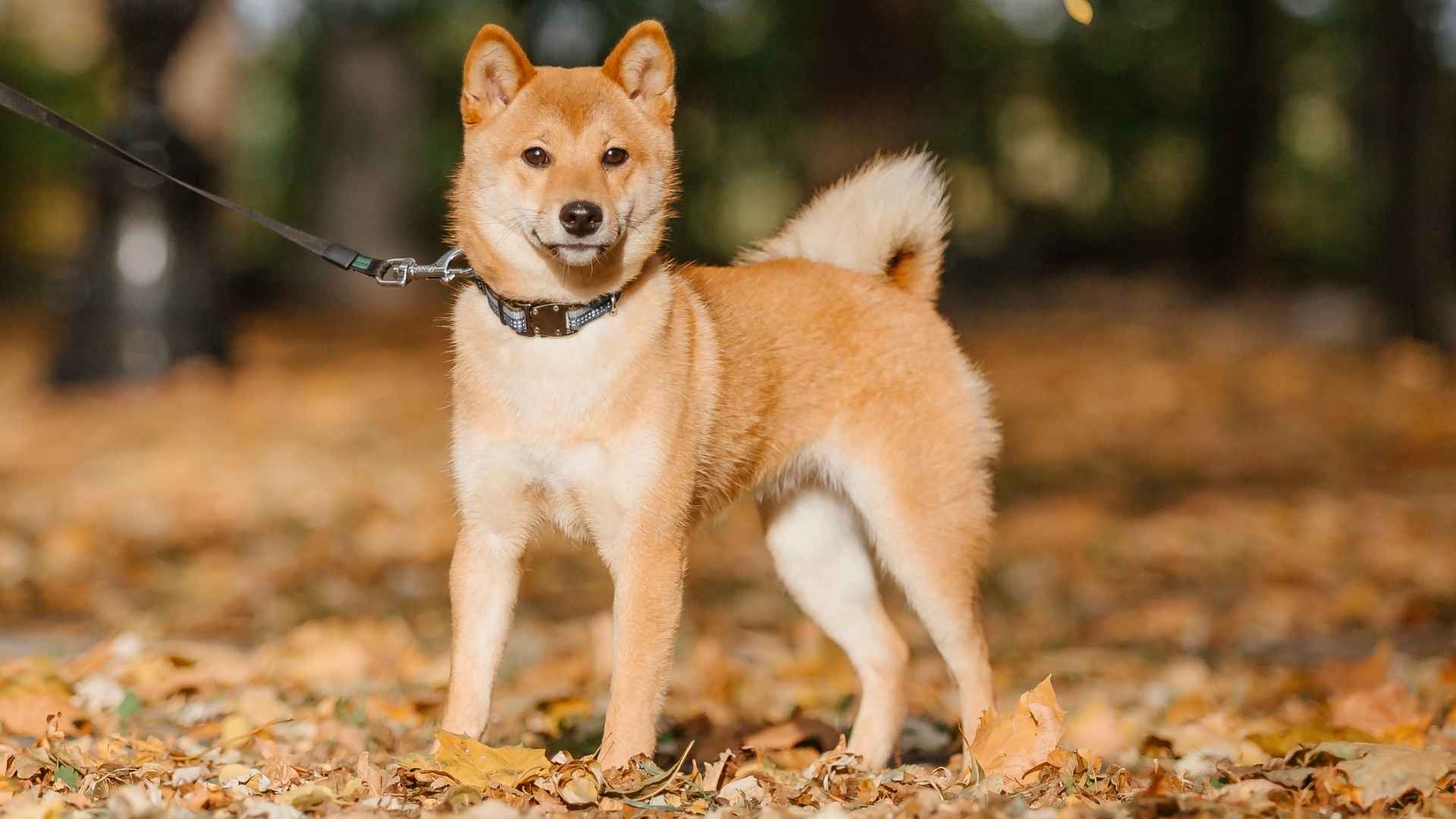
Credit: worldanimalfoundation.org
Frequently Asked Questions
Do Dogs Groom Themselves Like Cats Do?
Dogs groom themselves, but not as thoroughly as cats. Cats use licking to clean their fur and remove dirt. Dogs lick mainly to clean wounds or soothe themselves, but they rely more on owners for regular grooming like brushing and bathing.
Why Don’t Dogs Groom As Much As Cats?
Dogs have different grooming needs and behaviors than cats. Cats groom to keep clean and regulate body temperature. Dogs use other methods like shaking off dirt and rely on human grooming. Their fur types and social habits also affect how much they groom.
Can Dogs Keep Themselves Clean Without Human Help?
Dogs can clean some parts by licking, but they cannot maintain full cleanliness alone. They need regular baths, brushing, and nail care from humans. Without proper grooming, dogs can develop skin issues and mats in their fur, especially long-haired breeds.
How Often Should Dogs Be Groomed Compared To Cats?
Dogs generally need grooming less frequently than cats. Cats groom daily themselves, while dogs benefit from weekly brushing and occasional baths. The grooming frequency depends on the dog’s breed, coat type, and activity level.
Conclusion
Dogs do groom themselves, but not like cats. Cats clean with their tongue often. Dogs lick sometimes but rely on owners more. They need regular baths and brushing. Grooming helps dogs stay healthy and clean. Pay attention to your dog’s coat and skin.
Proper care keeps your pet happy and fresh. Understanding these differences helps you care better. Every pet has unique grooming needs. Keep your dog comfortable and well-groomed daily.


Leave a Reply