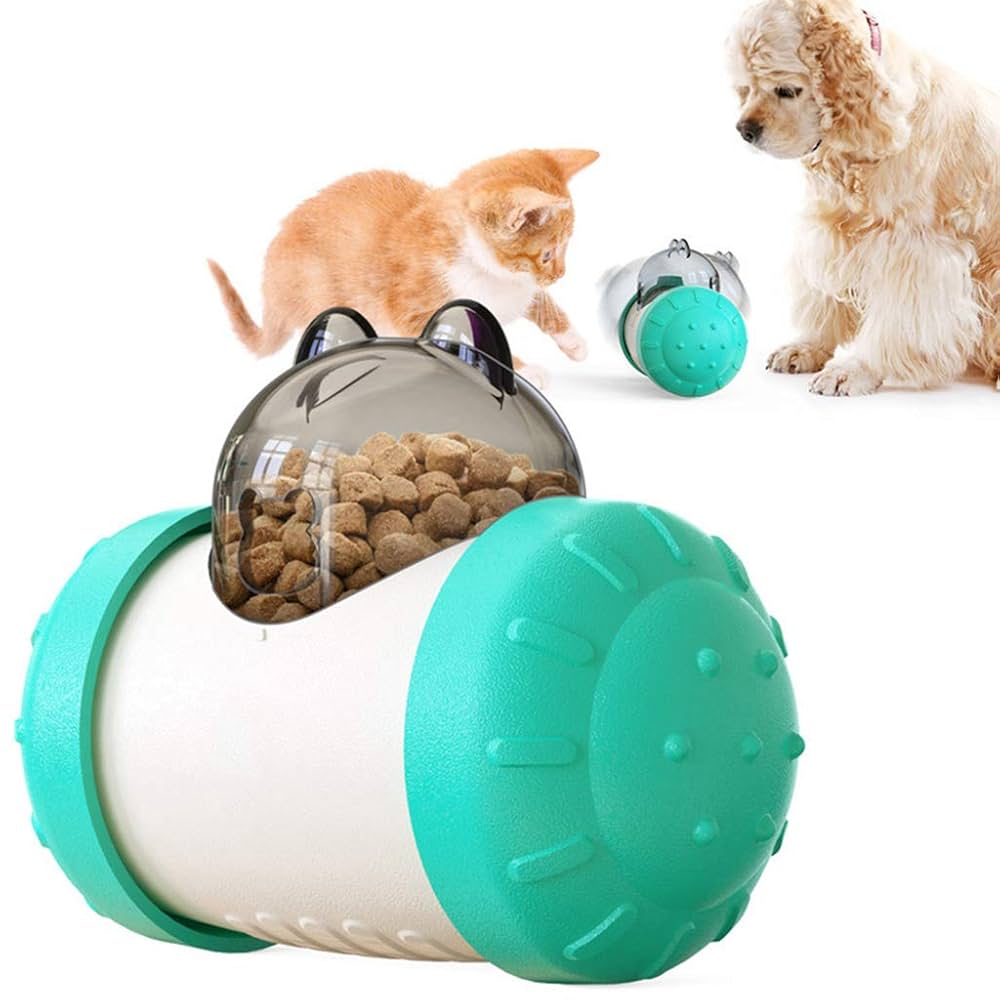
Have you ever caught your dog playing with your cat’s toys and wondered, “Do dogs actually eat cat toys?” If you’re worried about your furry friend’s safety or curious about why this happens, you’re not alone. Understanding whether cat toys are safe for dogs and what to watch out for can save you from unexpected trips to the vet.
Keep reading to discover what you need to know to keep your pets happy and healthy.
Why Dogs Are Attracted To Cat Toys
Dogs often show interest in cat toys for many reasons. Their attraction stems from senses and natural instincts. Cat toys offer unique features that catch a dog’s attention quickly.
Scent And Texture Appeal
Cat toys usually carry the scent of cats. Dogs have a strong sense of smell. This scent makes the toys intriguing. The texture also plays a big role. Many cat toys are soft, plush, or have feathers. Dogs enjoy chewing and feeling different textures with their mouths.
The smell combined with the texture makes these toys feel special. Dogs may see them as new and exciting objects to explore.
Curiosity And Play Behavior
Dogs are naturally curious animals. They explore new things by sniffing and mouthing them. Cat toys move differently than dog toys. This movement sparks a dog’s interest. The small size of cat toys also fits well in a dog’s mouth.
Playing with cat toys can mimic hunting behavior. Dogs love to chase, catch, and shake objects. Cat toys provide a fun way to satisfy these instincts. Their playful nature drives dogs to grab and chew cat toys.
Common Types Of Cat Toys Dogs Target
Dogs often find cat toys interesting. They are drawn to the textures, shapes, and movements. Some cat toys attract dogs more than others. Understanding which toys dogs target helps pet owners keep both pets safe and happy.
Soft Plush Toys
Soft plush toys look like small animals or cushions. Dogs enjoy chewing and carrying them around. The soft material feels good on their teeth. These toys can also retain scents that attract dogs.
Feather Wands And Strings
Feather wands and strings move quickly and unpredictably. Dogs chase and bite these toys due to their fast motion. The feathers’ texture excites a dog’s natural hunting instincts. Strings are easy for dogs to grab and pull.
Small Interactive Toys
Small interactive toys often contain treats or make sounds. Dogs like to paw and mouth these objects. The challenge of getting treats keeps dogs interested. Sounds can trigger a dog’s curiosity and play drive.
Health Risks Of Dogs Eating Cat Toys
Dogs chewing on cat toys may seem harmless, but it can lead to serious health issues. Cat toys are not designed with dogs in mind, and swallowing or biting these items can cause unexpected dangers. Understanding the risks can help you protect your furry friend from potential harm.
Choking Hazards
Cat toys often contain small parts like bells, feathers, or plastic pieces that easily detach. These parts can get stuck in your dog’s throat, causing choking. Have you noticed your dog coughing or pawing at their mouth after playing with a cat toy? That’s a warning sign you shouldn’t ignore.
Digestive Blockages
If your dog swallows a cat toy or parts of it, those pieces can block their digestive tract. Blockages can lead to vomiting, loss of appetite, and severe pain. In some cases, surgery might be needed to remove the obstruction. Watching your dog closely after they’ve had access to cat toys is crucial to catch problems early.
Toxic Materials In Toys
Many cat toys are made with materials that aren’t safe for dogs. Some plastics, dyes, and stuffing can be toxic if ingested. Even seemingly harmless items like wool or feathers might cause allergic reactions or irritate your dog’s stomach. Ask yourself: are the toys your dog chews on truly safe for them?

Credit: www.amazon.ca
Signs Your Dog Has Eaten A Cat Toy
Dogs may sometimes chew or swallow cat toys out of curiosity. These toys can cause trouble inside their stomach or intestines. Spotting signs early can help protect your dog’s health. Watch for changes in how your dog acts or feels after playing near cat toys.
Changes In Appetite And Behavior
Your dog might eat less or refuse food. It can seem tired or less playful than usual. Some dogs hide or avoid contact. Sudden mood shifts or restlessness can also happen. These signs show your dog feels unwell.
Vomiting And Diarrhea
Throwing up is a common sign of a blockage. Diarrhea may follow if the toy causes irritation. Watch for repeated vomiting or liquid stools. These symptoms often mean the toy is stuck or causing pain. Act quickly to prevent serious problems.
Visible Distress Or Discomfort
Your dog may whine or cry without a clear reason. Pacing or guarding the stomach can indicate pain. Look for bloating or swelling around the belly. Difficulty sitting or lying down calmly is another sign. These signals mean your dog needs help immediately.
Preventing Dogs From Eating Cat Toys
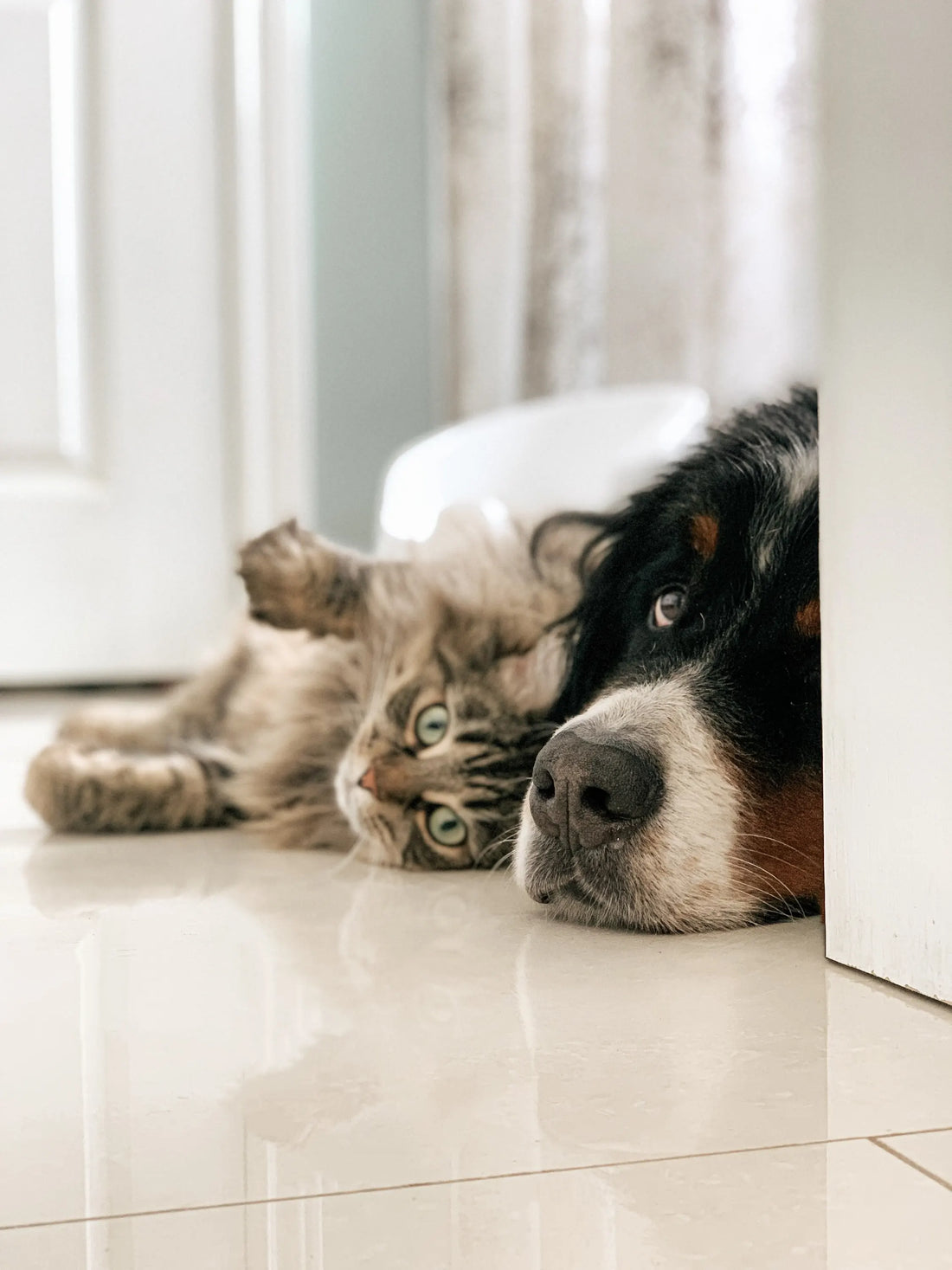
Preventing your dog from eating cat toys is essential for their safety and to keep your cat’s belongings intact. Dogs often chew on cat toys out of curiosity or boredom, but this can lead to choking hazards or digestive issues. Taking proactive steps helps maintain harmony between your pets and keeps everyone happy.
Separate Play Areas
Setting up distinct play zones for your dog and cat reduces the chances of your dog grabbing cat toys. You might create a cozy corner or a small room just for your cat’s activities. Have you noticed how your dog behaves when the cat’s toys aren’t within reach? This simple change can make a big difference.
Providing Safe Chew Alternatives
Dogs need to chew, so offering them safe and satisfying chew toys keeps their attention away from cat toys. Choose durable dog toys designed to withstand chewing and keep your dog entertained. Try rotating these toys regularly to keep your dog interested and less likely to seek out cat toys.
Supervised Playtime
Watching your pets during playtime lets you intervene before your dog picks up a cat toy. This also gives you a chance to redirect their focus to their own toys. Have you tried engaging your dog with interactive games during these moments? It can strengthen your bond and reduce unwanted chewing behavior.
Credit: shamelesspets.com
What To Do If Your Dog Eats A Cat Toy
Discovering that your dog has swallowed a cat toy can be alarming. You might wonder what immediate actions to take and when the situation becomes serious enough to require professional help. Knowing the right steps can protect your dog’s health and ease your worries.
Immediate Steps To Take
First, stay calm and assess the situation. Check what type of toy your dog ate—soft fabric toys might pass more easily than hard plastic or toys with small parts. Remove any remaining pieces or accessible toys from your dog’s reach to prevent further incidents.
Next, observe your dog closely. Watch for signs like choking, coughing, vomiting, or difficulty breathing. Encourage your dog to drink water, but avoid forcing them if they seem distressed.
When To Contact A Veterinarian
Contact your vet immediately if your dog shows any signs of distress or if the toy is large, sharp, or contains batteries. Even if your dog seems fine, call your vet if the toy has not passed within 24 hours.
Sometimes, symptoms like lethargy, loss of appetite, or abdominal pain appear later. Don’t wait for these signs to worsen—early consultation can prevent complications.
Treatment Options
Treatment depends on the toy’s size, type, and your dog’s condition. Small, soft pieces might pass naturally with close monitoring.
In some cases, your vet may recommend inducing vomiting or performing an endoscopy to remove the toy safely. Surgery is a last resort but may be necessary if the toy causes blockage or damage.
Remember, your swift action and careful observation play a crucial role in your dog’s recovery. Have you thought about how you could dog-proof your home better to avoid these scares?
Choosing Safe Toys For Multi-pet Households
Dogs often chew on cat toys, which may not be safe for them. Choosing durable, non-toxic toys helps protect all pets in the home. Select toys designed to withstand different chewing habits to keep everyone safe and happy.
Choosing Safe Toys for Multi-Pet Households In homes with both dogs and cats, sharing is common. Toys often become a shared resource. Ensuring these toys are safe for both pets is crucial. Dogs may chew on cat toys, which can lead to safety concerns. Selecting the right toys helps prevent accidents and keeps pets happy.Durable And Non-toxic Materials
Safety begins with material choice. Opt for toys made from durable, non-toxic materials. Natural rubber and sturdy fabrics are good options. These materials withstand rough play and are safe if ingested in small amounts. Avoid toys with small, detachable parts. These can be swallowed and pose choking risks.Size Considerations
Size matters in toy selection. Choose toys that are too large to swallow. This reduces choking hazards for both dogs and cats. Larger toys are harder to destroy, increasing their lifespan. Always supervise pets during play to ensure toys are used safely.Encouraging Appropriate Play
Guiding pets towards appropriate play is important. Teach dogs to play gently with cat toys. Use positive reinforcement to encourage correct behavior. Rotate toys regularly to maintain interest and reduce boredom. This keeps playtime engaging and safe for both pets.
Credit: petzyo.com.au
Frequently Asked Questions
Do Dogs Like To Eat Cat Toys?
Some dogs are curious and may chew cat toys. However, cat toys are not designed for dogs and can pose choking hazards or cause digestive issues if swallowed.
Are Cat Toys Safe For Dogs To Play With?
Cat toys are generally not safe for dogs. They may contain small parts or materials that dogs can easily swallow, leading to potential health risks.
Why Do Dogs Chew On Cat Toys?
Dogs chew on cat toys out of curiosity, boredom, or teething. They are attracted to the texture and scent but should be given dog-specific toys instead.
What Should I Do If My Dog Eats A Cat Toy?
If your dog swallows a cat toy, monitor for choking, vomiting, or discomfort. Contact your vet immediately for advice and possible treatment.
Conclusion
Dogs may chew on cat toys out of curiosity or boredom. This can cause choking or stomach issues. Keep cat toys out of your dog’s reach. Provide safe, dog-friendly toys instead. Watch your pets closely during playtime. Understanding their behavior helps keep them safe.
Happy pets mean a happy home.

Leave a Reply