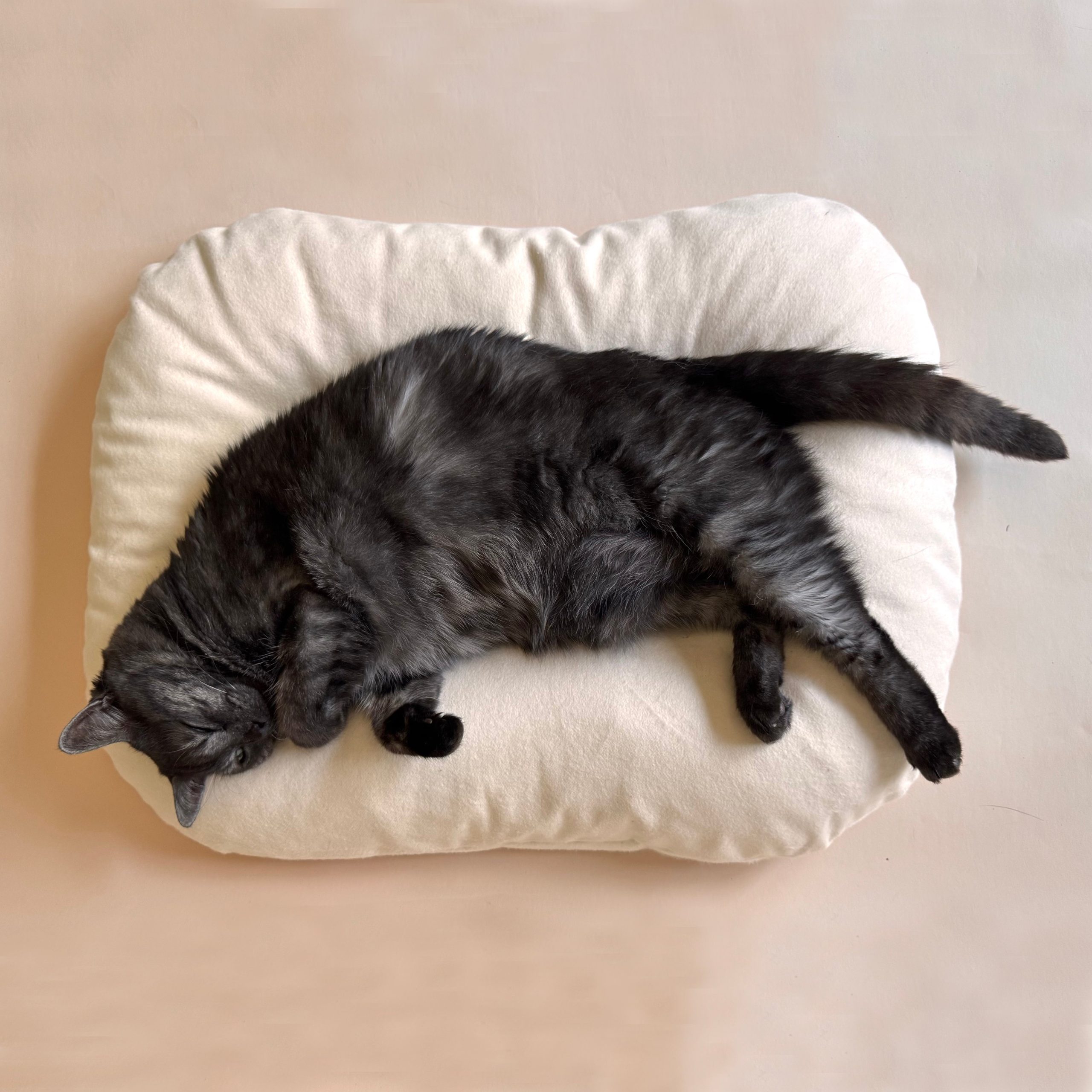
Have you ever noticed your cat suddenly curling up and drifting off right after a grooming session? It might seem like a simple routine, but there’s more happening beneath those soft paws than you realize.
If you’ve ever wondered why your furry friend often falls asleep after cleaning themselves, you’re about to discover some surprising reasons. Understanding this behavior can deepen the bond you share and help you care for your cat better. Keep reading to find out why grooming leads to those peaceful naps your cat loves so much.
Cats’ Grooming Habits
Cats spend a significant part of their day grooming themselves. This behavior is not just about keeping clean; it plays multiple roles in their well-being. Understanding your cat’s grooming habits can reveal a lot about their health and mood.
Why Cats Groom Themselves
Grooming helps cats remove dirt, loose fur, and parasites from their coats. It also regulates their body temperature and stimulates blood flow. When your cat licks itself, it’s also a way to relax and reduce stress.
Have you noticed how your cat often grooms after waking up or before a nap? This routine calms them down and prepares their body for rest. Grooming can even serve as a way to bond when cats lick each other or you.
Common Grooming Patterns
Most cats follow a specific order while grooming. They usually start with the face and head, then move to the body, legs, and tail. This pattern ensures they cover every part thoroughly.
Some cats may groom more intensely when they feel anxious or unwell. If you observe excessive licking or bald patches, it might be time to consult a vet. On the other hand, healthy grooming often looks rhythmic and relaxed.
- Short grooming sessions lasting several minutes
- Pausing to clean paws and ears
- Using their tongue to untangle fur
- Occasional grooming breaks to rest or observe surroundings
Have you ever caught your cat grooming and wondered if they feel sleepy afterward? Observing these habits closely can help you understand your pet’s behavior better and improve their daily routine.
Connection Between Grooming And Sleep
Have you ever noticed your cat curling up and dozing off right after a grooming session? There’s more to this behavior than just cleanliness. Grooming and sleep share a strong connection that helps your feline friend relax and recharge effectively.
How Grooming Affects Relaxation
Grooming triggers the release of calming chemicals in a cat’s brain, helping them unwind. The repetitive motion of licking and cleaning lowers their heart rate and reduces stress.
Think about your own experience after a warm shower or brushing your hair—it can be soothing and make you feel ready to rest. Cats experience a similar sense of calm, which often leads to sleep.
By understanding this, you can better interpret your cat’s behavior and provide a peaceful environment that encourages relaxation.
Signs Cats Are Ready To Sleep
Recognizing when your cat is ready to sleep after grooming can help you support their natural rhythm. Look for these clear signs:
- Slow blinking or half-closed eyes
- Stretching or kneading with paws
- Settling into a comfy spot, often curling up
- Reduced movement or quiet purring
Have you seen your cat perform any of these behaviors? Noticing them can help you anticipate their sleep time and avoid disturbing their rest.
Scientific Insights On Cat Behavior
Cats display fascinating behaviors that intrigue both scientists and pet lovers. Grooming is one of these behaviors, often followed by a cat nap. This sequence raises the question: why do cats fall asleep after grooming? Understanding the science behind it can shed light on this common feline habit.
Studies On Grooming And Rest
Research shows a strong link between grooming and rest in cats. Studies indicate grooming is calming for cats, much like meditation for humans. This activity triggers relaxation, leading to a state of restfulness.
Scientists have observed that cats often groom themselves after a meal. This may signal they are preparing for sleep. The repetitive motion helps reduce stress, making them feel safe and secure. The environment also plays a crucial role. Quiet and comfort encourage a cat to nap post-grooming.
Biological Reasons For Post-grooming Sleep
Grooming activates endorphins in a cat’s brain. These chemicals promote a sense of well-being and happiness. This feeling often leads to drowsiness.
The warmth produced during grooming also contributes to sleepiness. Cats maintain their body temperature through grooming, which soothes and relaxes them. This warmth can make them feel sleepy after a grooming session.
Grooming also serves as a bonding activity for cats. It helps them to mark their territory, providing a sense of security. This security encourages them to relax and fall asleep.

Credit: www.reddit.com
Observing Your Cat’s Routine
Observing your cat’s routine offers valuable clues about their habits and well-being, especially around grooming and sleep. Cats often follow patterns that reveal how they feel and what they need. Paying close attention can help you understand if your cat tends to fall asleep after grooming and why that might be.
Noticing Grooming And Sleep Cycles
Watch closely how your cat transitions from grooming to resting. Many cats clean themselves thoroughly and then quickly find a cozy spot to nap. This behavior isn’t random—it helps them relax and feel secure.
Try keeping a small journal or notes on your phone about the timing of their grooming sessions and subsequent naps. You might see your cat consistently doze off within minutes after grooming. Does your cat choose the same spot every time? This pattern can tell you a lot about their comfort level and daily rhythm.
Creating A Comfortable Environment
Your cat’s environment plays a big role in their decision to nap after grooming. Soft bedding, quiet corners, and familiar scents encourage them to settle down quickly. If your cat avoids sleeping after grooming, consider making these areas more inviting.
Think about temperature too—cats prefer warm places. Adding a small heated pad or placing their bed near a sunny window can make a big difference. Have you noticed your cat grooming but then pacing or seeming restless? It might mean their resting spot isn’t comfortable enough.
Other Factors Influencing Cat Sleep
Understanding why your cat falls asleep after grooming involves looking beyond just the grooming behavior itself. Several other factors influence a cat’s sleep patterns. These factors can help you better understand your cat’s needs and habits.
Age And Energy Levels
Young kittens and older cats have very different sleep needs. Kittens often nap a lot because they expend so much energy playing and growing. Older cats tend to sleep more as their energy levels naturally decline.
If your cat is still a playful youngster, you might notice shorter, more frequent naps. On the other hand, a senior cat might enjoy longer, deeper sleeps after grooming. Have you observed your cat’s energy shift with age?
Health And Stress Impact
Your cat’s health greatly affects how much they sleep. Illness or discomfort can make a cat rest more than usual. Stress, such as changes in environment or routine, can also disrupt sleep or cause your cat to seek extra rest.
For example, if your cat is grooming excessively and then sleeping more, it might be a sign of anxiety or skin irritation. Paying close attention to these patterns can help you spot health issues early. How often do you check your cat’s overall well-being when you notice changes in their sleep?

Credit: www.cheshireandwain.com
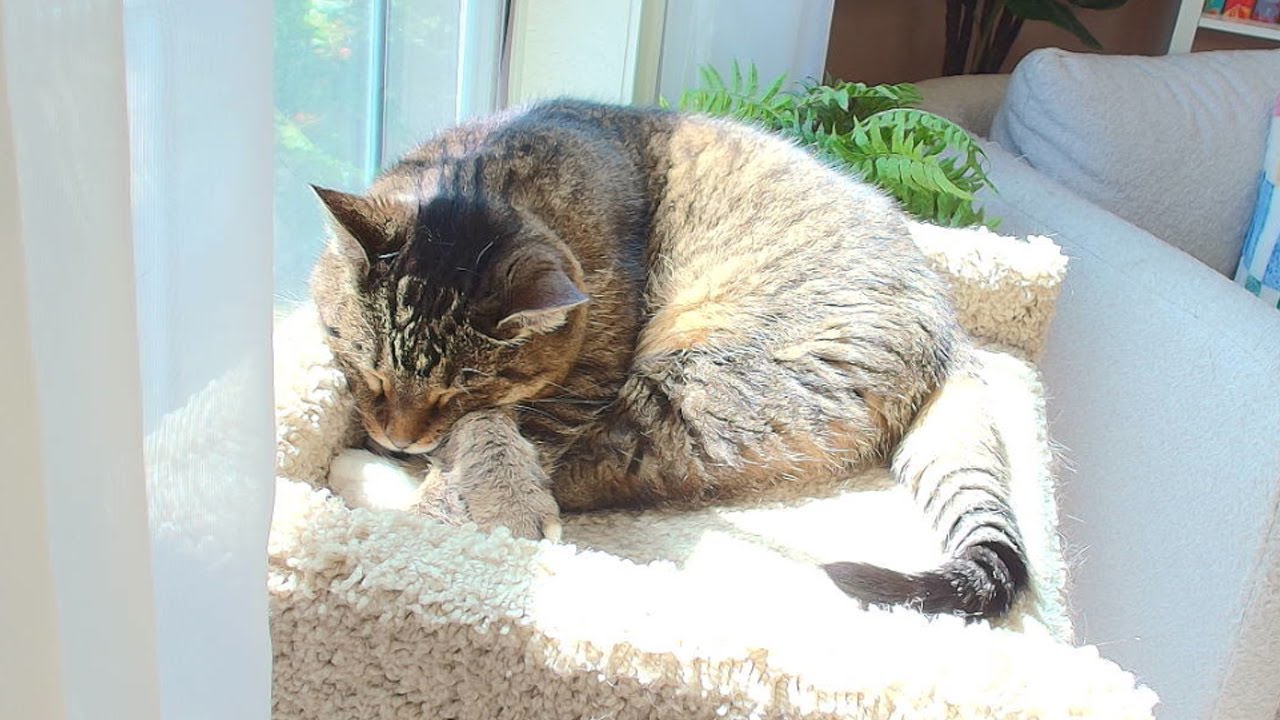
Credit: www.youtube.com
Frequently Asked Questions
Do Cats Usually Fall Asleep After Grooming?
Yes, cats often fall asleep after grooming. Grooming relaxes their muscles and calms their mind, making them sleepy. It helps them feel safe and comfortable, which encourages rest. This behavior is normal and common among healthy cats.
Why Do Cats Groom Before Sleeping?
Cats groom before sleeping to clean their fur and relax. Grooming lowers stress and prepares their body for rest. It also strengthens their scent, marking their territory and making them feel secure. This routine is natural and helps promote better sleep.
How Long Do Cats Groom Before Sleeping?
Cats typically groom for 5 to 15 minutes before sleeping. The duration depends on their mood, coat condition, and environment. Grooming time varies but generally helps them feel calm and clean. This habit supports their overall well-being and sleep quality.
Can Grooming Make Cats Tired?
Yes, grooming can make cats tired. The repetitive motions and self-care release endorphins, leading to relaxation. Grooming also regulates body temperature and reduces anxiety, which contributes to fatigue. This process helps cats prepare mentally and physically for sleep.
Conclusion
Cats often feel calm and relaxed after grooming themselves. This calmness makes them ready to rest or take a nap. Grooming helps cats clean their fur and feel safe. It also lowers stress and helps them cool down. So, seeing a cat fall asleep after grooming is normal and healthy.
It shows they feel good and comfortable. Watching this peaceful moment can be very soothing for cat owners. Cats know how to take care of themselves well. They rest when their body tells them to.

Leave a Reply