Have you ever watched a cat walk and wondered if all cats move the same way? You might be surprised to learn that some cat breeds have a unique way of walking that sets them apart.
Understanding these differences can help you appreciate your feline friend even more. You’ll discover which cat breeds have distinct walks and why they move the way they do. Keep reading to uncover fascinating facts that will change how you see your cat’s every step.
Cat Walk Basics
Understanding the basics of how cats walk helps reveal their unique movements. Cats have a natural grace that makes their walk smooth and quiet. Their walk is an important part of their behavior and health. Observing a cat’s walk can tell a lot about its mood and breed traits.
How Cats Move
Cats move with a special style called “direct registering.” This means their back paws step almost exactly where their front paws just were. This helps cats move silently and carefully.
Their bodies stay balanced and flexible. Cats use their tail to keep steady. Their muscles and joints work together for smooth steps. This movement helps cats stalk prey or explore safely.
Common Walking Patterns
- Slow and steady: Cats walk gently when calm or curious.
- Quick steps: Faster walking happens when cats feel alert or excited.
- Soft padding: Cats walk lightly to avoid making noise.
- Stretching steps: Sometimes cats stretch their legs for comfort while walking.
Most cats share these walking styles, but small differences can show between breeds. These patterns are part of what makes cats so unique and fascinating to watch.
Breed Influence On Movement
Cat breeds show distinct walking styles shaped by their bodies. Movement varies based on breed traits and anatomy. Each breed carries unique features that affect how it walks and moves.
Understanding these differences helps us appreciate the diversity in cat behavior and form. The way a cat walks can tell a lot about its breed and physical make-up.
Physical Traits Affecting Walk
Body size and leg length play key roles in walking style. Short-legged breeds like the Munchkin have a quick, short stride. Long-legged cats such as the Siamese display a graceful, flowing walk.
Tail length and shape also influence balance and movement. Cats with bushy tails often use them for extra balance. Ear placement and head shape can affect how they hold their head while walking.
Muscle Structure And Gait
Muscle tone impacts a cat’s gait and agility. Muscular breeds like the Bengal show strong, confident steps. Slender cats tend to move with light, delicate pawing.
Different muscle groups work together to create varied walking patterns. Some cats use more hind leg power, causing a bouncy walk. Others rely on front legs for smooth, steady motion.
Unique Walks In Popular Breeds
Certain cat breeds show unique walking styles due to their body shape and muscle structure. Some move with a smooth, graceful stride, while others have a more playful or cautious step. These differences make watching them walk quite fascinating.
Cats are fascinating creatures, not just for their personalities, but also for their unique walks. Each breed carries its own distinctive gait, and these differences add to the charm and allure of our feline friends. Understanding these walks can deepen your appreciation of your cat’s personality and behavior.Sphynx And Its Graceful Stride
The Sphynx cat, known for its hairless beauty, boasts a walk that is nothing short of elegant. Its graceful stride is characterized by a smooth, fluid motion, almost as if it’s gliding across the room. This breed’s lean physique and long legs contribute to its poised and gentle steps. Some owners describe watching a Sphynx walk as akin to observing a ballet dancer. It’s a treat for the eyes and a testament to the breed’s refined nature. If you have a Sphynx, you’ve likely admired this delicate dance during their explorations around the home.Maine Coon’s Powerful Steps
The Maine Coon, one of the largest domestic cat breeds, walks with power and purpose. Its robust frame gives its steps a certain weight, exuding confidence and strength. This breed’s walk isn’t just about getting from one place to another; it’s a statement of presence. Maine Coons often move with a gentle thud, a sound that can be quite comforting to their owners. Their powerful gait is balanced by a playful demeanor, often leading them to chase after toys or engage in playful antics. Have you ever noticed how your Maine Coon seems to command the room with just a few steps?Siamese Cat’s Elegant Walk
Siamese cats are renowned for their sleek, elegant appearance, and their walk is no different. Their movement is purposeful yet light, embodying a sense of sophistication. This breed’s long, slender body allows for a fluid and graceful gait. You might find your Siamese cat weaving through furniture with ease, almost like a dancer navigating a stage. It’s a pleasure to watch them move, as if each step is carefully choreographed. Do you notice how their elegant walk matches their vocal, engaging personality? Understanding the unique walks of these popular breeds can offer insights into their behavior and enhance your bond with them. Which of these feline walks have you observed in your own home?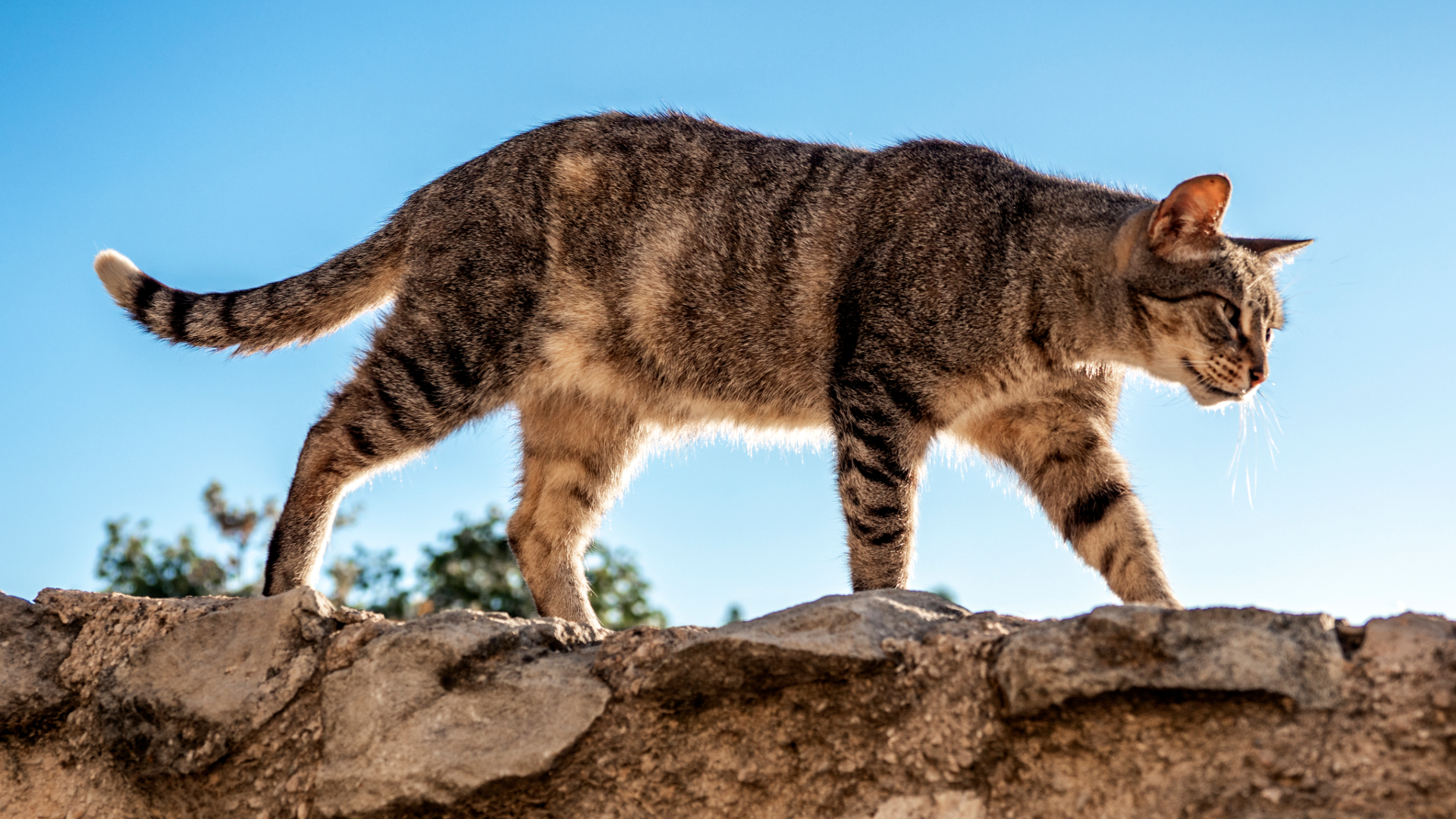
Credit: www.petsradar.com
Role Of Genetics And Environment
Cat breeds show unique walking styles shaped by genetics and environment. These two factors work together to create distinct movement patterns. Genetics set the foundation, while the environment shapes how cats walk daily. Understanding both helps explain why some breeds move differently.
Inherited Movement Patterns
Genes pass down traits that affect a cat’s walk. Body shape, muscle structure, and leg length influence how a cat moves. For example, Siamese cats have slender bodies and long legs. This causes them to walk with a graceful, light step. On the other hand, Maine Coons are large and sturdy. Their walk is slower and more deliberate.
Some breeds inherit unique gaits. The Egyptian Mau’s quick, agile steps come from its wild ancestors. Genetics control muscle coordination and balance, shaping each breed’s typical motion.
Impact Of Lifestyle On Walking
The environment also changes a cat’s walking style. Indoor cats walk differently than outdoor cats. Outdoor cats often move cautiously on rough surfaces. Indoor cats may walk with less caution on smooth floors.
Exercise and activity affect muscle strength. Active cats develop stronger muscles for better movement. Cats that rest more might walk slower or less confidently.
Health and age also play roles. Older cats may develop slower, stiffer walks. Injuries or conditions like arthritis change walking habits too.
Identifying A Cat’s Walk
Identifying a cat’s walk reveals much about its breed and personality. Each cat moves with unique grace and style. Observing these differences helps understand their physical traits and behavior.
Signs Of Different Walking Styles
- Stride length: Some cats take longer steps than others.
- Leg movement: The way legs lift and place can vary.
- Body posture: Some walk with a low, sneaky stance.
- Tail position: The tail may sway, stand straight, or droop.
- Paw placement: Cats may walk on toes or flat paws.
Observing Your Cat’s Gait
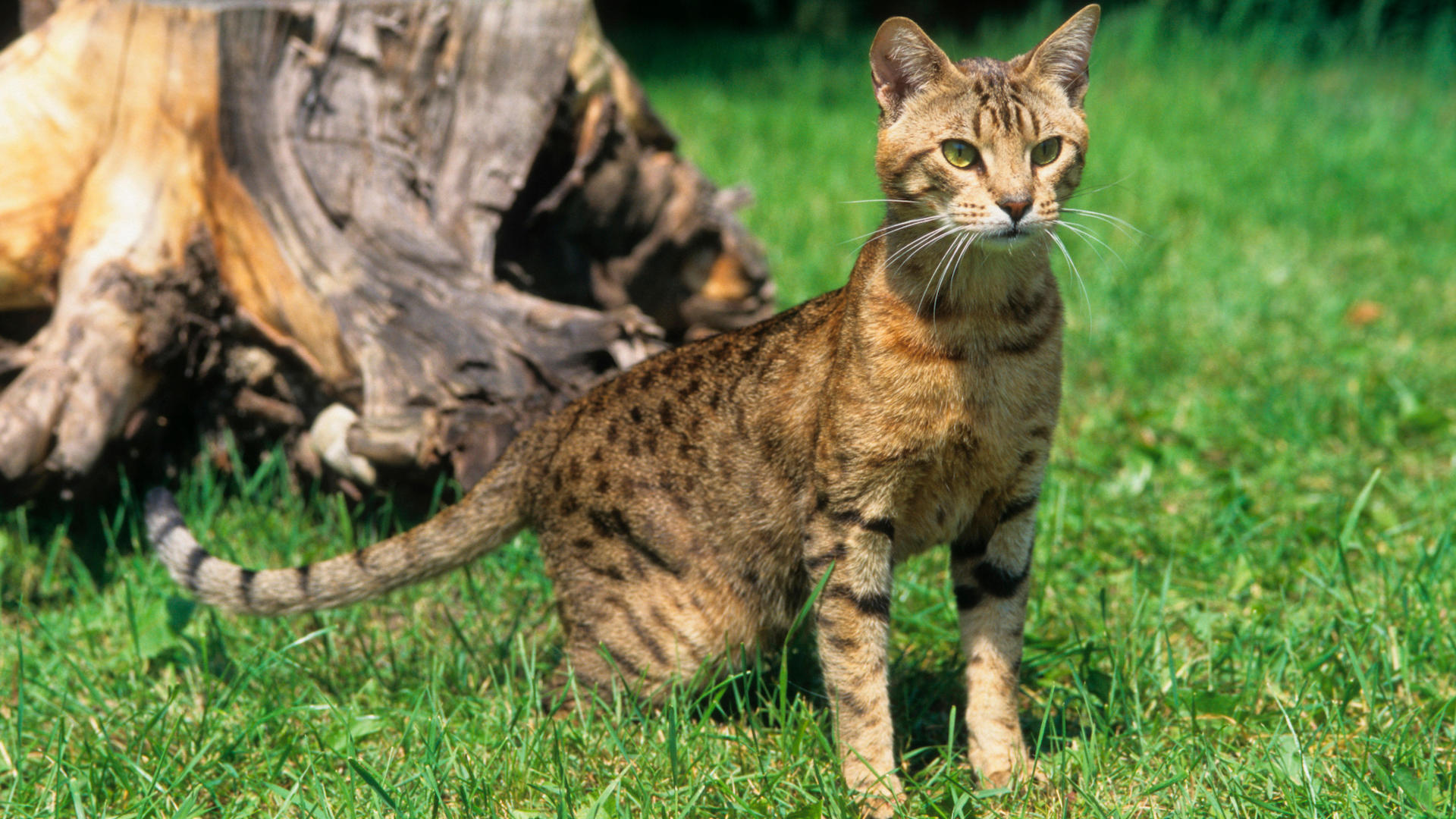
Watch your cat move slowly in a quiet space. Notice how it places its paws on the ground. Check if the walk is smooth or bouncy. Observe the rhythm and speed of each step. These details reveal the natural walking style of your cat.
Credit: www.petsradar.com
Health And Walking Variations
Every cat has a unique way of moving, but variations in their walk can sometimes signal health concerns. Understanding these differences can help you spot when your cat’s gait is normal or when it might be a warning sign. Paying close attention to how your feline friend walks can make a big difference in catching potential problems early.
When Walk Differences Indicate Issues
If you notice your cat limping, dragging a paw, or favoring one leg, it might mean there’s an injury or pain involved. Sudden changes in walking patterns are often a sign that your cat needs a vet check-up. Don’t ignore subtle signs like stiffness or reluctance to jump—these can point to joint or muscle problems.
Watch for uneven steps or a wobble in your cat’s walk, especially if it lasts more than a day or two. Sometimes, underlying conditions like arthritis or nerve damage cause these changes. Have you ever seen your cat hesitate before stepping down from a sofa? That hesitation can be a clue worth noting.
Common Movement Disorders
Several health issues can affect how a cat walks. Here are some common ones:
- Arthritis:Causes stiffness and difficulty moving, often seen in older cats.
- Neurological Disorders:Can lead to uncoordinated movements or a wobbly gait.
- Injuries:Sprains, fractures, or cuts can cause limping or avoidance of putting weight on a limb.
- Hip Dysplasia:A genetic condition that affects the hip joint, leading to a noticeable limp.
Knowing these disorders helps you recognize when your cat’s walk is more than just a quirky habit. Have you noticed any of these signs in your cat’s daily movements? Early detection can improve their comfort and quality of life significantly.
Tips To Encourage Healthy Walking
Encouraging healthy walking in cats helps maintain their overall well-being. A good walk supports strong muscles and joints. It also boosts their mood and energy. Simple steps can make walking easier and more enjoyable for your cat.
Exercise And Play
Regular play keeps cats active and agile. Use toys like feathers, balls, or laser pointers. Short, frequent play sessions work best. Encourage your cat to chase and pounce. This builds strength and improves coordination. Safe outdoor walks with a harness can add variety. Always watch your cat closely during playtime to avoid injuries.
Proper Nutrition
Good food fuels your cat’s muscles and joints. Provide a balanced diet rich in protein and essential nutrients. Avoid overfeeding to prevent extra weight. Excess weight strains their legs and slows movement. Fresh water is important to keep them hydrated. Consult a vet for diet advice tailored to your cat’s needs.

Credit: www.petscare.com
Frequently Asked Questions
Do Different Cat Breeds Walk Uniquely?
Yes, some cat breeds have distinct walking styles. For example, the Siamese cat often has a graceful, almost ballet-like walk. Breed-specific body structure influences their gait and movement patterns, making each breed’s walk slightly unique.
How Does Body Type Affect A Cat’s Walk?
A cat’s body type directly impacts its walk. Muscular, long-legged cats tend to walk with more stride and elegance. Short-legged breeds like the Munchkin have a shorter, quicker step, influencing their overall walking style.
Can A Cat’s Walk Indicate Health Issues?
Yes, changes in a cat’s walk can signal health problems. Limping, stiffness, or unusual gait may indicate injury or arthritis. Observing your cat’s walk can help detect early signs of discomfort or illness.
Do Indoor And Outdoor Cats Walk Differently?
Indoor cats often have a more relaxed and slower walk due to limited space. Outdoor cats tend to walk with more alertness and confidence, adapting their gait to varied terrain and potential threats.
Conclusion
Different cat breeds often have unique walking styles. These differences come from their body shape, size, and muscle build. Some cats walk with grace, while others have a bouncy step. Watching how cats move can tell us a lot about their breed.
It also helps us understand their health and mood. Next time you see a cat walking, notice its style. It might surprise you how much you can learn just from a simple walk. Each cat’s walk tells a small story about who they are.


Leave a Reply