Have you ever wondered if you can potty train a cat? It sounds almost too good to be true.
Imagine not having to scoop litter boxes or worry about your cat making a mess. If you want a cleaner home and a happier pet, this idea might just change everything. Keep reading, because you’re about to discover how potty training your cat could be easier than you think—and why it could make life better for both of you.
Credit: www.amazon.com
Why Potty Train A Cat
Potty training a cat might sound unusual, but many cat owners consider it for practical reasons. Teaching your feline friend to use the toilet instead of a litter box can change your daily routine. Understanding why you might want to potty train your cat helps you decide if it’s the right choice for you and your pet.
Benefits Of Toilet Training
One major benefit is saving money. You no longer need to buy litter, which can add up quickly. This also means less frequent cleaning and no more litter tracking around your home.
Toilet training can improve hygiene. It reduces odors and mess caused by litter boxes. If you have limited space, a toilet-trained cat frees up room that a litter box would take.
Many cat owners find it convenient, especially during travel or busy days. You won’t have to worry about changing or transporting litter. It’s also environmentally friendly by cutting down on litter waste.
Common Challenges
Not every cat takes to toilet training easily. Some may resist change due to fear or confusion. Patience and consistency are crucial when introducing your cat to the toilet.
There’s also the risk of accidents, especially in the early stages. Cats may fall into the toilet or avoid it altogether. You need to supervise and help them feel safe during the transition.
Another challenge is that older cats might find the process stressful. Younger cats usually adapt quicker, but every cat is different. You must consider your cat’s personality before starting toilet training.
When To Start Training
Starting potty training for a cat requires good timing. Cats need to be mature enough to understand and follow training steps. Training too early can cause stress, while waiting too long might make habits harder to change.
Watch your cat closely to find the right moment. Patience helps make training smooth and successful. Knowing when to start sets the foundation for positive results.
Ideal Age For Training
Most cats are ready to begin potty training between 3 to 6 months old. At this age, they have better control over their muscles. They also start to learn from their environment.
Young kittens under 3 months may not have enough control yet. Older cats can learn too, but it might take longer and need more patience. Starting during the kitten stage usually works best.
Signs Your Cat Is Ready
- Your cat uses the litter box consistently.
- Shows curiosity about the toilet or water areas.
- Can balance well and jump onto the toilet seat.
- Responds to simple commands or training cues.
- Is calm and not easily stressed by changes.
These signs show your cat can handle potty training tasks. Noticing these helps avoid frustration for both of you. Training at the right time makes learning faster and easier.
Essential Supplies
Potty training a cat requires a few key supplies to make the process smooth and effective. Having the right tools helps your cat learn faster and keeps your bathroom clean. These supplies support your cat’s comfort and safety during training.
Choosing the right supplies also makes the experience less stressful for both you and your cat. Prepare everything before starting to avoid interruptions or delays.
Choosing A Training Kit
Training kits are specially designed to help cats use the toilet. They usually include:
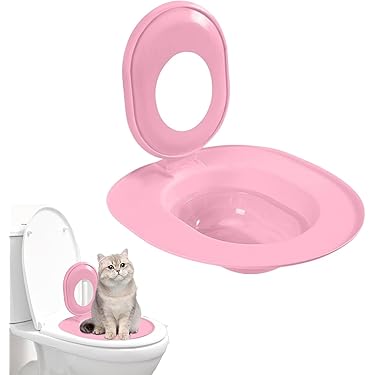
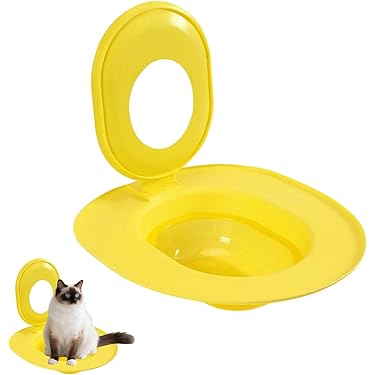
- A seat insert that fits over your toilet bowl
- Removable trays for gradual training
- Step-by-step instructions
Pick a kit made of durable, easy-to-clean materials. Look for kits with adjustable trays to fit your cat’s progress.
Alternative Tools
Not every cat needs a full training kit. Some cats do well with simple tools such as:
- Plastic containers that fit inside the toilet bowl
- Small litter boxes placed on the toilet seat
- Non-slip mats for better footing
These tools can help you start training gently. Choose items that are safe and stable for your cat.
Step-by-step Training Process
The idea of potty training a cat might seem like a daunting task, but with a structured approach, it can be achieved. This step-by-step training process provides a clear pathway to transition your feline friend from litter box to toilet. The key is patience and consistency, ensuring that your cat feels comfortable every step of the way.
Introducing The Toilet
Start by moving your cat’s litter box close to the toilet. This helps them familiarize themselves with the new location. Gradually raise the box using stacks of newspapers or cardboard, inching closer to the toilet seat level.
Once the litter box is at the same height as the toilet, place it on the toilet seat. This step ensures your cat gets used to jumping onto the toilet for their bathroom needs.
Gradual Transition Techniques
Replace the traditional litter box with a training seat that fits over the toilet. This tool mimics a litter box but is designed to fit inside the toilet bowl.
Gradually reduce the amount of litter used. Over time, decrease it to a thin layer, encouraging your cat to balance and use the toilet seat.
Swap the training seat for a smaller one with a hole in the center. This encourages your cat to aim into the toilet while still having a familiar surface to stand on.
Handling Accidents
Accidents are part of the learning process. If your cat makes a mistake, clean it up promptly to remove any lingering odors that might confuse them.
Acknowledge your cat’s progress. Reward them with treats and affection when they use the toilet correctly.
Reflect on potential stress factors. Consider if changes in the household are affecting your cat’s comfort with their new routine.
Remember, each cat is unique. Some may adapt quickly, while others might need more time. How will your cat respond to this new challenge?
Tips For Faster Success
Potty training a cat takes time and effort. Some cats learn quicker than others. Following simple tips can help speed up the process. These tips focus on encouraging good habits and keeping training consistent. Patience plays a big role too.
Positive Reinforcement
Reward your cat for using the potty correctly. Use treats, praise, or gentle petting. Cats respond well to positive attention. Avoid punishment, as it can cause fear or stress. Make training a happy experience for your cat. Celebrate small wins to keep motivation high.
Consistency And Patience
Stick to the same routine every day. Use the potty at the same times, like after meals or naps. Keep the potty area clean and easy to access. Be patient; some cats take weeks to adjust. Avoid sudden changes to the training setup. Consistency builds trust and helps your cat learn faster.
Common Mistakes To Avoid
Potty training a cat can be tricky. Avoiding common mistakes helps make the process smoother. Patience and careful observation are key. Understanding what not to do saves time and stress. Here are two major mistakes to avoid during training.
Forcing The Cat
Forcing a cat to use the toilet causes fear and resistance. Cats need to feel safe and comfortable. Pushing too hard can make them avoid the toilet altogether. Let the cat explore at its own pace. Gentle encouragement works better than pressure. Remember, training takes time and calmness.
Ignoring Behavior Signals
Ignoring your cat’s signals can lead to accidents. Cats show signs before they need to go. Scratching, sniffing, or pacing near the toilet area are clues. Responding quickly helps the cat learn faster. Watch closely and guide them patiently. Missing these signals delays progress and causes frustration.
Alternative Options To Toilet Training
If toilet training a cat seems daunting or just not a perfect fit for your furry friend, there are other ways to keep their bathroom habits tidy and manageable. Cats naturally prefer clean, private spots for their business, so working with their instincts often leads to better results than trying to force an unnatural routine.
Consider these alternative options that can make life easier for both you and your cat, while keeping your home fresh and odor-free.
Litter Box Training Enhancements
Improving your cat’s litter box setup can significantly reduce accidents and increase comfort for your pet.
- Choose the right litter:Cats can be picky about texture and scent. Unscented, clumping litter often works best.
- Keep it clean:Scoop daily and change the litter regularly to avoid unpleasant smells and discourage your cat from avoiding the box.
- Location matters:Place the box in a quiet, accessible area away from heavy foot traffic.
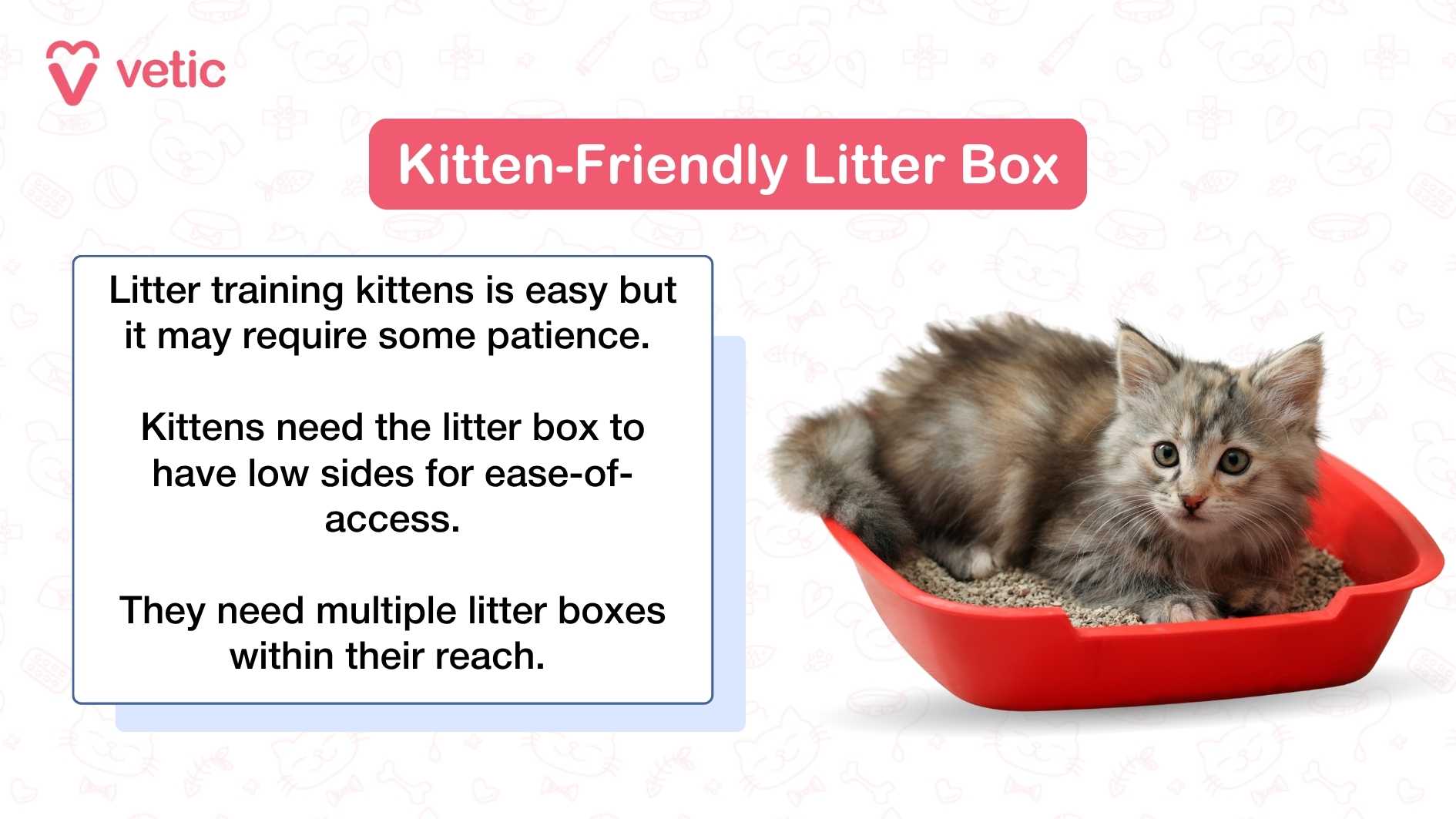
- Size and type:Larger boxes with low sides can help older or larger cats feel more comfortable.
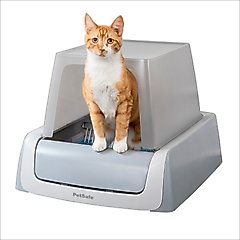
One cat owner I know switched from a covered box to an open one and noticed their cat started using it consistently again. Sometimes small changes make a big difference. What changes can you make today to improve your cat’s litter experience?
Outdoor Training Possibilities
If you have safe outdoor space, some cats adapt well to going outside for their bathroom needs. This option requires patience and supervision to ensure your cat stays safe.
- Designate a spot:Choose a quiet, private corner in your yard where your cat can dig and relieve itself.
- Use natural attractants:Some owners place a small box with soil or sand in that spot to encourage use.
- Supervise initially:Stay outside with your cat to guide them to the area and praise them when they use it.
- Consider weather and safety:Protect your cat from predators and harsh weather conditions.
Outdoor training isn’t for every cat, but it can be a natural fit for those who enjoy exploring outside. Have you ever thought about giving your cat the option of outdoor bathroom breaks? It might be worth trying if your environment allows.
Credit: www.chewy.com
Health And Safety Considerations
Potty training a cat might seem like a clever way to simplify litter box maintenance, but it comes with important health and safety considerations. Your cat’s well-being depends on how carefully you approach this process.
Potential Risks
Training a cat to use the toilet can lead to health issues if not managed carefully. Cats may hold their urine too long, causing urinary tract infections or bladder problems. Unlike humans, cats don’t naturally associate the toilet with elimination, which can cause stress or confusion.
There’s also a risk of falls or injuries, especially for kittens or older cats who aren’t steady on the toilet seat. You might notice some cats developing anxiety around the bathroom if they feel unsafe or pressured.
- Urinary tract infections from holding urine too long
- Risk of falls and injuries
- Increased stress and anxiety around the bathroom
Monitoring Cat’s Well-being
Pay close attention to changes in your cat’s behavior during the training. Watch for signs like frequent attempts to urinate, vocalizing in discomfort, or accidents outside the toilet. These could signal health problems or stress.
Regular vet check-ups are essential to catch any urinary or digestive issues early. Keep an eye on your cat’s appetite and energy levels as well, since stress can affect these too. Adjust your training pace based on your cat’s comfort; rushing can do more harm than good.
Have you noticed your cat avoiding the litter box during potty training? That’s a red flag worth investigating. Your cat’s health should always come before convenience.
Credit: www.amazon.com
Frequently Asked Questions
Can Cats Be Potty Trained Like Dogs?
Yes, cats can be potty trained using patience and consistency. It requires gradual steps and positive reinforcement to succeed.
How Long Does It Take To Potty Train A Cat?
Potty training a cat typically takes several weeks. It depends on the cat’s age, temperament, and training method.
What Are Common Methods To Potty Train Cats?
Common methods include using a litter box, gradual toilet training, and clicker training with rewards.
Is Toilet Training Safe For Cats?
Toilet training is generally safe but requires caution. Some cats may resist or develop behavioral issues.
Conclusion
Potty training a cat takes patience and time. Not all cats will learn easily. Some cats prefer the litter box and feel safe there. Training can reduce mess and save money on litter. Use positive rewards and stay consistent with your efforts.
Watch your cat’s behavior and adjust your methods. Remember, every cat is different and learns at its own pace. Success depends on your patience and your cat’s comfort. Potty training is possible but requires gentle care and understanding. Keep trying, and you may see good results soon.



Leave a Reply