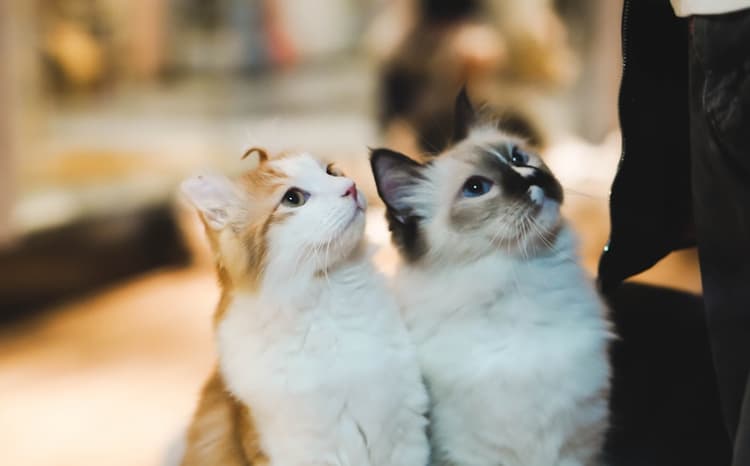
Have you ever wondered what goes through your cat’s mind when you pet them? Do they see your gentle strokes as a loving gesture, or do they think you’re grooming them like they groom themselves?
Understanding how your furry friend perceives your touch can change the way you bond and communicate. Keep reading to discover surprising insights that will deepen your connection with your cat and make every petting session even more meaningful.

Credit: icatcare.org
Cat Grooming Habits
Understanding your cat’s grooming habits can change the way you interact with them. Cats spend a significant portion of their day grooming themselves, and this behavior is more than just keeping clean. It’s a vital part of their daily routine that affects their health, comfort, and social life.
Why Cats Groom Themselves
Cats groom themselves to remove dirt, loose fur, and parasites. This keeps their coat clean and helps regulate body temperature. Grooming also spreads natural oils across their fur, making it soft and water-resistant.
Have you noticed how your cat licks its fur in small, focused areas? This careful grooming prevents matting and keeps their skin healthy. Sometimes, grooming even helps cats calm down when they feel stressed or anxious.
Social Grooming Among Cats
Social grooming, or allogrooming, is a common behavior among cats that share a close bond. They lick each other’s heads, necks, and backs to strengthen their social connection. This behavior can be a sign of trust and friendship.
When your cat licks or nuzzles you, it might be trying to groom you as part of its social group. Have you ever wondered if your cat sees petting as a form of grooming? This perspective can help you understand why your cat often pushes into your hand or purrs loudly during petting sessions.
Petting And Grooming Similarities
Petting and grooming share many similarities that cats recognize. Both involve touch, attention, and care. Cats often interpret petting as a form of social grooming, which is important for bonding. Understanding these similarities helps explain why cats enjoy being petted and how they respond to it.
Physical Actions That Resemble Grooming
Petting mimics some grooming movements cats use on themselves or others. Gentle strokes along the fur imitate licking and nibbling. Slow, rhythmic touches resemble the way cats clean each other. These actions comfort cats and make them feel safe.
- Soft strokes along the back and head
- Light rubbing behind the ears
- Gentle scratching under the chin
- Slow, repetitive hand movements
These actions activate a cat’s grooming instincts. They often relax and purr during petting. The sense of touch triggers positive feelings similar to grooming.
Cats’ Reactions To Petting
Cats often respond to petting like they do to grooming from other cats. They may purr, knead, or nuzzle your hand. Some cats close their eyes and lean into your touch. These behaviors show trust and enjoyment.
- Purring as a sign of contentment
- Slow blinking, meaning relaxation
- Head butting to invite more petting
- Grooming you back by licking your hand
When cats react this way, they see petting as a bonding activity. It strengthens your relationship and makes them feel loved.
Scientific Insights
Understanding whether cats think you’re grooming them when you pet them requires looking at scientific research and expert insights. These studies help reveal how cats interpret touch and social bonding with humans. They also challenge some common assumptions about cat behavior, offering you a clearer picture of your feline friend’s mind.
Studies On Cat Behavior
Researchers have observed that cats often groom each other to strengthen social bonds. When you pet your cat, some studies suggest they may perceive this as a similar social gesture. For example, a study published in Animal Cognitionnoted that cats who received gentle petting showed decreased stress levels, similar to what happens during mutual grooming.
Scientists have also recorded cats’ body language during petting sessions. You might notice your cat leaning into your hand or purring, which indicates comfort and acceptance. But some cats may stiffen or pull away, signaling that they don’t equate petting with grooming or social bonding.
Expert Opinions On Petting Perception
Animal behaviorists emphasize that cats interpret petting differently based on their early experiences and personality. Dr. John Bradshaw, a renowned cat behavior expert, points out that while some cats see petting as grooming, others view it simply as a pleasant tactile sensation.
Experts also highlight that the location of petting matters. Cats usually prefer being stroked on the head and neck, areas they can easily groom themselves or get groomed by other cats. This preference might explain why petting these spots feels familiar and comforting to them.
Have you noticed your cat’s favorite petting spots? Paying attention to their responses can guide you in making petting a positive experience that aligns with their natural behaviors.
Communication Through Touch
Touch is a powerful way cats communicate with you. Through gentle strokes and petting, they share feelings and messages beyond words. Understanding this can deepen your bond and improve your interactions with your feline friend.
How Cats Use Grooming To Bond
Cats groom each other to build trust and friendship. This behavior, called allogrooming, helps them feel safe and connected. When your cat licks or nibbles you, it’s a sign they see you as part of their family.
Think about the last time your cat cleaned your hand or face. That’s not just a random act—it’s their way of saying they care. This behavior reduces stress and creates a calm, loving environment for both of you.
Petting As A Form Of Social Interaction
Petting mimics the grooming rituals cats share with each other. When you stroke your cat, they often respond with purring, kneading, or leaning into your hand. These reactions show they feel comforted and accepted.
Have you noticed how some cats prefer certain spots to be petted? The areas behind the ears or under the chin are common favorites because they’re hard for cats to reach themselves. Paying attention to these preferences can make your petting sessions more enjoyable and meaningful.
Next time you pet your cat, watch their body language closely. Are they relaxed or tense? This can tell you a lot about how they perceive your touch. Could your petting be their way of feeling groomed and loved?
Factors Influencing Cat Responses
Cats often perceive petting as grooming, which strengthens their bond with humans. The sensation mimics the familiar grooming they experience from other cats. This shared activity can evoke feelings of comfort and trust, enhancing their connection with their owners.
Understanding how cats perceive our actions, especially when we pet them, can be a delightful yet complex puzzle. Cats are unique creatures, and their responses can vary significantly based on multiple factors. Let’s delve into these intriguing variables that might influence how your feline friend responds to your affectionate gestures.Individual Cat Personalities
Just like people, cats have distinct personalities. Some cats might revel in long petting sessions, purring contentedly, while others might prefer short, gentle strokes. A friend once shared her experience with two cats in her household. One cat loved belly rubs, while the other would only tolerate a chin scratch. This highlights how understanding your cat’s individual preferences can lead to more harmonious interactions.Context And Environment Effects
The setting and circumstances can greatly affect a cat’s reaction to being petted. A calm, quiet environment might make your cat more receptive to affection, whereas a noisy or stressful setting might lead them to retreat. Imagine sitting in a peaceful room with your cat gently purring by your side. Contrast this with trying to pet them during a loud party. The difference in their response can be stark. Does your cat have a favorite spot where they like to be petted? Observing their reactions in different environments can offer clues about their comfort zones. Knowing when and where your cat is most at ease can enhance your bond and make petting a mutually enjoyable experience. By paying attention to these factors, you can better understand and respect your cat’s unique preferences, leading to more fulfilling and affectionate interactions.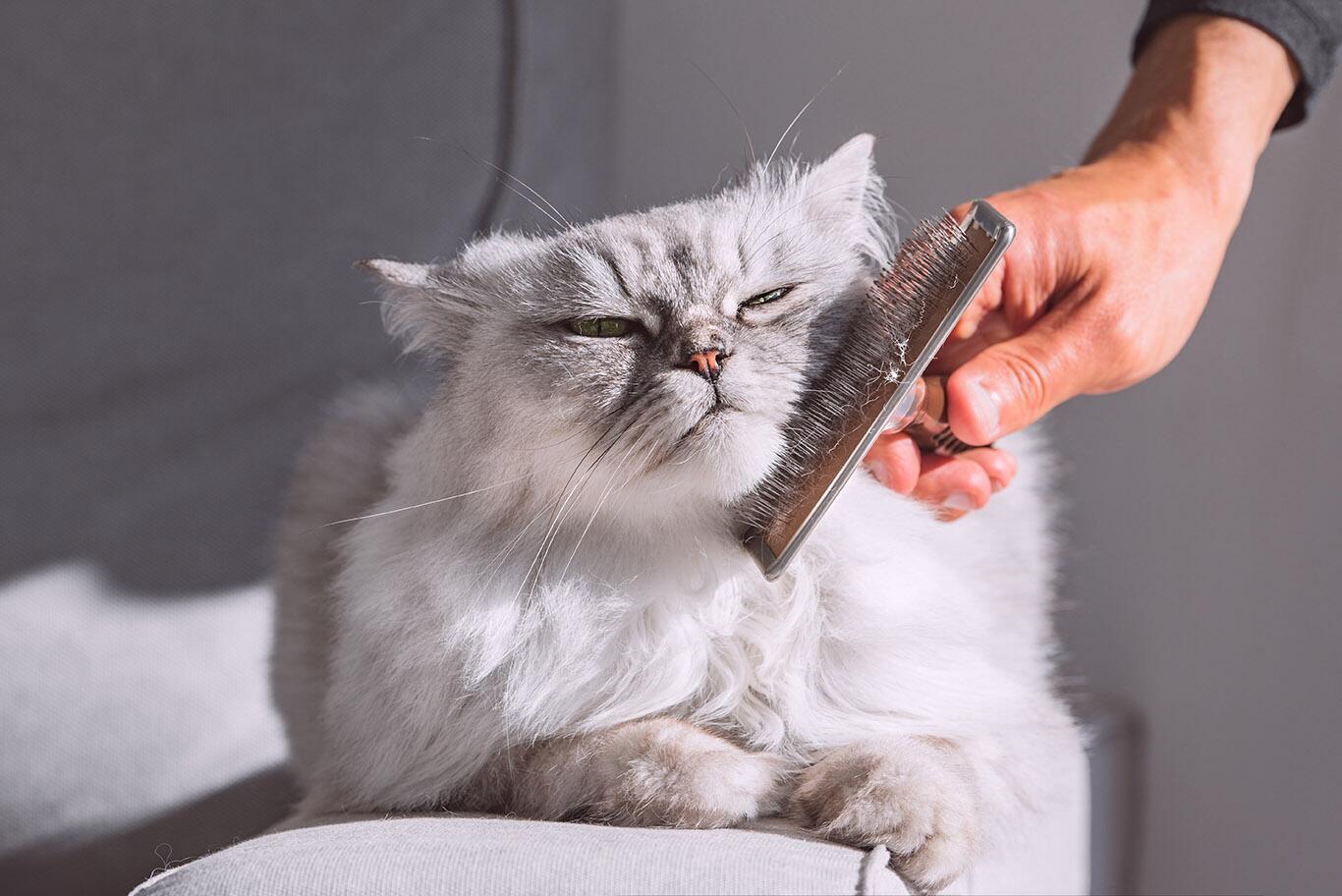
Credit: www.latimes.com
Tips For Petting Cats Properly
Petting a cat might seem simple, but doing it right can deepen your bond and make your feline friend feel truly cared for. Knowing where and how to pet your cat ensures the experience is relaxing and enjoyable for both of you. Have you ever wondered if your cat actually likes the way you touch them or if you’re missing the mark?
Areas Cats Enjoy Being Petted
Most cats appreciate gentle strokes on specific spots that mimic their natural grooming habits. The base of the ears, under the chin, and along the cheeks are usually favorites. These areas have scent glands, so petting here feels familiar and comforting to your cat.
Many cats also enjoy light scratching at the base of the tail and along the spine, but be cautious—too much pressure or petting in other areas like the belly can trigger a defensive reaction. Watching your cat’s response will help you find their sweet spots.
- Use the pads of your fingers for soft, slow strokes.
- Try petting in the direction of the fur growth to keep it soothing.
- Keep sessions brief initially, then extend as your cat relaxes.
Signs Your Cat Is Comfortable
Knowing if your cat enjoys the petting comes down to reading their body language. A relaxed posture, slow blinking, and purring are clear signs your cat trusts and enjoys your touch. You might even notice them nudging your hand for more.
On the other hand, flicking tails, flattened ears, or sudden movements away mean it’s time to stop or change your approach. Your cat’s tolerance and preference may change day-to-day, so stay attentive and flexible.
| Comfort Signs | Discomfort Signs |
|---|---|
| Purring | Tail flicking |
| Slow blinking | Flattened ears |
| Leaning into your hand | Swatting or biting |
Misinterpretations To Avoid
Understanding how cats perceive petting is tricky. Many people assume their cat sees petting as grooming, but this isn’t always true. Misreading your cat’s reactions can lead to discomfort or stress for them.
When Cats React Differently
Not every cat responds to petting the same way. Some may purr and lean in, clearly enjoying the touch. Others might twitch their tail, flatten their ears, or suddenly move away.
These signs are your cat’s way of communicating discomfort or overstimulation. Pay attention to changes in their body language and adjust your petting style accordingly. Have you noticed your cat stiffening or flicking its tail during a petting session?
Avoiding Stress And Overstimulation
Too much petting can overwhelm your cat, even if it seems to enjoy it at first. Overstimulation can cause sudden biting or scratching, which often surprises owners.
To avoid this, limit petting sessions to short periods and watch for subtle cues like skin twitching or tail flicks. Try focusing on the spots your cat prefers, such as behind the ears or under the chin, rather than repeatedly petting sensitive areas.
Remember, your cat’s comfort should guide your actions. How often do you pause to check if your pet wants more attention or a break?

Credit: www.latimes.com
Frequently Asked Questions
Do Cats Feel Like We’re Grooming Them When Petted?
Yes, cats often interpret petting as grooming. It mimics the social grooming behavior they share with other cats, creating comfort and bonding.
Why Do Cats Purr During Petting Sessions?
Cats purr during petting to express contentment and relaxation. It signals trust and enjoyment of the interaction with their human.
Can Petting Replace A Cat’s Self-grooming?
Petting cannot fully replace self-grooming. Cats still need to groom themselves to stay clean and healthy, but petting supports social bonding.
How Does Petting Affect A Cat’s Behavior?
Petting can reduce stress and strengthen trust between cats and owners. It helps cats feel safe and loved, improving their mood.
Conclusion
Cats may see petting as a form of grooming. This helps them feel safe and loved. Petting strengthens the bond between you and your cat. It shows trust and care in their eyes. Understanding this can improve your relationship. Keep petting gentle and calm to please your cat.
Enjoy these quiet moments together every day. Your cat’s happiness grows with your loving touch.



Leave a Reply