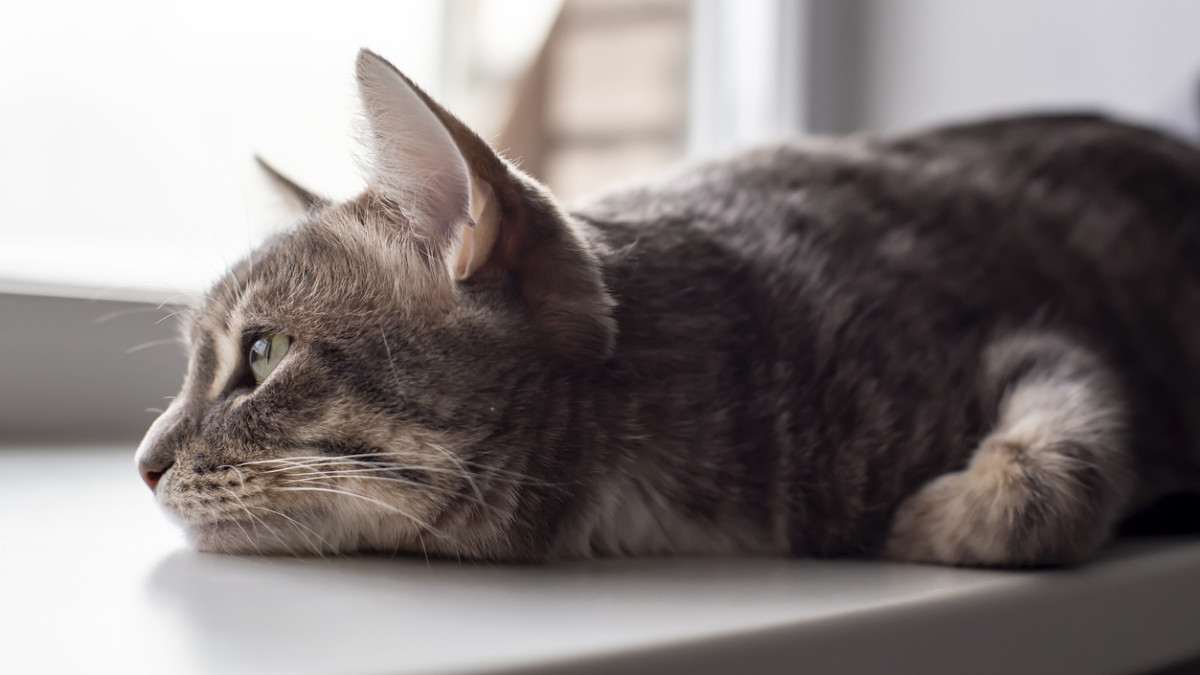
Have you noticed your cat grooming less than usual and wondered if something’s wrong? Cats are usually fastidious about keeping themselves clean, so a drop in grooming can be a big red flag.
Could your furry friend be feeling depressed? Understanding whether cats stop grooming when they’re down can help you spot signs of emotional distress early. If you want to protect your cat’s health and happiness, keep reading—because what you learn here could make all the difference for your beloved pet.
Cats And Grooming Habits
Cats spend a good part of their day grooming. It is a natural and important habit. Grooming helps cats stay clean and healthy. It also keeps their fur soft and shiny. Watching a cat groom can be calming and peaceful. Understanding grooming habits can tell us a lot about a cat’s health and mood.
Normal Grooming Behavior
Cats groom themselves several times each day. They use their tongue to clean their fur. This removes dirt and loose hair. Grooming also spreads natural oils across the coat. It helps keep the skin healthy and hydrated. Cats often groom after eating or waking up. They may also groom to calm themselves.
Changes In Grooming Patterns
Changes in grooming can signal a problem. A cat that grooms less may be feeling unwell or stressed. Depression in cats can cause them to stop grooming. Their fur may look dull and messy. On the other hand, some cats groom too much. This can cause bald spots or skin sores. Both less and more grooming need attention from a vet.
Signs Of Depression In Cats
Recognizing depression in cats can be challenging because their signs are often subtle and easily mistaken for normal behavior. Yet, noticing these signals early can make a big difference in your cat’s well-being. Pay close attention to changes in how your cat acts, looks, and even grooms itself, as these can all hint at underlying emotional struggles.
Behavioral Changes
If your cat suddenly becomes less social or hides more than usual, this could be a red flag. You might notice a loss of interest in play or a drop in energy levels. Cats often communicate distress through behavior, so ask yourself: has your cat’s routine or interaction with you shifted noticeably?
Physical Symptoms
Depression in cats sometimes shows up as physical signs like weight loss or changes in appetite. You may also see restless pacing or unusual vocalizations. These symptoms are your cat’s way of expressing discomfort, so don’t overlook small but consistent changes in their physical state.
Grooming Neglect
One of the clearest signs of depression is when a cat stops grooming itself properly. Their fur might become greasy, matted, or dirty because they no longer keep up with their usual cleaning habits. Have you noticed your cat’s coat looking less tidy or smelling different? This neglect often signals emotional distress and deserves your immediate attention.
Reasons Cats Stop Grooming
Cats may stop grooming due to stress or sadness, which can show signs of depression. Lack of grooming often signals emotional or health problems needing attention. Changes in behavior like this should prompt a visit to the vet for proper care.
Cats are usually meticulous groomers. They spend a significant amount of time each day cleaning themselves. But sometimes, they may stop this important routine. Understanding why cats stop grooming is crucial for their well-being. Several factors can influence this behavior.Emotional Factors
Cats can experience emotional changes. Stress and depression are common causes. A new pet or a change in family dynamics can upset them. Loss of a companion, whether human or animal, also affects them deeply. These emotional changes can lead to decreased grooming.Health Issues
Health problems can also make cats stop grooming. Painful conditions like arthritis make it hard for them to move. Dental issues cause discomfort and reduce grooming activity. Obesity can limit their ability to reach certain areas. Regular vet check-ups are essential to identify such health issues.Environmental Stressors
Changes in the environment can stress cats. Loud noises or a move to a new home can be unsettling. Lack of familiar scents or favorite resting spots adds to their stress. These stressors can disrupt their grooming habits. Creating a calm and stable environment helps maintain their routine.
Credit: www.whiskas.co.nz
Spotting Grooming Problems Early
Spotting grooming problems early helps protect your cat’s health. Cats often stop grooming when stressed or sad. This can cause fur and skin troubles. Knowing signs of grooming issues lets you act fast. It keeps your pet comfortable and happy.
Matting And Skin Issues
Mats form when fur tangles and sticks together. They trap dirt and moisture. This causes skin irritation and infection. Look for clumps of fur that feel tight or hard. Your cat may scratch or lick these areas more. Check areas under the legs and behind the ears.
Unusual Odors
A strong smell from your cat’s fur can signal problems. Bad odors often come from dirt or skin infections. If your cat stops grooming, oils build up on the skin. This creates a greasy or sour smell. Pay attention to any new or bad smells on your pet.
Excessive Shedding
Shedding is normal but too much can be a concern. Poor grooming leaves loose fur on the floor and furniture. Your cat may have bald spots or uneven fur. Hair loss can mean stress, illness, or skin problems. Regular brushing helps reduce shedding and checks coat health.
Steps To Help A Depressed Cat
Helping a depressed cat requires thoughtful actions that address their emotional and physical needs. Cats can show depression by stopping grooming, which affects their health and happiness. You can support your cat by making small but meaningful changes that encourage them to feel safe, engaged, and loved again.
Improving Environment
Start by creating a calm and comfortable space for your cat. Make sure they have quiet spots with soft bedding where they can relax without being disturbed. Avoid loud noises or sudden changes that might stress them out further.
Adding vertical spaces like cat trees or shelves can give your cat a sense of security and control over their environment. Have you noticed how your cat reacts to new surroundings? Sometimes, simply rearranging their favorite resting spots can boost their mood.
Providing Mental Stimulation
Mental exercise is as important for cats as physical activity. Offer puzzle feeders or interactive toys to keep their minds busy. These tools not only stimulate their brain but also distract them from feelings of sadness.
Try rotating toys regularly to maintain your cat’s interest. Have you ever seen how quickly a cat loses interest in the same toy? Changing their playthings can keep them curious and motivated to engage.
Encouraging Social Interaction
Spend quality time with your cat through gentle petting or playing. Your presence can reassure them that they are not alone. If your cat enjoys company, consider introducing a compatible feline friend for social interaction.
Watch their body language closely to ensure interactions are positive. Does your cat seek attention, or do they prefer solitude? Respecting their social preferences helps build trust and encourages them to open up emotionally.

Credit: www.utahhumane.org
When To See A Vet
Noticing a cat stop grooming can signal deeper issues. Cats may stop grooming due to depression or illness. Knowing when to see a vet is crucial for your cat’s health. Early vet visits help catch problems before they worsen. Watch for changes in behavior, appetite, or energy. Persistent lack of grooming is a clear warning sign.
Medical Evaluation
A vet will perform a full medical checkup. They look for infections, pain, or skin problems. Blood tests can reveal internal issues like thyroid or kidney disease. Sometimes grooming stops due to physical discomfort. A thorough exam helps rule out medical causes.
Behavioral Therapy Options
Behavioral therapy may help cats with depression. Vets or pet behaviorists suggest changes in the environment. Increasing playtime and mental stimulation often improves mood. Creating a calm, safe space reduces stress. Therapy focuses on rebuilding healthy habits gradually.
Medication Possibilities
Medication may be necessary in some cases. Antidepressants or anti-anxiety drugs can support treatment. Vets prescribe these only after careful evaluation. Medication helps balance brain chemicals affecting mood. It is a part of a larger care plan.
Preventing Grooming Issues
Preventing grooming issues in cats starts with understanding their needs. Grooming is a sign of good health and comfort. When a cat stops grooming, it may indicate stress or illness. Taking steps to maintain their well-being helps keep their coat clean and skin healthy.
Routine Care Tips
- Brush your cat regularly to remove loose fur and dirt.
- Provide a balanced diet rich in nutrients for healthy skin and coat.
- Keep their living area clean and free from irritants.
- Offer fresh water daily to keep them hydrated.
- Monitor changes in grooming habits closely for early signs of trouble.
Stress Reduction Techniques
- Create a quiet and safe space for your cat to relax.
- Use interactive toys to keep them mentally active.
- Maintain a consistent daily routine to reduce anxiety.
- Spend quality time petting and playing to strengthen your bond.
- Consider calming sprays or diffusers designed for cats.
Regular Health Checks
- Schedule routine vet visits to catch health problems early.
- Watch for signs of skin infections or parasites.
- Discuss any unusual behavior or grooming changes with your vet.
- Keep vaccinations and flea treatments up to date.
- Ask your vet about supplements that support skin and coat health.
:strip_icc()/GettyImages-475355341-7acb7b34374e4afa94e9a3006389080a.jpg)
Credit: www.thesprucepets.com
Frequently Asked Questions
Do Cats Stop Grooming When They Feel Depressed?
Yes, cats often reduce grooming when depressed. This behavior signals emotional distress and can lead to poor coat health. Owners should watch for grooming changes as a sign of possible depression or illness.
How Can I Tell If My Cat Is Depressed?
Look for signs like reduced grooming, loss of appetite, lethargy, and hiding. Changes in behavior or mood often indicate depression. Consult a vet if you notice these symptoms.
Can Lack Of Grooming Harm A Depressed Cat?
Yes, poor grooming can cause skin issues, mats, and infections. Grooming is vital for a cat’s hygiene and comfort. Addressing depression helps restore healthy grooming habits.
What Causes Depression In Cats Affecting Grooming?
Common causes include changes in environment, loss of a companion, illness, or stress. These factors disrupt a cat’s routine and mood, leading to less grooming.
Conclusion
Cats may stop grooming when they feel sad or stressed. This change in behavior can signal emotional trouble. Watch your cat’s habits closely for any grooming changes. Helping your cat feel safe and loved is key. Small actions can improve their mood and health.
Always ask a vet if you notice unusual grooming. Understanding your cat’s feelings helps you care for them better. Keep your cat happy and healthy by staying alert.

Leave a Reply