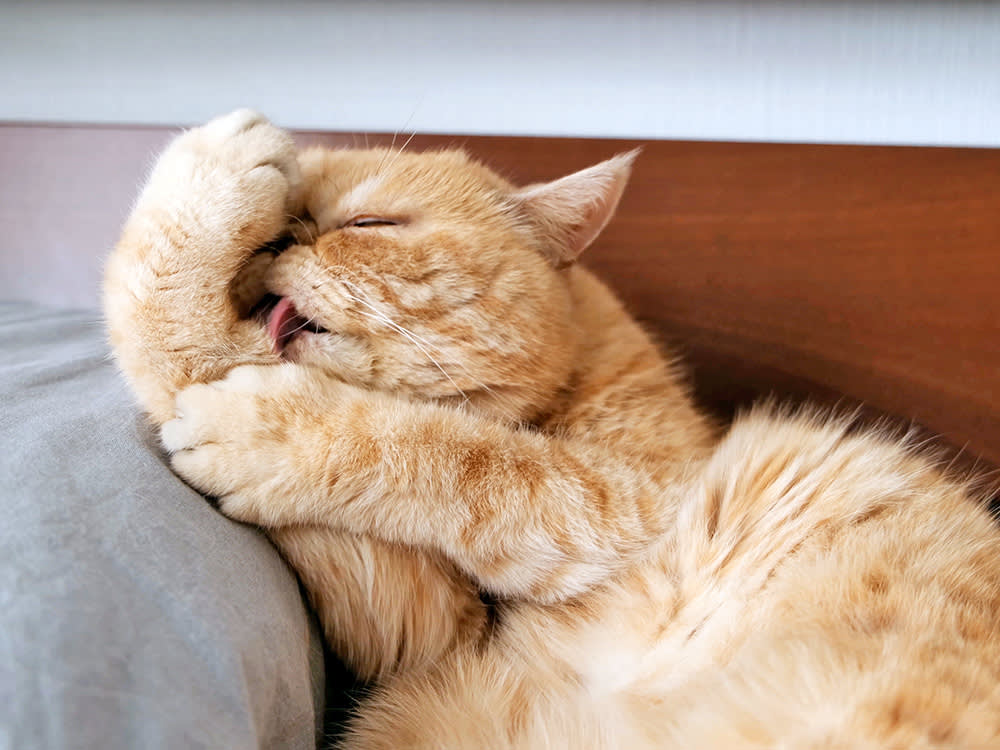
Have you noticed your cat isn’t grooming like it used to? When your furry friend stops cleaning itself, it can be worrying.
Grooming is more than just a habit for cats—it’s how they stay healthy and comfortable. If you’re wondering why your cat has suddenly stopped grooming, you’re not alone. Understanding the reasons behind this change can help you take quick action to keep your cat happy and healthy.
Keep reading to find out what might be going on and what you can do to help your cat get back to its clean, confident self.
Credit: pethelpful.com
Why Cats Groom Themselves
Cats spend a significant part of their day grooming themselves. But have you ever wondered why this behavior is so important to them? Understanding why cats groom can help you notice when something might be wrong with your furry friend.
Purpose Of Grooming
Grooming serves several essential purposes for cats. It helps keep their fur clean by removing dirt, loose hair, and parasites like fleas. Grooming also regulates their body temperature by spreading natural oils across their coat.
Beyond cleanliness, grooming calms cats. It reduces stress and anxiety, much like how humans might find comfort in a routine. When your cat licks itself, it’s not just about looking good—it’s about feeling good too.
Normal Grooming Habits
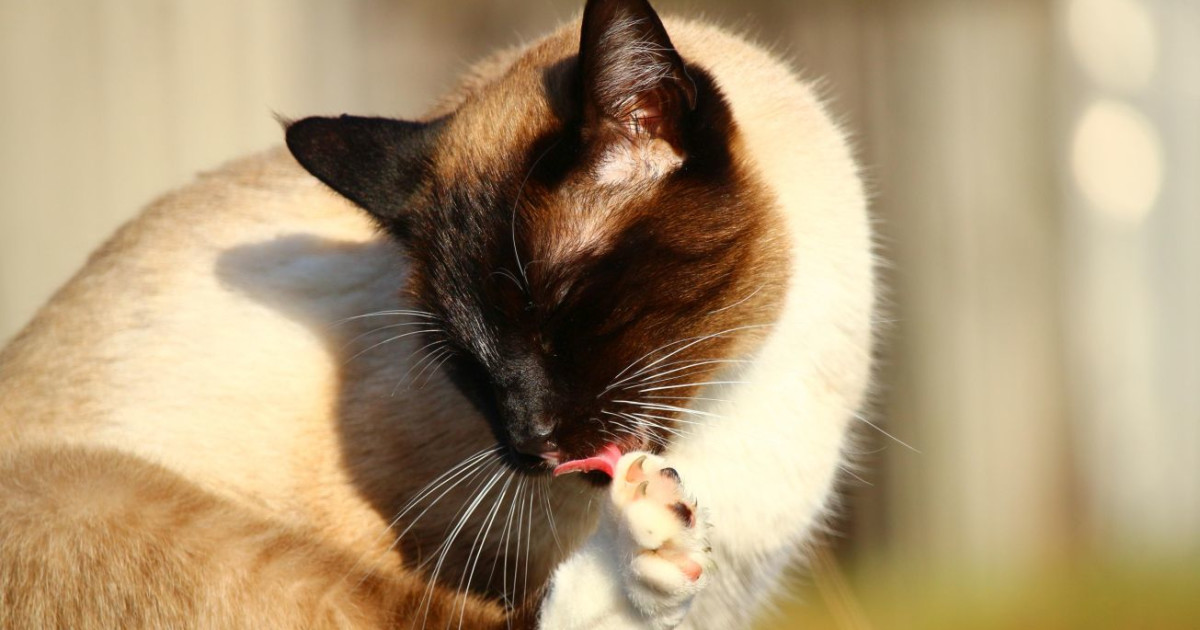
Most cats groom themselves multiple times a day. You might see your cat licking its paws and then rubbing its face. This is a typical pattern to clean hard-to-reach spots.
Grooming intensity can vary by age, health, and personality. Younger cats tend to groom more frequently, while older cats might slow down. If your cat suddenly stops grooming, it might signal pain, illness, or stress.
Have you noticed your cat skipping its usual grooming routine? This could be a sign to check in with a vet. Paying attention to these habits helps you catch problems early and keep your cat healthy and happy.
When Cats Stop Grooming
Noticing your cat suddenly stop grooming can be worrying. Grooming is more than just cleanliness for cats; it’s a sign of their overall health and mood. When grooming habits change, it signals that something might be off.
Common Causes
Several factors can cause a cat to stop grooming. Health issues like dental pain or arthritis can make self-cleaning painful or difficult. Skin infections or allergies may also discourage grooming because of irritation.
Stress or anxiety can lead your cat to neglect grooming, especially if there are changes in their environment. Sometimes, older cats simply slow down and lose interest in grooming as their energy drops. Have you checked if your cat shows other signs of discomfort or illness?
Behavioral Changes
When grooming stops, you might notice other shifts in your cat’s behavior. They could become more withdrawn or less playful. Some cats may stop eating or hide more often.
Changes like these often go hand-in-hand with grooming issues. If your cat’s coat looks dull or matted, it’s a visible clue that something deeper is happening. Paying attention to these signals helps you act fast and support your pet better.
Health Issues Linked To Poor Grooming
Poor grooming in cats often signals underlying health issues that need your attention. When your cat stops cleaning itself, it can lead to serious problems beyond just looking untidy. Understanding these health risks helps you act quickly and protect your pet’s wellbeing.
Skin Problems
Neglected grooming can cause your cat’s skin to become dry, flaky, or irritated. Without regular cleaning, oils and dirt build up, leading to uncomfortable rashes or infections. You might notice bald patches or scabs forming, which means it’s time to check with your vet.
Parasite Infestations
Parasites like fleas and ticks thrive on cats that don’t groom properly. Grooming helps remove these pests before they cause serious damage. If your cat stops grooming, infestations can quickly get out of control, causing itching, allergic reactions, and even anemia.
Pain And Mobility Issues
Sometimes, cats stop grooming because they are in pain or have trouble moving. Arthritis, injuries, or dental problems can make self-cleaning too painful. If your cat looks unkempt and seems less active, consider if pain might be stopping their usual grooming habits.
Emotional And Environmental Factors
Cats are usually excellent at keeping themselves clean. They groom often. But sometimes, emotional and environmental factors affect this behavior. Understanding these factors is key to helping your cat.
Stress And Anxiety
Cats feel stress from many sources. New family members or loud noises can cause anxiety. This stress may lead them to stop grooming. You might notice other changes too. Cats may hide or become aggressive. These are signs of anxiety.
Consider the cat’s daily routine. Has anything changed? Even small changes can cause stress. Addressing these issues might help your cat return to normal grooming.
Changes In Environment
Cats are creatures of habit. They love familiar surroundings. Moving houses or rearranging furniture can upset them. New smells or sounds may also affect them. This disruption can lead to less grooming.
Try to make transitions smooth. Offer familiar items like toys or blankets. These can comfort your cat. Give them time to adjust. A calm environment encourages them to groom again.
Signs Your Cat Is Not Grooming Properly
Cats usually keep themselves clean by grooming every day. This behavior helps them stay healthy and comfortable. When a cat stops grooming properly, it can signal health problems or stress. Spotting the signs early helps you take action and support your cat’s well-being.
Mattes And Tangles
Untidy mats and tangles appear when grooming stops. Fur clumps stick together and become hard. These mats can pull on the skin and hurt the cat. Grooming normally keeps the coat smooth and free of knots.
Unusual Odors
A clean cat smells fresh and pleasant. If your cat’s fur smells bad or sour, grooming might be lacking. Dirt, oils, and skin infections cause these odors. A foul smell means your cat’s hygiene needs attention.
Excessive Shedding
Shedding is normal but too much can be a red flag. Without grooming, loose fur stays on the coat and around the house. Excessive shedding may also show skin problems or stress. Grooming helps remove dead hair and keeps shedding balanced.

Credit: weareallaboutcats.com
How To Help A Cat That Stops Grooming
Cats usually groom themselves daily to stay clean and healthy. When a cat stops grooming, it may signal health or emotional problems. Helping a cat that stops grooming requires care and attention to its needs. Understanding how to support your cat can improve its well-being quickly.
Veterinary Care
Visit a veterinarian to rule out medical issues. Skin infections, pain, or dental problems can stop grooming. The vet may check for parasites, allergies, or arthritis. Proper diagnosis helps treat the root cause. Follow all vet advice and complete prescribed treatments.
At-home Grooming Tips
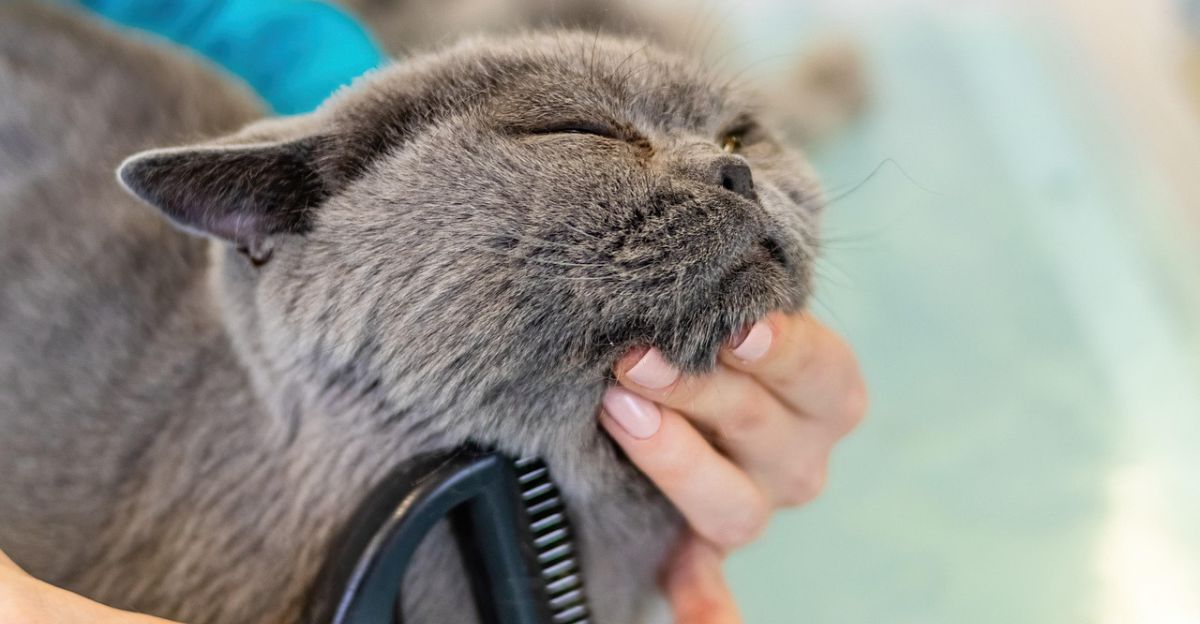
Brush your cat gently to remove loose fur and dirt. Use a soft brush suited for your cat’s coat type. Grooming helps stimulate blood flow and comfort. Check for any wounds or skin changes during brushing. Bathing is rarely needed but can help if recommended by a vet.
Environmental Enrichment
Provide a calm, safe space for your cat. Stress and boredom may reduce grooming habits. Offer toys, scratching posts, and cozy resting spots. Spend quiet time petting and bonding with your cat. A happy cat tends to groom more regularly.
Credit: tryfurgo.com
Frequently Asked Questions
Why Do Cats Stop Grooming Themselves Suddenly?
Cats may stop grooming due to illness, pain, stress, or old age. It often signals health issues. Consult a vet if grooming stops abruptly.
How To Tell If A Cat Isn’t Grooming Enough?
Look for matted fur, greasy coat, or strong odor. These signs mean your cat isn’t grooming properly and needs attention.
Can Stress Cause Cats To Stop Grooming?
Yes, stress can disrupt a cat’s grooming habits. Changes in environment or routine often trigger this behavior.
When Should I Worry About My Cat’s Grooming Habits?
If your cat stops grooming for more than a day or shows other symptoms, see a vet immediately. Early intervention is crucial.
Conclusion
Cats usually groom themselves daily to stay clean and healthy. When they stop, it can signal health or stress problems. Watch for changes in behavior or coat condition. Taking your cat to the vet helps find any issues early. Caring for your cat means noticing these signs quickly.
Keep your pet happy by supporting their grooming needs. Remember, healthy cats often groom regularly and feel their best.



Leave a Reply