Have you ever wondered how your cat stays so clean and sleek without any help? It turns out, cats might have a secret weapon—a special chemical that helps them groom themselves more effectively.
Understanding this natural process can change the way you care for your furry friend. Keep reading to discover what this chemical is, how it works, and why it matters for your cat’s health and happiness. You won’t want to miss these surprising facts that could make grooming easier for both you and your cat!

Credit: www.amazon.com
Cats And Grooming Habits
Cats are known for their fastidious grooming habits, which often leave them looking spotless and sleek. These habits are more than just about cleanliness—they play a key role in their health and well-being. Understanding how and why cats groom themselves can help you better care for your feline friend.
Why Cats Groom Themselves
Grooming helps cats remove dirt, loose fur, and parasites from their coats. It also regulates their body temperature by spreading natural oils across their fur, keeping it waterproof and shiny.
Have you noticed how cats groom to calm themselves during stressful moments? Grooming releases endorphins that soothe their nerves, acting like a natural stress reliever. So, when your cat is licking itself after a vet visit or loud noise, it’s not just about being clean—it’s also about feeling safe.
Common Grooming Behaviors
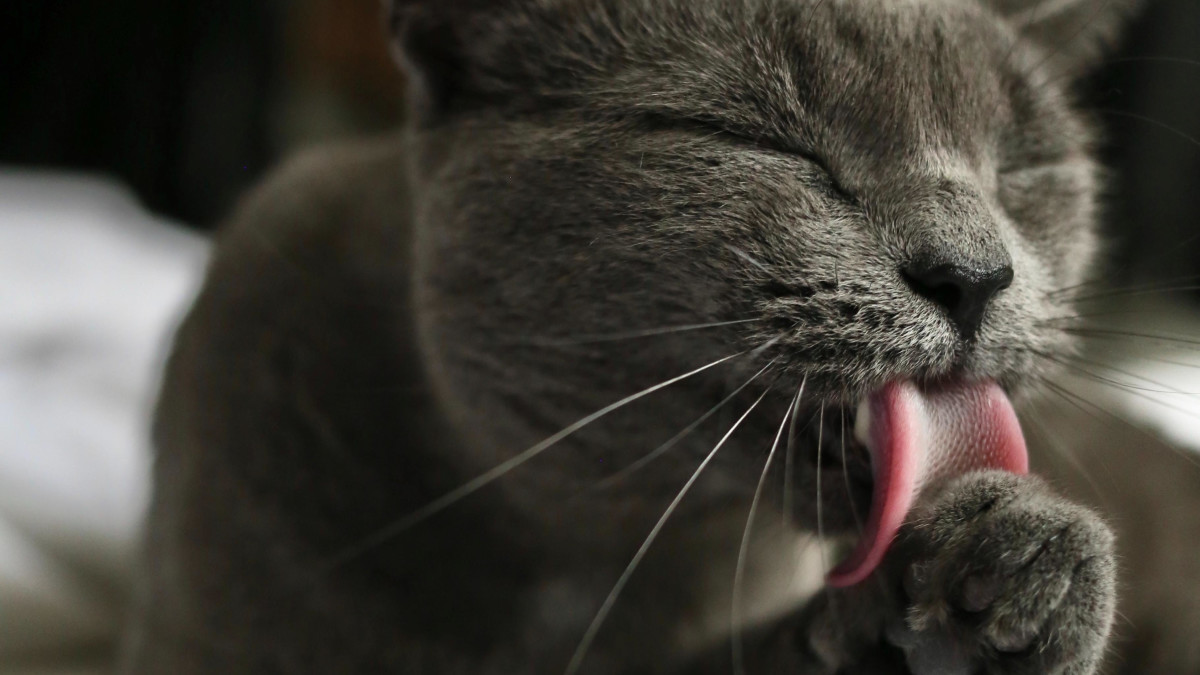
Cats use their tongues, which are covered in tiny, hook-like structures called papillae, to comb through their fur. These hooks catch loose hair and dirt effectively. You might see your cat licking its paws and then rubbing them over its face—a clever way to clean spots it can’t reach directly with its tongue.
Besides licking, cats scratch themselves and rub their faces on objects to maintain their scent and mark their territory. Ever wonder why your cat rubs your hand or face? It’s part of their grooming ritual mixed with social bonding.
- Licking fur to remove dirt and loose hair
- Using paws to clean the face
- Scratching to remove dead skin and stimulate blood flow
- Rubbing scent glands on objects to mark territory
Chemical Signals In Cats
Cats rely on more than just their sharp claws and keen senses to communicate and care for themselves. Chemical signals play a crucial role in their daily grooming routines and social interactions. These invisible cues help cats mark territory, identify friends, and even calm themselves during stressful moments.
What Are Pheromones?
Pheromones are natural chemicals that animals, including cats, release to send messages to others of their species. They travel through the air or stick to surfaces, conveying information without any sound or visible signals.
In cats, pheromones influence behavior like marking territory, signaling safety, or attracting mates. Have you noticed how your cat rubs its head against furniture or you? That action spreads pheromones to create a familiar, comforting environment.
Types Of Chemicals Cats Produce
Cats produce several types of chemical signals that aid in grooming and communication:
- Facial Pheromones:These are secreted from glands around the cat’s face and spread when they rub against objects or people. They mark safe spaces and express contentment.
- Apocrine Gland Secretions:Found in areas like the paws and tail base, these chemicals help with individual identification and territory marking.
- Anal Gland Secretions:Released during certain social interactions, these signals carry information about a cat’s identity and status.
Understanding these chemical signals can change how you interpret your cat’s behavior. Next time your feline friend grooms itself or rubs against you, think about the subtle messages hidden in those actions.
Grooming-related Chemicals
Grooming is more than just a routine for cats; it’s a complex process involving unique chemicals that keep their fur clean, healthy, and shiny. These grooming-related chemicals come from different sources on their bodies and play distinct roles in maintaining their coat. Understanding these secretions can help you appreciate why cats invest so much time licking and grooming themselves.
Sebaceous Gland Secretions
Your cat’s skin contains sebaceous glands that produce an oily substance called sebum. This oil spreads over their fur as they groom, helping to waterproof the coat and keep it soft. Sebum also traps dirt and reduces the risk of skin infections by maintaining the right moisture balance.
Think about the last time you noticed your cat’s fur looking particularly glossy. That shine often comes from these natural oils working their magic. If your cat’s coat looks dull, it might be a sign that their sebaceous glands aren’t producing enough oil or that they’re not grooming properly.
Role Of Saliva In Grooming
Saliva is another key chemical in your cat’s grooming toolkit. When cats lick themselves, their saliva helps remove loose fur, dirt, and parasites. The saliva also contains enzymes that can break down oils and dirt, making the grooming more effective.
Interestingly, saliva also cools cats down as it evaporates from their fur. This dual purpose means grooming isn’t just about cleanliness but also about comfort. Next time you see your cat licking a specific spot, you might wonder if they’re cooling off or simply cleaning.
How Chemicals Aid Grooming
Cats use more than just their tongues to keep themselves clean. Chemicals produced in their bodies play a crucial role in helping them groom effectively. These natural substances support fur health and manage odor, making grooming a smart, biological process rather than just a habit.
Maintaining Fur Health
Cats produce oils from glands located near their skin. These oils spread across their fur during grooming, keeping the coat soft and flexible. Without these oils, their fur could become dry, brittle, and prone to damage.
Have you noticed how your cat’s fur gleams after a good grooming session? That shine comes from these natural oils working to protect each hair strand. This also helps in preventing tangles and matting, saving your cat from discomfort.
Controlling Odor And Bacteria
Cats have special compounds in their saliva that help control bacteria on their skin and fur. When they lick themselves, these chemicals reduce the growth of harmful microbes that cause bad smells and infections.
This natural antibacterial action means your cat can stay fresh without needing a bath every day. Do you think about how often your cat cleans itself compared to how often you wash your clothes? Their grooming is a perfect balance of chemistry and behavior.
Scientific Studies On Cat Chemicals
Scientific research explores whether cats produce special chemicals that help with grooming. Studies suggest cats may release substances to keep their fur clean and healthy. These natural chemicals might play a key role in their grooming habits.
Cats are fascinating creatures, and their grooming habits are no exception. Have you ever wondered what makes them such efficient groomers? Recent scientific studies have shed light on the chemicals cats produce to aid in their grooming process. Understanding these chemicals can offer valuable insights into cat care and well-being.Recent Research Findings
Recent studies indicate that cats produce a specialized chemical in their saliva, which plays a crucial role in grooming. This chemical helps break down dirt and oils on their fur, leaving them clean and fresh. Researchers have also noted that this natural grooming agent may have antibacterial properties, contributing to a cat’s overall health. Interestingly, the research suggests that cats may produce varying amounts of this chemical based on their environment. Cats living in urban areas might have higher levels to cope with pollution. This discovery opens up new avenues for understanding how cats adapt to different living conditions.Implications For Cat Care
How can this information influence your cat care routine? First, understanding that cats have their own cleaning mechanism might make you reconsider over-bathing them. Excessive bathing could strip away these beneficial chemicals and disrupt their natural grooming process. Additionally, providing a clean environment for your cat can enhance their grooming effectiveness. Regularly cleaning their bedding and ensuring a dust-free home can support their natural grooming efforts. Consider observing your cat’s grooming habits more closely. Are they grooming more frequently or less? Changes in grooming behavior could indicate a health issue or an environmental factor affecting their chemical production. This knowledge empowers you to be more attuned to your cat’s needs, potentially leading to a happier, healthier pet.
Credit: www.amazon.com
Surprising Grooming Facts
Cat grooming is more than just a cleanliness routine—it’s a complex behavior packed with surprising details. While you might think cats groom solely to stay neat, there’s a lot happening behind the scenes. Understanding these facts can change the way you see your feline friend’s daily habits.
Cats Groom To Communicate
Grooming isn’t just about looking good. Cats use grooming to send messages to other cats and even to you. When your cat licks you or another pet, it’s a sign of trust and affection.
Did you know cats have scent glands in their skin? When they groom, they spread their unique scent, marking their territory and signaling comfort. Next time your cat licks your hand, think of it as a furry way of saying “You’re part of my family.”
Impact Of Stress On Grooming
Stress can drastically change how much your cat grooms. Some cats groom excessively when anxious, which can lead to bald spots and skin irritation. Others might stop grooming altogether when stressed.
Have you noticed your cat suddenly licking more or less than usual? This could be a hidden sign of stress or discomfort. Watch for changes in grooming patterns—they often reveal how your cat feels inside.

Credit: www.amazon.com
Frequently Asked Questions
Do Cats Produce Chemicals For Grooming Themselves?
Yes, cats produce natural oils from their skin. These oils help keep their fur clean and shiny. Grooming spreads these oils evenly across their coat.
What Chemical Helps Cats With Self-grooming?
Sebum is the key oily substance cats produce. It moisturizes the skin and fur, preventing dryness and irritation during grooming.
How Does Grooming Benefit Cats Chemically?
Grooming removes dirt and distributes beneficial oils. It also reduces stress by releasing endorphins, enhancing their overall well-being.
Can Cats’ Grooming Chemicals Affect Humans?
Cat oils are generally harmless but may cause mild allergies in sensitive people. Regular hand washing after petting is recommended.
Conclusion
Cats use natural chemicals to keep themselves clean and healthy. These substances help remove dirt and reduce germs on their fur. Grooming is more than just a habit; it protects their skin and coat. Understanding this helps us appreciate how cats care for themselves.
Next time you see a cat grooming, remember it’s their way to stay fresh and safe. Their natural grooming chemicals play a small but important role every day.

Leave a Reply