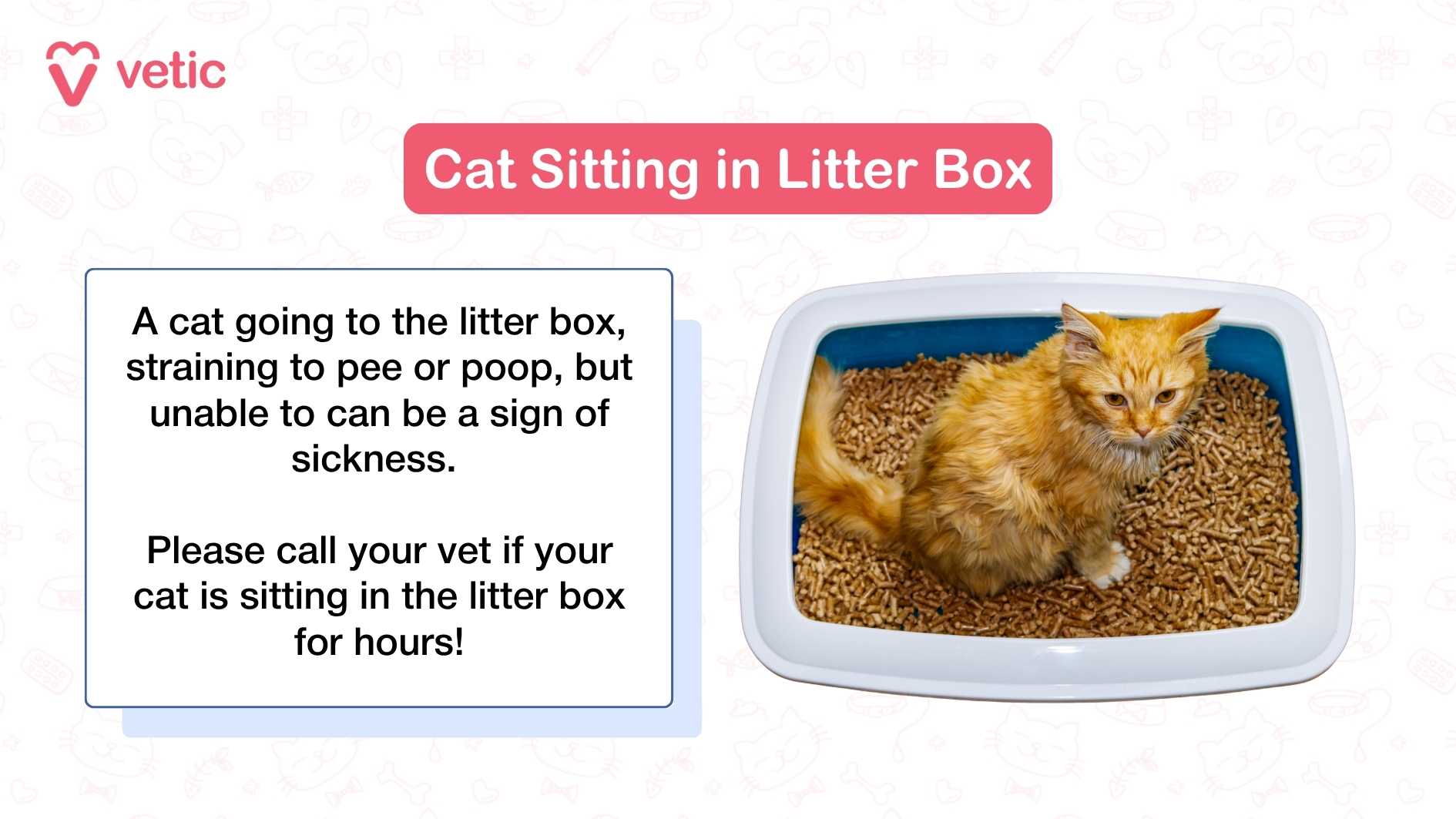
Have you ever wondered if your cat truly prefers the litter box or if those mysterious puddles around your home tell a different story? Understanding whether cats pee in their litter box is more than just a matter of cleanliness—it’s about your cat’s comfort, health, and your peace of mind.
If you’ve faced unexpected messes or just want to ensure your furry friend is happy and healthy, this article is for you. Keep reading to discover the surprising reasons behind your cat’s bathroom habits and how you can make sure your home stays fresh and your cat content.

Credit: us.feliway.com
Cat Bathroom Habits
Cats are clean animals that usually keep their bathroom habits tidy. Understanding where and why cats pee helps owners provide the best care. Most cats naturally use a litter box for their bathroom needs. This behavior ties closely to their instincts and comfort.
Why Cats Use Litter Boxes
Cats prefer to bury their waste to hide their scent. This protects them from predators in the wild. A litter box mimics this natural behavior by providing a place to dig and cover urine and feces.
Using a litter box helps keep the house clean and fresh. Cats also feel safe and secure when they have a dedicated spot. Consistent use of a litter box shows a happy and healthy cat.
Natural Instincts And Behavior
Cats are instinctive groomers who dislike dirty areas. Their natural habit is to find soft, absorbent materials to eliminate waste. They avoid soiling their living space as a survival strategy.
In the wild, cats choose places that hide their scent. This reduces the chance of attracting enemies. Domesticated cats keep this instinct and seek a clean, private area to do their business.
Common Reasons For Avoiding Litter Boxes
Noticing your cat avoiding the litter box can be frustrating and confusing. Understanding why your cat might be steering clear of their usual spot is key to fixing the problem quickly. Let’s look at some common reasons behind this behavior that you might not have considered.
Health Issues
Sometimes, a cat’s refusal to use the litter box signals a health problem. Urinary tract infections, bladder stones, or kidney issues can make peeing painful, causing your cat to avoid the box altogether. If your cat suddenly stops using the litter box, a vet visit should be your first step.
I once had a cat who started peeing outside the box after a week of acting normal. A quick vet check revealed a bladder infection. Treating it fixed the issue almost immediately. Could your cat be sending you a similar message?
Litter Box Cleanliness
Cats are naturally clean animals, and a dirty litter box is a big turnoff. If you don’t scoop or change the litter often enough, your cat might look for cleaner spots around your home. Try cleaning the box daily and fully changing the litter weekly to keep your cat happy.
Also, consider the type of litter you use. Some cats dislike scented or clumping litters. Have you noticed your cat’s preferences? Switching to a dust-free, unscented litter might make a difference.
Stress And Anxiety Factors
Stress can cause cats to change their bathroom habits. New pets, moving to a new home, loud noises, or changes in your routine can unsettle your cat. Sometimes, avoiding the litter box is a way for your cat to express discomfort or insecurity.
Creating a calm environment and providing multiple litter boxes in quiet areas can help. Have you introduced any recent changes that could be stressing your cat? Paying attention to their emotional health is just as important as physical health.
Choosing The Right Litter Box
Cats usually prefer a clean, easily accessible litter box for peeing. Choosing the right size and type helps them feel comfortable and encourages proper use. Regular cleaning also plays a key role in their willingness to use the box consistently.
Choosing the right litter box is crucial for happy cats. Cats need a comfortable space to do their business. The wrong box can lead to accidents outside the box. This can be stressful for both cats and owners. A good litter box meets your cat’s needs.Box Size And Type
A litter box should be big enough for your cat to turn around. Small boxes can make cats feel cramped. For larger cats, choose a bigger box. Covered boxes offer privacy but can trap odors. Some cats prefer open boxes. High sides can prevent litter scatter. Low-entry boxes are good for older cats.Litter Material Preferences
Cats have different preferences for litter. Some like clumping litter. Others prefer non-clumping. Unscented litter is often best. Strong scents can deter cats. Some cats like natural materials like pine or paper. Experiment to find what your cat likes.Training Cats To Use The Litter Box
Training cats to use the litter box is essential for a clean home and happy pet. Cats naturally prefer to bury their waste. Teaching them to use a litter box taps into this instinct. Success depends on patience and consistency. Clear guidance helps cats understand where to go.
Introducing Kittens
Start litter box training as soon as kittens can walk. Place them in the box after meals and naps. Let them explore the box freely. Keep the box clean and in a quiet spot. Use a shallow box with soft litter for easy access. Praise kittens gently when they use the box. Avoid punishment; it can cause fear and confusion.
Helping Adult Cats Adjust
Adult cats may resist new litter boxes or changes. Introduce the new box gradually beside the old one. Slowly move it to the desired location over days. Maintain the same type of litter at first to avoid stress. Clean the box regularly to encourage use. Watch for signs of illness if accidents happen. Offer calm reassurance and avoid scolding. Patience helps adult cats adapt smoothly.
Troubleshooting Litter Box Problems
Troubleshooting litter box problems can be tricky. Cats usually use the litter box without issues. When they stop, it signals a problem. Understanding the cause helps to fix it quickly. Observe your cat’s habits and environment closely. Changes in behavior often indicate discomfort or stress. The right approach keeps both you and your cat happy.
Spotting Behavioral Changes
Watch for signs like avoiding the litter box or urinating outside it. Your cat may scratch excessively or meow more than usual. Notice if your cat hides or acts restless. Changes in eating or drinking habits matter too. These signs hint at health or emotional issues. Keep a daily log of any unusual behavior. Early detection helps prevent bigger problems.
When To Consult A Veterinarian
Seek veterinary advice if your cat pees outside the box often. Blood in urine, straining, or frequent trips to the box need attention. Sudden changes in litter box use require professional evaluation. Your vet can rule out infections, bladder stones, or other illnesses. They may suggest tests or treatments to ease your cat’s pain. Prompt care ensures your cat stays healthy and comfortable.

Credit: www.embracepetinsurance.com
Tips To Encourage Consistent Use
Encouraging your cat to consistently use the litter box takes more than just providing one. Cats are creatures of habit but also very particular about their surroundings. Small changes in their environment and your cleaning habits can make a big difference in their behavior.
Cleaning Routines
Keeping the litter box clean is crucial. Cats dislike using a dirty box, and you might notice them avoiding it if it smells or looks unpleasant.
- Scoop waste daily to keep the box fresh.
- Wash the box with mild soap and warm water once a week.
- Avoid strong-smelling cleaners that can deter your cat.
Have you ever walked into a restroom that wasn’t clean? Your cat feels the same way about their litter box. A clean box invites them back consistently.
Placement And Environment
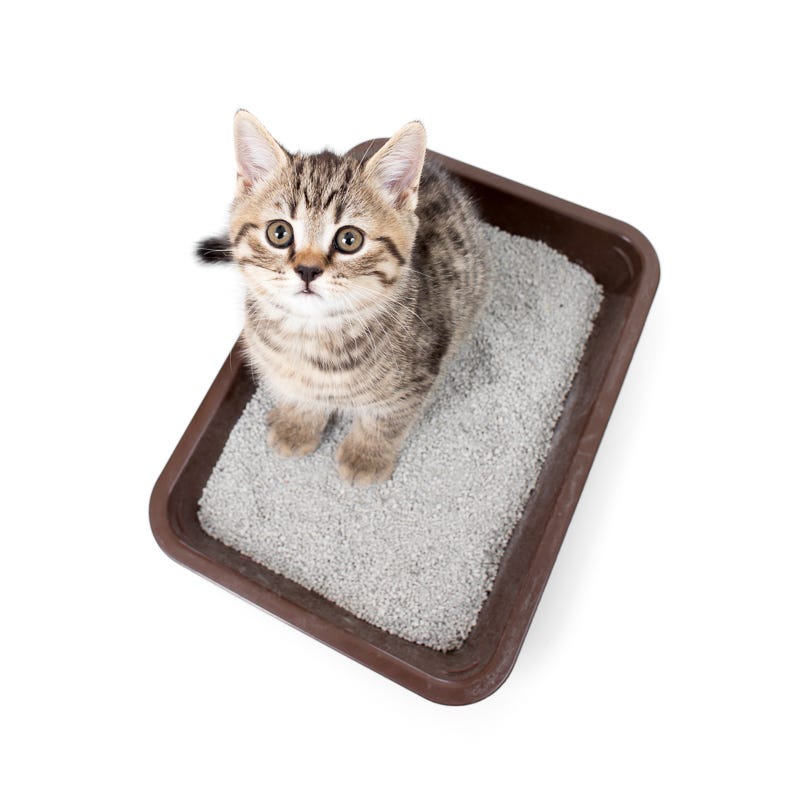
Where you place the litter box matters more than you might think. Cats prefer quiet, low-traffic areas where they feel safe and undisturbed.
- Choose a calm spot away from loud appliances or busy hallways.
- Ensure the box is easily accessible, especially for older cats.
- Avoid placing the box near their food and water dishes.
Consider your cat’s personality: shy cats may want more privacy, while confident cats might be fine with an open area. Have you noticed your cat’s favorite quiet spot? That could be the perfect place for their litter box.
Credit: thediscerningcat.medium.com
Frequently Asked Questions
Do Cats Always Pee In The Litter Box?
Most cats instinctively use the litter box for urination. However, issues like stress or medical problems can cause accidents outside the box. Ensuring a clean, accessible litter box helps maintain consistent use.
Why Might A Cat Stop Peeing In The Litter Box?
Cats may avoid the litter box due to urinary tract infections, stress, or an unclean box. Changing litter type or location can also affect their behavior. Consulting a vet is important if this happens.
How To Encourage A Cat To Use The Litter Box?
Keep the litter box clean and placed in a quiet, accessible area. Use unscented, clumping litter and avoid sudden changes. Praise your cat when it uses the box to reinforce good behavior.
Can Litter Box Problems Indicate Health Issues?
Yes, frequent urination outside the box often signals urinary tract infections or bladder issues. Behavioral changes can also indicate stress or anxiety. Prompt veterinary evaluation is crucial for diagnosis and treatment.
Conclusion
Cats usually prefer to pee in their litter box. Clean, quiet, and safe spots help them feel comfortable. If your cat stops using the box, check its health and the box’s condition. Keep the litter fresh and scoop it daily.
Place the box in a calm, easy-to-reach area. Understanding your cat’s habits helps keep your home clean. A little care goes a long way in happy pet ownership. Trust your cat to use the litter box with patience and care.

Leave a Reply