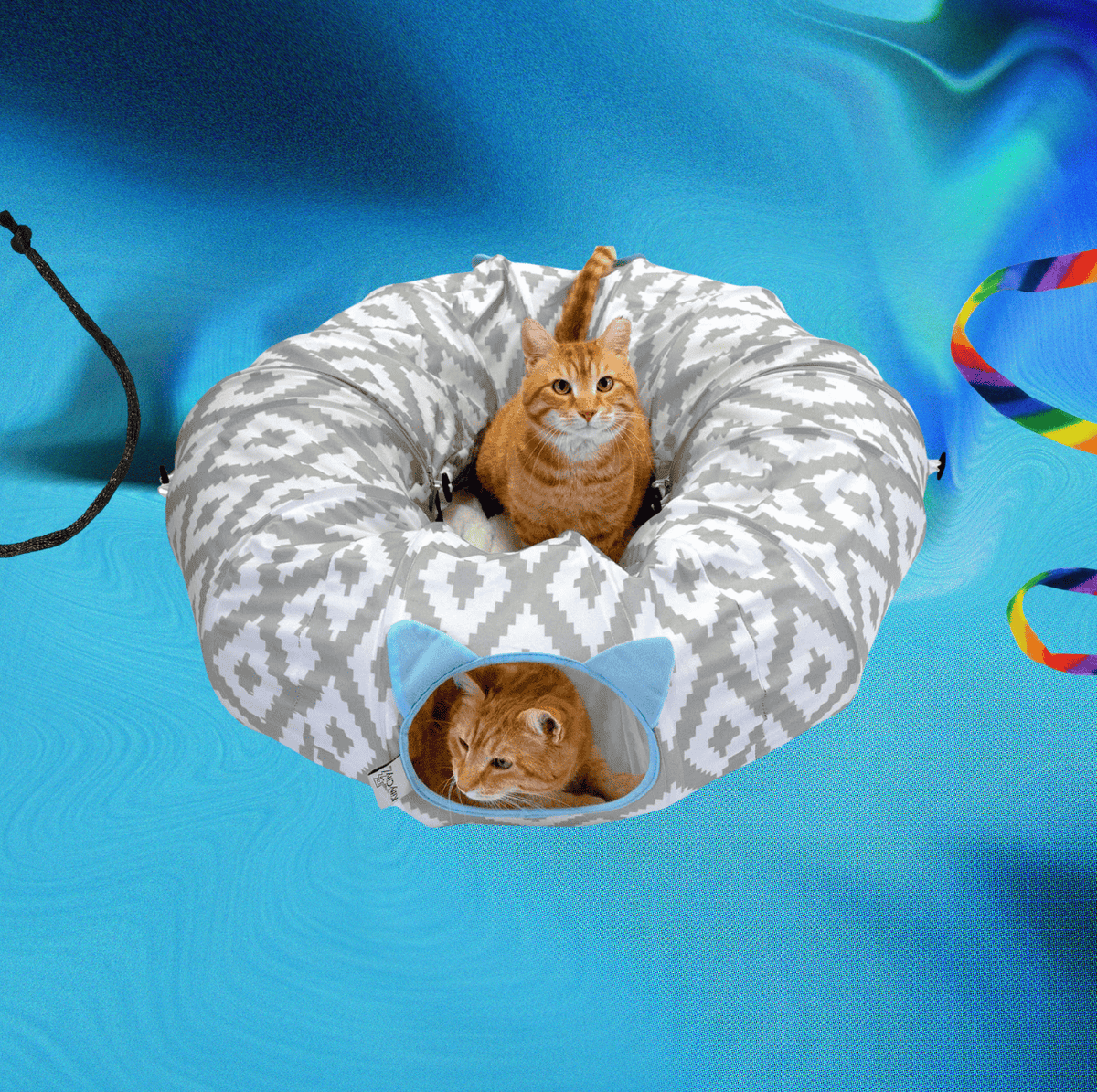
Have you ever wondered if your cat truly enjoys the toys you buy for them? You might notice your furry friend batting at a ball or chasing a feather, but does that mean they actually like playing with toys?
Understanding what excites and entertains your cat can make a huge difference in their happiness and health. You’ll discover the surprising truth about cats and their toys—and how choosing the right ones can transform playtime into a fun, bonding experience for both of you.
Keep reading to unlock the secrets that will make your kitty’s eyes light up with joy!
Cats And Playtime
Cats love to play. Playtime is not just fun for them. It helps cats stay active, healthy, and sharp. Play mimics hunting, which is a natural behavior. Without play, cats can get bored or stressed. Toys bring joy and exercise to their daily life.
Why Cats Love Toys
Toys catch a cat’s attention. They trigger hunting instincts. Cats enjoy chasing, pouncing, and batting objects. Toys offer a safe way to practice these skills. Playing keeps cats physically fit and mentally alert. It also reduces bad behavior caused by boredom.
Types Of Toys Cats Prefer
- Small balls or mice that cats can chase
- Feather wands that move unpredictably
- Laser pointers for quick, sharp movements
- Catnip-filled toys that excite and relax cats
- Interactive puzzles that challenge their mind
Each cat has unique tastes. Some prefer soft toys, others like noisy ones. Rotating toys keeps playtime fresh and interesting. Experimenting helps find what your cat enjoys most.
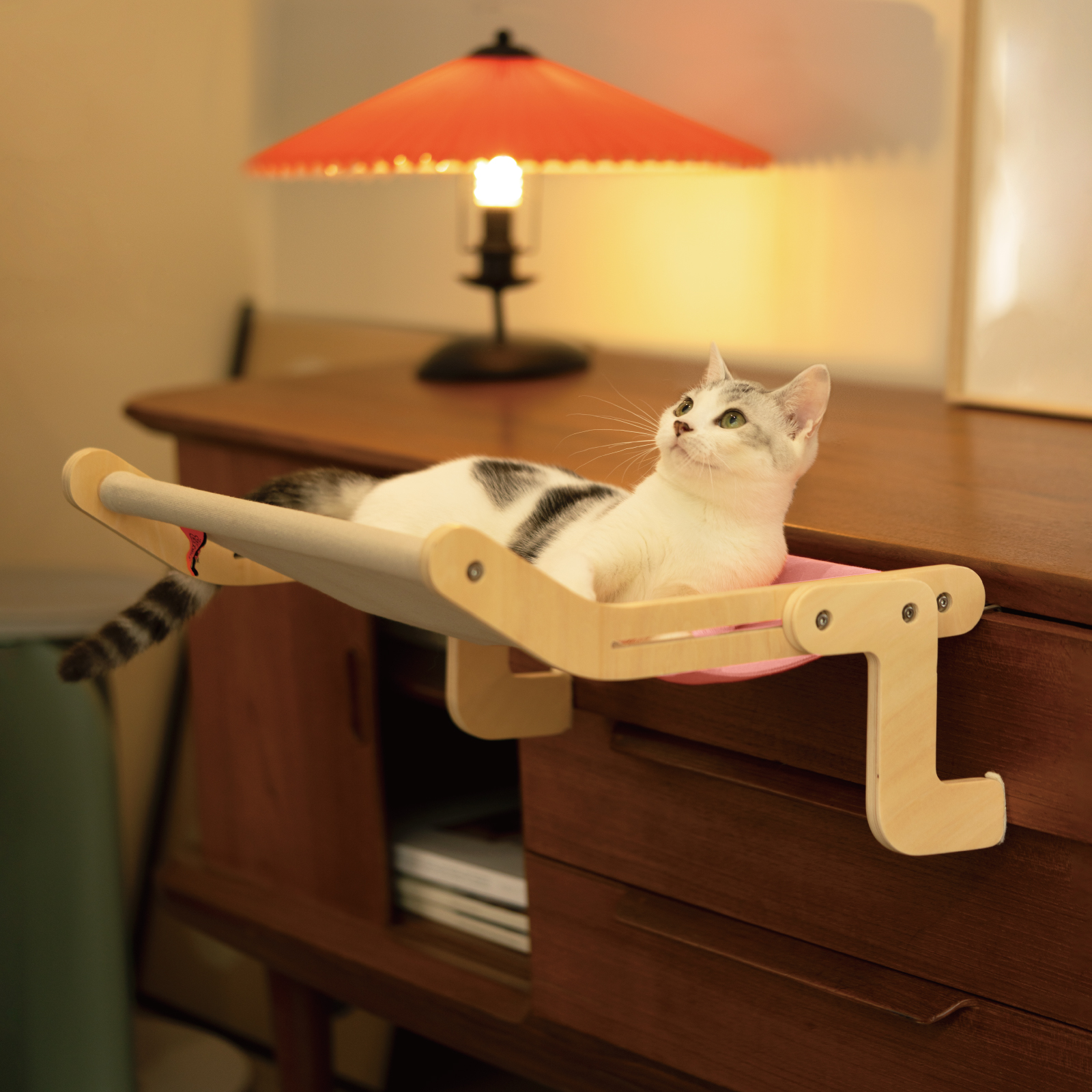
Credit: www.mewoofun.com
Physical Benefits Of Toys
Toys offer many physical benefits for cats that go beyond fun. They help keep cats active and healthy. Playing with toys encourages movement, which supports overall fitness. Cats that play regularly stay in better shape and avoid health issues. Toys also help sharpen physical skills like balance and speed.
Exercise And Weight Management
Playing with toys helps cats burn calories. It reduces the risk of obesity, which is common in indoor cats. Active play sessions keep muscles strong and joints flexible. Even short bursts of play improve heart health. Toys make exercise enjoyable, so cats move more often.
Improving Coordination And Agility
Toys stimulate a cat’s hunting instincts. Chasing and pouncing on toys refine their coordination. Quick movements improve balance and reaction time. Regular play builds agility, helping cats stay nimble. These skills are important for both indoor and outdoor cats.
Mental Benefits Of Toys
Toys help cats stay active and sharp by encouraging play and hunting instincts. Playing reduces stress and keeps their mind healthy. Cats enjoy toys that move or make noise, making playtime fun and stimulating.
Cats, like humans, need mental stimulation to stay healthy. Toys offer more than just fun; they provide vital mental benefits. Engaging with toys can improve a cat’s cognitive skills and emotional well-being. Let’s explore how toys can stimulate a cat’s mind and reduce boredom and stress.Stimulating The Cat’s Mind
Cats are naturally curious creatures. Toys tap into their instinct to explore and hunt. Puzzle toys challenge them to think and solve problems. Interactive toys mimic prey, triggering their hunting instincts. These activities keep their minds sharp and active.Reducing Boredom And Stress
A bored cat can become stressed or anxious. Toys offer an outlet for excess energy. They help in redirecting negative behaviors like scratching furniture. Playing with toys helps relieve stress and anxiety in cats. A relaxed cat is a happy cat.
Credit: us.amazon.com
Strengthening Bonds With Toys
Toys do more than just keep your cat entertained—they are a bridge to deeper connection and understanding between you and your feline friend. Sharing playtime with toys can open new doors to communication and trust. It’s a chance to learn what excites your cat and to respond in ways that make them feel loved and safe.
Interactive Play With Owners
Playing with your cat using toys creates moments of shared joy. When you use wand toys or laser pointers, your cat sees you as a fun and engaging partner. This interaction encourages your cat to be more active and responsive, making playtime a two-way experience.
Try to notice how your cat reacts to different toys. Do they prefer chasing, pouncing, or batting? Adjust your play style to match their preferences, and you’ll notice your cat becoming more eager to join in. This mutual activity strengthens your bond and keeps your cat mentally and physically healthy.
Building Trust And Affection
Trust grows when your cat feels safe during play. Toys can help your cat release energy without fear or anxiety. Offering toys during moments when your cat is calm or hesitant can encourage them to approach you more often.
Think about the last time you gently dangled a feather toy. Did your cat come closer and stay longer? These small gestures show your cat that you respect their pace and boundaries. Consistent play not only builds trust but also makes your cat more affectionate over time.
Choosing The Right Toys
Choosing the right toys for your cat is more than just picking something colorful off the shelf. It’s about understanding what keeps your feline friend engaged, safe, and happy. The right toy can spark their natural instincts and provide hours of fun, but the wrong one might cause boredom or even harm.
Safety Considerations
Always prioritize safety when selecting toys for your cat. Avoid small parts that can be swallowed or sharp edges that can cause injury. Toys made from non-toxic materials are essential, especially if your cat tends to chew aggressively.
Look for sturdy construction that won’t break apart easily during play. Loose strings or feathers can be tempting but might lead to choking or digestive blockages. Have you checked your cat’s toys lately for wear and tear? Regular inspection can prevent accidents before they happen.
Matching Toys To Cat’s Personality
Your cat’s personality plays a huge role in what toys they will enjoy. Some cats love chasing and pouncing, making laser pointers and feather wands perfect choices. Others prefer quiet, solo play with puzzle feeders or soft plush toys.
Consider your cat’s energy level and hunting style. A shy cat might need gentle, less stimulating toys to build confidence. Meanwhile, an energetic hunter will appreciate toys that challenge their agility and problem-solving skills. What kind of play does your cat naturally gravitate towards?
Creative Play Ideas
Creative play is essential for a cat’s happiness and health. It keeps their mind sharp and body active. Introducing new ideas for play helps prevent boredom. Cats enjoy toys that challenge their senses and instincts. Simple changes in playtime can make a big difference. Try mixing different toys and activities to see what excites your cat most.
Diy Toy Options
Making toys at home is fun and cost-effective. Use everyday items to create engaging playthings. A crumpled paper ball can become a favorite toy. Cardboard boxes turn into tunnels or hideouts. String and feathers simulate prey movements. Always supervise play to keep your cat safe. Homemade toys add variety and keep your cat curious.
- Paper balls or foil balls for chasing
- Cardboard boxes as hiding spots
- Feather wands or strings to mimic prey
- Old socks filled with catnip
- DIY puzzle feeders from plastic bottles
Incorporating Toys Into Daily Routine
Set specific times for play every day. Short, frequent sessions work better than long ones. Use toys to encourage exercise and exploration. Move toys to new spots to keep interest high. Praise your cat to make playtime positive. Rotate toys regularly to avoid boredom. Playtime strengthens your bond and keeps your cat happy.
- Play before meals to stimulate appetite
- Use interactive toys during quiet hours
- Include play sessions in morning and evening
- Engage your cat in hunting-like activities
- End play with gentle petting or treats

Credit: www.goodhousekeeping.com
Frequently Asked Questions
Do Cats Enjoy Playing With Toys?
Yes, most cats enjoy playing with toys. Toys stimulate their hunting instincts and provide physical exercise. Playtime also helps reduce stress and boredom in cats, improving their overall well-being.
What Types Of Toys Do Cats Prefer?
Cats often prefer toys that mimic prey, like feather wands, laser pointers, and small balls. Interactive toys that encourage chasing and pouncing keep cats engaged and mentally stimulated.
How Often Should I Give Toys To My Cat?
It’s best to provide playtime daily, ideally 10-15 minutes twice a day. Regular play keeps cats active, healthy, and mentally sharp, preventing destructive behavior from boredom.
Can Toys Help With A Cat’s Behavior Problems?
Yes, toys can reduce behavioral issues by channeling energy positively. Regular play decreases aggression, anxiety, and furniture scratching by satisfying natural hunting instincts.
Conclusion
Cats enjoy toys because they satisfy natural hunting instincts. Toys keep cats active and prevent boredom. They also help build a strong bond between you and your cat. Different cats like different types of toys, so try a few. Simple toys often bring the most joy.
Watching your cat play can be very fun and rewarding. Always choose safe toys to keep your cat happy and healthy. Playtime is important for a cat’s well-being and happiness.


Leave a Reply