
Have you ever wondered why your cat suddenly disappears with their toys? You might have noticed your furry friend hiding their favorite playthings in unexpected spots.
It’s a curious behavior that many cat owners find puzzling. Understanding why cats like to hide their toys can give you a deeper look into their unique personalities and instincts. Keep reading, and you’ll discover surprising reasons behind this quirky habit—and how it can help you connect better with your cat.
Why Cats Hide Toys
Have you ever noticed your cat quietly dragging a toy under the couch or tucking it away in a hidden corner? Cats often hide their toys, and this behavior is more than just playful mischief. Understanding why they do this can give you deeper insight into your feline friend’s natural instincts and needs.
Instincts Behind Toy Hiding
Cats are natural hunters. Even when your cat is playing indoors, their brain is wired to mimic hunting and survival tactics.
Hiding toys taps into their instinct to store food or valuable items for later. This behavior dates back to wild cats who needed to protect their catch from other predators.
Have you ever caught your cat “burying” a toy? That’s a perfect example of this instinct in action.
Territorial Behavior
Your cat’s toys are part of their territory. By hiding toys in specific spots, they might be marking areas they consider safe or private.
This behavior can also be a way to keep their “treasures” away from other pets or even people in the household.
If you notice your cat stashing toys in certain rooms or corners, it could be their way of creating a personal zone.
Play And Hunting Simulation
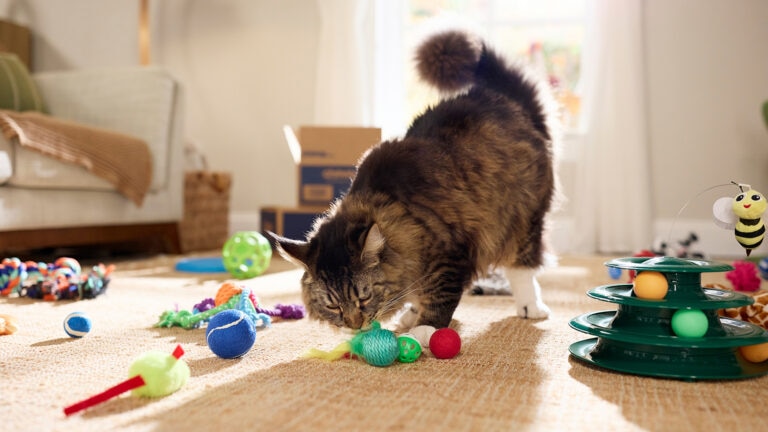
Hiding toys isn’t just about storage—it’s part of the game. Cats love to simulate the hunting process, which includes stalking, capturing, and then hiding prey.
This makes their playtime more engaging and mentally stimulating. It keeps their natural skills sharp and satisfies their curiosity.
Try hiding toys yourself and watch how your cat reacts—it might trigger their hunting instincts and encourage more active play.
Credit: www.chewy.com
Common Hiding Spots
Cats often hide their toys in spots that feel safe and out of plain sight. Understanding these common hiding places can help you keep track of your feline’s favorite playthings. Have you ever wondered where your cat sneaks off with that tiny mouse or jingling ball?
Under Furniture
One of the top hiding spots for cat toys is under furniture like sofas, beds, and cabinets. Cats enjoy the challenge of dragging their toys to these shadowy areas, where they feel protected. Next time you can’t find a toy, try checking beneath your furniture—you might be surprised at what you discover.
Inside Boxes And Bags
Boxes and bags offer cozy, enclosed spaces that cats love for hiding treasures. Your cat might stash toys inside cardboard boxes or reusable shopping bags. These spots give toys a secretive home and provide your cat with a fun place to pounce and play.
Behind Curtains And Appliances
Curtains and large appliances create narrow gaps that cats find perfect for hiding their toys. These spots are less obvious to you but highly appealing to your cat’s instinct to conceal objects. Peek behind your curtains or behind the fridge—you may find a collection of toys waiting for a game.
What Toys Are Usually Hidden
Cats often hide their toys as part of their natural behavior. This instinct comes from hunting and storing food. Toys that cats hide usually share certain qualities. These items are easy for cats to carry and stash away safely. Understanding which toys cats prefer to hide helps pet owners choose the right playthings.
Favorite Types Of Toys
- Small stuffed mice
- Feather wands
- Soft balls
- Crinkly fabric toys
- Lightweight plastic toys
Cats like toys that mimic prey like mice or birds. Soft toys often feel more natural to carry. Lightweight toys are easier to drag to hiding spots.
Size And Texture Preferences
Most hidden toys are small enough to fit in a cat’s mouth. Toys between 2 to 4 inches are ideal. Soft or slightly textured surfaces appeal to cats. They feel comfortable to hold and bite. Hard, heavy toys are less likely to be hidden.
Benefits Of Hiding Toys
Cats hiding their toys help keep them safe and private. This behavior satisfies their natural hunting instincts. It also provides comfort and a sense of control over their environment.
Cats have a curious habit of hiding their toys, which is not just amusing but also beneficial for their well-being. This behavior can be linked to their natural instincts, providing them with much-needed mental and physical stimulation. Plus, it offers emotional comfort, creating a sense of security. Understanding these benefits can help you enhance your feline friend’s environment, making playtime more enriching.Mental Stimulation
Hiding toys taps into your cat’s hunting instincts. When they search for a hidden toy, it mirrors the excitement of stalking prey. This activity keeps their brain active, preventing boredom and its associated behaviors. Consider placing toys in different locations around the house. This encourages your cat to explore and think critically about how to find them. It’s a simple way to keep their mind sharp.Physical Exercise
Searching for hidden toys gets your cat moving. This physical activity is vital, especially for indoor cats who might not get enough exercise. It’s a fun way to keep them fit and healthy. Even a short search can turn into a mini workout for your feline friend. You’ll notice them jumping, pouncing, and dashing around as they try to uncover their hidden treasures.Emotional Comfort
Hiding toys can provide emotional reassurance for your cat. It allows them to engage in familiar, comforting activities. Knowing they have “hidden treasures” can give them a sense of control and security. This behavior can be especially soothing for shy or anxious cats. It’s like a little secret they keep, which can be comforting when they’re feeling stressed. Why not try hiding a favorite toy and see how it impacts your cat’s mood? By understanding these benefits, you can make playtime a more rewarding experience for your feline companion. What creative ways can you think of to hide your cat’s toys today?Signs Your Cat Is Hiding Toys
Noticing that some of your cat’s favorite toys mysteriously disappear might make you wonder if your furry friend is actually hiding them. Cats often stash their toys in secret spots, just like they would with prey in the wild. Spotting the signs that your cat is hiding toys can help you understand their playful habits better and even lead you to those hidden treasures around your home.
Behavioral Clues
One clear sign your cat is hiding toys is sudden, secretive behavior. You might catch your cat carrying a toy in their mouth and slipping away to a quiet corner or under furniture. They may also paw at or dig around specific spots repeatedly, as if creating a little stash.
Have you noticed your cat disappearing for a few minutes only to return without their toy? That’s a good hint they’re hiding it somewhere out of sight. Cats often prefer out-of-reach or cozy places like behind couches, inside boxes, or under beds to store their playthings.
Changes In Play Patterns
If your cat’s play sessions get shorter or more focused on certain toys, it might mean they are saving some for later. You might find that your cat rotates through toys, bringing some out to play and keeping others hidden. This behavior mimics how cats in the wild manage their catch and food supplies.
Another clue is when your cat seems to lose interest in toys but suddenly finds excitement in an old toy again. This often happens when they “rediscover” a hidden toy. Have you ever found a toy tucked away in an unusual spot and wondered why your cat hid it there? That little mystery can be a fun way to bond with your cat and keep their playtime fresh.
How To Encourage Safe Toy Hiding
Encouraging cats to hide their toys safely benefits both pets and owners. It keeps toys organized and prevents damage around the house. Creating a safe environment for toy hiding also supports natural cat behaviors. It helps cats feel secure and entertained.
Providing Suitable Toys
Choose toys that are lightweight and easy to carry. Soft toys or small balls work well for hiding. Avoid toys with small parts that cats might swallow. Durable toys last longer and stay safe during play and hiding.
Designated Hiding Areas
Set up specific spots for your cat to hide toys. Use small boxes, baskets, or cozy corners. Make these areas quiet and comfortable. Cats prefer places where they feel safe and hidden.
Interactive Play Tips
Play with your cat using toys they can carry and hide. Toss toys gently toward their hiding spots. Praise your cat when they hide toys safely. Rotate toys to keep their interest high and encourage hiding habits.
When Hiding Becomes A Problem
Cats often enjoy hiding their toys, turning it into a fun game or a way to feel secure. But sometimes, this behavior can go beyond playful and start causing issues in your home or for your cat’s well-being. Recognizing when hiding toys becomes a problem can help you support your furry friend better.
Excessive Hoarding
Is your cat stashing an overwhelming number of toys in odd places? Excessive hoarding might mean your pet is feeling anxious or stressed. When they gather too many items, it can clutter your space and make it hard for your cat to play freely.
Try observing where they hide toys. Are these spots hard to reach or hidden behind furniture? Such locations might indicate your cat is trying to protect their treasures from perceived threats, which isn’t always healthy.
Potential Stress Indicators
Hiding toys can signal stress, especially if it’s accompanied by other changes like hiding themselves, decreased appetite, or aggression. Has your cat recently faced a change, like a new pet or moving house? These events can trigger behaviors like stashing toys as a coping mechanism.
Ask yourself: Is my cat’s toy-hiding part of a bigger pattern of anxious behavior? Noticing these signs early helps you address the root cause before it escalates.
When To Consult A Vet
If your cat’s toy hiding becomes obsessive or is paired with other worrying behaviors, it’s time to seek professional advice. A vet can help identify if there’s an underlying medical or psychological issue. Sometimes, what looks like harmless play might be a sign of discomfort or anxiety.
Don’t hesitate to reach out if you notice your cat’s behavior changing suddenly or worsening. Your vet can guide you on the best steps to help your pet feel safe and happy again.

Credit: www.holistapet.com

Credit: shakehands.co.in
Frequently Asked Questions
Why Do Cats Hide Their Toys Around The House?
Cats hide toys as a natural instinct to save them for later. It mimics hunting behavior where they stash prey. This behavior provides mental stimulation and comfort by keeping their prized possessions safe.
Do All Cats Enjoy Hiding Their Toys?
Not all cats hide toys, but many do. It depends on personality, age, and environment. Some cats prefer to play openly, while others feel secure when they stash toys away.
How Can I Encourage My Cat To Play With Hidden Toys?
Use interactive toys that mimic prey movement. Hide toys in safe spots and praise your cat when found. Rotate toys regularly to keep interest and stimulate natural hunting instincts.
Can Hiding Toys Indicate Any Health Or Behavior Issues?
Hiding toys usually isn’t a health concern. However, excessive hiding or aggression may signal stress or anxiety. Consult a vet if your cat’s behavior suddenly changes or seems unusual.
Conclusion
Cats often hide their toys to feel safe and playful. This behavior shows their natural hunting instincts. Hiding toys can also keep them entertained and curious. Watching your cat stash toys can be fun and revealing. It helps you understand your cat’s personality better.
Try giving your cat small toys to hide around the house. You might see more of this cute habit. Cats enjoy hiding toys just like they enjoy playing with them. It’s a small but important part of their daily life.



Leave a Reply