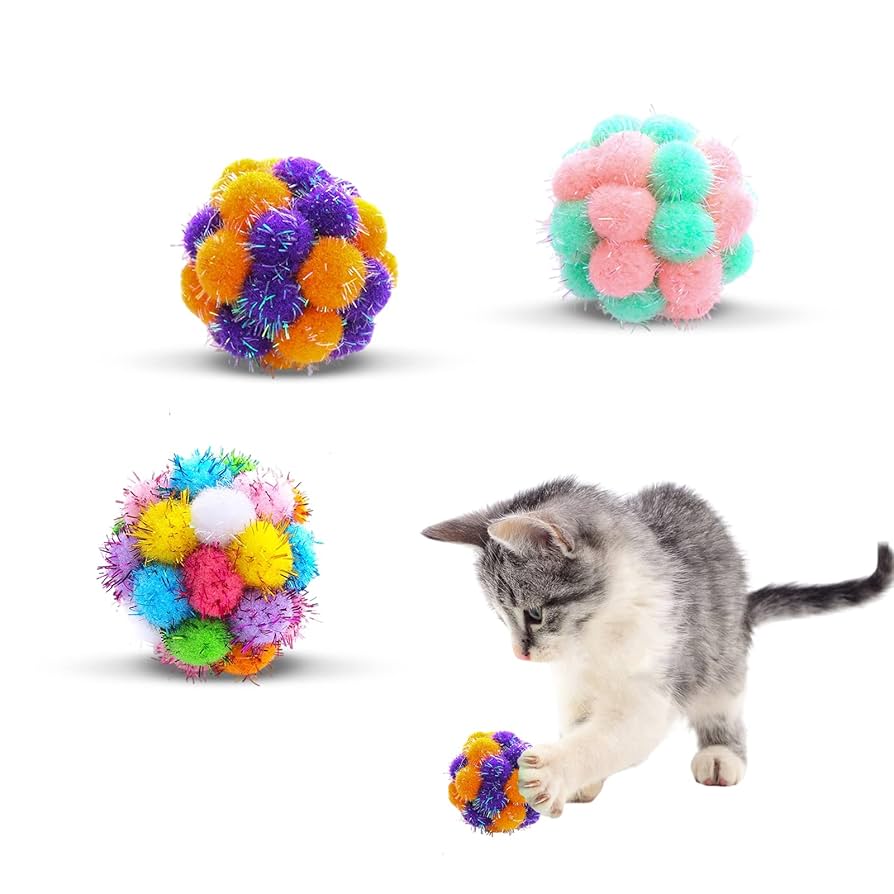
Have you ever wondered if your cat really enjoys playing with toys that have bells? You might see those jingling toys everywhere, but do they actually make your furry friend happy?
Understanding what excites your cat can help you choose the best toys to keep them entertained and active. Keep reading to discover the surprising truth about cats and bell toys—and how to make playtime more fun for your pet.

Credit: www.amazon.ca
Cats And Bells: Initial Attraction
Cats often show a curious fascination when they hear the soft tinkle of a bell. This initial attraction is not just random; it taps into their natural hunting instincts and sharp senses. Understanding why bells catch their attention can help you choose toys that truly engage your feline friend.
Why Bells Catch Cats’ Attention
The sound of a bell triggers a cat’s curiosity because it resembles the tiny noises made by prey. This small, unpredictable noise sparks their hunting drive, making playtime more exciting. Bells also add an auditory layer to toys, which keeps cats interested longer than silent toys.
Think about the last time you tossed a bell ball across the room. Your cat likely perked up, ears twitching, ready to pounce. This response shows how the bell’s sound works like a magnet for their attention.
Common Bell Toys For Cats
- Bell Balls:Lightweight balls with a small bell inside, perfect for batting and chasing.
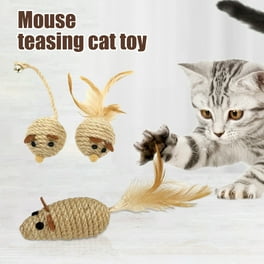
- Bell Mice:Soft, mouse-shaped toys with bells that mimic real prey sounds.
- Wand Toys with Bells:Interactive toys where a bell dangles from a wand, encouraging jumping and swatting.
- Catnip Bells:Bells combined with catnip, combining scent and sound for double the fun.
These toys leverage the bell’s sound to keep your cat stimulated and active. Have you noticed how your cat reacts differently to noisy toys versus silent ones? Using bell toys might just transform your play sessions.
Cats’ Reactions To Bells
When you introduce a bell toy to your cat, their reaction can be quite telling. Some cats instantly become intrigued, while others may show signs of discomfort. Understanding these responses helps you choose toys that truly engage your feline friend.
Playful Curiosity Or Annoyance?
Many cats show playful curiosity toward bells. The jingling sound can capture their attention and encourage chasing or batting at the toy. If your cat pounces eagerly or swats the bell, it’s a sign they enjoy the stimulation.
However, some cats find the noise irritating or stressful. You might notice your cat backing away, flattening their ears, or even hiding. Have you observed your cat’s body language closely when they hear a bell? These cues tell you if the bell is a source of fun or frustration.
Behavioral Differences Among Cats
Every cat has a unique personality, which influences how they react to bells. Younger cats and kittens often show more interest, while older cats may prefer quieter toys. Some cats have heightened sensitivity to sounds and may avoid noisy objects altogether.
It’s important to watch your cat’s behavior over time. A bell toy might excite your cat during playtime but become annoying if left around too long. Offering a variety of toys, both noisy and silent, lets you see which ones keep your cat happy and engaged.
Benefits Of Bell Toys
Cats often enjoy toys with bells because the sound sparks their natural hunting instincts. Bells keep playtime lively and help cats stay active and alert. Many cats find the noise intriguing, making bell toys a fun choice for entertainment.
Bell toys for cats can offer numerous benefits. These simple toys engage your feline friend in fun and healthy ways. Cats find the sound of bells intriguing and stimulating. They tap into their natural instincts and keep them active. Here are some key benefits of bell toys for your cat:Stimulating Hunting Instincts
Cats are natural hunters. Bell toys mimic the sounds of prey. This triggers a cat’s hunting instincts. The jingling sound encourages them to stalk and pounce. It keeps them mentally sharp and alert.Encouraging Exercise And Activity
Bell toys can motivate lazy cats to move. The sound attracts their attention and makes them curious. Chasing the toy provides physical exercise. It helps maintain a healthy weight and reduces boredom. By incorporating bell toys, you enrich your cat’s life. They stay engaged, active, and healthy.Potential Downsides Of Bells
Bells are common in cat toys, but they might not always be the best choice. Some cats find bells annoying or stressful. Understanding the potential downsides helps you choose better toys for your cat.
Stress And Overstimulation
Bells can cause stress for some cats. The constant jingling sound may overwhelm sensitive cats. This noise can lead to anxiety or avoidance of the toy.
Overstimulation can make cats lose interest quickly. Too much noise might cause irritation instead of fun. Cats need a balance between excitement and calm play.
Hearing Sensitivity Concerns
Cats have very sharp hearing. Loud or frequent bell sounds can hurt their ears. This might cause discomfort or even hearing damage over time.
Some cats may hide or become nervous around noisy toys. Sensitive hearing requires gentle sounds for safe play. Choose toys that respect your cat’s hearing limits.
Choosing The Right Bell Toy
Choosing the right bell toy for your cat can make a big difference in how much they enjoy playtime. Not all bells are created equal, and your cat’s safety and interest should guide your pick. Let’s look at what matters most when selecting a bell toy that your feline friend will love without causing any harm or stress.
Material And Size Considerations
The material of the bell is crucial for both durability and safety. Bells made from lightweight metals like aluminum are less likely to hurt your cat if they bat or bite them. Avoid heavy or sharp-edged bells that could injure your cat’s teeth or paws.
Size also plays a major role. A bell that’s too small might become a choking hazard, while one that’s too large could be cumbersome and discourage play. Aim for a bell that’s about the size of a dime or slightly bigger, so it’s easy for your cat to carry but not dangerous.
Think about your cat’s play style. Does your cat prefer gentle batting or aggressive chewing? This will help you decide on the best bell size and sturdiness.
Safe Bell Toys Vs. Noisy Distractions
Not all bells are fun for cats; some can be loud enough to scare or stress them out. You want a bell that produces a gentle jingling sound instead of a loud, sharp ring. Too much noise can turn playtime into an unpleasant experience.
Look for toys where the bell is securely enclosed inside fabric or a soft ball. This reduces noise intensity and prevents the bell from falling out and becoming lost or swallowed. It also keeps the sound more interesting rather than overwhelming.
Have you noticed your cat’s reaction when a bell rings? If your cat seems startled or avoids the toy, try a quieter option. Your cat’s comfort matters more than novelty.

Credit: feedtheball.com
Alternatives To Bell Toys
Some cats find bell toys too noisy or distracting. Others may ignore them after a while. Offering different toys helps keep your cat interested and happy. Alternatives to bell toys can be quieter and just as fun. These options stimulate your cat’s natural hunting and playing instincts without the constant ringing sound.
Silent Toys That Engage Cats
Silent toys provide fun without loud noises. Many cats prefer toys that mimic real prey silently. Examples include:
- Plush mice and small stuffed animals
- Feather wands without bells
- Soft balls made from fabric or yarn
- Crinkle tunnels with no bells inside
These toys encourage stalking, pouncing, and chasing. Cats enjoy the texture and movement instead of noise.
Interactive Toys Without Bells
Interactive toys keep cats active and curious. These toys do not rely on sound to capture attention. Popular choices include:
- Laser pointers that create moving light spots
- Automated moving toys with smooth motions
- Puzzle feeders that challenge cats to get treats
- Track toys with balls that roll silently
Interactive play builds your cat’s focus and energy. It also strengthens your bond without bell sounds.
Tips For Introducing Bells To Cats
Introducing bells as toys to your cat can be an exciting way to add variety to their playtime. However, not all cats react the same way to the jingling sound. To make the experience enjoyable, you need to introduce bells carefully and pay attention to your cat’s comfort level.
Gradual Introduction Techniques
Start by letting your cat see and sniff the bell without any noise. Place the bell near their favorite resting spot for a few days so they get used to its presence. Once your cat seems comfortable, gently shake the bell from a distance to create a soft sound.
Next, try attaching the bell to a familiar toy or string and engage your cat in slow, gentle play. This helps them associate the bell’s noise with fun moments. Avoid sudden loud jingles that could startle your cat or make them wary of the toy.
Observing And Responding To Reactions
Watch your cat’s body language closely when the bell is introduced. If they approach calmly, pounce, or bat at the toy, it’s a sign they enjoy the new sound. On the other hand, if your cat backs away, hides, or shows signs of stress, pause the introduction and give them space.
Adjust the play sessions based on your cat’s responses. Some cats prefer short, frequent sessions with the bell, while others might need longer breaks between interactions. Have you noticed your cat reacting differently to noisy toys compared to silent ones? Their preferences can guide how you proceed.
Credit: www.walmart.com
Frequently Asked Questions
Do Cats Enjoy Playing With Bells As Toys?
Many cats are intrigued by the sound of bells. They enjoy the noise and movement, which stimulates their hunting instincts. However, some cats may find the noise annoying. Always observe your cat’s reaction to ensure they like bell toys.
Are Bell Toys Safe For Cats To Play With?
Bell toys are generally safe if they are well-made and securely attached. Small parts that can break off pose a choking risk. Supervise your cat during playtime and choose high-quality, durable toys to prevent accidents.
How Do Bells Affect A Cat’s Hunting Behavior?
Bells mimic prey sounds, stimulating a cat’s natural hunting instincts. The noise encourages play and exercise. However, some cats might get startled or distracted by the sound, so individual preferences vary.
Can Bells Help Locate My Cat While Playing?
Yes, bells can help track your cat during play. The jingling sound makes it easier to find them indoors or outdoors. This is especially useful for active or outdoor cats to prevent losing track.
Conclusion
Cats may enjoy bells, but not all do. Some find the sound fun and exciting. Others might feel scared or annoyed by it. Watching your cat’s reaction helps you choose the right toy. Bells can add extra playtime joy for many cats.
Still, always ensure the toy is safe and not too loud. Every cat is different, so try different toys to see what they like best. Playtime should be fun and stress-free for your furry friend.

Leave a Reply