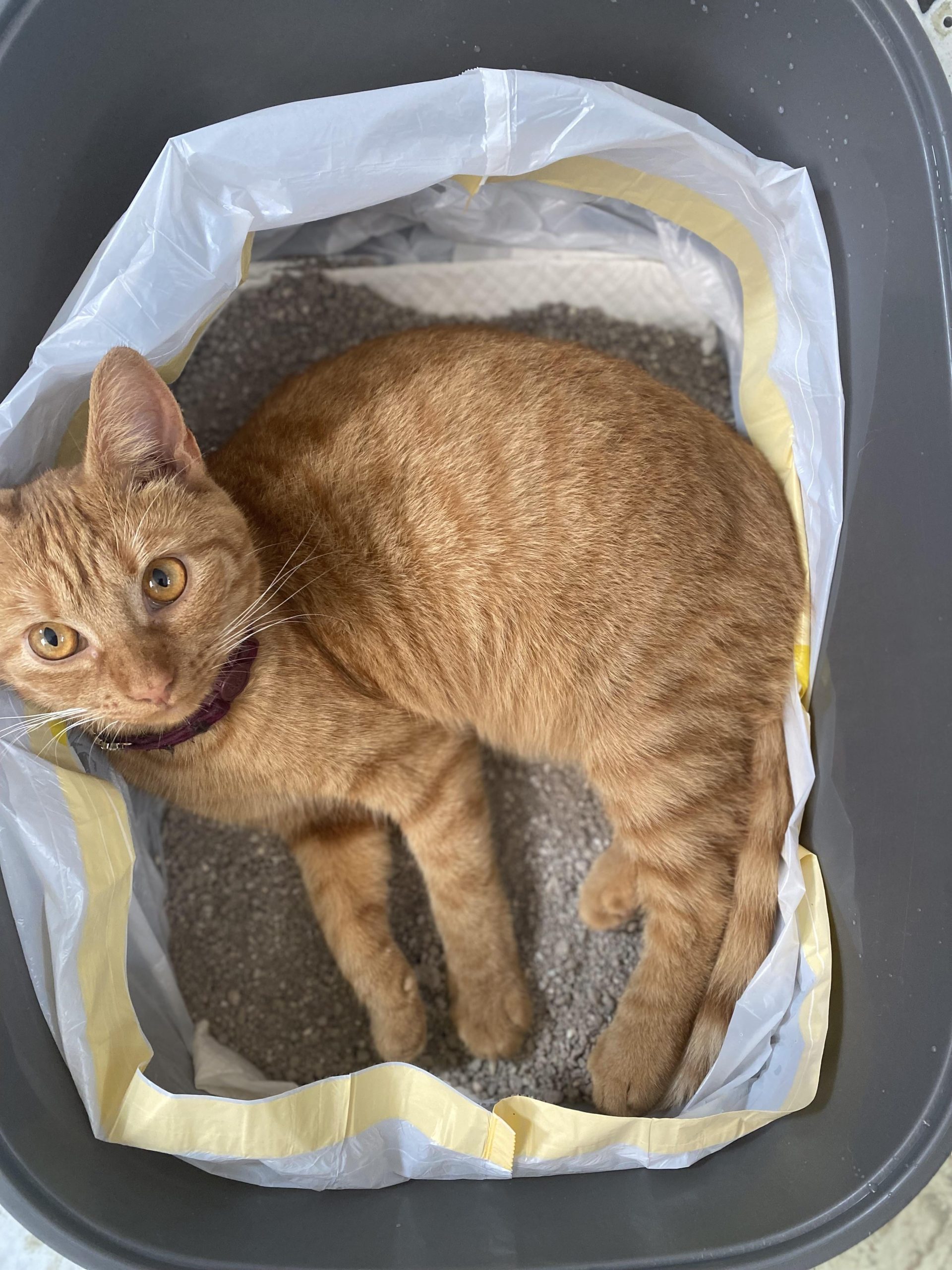
Have you ever wondered if your cat naturally knows how to use the litter box, or if it’s something they need to be taught? Understanding whether cats instinctively use a litter box can save you time, frustration, and help create a happier home for both you and your furry friend.
You’ll discover surprising facts about your cat’s natural habits and learn how to make litter training easier than you ever thought possible. Keep reading to unlock the secrets behind your cat’s behavior and make litter box problems a thing of the past.

Credit: www.reddit.com
Cat Bathroom Habits
Understanding your cat’s bathroom habits can help you create a comfortable environment for them. Cats have unique ways of handling their elimination needs, which often tie back to their natural instincts and evolutionary history. Observing these habits can reveal a lot about their behavior and how they interact with their surroundings.
Natural Instincts In Cats
Cats instinctively bury their waste to hide their scent from predators and other animals. This behavior is deeply rooted in their survival instincts. Even kittens show a preference for covering their mess shortly after birth.
If you’ve ever introduced a new litter box, you might notice your cat immediately tries to dig and cover their waste. This instinct is strong and helps explain why many cats take to litter boxes quickly if the box mimics natural conditions like loose, sandy material.
Evolution Of Elimination Behavior
Wild cats avoid leaving obvious signs of their presence to reduce the risk of confrontations. This elimination behavior evolved as a defense mechanism. It’s why domestic cats often prefer litter boxes that offer privacy and a sense of security.
Think about how outdoor cats choose their spots—quiet, hidden areas with soft ground. This instinct carries over to indoor cats, who seek similar comfort in their litter boxes. You can help your cat by placing the box in a calm, low-traffic area, making it feel safe and natural.
Credit: www.petscare.com
Role Of Instinct In Litter Box Use
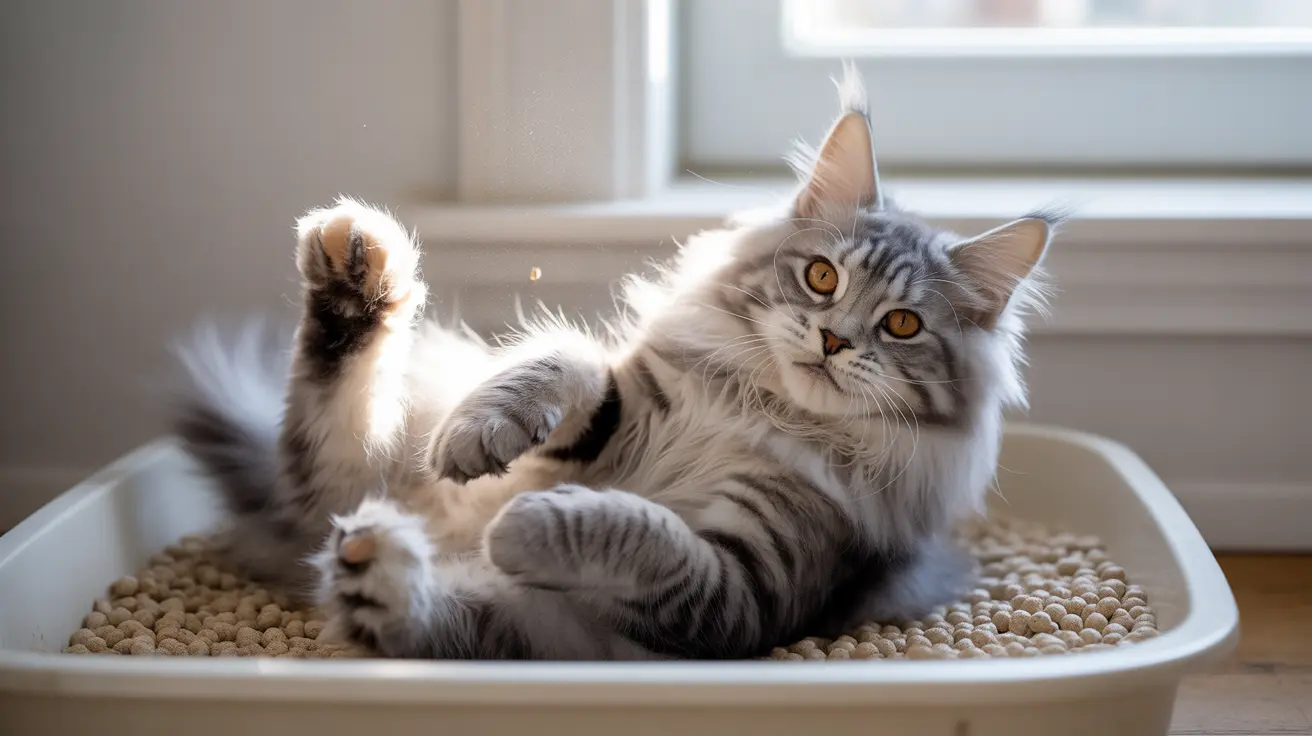
Cats have a natural tendency to bury their waste. This behavior comes from their wild ancestors who used it to hide their scent. Instinct plays a strong role in a cat’s use of a litter box. It helps guide them to the right spot for elimination.
Understanding this instinct sheds light on how cats learn to use litter boxes quickly. It also explains why some cats refuse a box if it feels wrong to them. Instinct is powerful but not the only factor.
How Instinct Guides Cats
Cats instinctively seek clean, soft places to relieve themselves. They prefer to bury their waste to avoid predators. This natural habit helps keep them safe in the wild.
When introduced to a litter box, many cats recognize it as a suitable place. The texture of litter mimics soil or sand. It triggers their instinct to dig and cover waste.
Mother cats teach kittens to use the litter box by example. Kittens watch and learn this natural behavior early. This guidance helps kittens adapt to indoor living.
Limits Of Instinctual Behavior
Instinct does not guarantee perfect litter box use. Some cats may avoid the box due to stress or illness. The box’s location, cleanliness, and type of litter affect acceptance.
Cats also need positive experiences to form good habits. A dirty or smelly box can cause refusal. Instinct alone cannot overcome negative associations.
Some cats may develop bad habits if their instincts are blocked. Owners must provide a proper environment. Instinct works best with care and understanding.
Training And Environmental Factors
Cats have an instinct to use a litter box, but training and environmental factors play a crucial role. These factors can significantly influence a cat’s litter box habits.
Importance Of Early Exposure
Early exposure to a litter box helps kittens learn quickly. Young cats adapt faster when introduced to a litter box early in life. They watch their mothers and mimic their behavior. This natural learning process is crucial for their habits.
Influence Of Owner’s Actions
Owners play a key role in litter box training. Positive reinforcement encourages desired behavior. Consistency in actions helps cats feel secure. Cats respond well to praise and gentle guidance.
Effect Of Litter Box Setup
The setup of the litter box affects its use. Location matters. Place it in a quiet, accessible area. Ensure the box is clean and odor-free. Cats prefer a tidy environment for their needs. The type of litter also influences their comfort and usage.
Common Misconceptions
Many people believe cats naturally use the litter box without any training. This common idea causes confusion when cats avoid the box. Understanding these misconceptions helps improve cat care. It also reduces frustration for owners dealing with litter box problems.
Myth Of Automatic Litter Box Use
People often think all cats know how to use a litter box instinctively. Cats do have instincts to bury their waste, but not all understand the litter box right away. Kittens need time to learn where to go. Rescue cats might not know about litter boxes at all. Without guidance, cats may eliminate elsewhere.
Expecting cats to use the litter box automatically can lead to accidents. Training and patience are essential. Setting up a clean, quiet litter area helps cats learn faster.
Why Some Cats Avoid The Litter Box
Several reasons explain why cats avoid the litter box:
- Litter box is dirty or smells bad.
- Box location is noisy or hard to reach.
- Type of litter is uncomfortable for the cat.
- Stress or changes in the environment.
- Health problems like urinary tract infections.
Avoidance does not mean the cat is bad or disobedient. It shows a problem with the litter box setup or health. Observing the cat’s behavior and making changes often solves the issue.
Tips To Encourage Litter Box Use
Encouraging your cat to use the litter box is important for a clean home and a happy pet. Cats have natural instincts to bury their waste, but some need a little help to develop good habits. Simple changes and positive actions can make a big difference in their litter box use.
Choosing The Right Litter
Select litter that feels soft and natural under your cat’s paws. Unscented clumping litter is often preferred. Avoid strong smells or dusty types, as cats dislike them. Test different kinds to find what your cat likes best.
Placement And Cleanliness
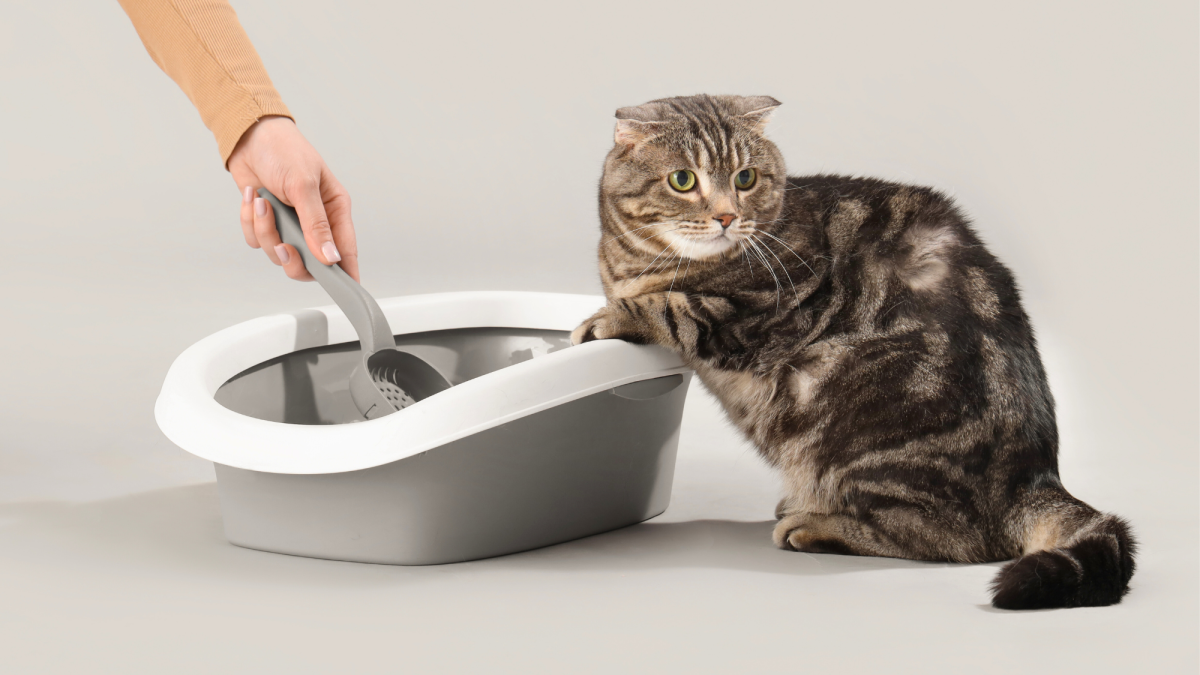
Place the litter box in a quiet, low-traffic area. Cats want privacy when they go. Keep the box away from their food and water bowls. Scoop waste daily and wash the box weekly. A clean box encourages regular use.
Positive Reinforcement Techniques
Reward your cat with gentle praise or a small treat after using the litter box. Avoid punishment for accidents, as it can cause fear. Be patient and consistent. Use calm tones and loving attention to build trust and good habits.
Credit: pethelpful.com
Frequently Asked Questions
Do Cats Naturally Use Litter Boxes?
Yes, cats have an instinct to bury their waste. This behavior helps keep their environment clean and hides their scent from predators.
How Quickly Do Cats Learn To Use Litter Boxes?
Most cats learn within a few days. Kittens often observe their mothers, while adult cats adapt with proper guidance.
Can All Cats Be Trained To Use A Litter Box?
Almost all cats can learn with patience. Some may need extra encouragement or adjustments to the litter type or box location.
Why Do Some Cats Avoid The Litter Box?
Avoidance may be due to stress, illness, or an unclean box. Identifying and addressing these issues usually resolves the problem.
Conclusion
Cats usually know how to use a litter box by instinct. They like to bury their waste, which comes naturally. Still, some cats need a little help learning where to go. Owners should keep the box clean and in a quiet place.
This helps cats feel safe and comfortable. Remember, patience and consistency work best with cats. Watching your cat closely can guide you to solve problems early. Trust your cat’s natural habits, but support them when needed. A happy cat means a happy home.



Leave a Reply