Have you ever wondered if cats in shelters take care of themselves the way they do at home? You might think that a shelter’s busy, noisy environment could stop them from grooming properly.
But your cat’s grooming habits say a lot about their health and comfort. You’ll discover how shelter cats manage their cleanliness, what it means for their well-being, and why understanding this can help you better care for your furry friend—whether you’re adopting or just curious.
Keep reading to learn the surprising truth about cats and grooming in shelters.

Credit: www.reddit.com
Cats’ Grooming Habits
Cats are known for their meticulous grooming habits, which play a vital role in their overall health and well-being. Understanding how cats groom themselves, especially in the shelter environment, reveals much about their comfort and stress levels. Observing these behaviors can help you recognize when a cat is thriving or struggling to cope.
Why Grooming Matters
Grooming is more than just keeping a cat clean. It helps regulate body temperature, remove dirt, and reduce parasites like fleas. When you see a cat grooming regularly, it often means they feel safe and relaxed.
In shelters, cats might groom less due to stress or illness. This can lead to matted fur or skin problems. If a cat stops grooming altogether, it’s a red flag that something might be wrong.
Typical Grooming Behaviors
Most cats spend about 30-50% of their waking hours grooming. They use their tongue to clean fur, claws to scratch hard-to-reach spots, and teeth to remove tangles.
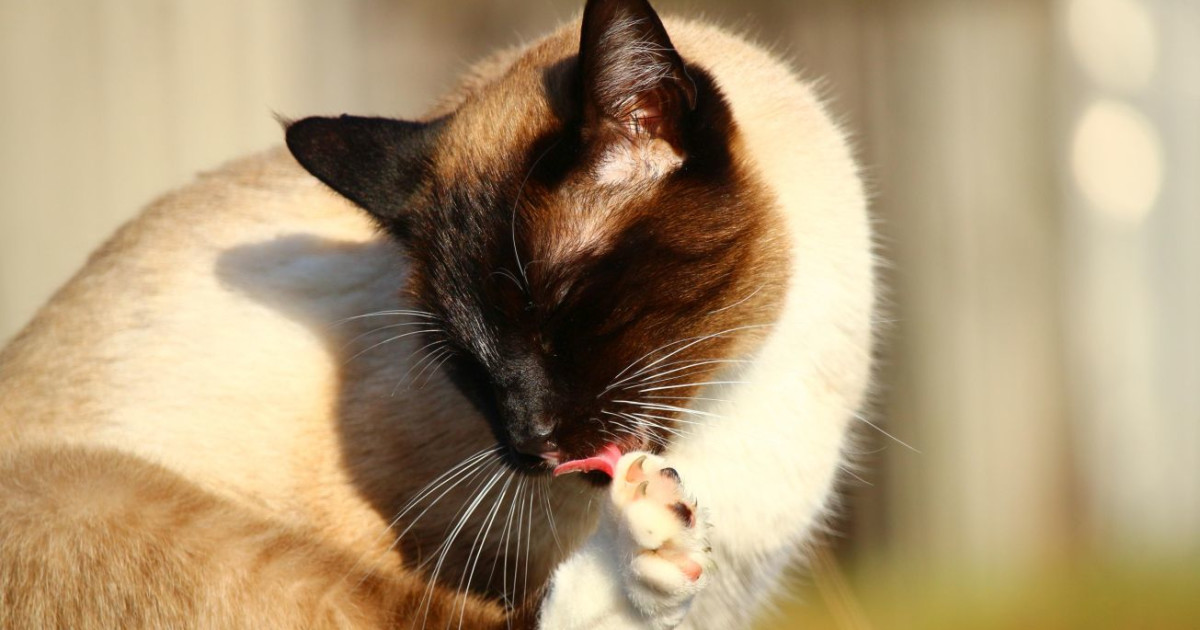
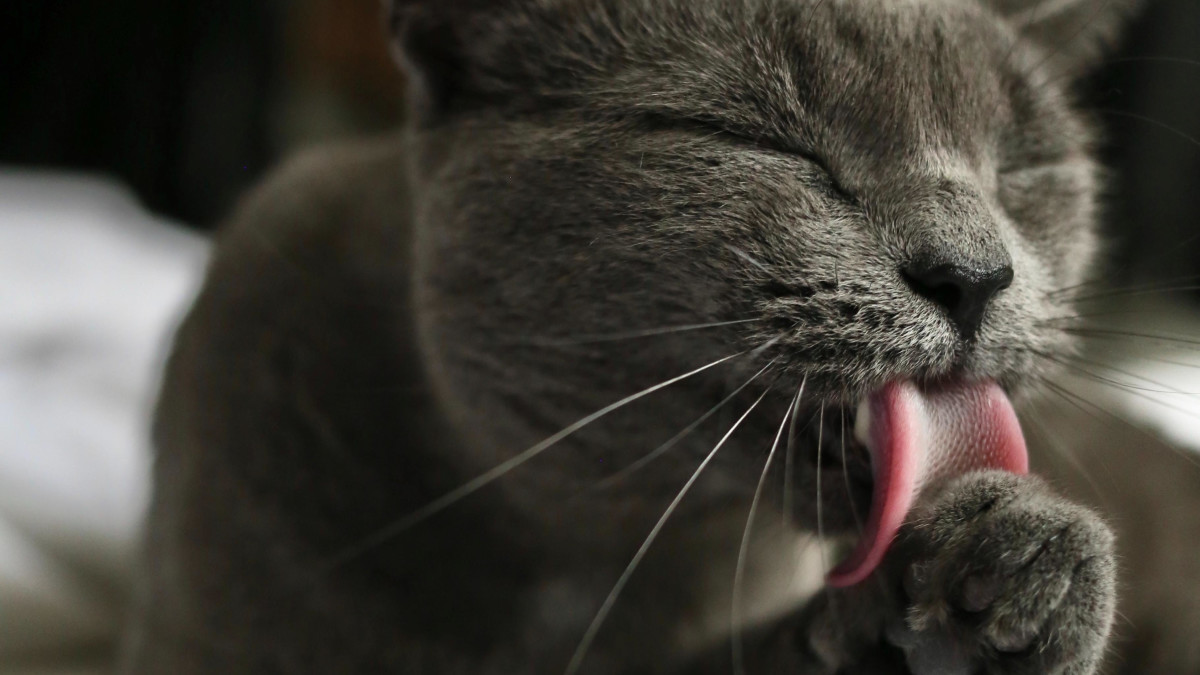
- Licking their paws and rubbing their face
- Cleaning behind their ears and under their chin
- Stretching and scratching to loosen fur
Have you noticed a shelter cat suddenly grooming more or less than usual? Changes like these can indicate emotional stress or health issues. Pay attention to their grooming patterns; they tell a story about their current state.

Credit: www.cnn.com
Shelter Environment Impact
The shelter environment greatly affects how cats groom themselves. Cats rely on routine and calm spaces to stay clean. Shelters can be noisy and crowded, which changes grooming habits. Understanding these factors helps improve cat care and hygiene in shelters.
Stress And Grooming
Stress often lowers a cat’s grooming activity. Cats may stop cleaning themselves when feeling scared or anxious. Loud noises and many strangers increase stress levels. Stress can cause over-grooming or under-grooming. Both conditions affect a cat’s health and comfort.
Space And Comfort Factors
Limited space in shelters reduces a cat’s ability to move freely. Cats need room to stretch and reach all body parts for grooming. Crowded cages make it hard to stay clean. Comfortable bedding and quiet spots encourage better grooming. These simple changes support a cat’s natural habits.
Changes In Grooming In Shelters
Cats usually keep themselves clean through regular grooming, but shelter environments can change this behavior significantly. The stress, new surroundings, and lack of familiar routines often cause noticeable shifts in how cats groom. Understanding these changes can help you better support cats in shelters and recognize when they might need extra care.
Reduced Grooming Signs
Many cats in shelters groom less than they normally would. You might notice a dull or greasy coat, patches of dirt, or matted fur that wasn’t there before. This reduction often signals stress or discomfort, which can be overwhelming for cats in an unfamiliar place.
Reduced grooming can also lead to skin problems or infections if left unaddressed. You might see cats avoiding eye cleaning or neglecting areas like their belly and legs. These signs are subtle but important clues to a cat’s well-being.
Overgrooming And Its Causes
On the other hand, some cats groom themselves excessively in shelters. This behavior can cause bald spots, sores, or irritated skin. Overgrooming often happens because the cat is anxious or stressed, trying to comfort itself.
Environmental factors like loud noises, other animals, or lack of hiding spots can increase stress levels. You might find a cat licking or biting the same spot repeatedly, which is a clear signal they need help to calm down. Have you ever noticed how a sudden change in your own routine affects your habits? Cats react similarly, showing their stress through grooming.

Credit: www.newsweek.com
Health And Grooming Link
Understanding the link between health and grooming in shelter cats is crucial. Grooming is not just about cleanliness; it reflects a cat’s overall well-being. When cats neglect grooming, it often signals underlying health issues that need attention.
Skin And Coat Issues
In shelters, cats may develop skin and coat problems due to stress, poor nutrition, or illness. You might notice dull fur, bald patches, or excessive dandruff. These signs often point to parasites, infections, or allergies.
One shelter cat I cared for had matted fur and frequent scratching. After a vet visit, we discovered a flea infestation that was causing skin irritation. Addressing the health problem allowed the cat to groom again, improving its coat condition quickly.
- Look for redness or swelling on the skin.
- Watch for hair loss in specific spots.
- Check if the fur feels oily or crumbly.
Behavioral Indicators
Changes in grooming behavior can reveal a lot about a cat’s emotional and physical state. Cats that stop grooming may be experiencing pain, anxiety, or depression. Conversely, over-grooming might indicate stress or skin discomfort.
Have you ever seen a cat licking one spot repeatedly? This behavior could be a response to pain or irritation. Observing these patterns helps shelter staff intervene early with medical or behavioral support.
- Sudden reduction in self-grooming can signal illness.
- Excessive licking may cause sores or hair loss.
- Grooming habits can shift with changes in the environment.
How Shelters Support Grooming
Cats in shelters usually groom themselves, but stress can affect their habits. Shelters provide clean spaces and sometimes gentle care to help cats stay healthy and comfortable. This support encourages cats to maintain their natural grooming routine.
Caring for cats in shelters goes beyond providing food and shelter. Grooming is an essential part of a cat’s well-being, and shelters play a crucial role in supporting this natural behavior. By creating an environment that encourages self-grooming, shelters help cats maintain their health and comfort, even in a busy setting.Providing Safe Spaces
Shelters understand that a calm and secure environment is vital for cats to groom themselves. Many shelters provide cozy nooks and private areas where cats can retreat and feel safe. These spaces help reduce stress, allowing cats to engage in natural grooming behaviors. Have you ever noticed how a relaxed cat will spend hours grooming itself? A safe space in a shelter can mimic the comfort of a home environment, encouraging this essential activity.Regular Health Checks
Routine health checks are another way shelters support cat grooming. By monitoring each cat’s health, shelter staff can identify any issues that might prevent proper grooming, such as skin conditions or dental problems. Addressing these concerns promptly ensures that cats can groom themselves efficiently. This proactive approach not only keeps cats healthy but also boosts their confidence and happiness. By providing safe spaces and regular health checks, shelters create an environment where cats can thrive. How do you think these efforts impact the overall well-being of shelter cats?Tips For New Cat Owners
Bringing a cat home from a shelter is an exciting journey filled with new responsibilities. One key area new cat owners should focus on is grooming. Cats in shelters often have unique grooming needs due to stress and environmental changes. Understanding these needs can help you provide the best care and comfort for your new feline friend.
Recognizing Grooming Needs
Cats naturally groom themselves, but shelter cats might not always keep up due to stress or health issues. Watch for signs like matted fur, dandruff, or excessive scratching. These can indicate your cat needs extra help with grooming.
Different cats have different grooming habits. Short-haired cats might need occasional brushing, while long-haired cats often require daily attention to prevent tangles. Pay attention to your cat’s coat and skin condition to decide how often to groom.
Have you noticed your cat licking certain spots more than others? This could signal discomfort or an underlying problem. Regularly check your cat’s paws, ears, and teeth as part of grooming to catch issues early.
Helping Cats Adjust
New environments can be overwhelming for shelter cats. They may groom less when stressed or scared. Create a calm, quiet space at home where your cat feels safe and can gradually get used to their surroundings.
Introduce grooming tools gently. Let your cat sniff and explore brushes or combs before you start. Use soft, slow strokes to build trust and make grooming a positive experience.
If your cat resists grooming, try breaking sessions into short, frequent intervals. Reward calm behavior with treats or gentle petting. This encourages your cat to associate grooming with comfort and care.
Have you tried talking softly or humming while grooming? Sounds can soothe your cat and make them more receptive. Observing and responding to your cat’s reactions will guide you in creating a grooming routine they enjoy.
Frequently Asked Questions
Do Cats Groom Themselves In Animal Shelters?
Yes, cats generally groom themselves in shelters. Grooming helps them stay clean and reduces stress. However, some cats may groom less due to anxiety or illness.
How Often Do Shelter Cats Groom Daily?
Shelter cats typically groom several times a day. Grooming frequency varies based on the cat’s health, environment, and stress levels.
Does Shelter Stress Affect Cat Grooming Habits?
Yes, stress in shelters can reduce grooming. Stressed cats may groom less or over-groom, impacting their coat condition and health.
Can Shelter Staff Assist With Cat Grooming?
Shelter staff often help by brushing cats and cleaning them. This support keeps cats comfortable and improves their overall well-being.
Conclusion
Cats in shelters often groom themselves to stay clean and calm. This behavior helps them feel safer in new places. Grooming also shows they try to keep their health. Shelter staff watch this to check cats’ well-being. Proper grooming is a sign of a happy cat.
It tells us they adapt, even in strange environments. Watching cats groom can make us understand them better. Caring for shelter cats means supporting their natural habits. This helps them stay healthy and ready for new homes.

Leave a Reply