Have you ever noticed your cat licking itself more than usual and wondered why? If your furry friend seems to be grooming nonstop, it might be more than just keeping clean.
Stress can play a big role in how often cats groom, and understanding this can help you keep your pet happy and healthy. You’ll discover why your cat might be grooming more when stressed, what signs to watch for, and how you can help your companion feel calm again.
Keep reading to unlock the secrets behind your cat’s behavior and improve their well-being.
Cats And Grooming Habits
Cats are known for their meticulous grooming habits, which play a vital role in their overall health and well-being. Understanding these habits can help you spot changes that might indicate stress or other issues. Observing your cat’s grooming patterns gives you insight into their emotional and physical state.
Normal Grooming Patterns
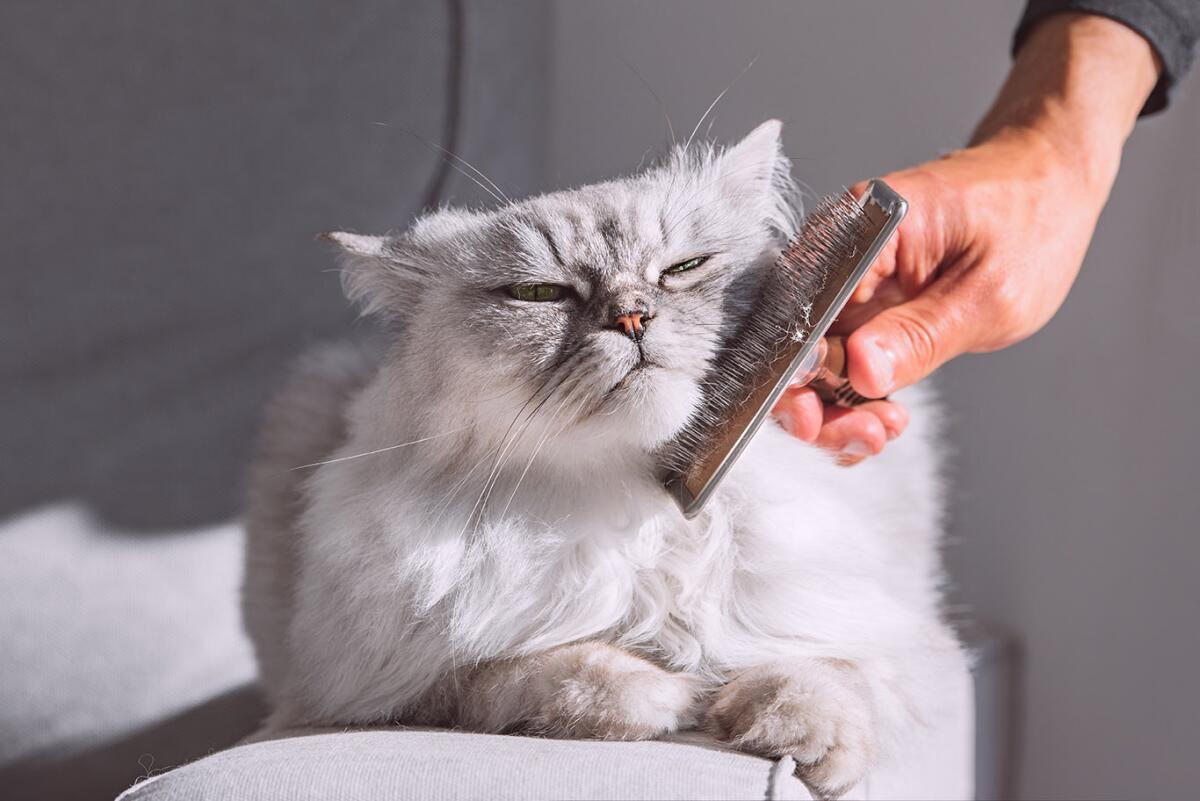
Most cats spend around 30-50% of their waking hours grooming themselves. This behavior helps them stay clean, regulate body temperature, and even calm themselves. Have you noticed your cat licking its fur in a rhythmic, gentle way? That’s a sign of normal grooming.
However, if grooming becomes excessive or stops altogether, it might signal stress or health problems. For example, a stressed cat may groom so much that they develop bald patches. On the other hand, a sick or depressed cat might neglect grooming and appear unkempt.
Grooming Frequency By Age And Breed
Age plays a big role in how often a cat grooms itself. Kittens tend to groom less as they are still learning, while adult cats usually have consistent grooming routines. Senior cats might groom less due to arthritis or dental pain, which can make grooming uncomfortable.
Breed also affects grooming habits. Long-haired breeds like Persians need more grooming, sometimes assisted by their owners, to prevent matting. Short-haired breeds, such as the American Shorthair, groom less frequently but still maintain a daily routine.
Have you considered your cat’s breed and age when evaluating their grooming? Paying attention to these details can help you understand if their grooming habits are normal or a sign of stress.
Stress Signals In Cats
Recognizing stress signals in cats is key to understanding their grooming habits. Stress doesn’t always show up as obvious signs like hiding or hissing. Sometimes, it’s subtle, like changes in how often or how intensely your cat grooms itself.
Common Causes Of Stress
Cats can get stressed by many things around them. Loud noises, new people in the house, or changes in their environment can trigger stress. Even small shifts, like moving furniture or a new pet, can unsettle your cat.
Think about your own daily stress—unexpected events or discomfort can make you act differently. Your cat’s world is much smaller, so changes hit harder. Have you noticed if your cat started grooming more after a big change at home?
Behavioral Changes Under Stress
Stress often changes a cat’s behavior in noticeable ways. You might see them grooming more than usual, sometimes to the point of causing bald spots. This overgrooming is not just about cleanliness but a coping mechanism.
Other signs include restlessness, hiding, or even aggression. Your cat might also lose interest in playing or eating. Observing these shifts can help you spot stress early and support your pet effectively.
Link Between Stress And Grooming
Understanding the connection between stress and grooming in cats can help you recognize changes in your pet’s behavior early. Grooming is a natural activity for cats, but stress can alter this habit in noticeable ways. Observing these changes can give you clues about your cat’s emotional well-being.
Increased Grooming As A Stress Response
Cats often groom themselves more when they feel stressed. This behavior acts like a coping mechanism, helping them calm down. You might see your cat licking or cleaning itself repeatedly after loud noises or changes in the environment.
Sometimes, this increased grooming is subtle, like spending a bit more time cleaning. Other times, it becomes intense and almost compulsive. Have you noticed your cat suddenly spending hours grooming without a clear reason?
Comparing Overgrooming And Healthy Grooming
Healthy grooming involves regular, balanced cleaning that keeps your cat’s coat shiny and skin healthy. Overgrooming, on the other hand, can lead to bald patches, redness, or even sores. This is a sign that grooming has become more than just hygiene—it’s a stress reaction.
Keep an eye on your cat’s grooming habits by checking for:
- Excessive licking in one spot
- Hair loss or skin irritation
- Changes in grooming frequency compared to usual
When you spot these signs, consider what might be stressing your cat. Could it be a new pet, a move, or loud noises? Addressing the root cause helps reduce stress and restores healthy grooming habits.
Health Implications Of Excess Grooming
Excessive grooming in cats, especially when driven by stress, can lead to serious health problems. While grooming is a natural behavior, overdoing it may cause physical damage to your cat’s skin and coat. Understanding these health risks can help you spot problems early and protect your furry friend.
Skin Irritations And Hair Loss
Over-grooming often results in irritated skin. Your cat may develop red, inflamed patches that are itchy or painful. This can lead to open sores or scabs, increasing the risk of infections.
Hair loss is another common sign of stress-related grooming. You might notice bald spots, especially around the neck, belly, or legs. These areas become vulnerable and less protected against environmental damage.
Have you seen your cat licking or biting the same spot repeatedly? That’s a warning sign you shouldn’t ignore. It’s important to monitor these behaviors before they worsen.
When To Seek Veterinary Help
If you spot persistent bald patches, open wounds, or your cat seems uncomfortable, it’s time to consult a vet. They can rule out other causes like allergies, parasites, or skin infections.
Veterinary care can also help manage your cat’s stress through behavioral advice or medication if needed. Don’t wait until the problem becomes severe — early intervention often leads to quicker recovery.
Ask yourself: Is your cat grooming more than usual? Are there signs of discomfort or skin damage? If yes, reaching out to a professional could save your cat from further harm.
Managing Stress To Reduce Grooming
Managing stress in cats can effectively reduce excessive grooming, a common behavior in stressed felines. Cats, much like humans, can experience stress from changes in their environment, routine, or even their health. Addressing these stressors can help your feline friend lead a more relaxed life, ultimately reducing unnecessary grooming habits.
Environmental Enrichment Tips
Creating a stimulating environment for your cat is a key factor in managing stress. You can start by adding interactive toys that challenge and engage your cat’s natural instincts. Items such as feather wands, puzzle feeders, or even a simple ball of yarn can provide much-needed mental and physical stimulation.
Consider dedicating a space in your home where your cat feels safe and secure. A cozy corner with a comfortable bed or a perch by the window can serve as a perfect retreat. This personal space allows your cat to unwind and observe their surroundings without feeling threatened.
Behavioral Interventions
Behavioral interventions can also play a significant role in reducing stress-induced grooming. Spend quality time with your cat through regular play sessions or gentle petting, which can strengthen your bond and alleviate anxiety.
Sometimes, stress can result from a lack of routine. Establishing a consistent daily schedule for feeding, playtime, and rest can provide your cat with a sense of security and predictability. A stable routine makes your cat feel more in control, reducing the urge to over-groom as a coping mechanism.
Have you ever noticed how your cat reacts to certain sounds or activities? Paying attention to these cues can help you identify and minimize potential stressors in their environment. By being proactive and observant, you can create a harmonious atmosphere that keeps your cat content and less inclined to engage in stress-related grooming.
Observing Your Cat’s Grooming
Observing your cat’s grooming habits can reveal a lot about their emotional and physical well-being. Cats often change how they groom depending on how they feel, especially when they are stressed. Paying close attention to these changes helps you understand what your cat might be going through and when to offer extra comfort or seek advice from a vet.
What To Watch For
Look for sudden increases or decreases in grooming. A stressed cat might lick or chew their fur more than usual, sometimes causing bald patches or redness. On the other hand, a cat feeling unwell or anxious might stop grooming altogether, leading to a messy, tangled coat.
Notice if grooming is focused on specific areas, such as the belly, legs, or tail. This can indicate stress or irritation in those spots. Also, observe if your cat seems restless or distracted while grooming, which can be a sign of anxiety.
Recording Grooming Patterns
Keep a simple diary or use a note app to track your cat’s grooming times and behaviors daily. Write down when your cat grooms more than usual or shows signs of overgrooming, like licking a spot repeatedly. This record can help you spot patterns linked to events like loud noises, visitors, or changes in the home.
Try to note the duration and intensity of grooming sessions. Does your cat spend hours grooming after a stressful event, or do they suddenly stop for days? Tracking these details gives you valuable insights to share with your vet if needed and helps you understand your cat’s emotional state better.
Frequently Asked Questions
Do Cats Groom More When Feeling Stressed?
Yes, cats often increase grooming when stressed. This behavior helps them calm down and regain control over their environment.
Can Excessive Grooming Indicate Cat Stress?
Excessive grooming can signal stress or anxiety in cats. If grooming leads to hair loss or skin issues, consult a vet.
How Does Stress Affect A Cat’s Grooming Habits?
Stress can cause cats to groom either excessively or less. Changes in grooming often reflect their emotional state.
What Are Signs Of Stress-related Grooming In Cats?
Signs include over-grooming, bald patches, and skin irritation. These indicate your cat might be experiencing stress or anxiety.
Conclusion
Cats often groom themselves more when they feel stressed or anxious. Grooming helps them calm down and feel safe. Watching your cat’s grooming habits can give clues about their mood. If grooming seems excessive, it might mean stress or health issues.
Helping your cat relax can reduce this behavior. Simple changes at home can make a big difference. Pay attention and care to keep your cat happy and healthy. Understanding their habits helps build a stronger bond with your pet.

Leave a Reply