Have you ever noticed your cat spending extra time licking and cleaning herself during certain times of the year? You might wonder if she grooms more when shedding.
Understanding this behavior can help you keep your furry friend comfortable and your home cleaner. You’ll discover why cats groom more during shedding seasons, what it means for her health, and how you can support her through this natural process.
Keep reading to learn the surprising reasons behind your cat’s grooming habits and what you can do to make shedding easier for both of you.
Credit: hellopetsinc.com
Cat Shedding Patterns
Cats shed their fur regularly as part of a natural cycle. Shedding helps them get rid of old or damaged hair. Understanding cat shedding patterns reveals how often and why your cat sheds. This also explains if grooming changes during shedding periods.
Seasonal Shedding Cycles
Cats shed more during certain seasons. They lose thick winter coats as warmer months approach. This process is called molting. Shedding peaks in spring and fall. The amount of sunlight affects their shedding cycle. Indoor cats may shed less due to constant light and temperature. However, seasonal changes still influence their fur loss.
Breed Variations In Shedding
Different cat breeds shed at different rates. Long-haired breeds like Maine Coons shed more than short-haired breeds. Some breeds, like the Sphynx, shed very little or not at all. Coat type and thickness affect shedding. Understanding your cat’s breed helps predict shedding patterns. This helps prepare for grooming needs and fur cleanup.

Credit: weareallaboutcats.com
Grooming Behavior During Shedding
Understanding how your cat grooms during shedding can help you support her better through this natural process. Cats adjust their grooming habits when they shed, showing changes in frequency and technique. Observing these behaviors provides clues about your cat’s comfort and health.
Increased Grooming Frequency
During shedding, cats tend to groom more often than usual. You might notice your cat licking and brushing her fur several times a day. This increased grooming helps remove loose hair before it falls off around your home.
If you’ve seen your cat spending extra time licking her coat, it’s not just for cleanliness—it’s a way to manage shedding. However, too much grooming can sometimes lead to skin irritation. Watch for bald patches or redness, which might signal a problem.
Grooming Techniques Cats Use
Cats use various grooming techniques to handle shedding effectively. They use their tongues, which have tiny, hook-like structures, to catch and pull out loose hair. This natural “brush” is highly effective at detangling and removing dead fur.
Besides licking, cats also use their paws to clean areas hard to reach with their tongues. You might catch your cat nibbling or biting gently at fur that’s particularly loose. These behaviors show how carefully she manages her coat.
Role Of Grooming In Shedding
Grooming plays a crucial role in the shedding process by helping to remove old fur and promote skin health. It prevents loose hairs from matting and reduces the amount of fur left around your home. Grooming also distributes natural oils, keeping the coat shiny and healthy.
Have you noticed your cat’s coat looking healthier after a good grooming session? That’s because grooming supports both shedding and overall skin condition. Encouraging regular grooming, either by your cat or with your help, can make shedding less stressful for both of you.
Health Implications Of Excessive Grooming
Excessive grooming in cats can signal more than just a routine cleaning habit. While grooming is natural, too much of it may point to underlying health issues that need your attention. Understanding these signs can help you protect your cat’s well-being before problems worsen.
Identifying Overgrooming
Is your cat licking or biting the same spot repeatedly? Overgrooming often shows up as bald patches, redness, or scabs on the skin. You might notice your cat spending hours grooming, far beyond the usual few minutes.
Watch for changes in behavior too. If your cat seems restless or stressed, it might be grooming as a coping mechanism. Recognizing these signs early gives you a chance to act before the skin gets damaged.
Potential Skin Issues
Excessive grooming can cause several skin problems. Hair loss and irritation are common, but infections can develop if the skin breaks. You might see flaky skin, swelling, or even open wounds.
Allergies or parasites can trigger this behavior, making the skin sensitive and painful. Keep an eye on your cat’s coat condition and check for fleas or ticks regularly. A healthy skin barrier is crucial to prevent more serious issues.
When To Consult A Vet
If your cat’s grooming leads to bald spots, sores, or constant scratching, it’s time to visit the vet. Don’t wait for the problem to get worse; early intervention is key to effective treatment.
Your vet can run tests to identify allergies, infections, or stress-related causes. They might suggest medications or changes in diet to ease your cat’s discomfort. Remember, your cat relies on you to notice these subtle health changes.
Tips To Manage Shedding And Grooming
Managing your cat’s shedding and grooming needs helps keep her comfortable and your home cleaner. Shedding increases naturally during seasonal changes. Gentle care and simple routines reduce loose fur and skin irritation. Pay attention to your cat’s coat condition and behavior. Healthy grooming habits support her overall wellbeing.
Brushing And Bathing Routines
Regular brushing removes loose hair before it falls around the house. Use a brush suited for your cat’s fur type. Short-haired cats need less frequent brushing than long-haired ones. Bathing can help during heavy shedding periods but avoid overdoing it. Use a gentle cat shampoo to protect her skin. Brush your cat before and after baths to keep the coat smooth.
Diet And Hydration Impact
A balanced diet strengthens your cat’s skin and fur. Foods rich in omega-3 and omega-6 fatty acids improve coat health. Ensure your cat drinks plenty of water daily. Proper hydration prevents dry skin and reduces shedding. Consult your vet about supplements if your cat’s fur looks dull or patchy. Feeding high-quality food supports natural grooming habits.
Creating A Comfortable Environment
Stress can worsen shedding in cats. Provide a calm and safe space for your pet. Soft bedding and quiet corners help her relax. Keep the home temperature steady to avoid skin dryness. Regular playtime improves mood and reduces excessive grooming. Use air purifiers to reduce dust and allergens that irritate your cat’s skin.
Benefits Of Grooming For Cats
Cats groom more frequently during shedding to remove loose fur and prevent matting. This helps keep their coat clean and reduces hairballs. Regular grooming supports healthy skin and a shiny coat.
Grooming is a vital part of your cat’s routine, especially when shedding. Not only does it keep their fur looking sleek, but it also offers numerous health benefits. Understanding these benefits can deepen your appreciation for your feline friend’s habits and improve their overall well-being.Removing Loose Fur
Cats naturally shed fur, and grooming helps manage this process. By licking themselves, cats effectively remove loose fur, preventing it from accumulating in your home. Have you ever noticed less fur on your couch after a thorough grooming session? That’s your cat reducing the mess for you. Regular grooming also minimizes the formation of hairballs, which can be uncomfortable for your pet.Stimulating Skin Health
Grooming isn’t just about fur; it’s also about skin health. The act of grooming stimulates the skin, promoting better blood circulation. This can improve overall skin condition and help distribute natural oils evenly across the fur. Better skin health often results in a shinier, healthier coat.Bonding And Stress Relief
Grooming offers more than just physical benefits; it’s also a bonding activity. When you groom your cat, it can strengthen your connection, providing an opportunity for affection and trust. Cats find grooming soothing, which can reduce stress and anxiety. Have you noticed how a purring cat seems to melt away stress for both of you? It’s a mutual exchange of comfort and calm. Encouraging your cat’s grooming habits not only keeps them looking their best but also supports their physical and emotional health. How can you support your cat’s grooming routine today?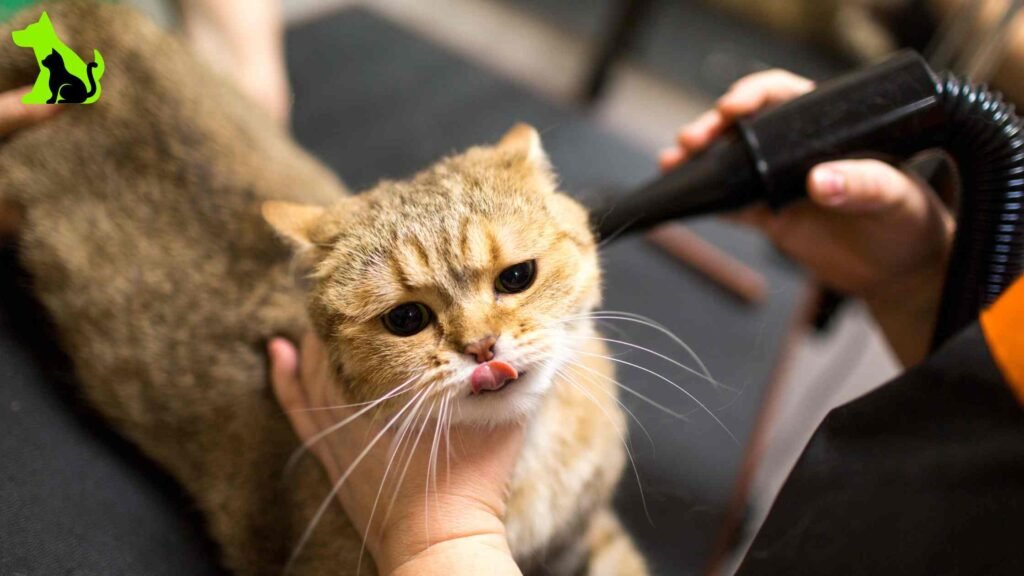
Credit: hellopetsinc.com
Frequently Asked Questions
Do Cats Groom More When Shedding Fur?
Yes, cats groom more during shedding to remove loose fur. Grooming helps prevent hairballs and keeps their coat clean and healthy. Increased grooming is a natural behavior to manage excess hair efficiently.
Why Do Cats Shed More In Certain Seasons?
Cats shed more in spring and fall to adjust their coat for temperature changes. Shedding helps remove old fur and prepares them for warmer or colder weather, maintaining optimal body temperature and comfort.
Can Excessive Grooming Indicate Health Problems?
Yes, excessive grooming can signal stress, allergies, or skin issues. If grooming is excessive or causes bald spots, consult a veterinarian to rule out underlying health problems and ensure your cat’s well-being.
How Can I Reduce My Cat’s Shedding?
Regular brushing reduces shedding by removing loose fur before it falls off. Feeding a balanced diet and maintaining hydration also supports healthy skin and coat, minimizing excessive shedding naturally.
Conclusion
Cats tend to groom more during shedding seasons. This helps remove loose fur and keep their coat clean. Grooming also spreads natural oils that protect their skin. You may notice your cat licking and biting their fur often. This behavior is normal and helps them feel comfortable.
Watch for signs of excessive grooming, which may indicate stress or skin problems. Regular brushing can reduce shedding and grooming time. Understanding this helps you care for your cat better. Shedding means your cat needs extra attention and care. Keep your furry friend happy and healthy.




Leave a Reply