Have you ever noticed your cat spending extra time licking its fur when the cold months arrive? You might be wondering, “Do cats groom more in winter?” Understanding this behavior can help you keep your furry friend comfortable and healthy all season long.
You’ll discover why your cat’s grooming habits change with the weather and what it means for their well-being. Keep reading to learn how to support your cat’s winter care and strengthen the bond between you and your pet.
Seasonal Grooming Patterns
Cats adjust their grooming habits as seasons change. Winter brings colder air and shifts in their fur and behavior. These changes affect how often cats groom themselves and why they do it.
Changes In Fur Density
During winter, cats grow thicker fur to stay warm. This new fur is denser and longer than in summer. The extra fur helps keep their body heat trapped close. Because of this, cats spend more time grooming to keep their thick coat clean and free of mats.
Grooming also spreads natural oils through their fur. These oils help protect the skin and keep the coat shiny. The thicker winter coat needs more attention to stay healthy and comfortable.
Behavioral Shifts In Cold Weather
Cold weather changes how cats act. They often move less and stay indoors more. This can lead to more grooming out of boredom or habit. Grooming can also help cats regulate their body temperature by smoothing their fur to trap heat.
Sometimes, cats groom to calm themselves during the winter’s harsh conditions. It is a way to feel secure and relaxed. These behavioral shifts mean cats may groom more often or in different ways than during warmer months.
Reasons For Increased Grooming
Cats tend to groom more during winter for several practical reasons. Understanding why your feline friend increases their grooming habits in colder months can help you ensure they stay healthy and comfortable. Let’s look at the main reasons behind this behavior and what it means for your cat’s well-being.
Maintaining Warmth
Grooming helps cats keep their fur clean and fluffed up, which traps heat close to their bodies. When the temperature drops, your cat instinctively grooms more to create an insulating layer of air within their fur. Have you noticed how your cat’s coat looks thicker during winter? That’s their natural way of staying warm without using energy to shiver.
Managing Dry Skin
Winter air is usually drier, which can cause your cat’s skin to become itchy or flaky. Grooming helps distribute natural oils across their fur and skin, preventing dryness and irritation. If your cat scratches more or sheds excessively in winter, it might be their way of dealing with dry skin. You can help by using humidifiers or moisturizing sprays designed for pets.
Stress And Comfort Seeking
Cold weather often means less outdoor activity and more time indoors, which can cause boredom or mild stress for your cat. Grooming is a soothing activity that helps your cat feel calm and secure. Have you ever seen your cat licking themselves intensely during a quiet, cold day? That’s their way of comforting themselves when external stimulation is low.
Health Implications Of Winter Grooming
Winter often changes the way your cat grooms, and this shift can lead to important health concerns. Understanding these health implications helps you keep your feline friend comfortable and safe during colder months. Let’s look at how increased grooming can affect your cat’s health and what you can do about it.
Risk Of Hairballs
When cats groom more in winter, they swallow more loose fur. This increases the chance of hairballs forming in their digestive system.
Hairballs can cause discomfort and sometimes lead to vomiting or constipation. If your cat is coughing or hacking frequently, it might be trying to expel a hairball.
To reduce this risk, you can:
- Brush your cat regularly to remove loose fur before they swallow it
- Provide hairball-specific diets or treats that help hair pass through the digestive tract
- Ensure your cat drinks plenty of water to keep things moving smoothly
Skin Irritations And Solutions
Cold, dry air in winter can cause your cat’s skin to become dry and flaky. Excessive grooming during this time may worsen skin irritation or lead to hot spots.
If you notice redness, bald patches, or scabs, your cat might be over-grooming to soothe itchy skin. This behavior can quickly create a cycle of irritation and discomfort.
You can help by:
- Using a humidifier in your home to add moisture to dry air
- Offering a balanced diet rich in omega-3 fatty acids to support skin health
- Gently brushing your cat to distribute natural oils and remove dead skin
Have you checked your cat’s skin recently? Sometimes small changes in grooming habits are the first sign your pet needs extra care.
Comparing Indoor Vs Outdoor Cats
Comparing indoor and outdoor cats reveals distinct differences in their grooming habits, especially during winter. Your cat’s environment shapes how often and why they groom. Understanding these differences can help you care better for your feline friend, no matter where they spend their days.
Grooming Habits Indoors
Indoor cats usually have a cleaner environment, which means less dirt and debris to clean off their fur. You might notice your indoor cat grooms frequently to keep their coat soft and shiny rather than to remove grime. Winter often leads to drier skin indoors due to heating, so indoor cats may lick more to soothe dryness or flakiness.
Have you ever seen your indoor cat spending extra time licking their paws or belly during colder months? This behavior often helps spread natural oils and maintain warmth. Because indoor cats face fewer weather challenges, their grooming is more about comfort and hygiene than survival.
Outdoor Exposure Effects
Outdoor cats deal with weather changes, dirt, and even pests, which can increase their grooming needs. In winter, they might groom more to remove snow, ice, or mud stuck in their fur. Grooming also helps them fluff up their coat, adding insulation against the cold.
Outdoor cats face risks like frozen patches of fur or skin irritation from harsh conditions. You may notice your outdoor cat spending longer grooming sessions after a chilly day outside. This self-care is crucial for their health and warmth but can sometimes lead to over-grooming if they’re stressed or uncomfortable.
Could your outdoor cat benefit from a little extra help during winter, like a warm shelter or gentle brushing? Watching your cat’s grooming habits closely can give you clues about their comfort and well-being in any environment.
Tips To Support Your Cat’s Grooming
Cats often groom more in winter to keep their fur clean and warm. Brushing your cat regularly helps reduce shedding and prevents matting during colder months. Offering a cozy spot encourages your cat to relax and maintain good grooming habits.
Cats often groom more in winter due to changes in their coat and environment. Supporting their grooming habits is essential for their health and comfort. Here are some tips to help your cat maintain a healthy grooming routine during the colder months.Brushing Techniques
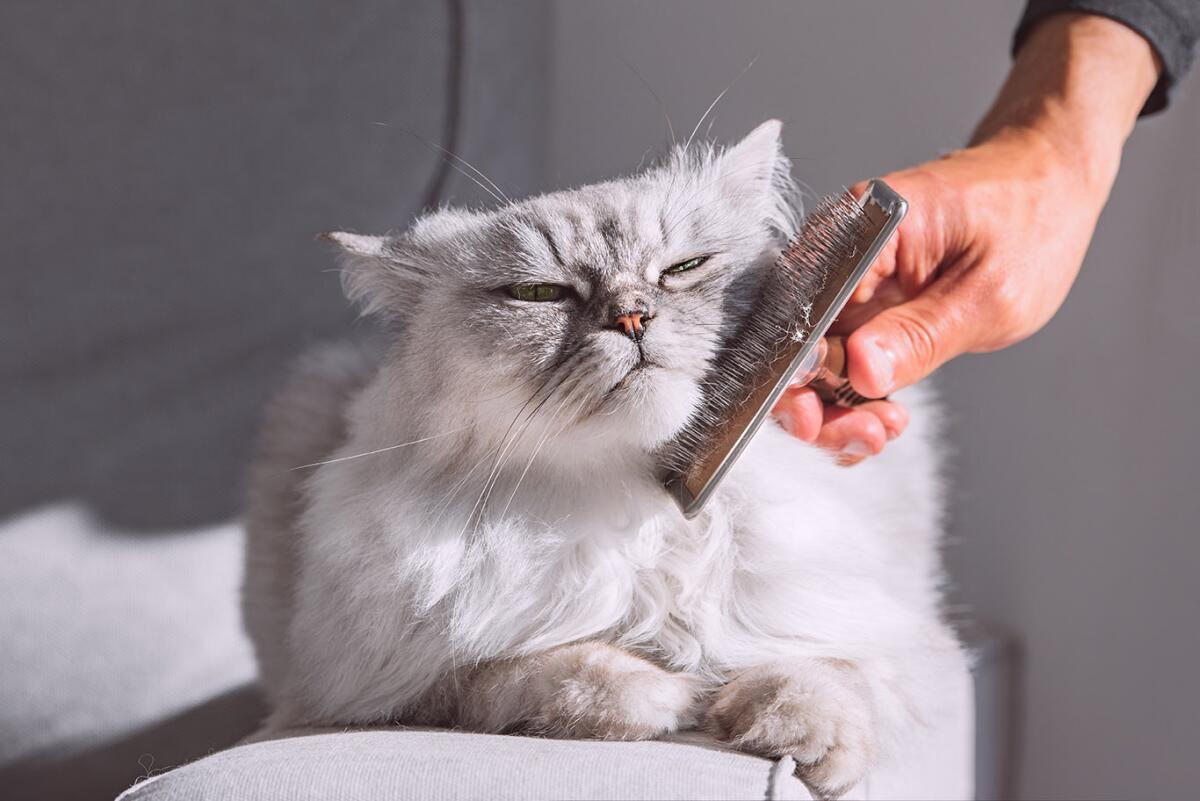
Brushing removes loose fur and reduces hairballs. Use a soft-bristle brush for gentle grooming. Brush in the direction of the fur growth. Spend extra time on areas prone to matting. Make grooming a positive experience with treats and praise.Hydration And Diet
Proper hydration supports healthy skin and fur. Ensure your cat has access to fresh water. Wet food can increase their water intake. A balanced diet supports their overall health. Consult your vet for dietary recommendations. Omega-3 supplements can enhance coat health.Creating A Comfortable Environment
A warm, cozy space encourages relaxation and grooming. Provide a soft bed or blanket in a quiet area. Reduce stress with interactive toys and playtime. Keep their environment clean and free from irritants. Use a humidifier to combat dry indoor air. A calm atmosphere supports a happy, healthy cat.Frequently Asked Questions
Do Cats Groom More During Winter Months?
Cats may groom more in winter to maintain their thicker fur’s cleanliness. Grooming helps keep their coat insulated and free of debris. It also supports skin health by distributing natural oils. However, grooming frequency varies by cat and environment.
Why Do Cats Groom Excessively In Cold Weather?
Excessive grooming in cold weather helps cats stay warm by spreading oils evenly. It also removes dead fur and prevents matting. Sometimes, increased grooming indicates stress or skin issues, so monitor your cat’s behavior closely.
How Does Winter Affect Cat Grooming Habits?
Winter prompts cats to groom more to keep their denser coats clean and healthy. The colder air can dry skin, causing cats to lick more for moisture. Environmental changes also influence their grooming routine.
Can Grooming Reduce A Cat’s Winter Shedding?
Yes, grooming helps manage winter shedding by removing loose fur. Regular brushing supports new hair growth and prevents hairballs. It also enhances fur quality and keeps cats comfortable in cold weather.
Conclusion
Cats tend to groom differently during winter months. They may lick more to keep warm and clean. Dry air can make their fur feel rough or itchy. Grooming helps spread natural oils for a healthy coat. Watch your cat for changes in grooming habits.
Too much licking might signal stress or skin issues. Regular grooming supports their comfort and health. Understanding these behaviors helps you care for your cat better. Winter grooming is natural but needs your attention too. Keep your cat happy and cozy all season.

Leave a Reply