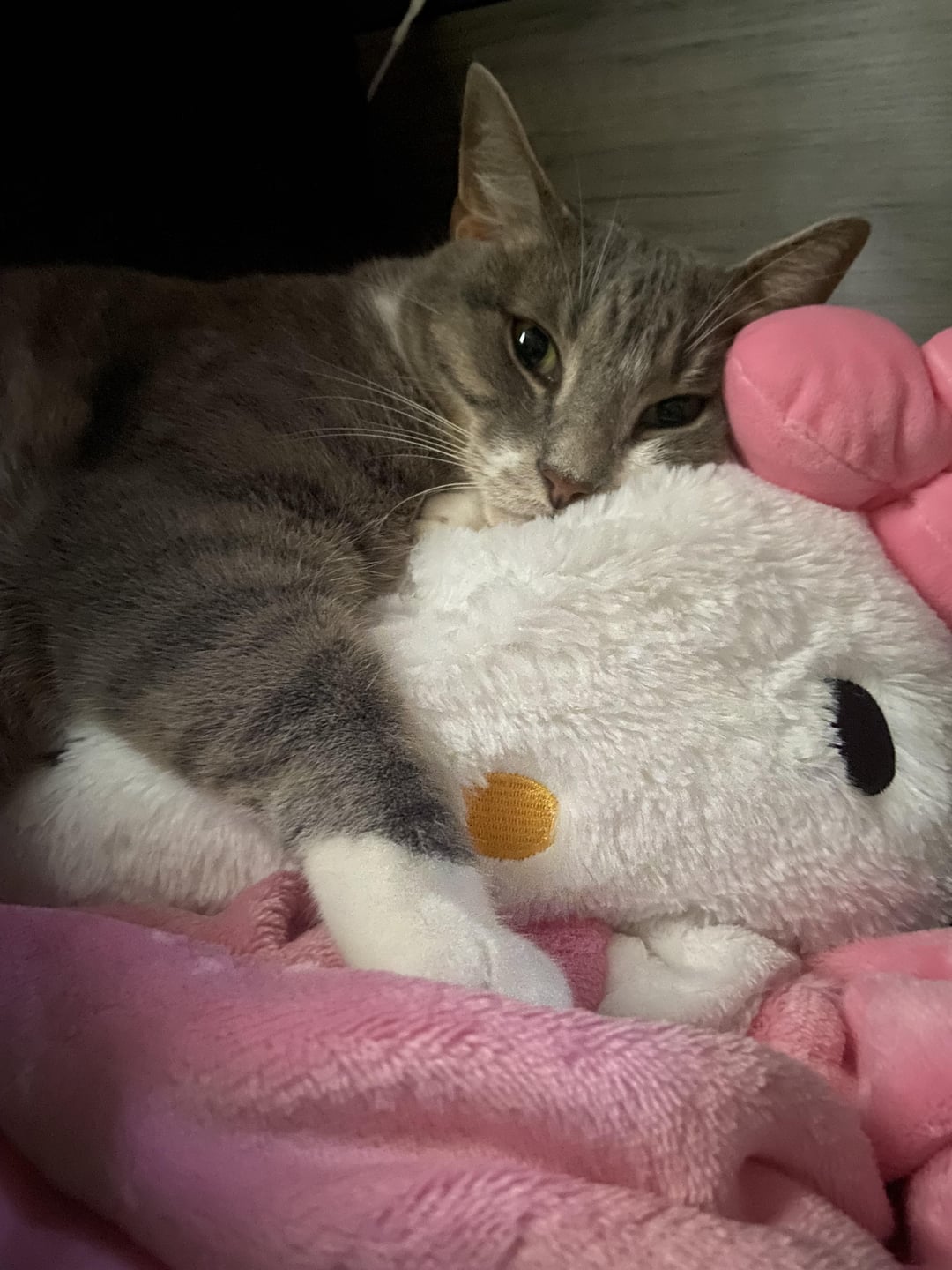
Have you ever noticed your cat’s reaction when you take away their favorite toy? It might seem like a small thing to you, but to your furry friend, it could feel like a big deal.
You might wonder, “Do cats really get upset when their toys are taken away? ” Understanding this can help you build a stronger bond with your pet and keep them happy. Keep reading to discover what’s really going on in your cat’s mind and how you can handle their toys in a way that makes both of you feel good.
Credit: www.newindianexpress.com
Cats And Toy Attachment
Cats often form strong bonds with their toys, making these objects more than just playthings. These attachments can reflect their instincts, emotions, and even comfort needs. Understanding why your cat loves certain toys helps you recognize their feelings when a toy goes missing.
Why Cats Love Toys
Toys stimulate your cat’s natural hunting instincts. They mimic the movements of prey, which triggers your cat’s desire to chase and pounce. This keeps your cat active and mentally sharp.
Some toys also provide comfort or a sense of security. Soft toys, for example, might serve as a substitute for a sibling or mother figure. You might notice your cat carrying a plush mouse around or gently kneading it.
Have you ever noticed how your cat prefers certain toys over others? It’s not random—texture, size, and scent all play a role. These factors make some toys feel special and worth protecting.
Signs Of Attachment To Toys
When cats get attached to toys, their behavior changes noticeably. They may carry toys from room to room or “hide” them in secret spots. This shows the toy is important beyond just play.
Watch for your cat grooming or sleeping with their favorite toy. This closeness means they find comfort in it, similar to how humans use stress balls or blankets. It’s a sign that the toy provides emotional support.
If you take away a beloved toy, your cat might show signs of frustration or sadness. Some cats become restless or meow more. Others might even search for the missing toy persistently.
- Does your cat bring the toy to you as a “gift”?
- Do they play with it repeatedly every day?
- Have you seen them “attack” or guard their toy?
These behaviors suggest a strong attachment that you should respect. Removing the toy suddenly can upset your cat, so try to replace or rotate toys gradually to ease the transition.

Credit: justcatsclinic.com
Emotional Responses To Toy Removal
Taking away a cat’s toy might seem like a simple action, but it can stir a range of emotions in your feline friend. Cats often form attachments to their toys, which are more than just playthings—they can represent comfort, stimulation, and even a sense of security. Understanding how your cat emotionally reacts to toy removal can help you manage their feelings better and maintain a happy environment.
Do Cats Get Upset?
Yes, cats can get upset when you take their toys away. While they might not show it the same way a dog would, many cats exhibit signs of frustration or confusion. You might notice your cat staring at the spot where the toy was or searching for it persistently.
Some cats may vocalize their displeasure with soft meows or even hisses if they feel their favorite item is unfairly taken. Others might simply withdraw or lose interest in playtime for a while. Have you observed your cat acting differently after a toy disappears?
Behavioral Changes After Toy Loss
When a toy goes missing, your cat’s behavior can shift noticeably. You might see less playful energy or a decline in curiosity during usual play sessions. Some cats become clingy, seeking more attention from their owners as a substitute for the lost toy.
On the other hand, some cats might start to hoard other objects, almost as if replacing the missing toy. This behavior hints that toys are emotionally significant to them, not just sources of fun. You can help by rotating toys or introducing new ones gradually to keep your cat engaged without causing stress.
Factors Influencing Cat Reactions
Understanding how cats react when their toys are taken away involves several factors. These factors shape the unique responses each cat may have. Knowing these can help pet owners better manage their cats’ behavior.
Cat Personality Differences
Every cat has its own personality. Some are playful, while others are reserved. A playful cat may show more interest in toys. Taking away a toy might upset them more. A reserved cat might not care as much. Understanding your cat’s personality is key. It helps predict their reaction to changes.
Type Of Toy And Its Importance
Cats often have favorite toys. The type of toy can affect their reaction. A toy that mimics prey might be more important to them. This includes toys with feathers or bells. Such toys stimulate their hunting instincts. Removing these toys might upset them more. In contrast, a simple ball might not hold the same value. It’s important to identify which toys your cat cherishes. This helps avoid unnecessary stress for your pet.
How To Remove Toys Without Stress
Removing toys from your cat’s play area can cause stress if done suddenly. Cats form attachments to their toys and may feel upset if taken away too fast. A calm and gentle approach helps your cat adjust without anxiety. Taking time to remove toys slowly supports your cat’s emotional well-being.
Gradual Toy Removal Techniques
Start by taking away toys for short periods. Observe your cat’s reaction and return the toy if they seem upset. Gradually increase the time the toy is out of reach.
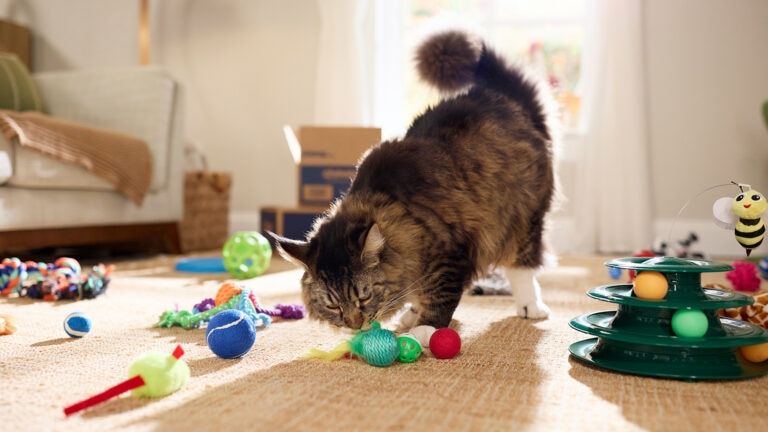
Rotate toys regularly. Keep some toys hidden and swap them in after a few days. This keeps playtime exciting and reduces dependence on one toy.
- Remove toys quietly and calmly.
- Avoid sudden or forceful taking away.
- Give treats or praise when your cat accepts toy removal.
Providing Alternatives
Offer your cat new toys or activities to focus on. Different textures and shapes keep your cat interested and distracted from the removed toys.
Use interactive toys, like feather wands or laser pointers, to engage your cat’s attention. These can replace the fun your cat misses.
- Introduce new toys slowly alongside old ones.
- Create play sessions to bond and entertain your cat.
- Provide cozy resting spots to reduce stress.
Benefits Of Toy Rotation
Rotating your cat’s toys offers many benefits for their well-being. It keeps their playtime fresh and exciting. Cats grow bored quickly with the same toys. Toy rotation helps maintain their interest and encourages active play. It also prevents negative feelings when toys are taken away. By changing toys regularly, cats stay mentally and physically stimulated.
Keeping Cats Engaged
Cats love new challenges and surprises. Rotating toys mimics this by offering variety. Different textures, shapes, and sounds catch their attention. This variety sparks curiosity and hunting instincts. It helps stop boredom and restless behavior. Cats that stay engaged are happier and healthier. Toy rotation also encourages more exercise and movement.
Reducing Attachment Issues
Some cats get very attached to one toy. Removing that toy can cause stress or upset feelings. Rotating toys reduces this strong attachment. Cats learn to enjoy multiple toys instead of relying on one. This makes it easier when toys are taken away. It lowers anxiety and helps cats adapt to changes. A varied toy collection keeps their mood balanced.
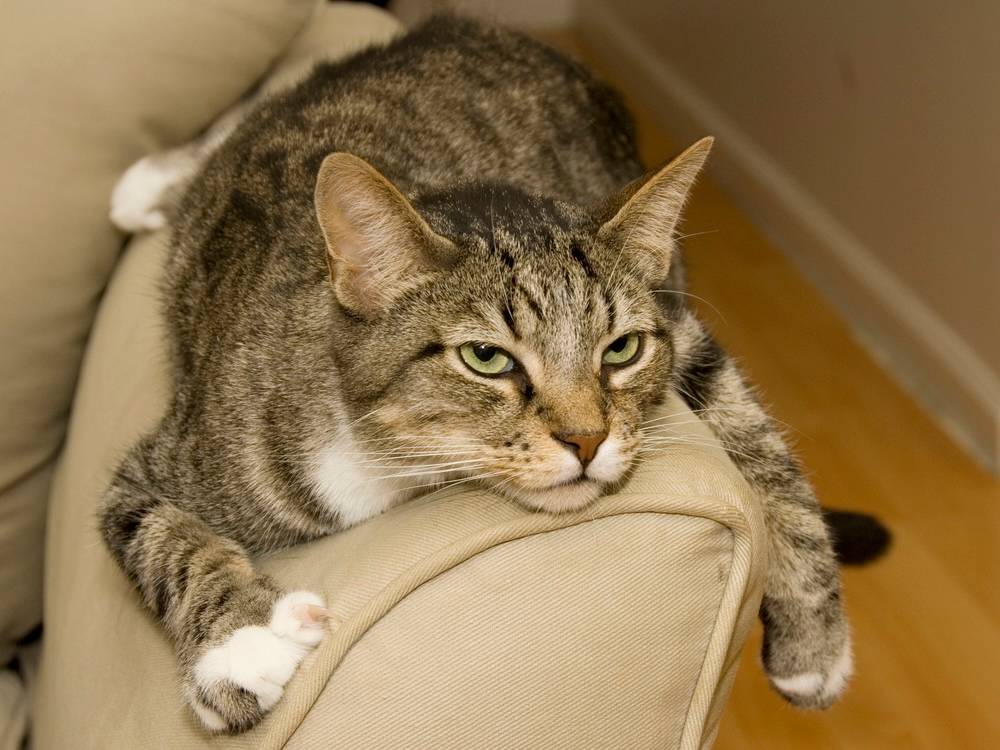
Credit: www.kinship.com
When To Consult A Vet Or Behaviorist
Knowing when to seek professional advice is important for your cat’s wellbeing. Sometimes, taking away toys can upset cats more than usual. Watch their behavior closely to decide if expert help is needed.
Signs Of Severe Distress
- Constant meowing or crying without stopping
- Refusing to eat or drink
- Hiding for long periods and avoiding interaction
- Excessive scratching or biting themselves
- Sudden aggression towards people or other pets
- Repeated pacing or restless movements
- Loss of interest in play or usual activities
These signs show your cat might be struggling emotionally or physically. Don’t ignore them.
Professional Help Options
A veterinarian can check for medical issues causing distress. Physical pain or illness may make your cat more sensitive.
A certified animal behaviorist helps with emotional and behavioral problems. They can suggest ways to reduce stress and improve your cat’s mood.
Both professionals work together to create a plan for your cat’s health and happiness. Early help prevents long-term problems.
Frequently Asked Questions
Do Cats Feel Upset When Toys Are Taken Away?
Yes, cats can feel upset if their toys are taken away abruptly. Toys are part of their play and comfort routine. Removing toys may cause mild stress or frustration. However, most cats adapt quickly when offered new or alternative toys.
How Do Cats React To Losing Their Favorite Toy?
Cats may show signs like meowing, pawing, or searching for their toy. Some cats become less playful temporarily. Their reaction depends on their attachment level to the toy. Providing engaging playtime and new toys helps ease their disappointment.
Can Taking Toys Affect A Cat’s Behavior?
Yes, removing toys can affect a cat’s mood and behavior. Cats might become less active or show signs of anxiety. Consistent play and interaction are crucial to keep them emotionally balanced. Always replace toys gradually to avoid stress.
Is It Okay To Take Toys From Cats Sometimes?
Yes, it is okay to take toys occasionally for safety or training. Always ensure you replace or return the toy later. This helps maintain trust and encourages healthy play habits. Sudden or frequent removal without replacement may upset your cat.
Conclusion
Cats may feel upset if you take their toys away suddenly. They see toys as a source of fun and comfort. Taking toys gently or replacing them keeps cats happy. Watching your cat’s behavior helps you understand their feelings. Respecting their playtime creates a strong bond between you.
Remember, every cat is different in how they react. Patience and care go a long way in keeping cats calm. Playtime should always be a positive experience for your pet.

Leave a Reply