Have you ever wondered if your cat’s butt needs grooming? It might sound strange, but this is an important question for every cat owner.
Keeping this area clean can affect your cat’s health and comfort more than you realize. If you want to avoid unpleasant smells, messy fur, or even health problems, understanding how and when to groom your cat’s rear is key. Keep reading, and you’ll learn simple tips that will make both you and your furry friend feel better.
Why Cat Butt Grooming Matters
Grooming a cat’s rear area might seem unusual but it plays a key role in their care. This part of grooming helps keep your cat clean and healthy. Many cats cannot fully clean this area themselves, especially long-haired breeds. Regular grooming prevents problems that affect comfort and wellbeing.
Hygiene And Health Benefits
Cleaning your cat’s rear area reduces dirt and bacteria buildup. This lowers the risk of infections and bad odors. It keeps your cat feeling fresh and comfortable. Good hygiene also stops feces from sticking to the fur, which can cause skin irritation.
Preventing Matting And Discomfort
Fur around the cat’s bottom can easily tangle and form mats. Mats pull on the skin and cause pain. Grooming removes loose hairs and prevents these tangles. This helps your cat move freely without discomfort or itching.
Signs Your Cat Needs Grooming
- Visible dirt or feces stuck in fur
- Strong or unpleasant smell
- Excessive licking or biting at the area
- Redness or swelling on the skin
- Hair clumps or mats near the tail
Spotting these signs early allows you to help your cat quickly. Regular checks make grooming easier and more effective.
Tools For Grooming Cat Butts
Grooming your cat’s rear area is a delicate task that requires the right tools to keep your feline friend clean and comfortable. Using proper grooming supplies can make the process easier for both you and your cat. Let’s look at some essential tools that help maintain hygiene around your cat’s butt effectively.
Choosing The Right Brush And Comb
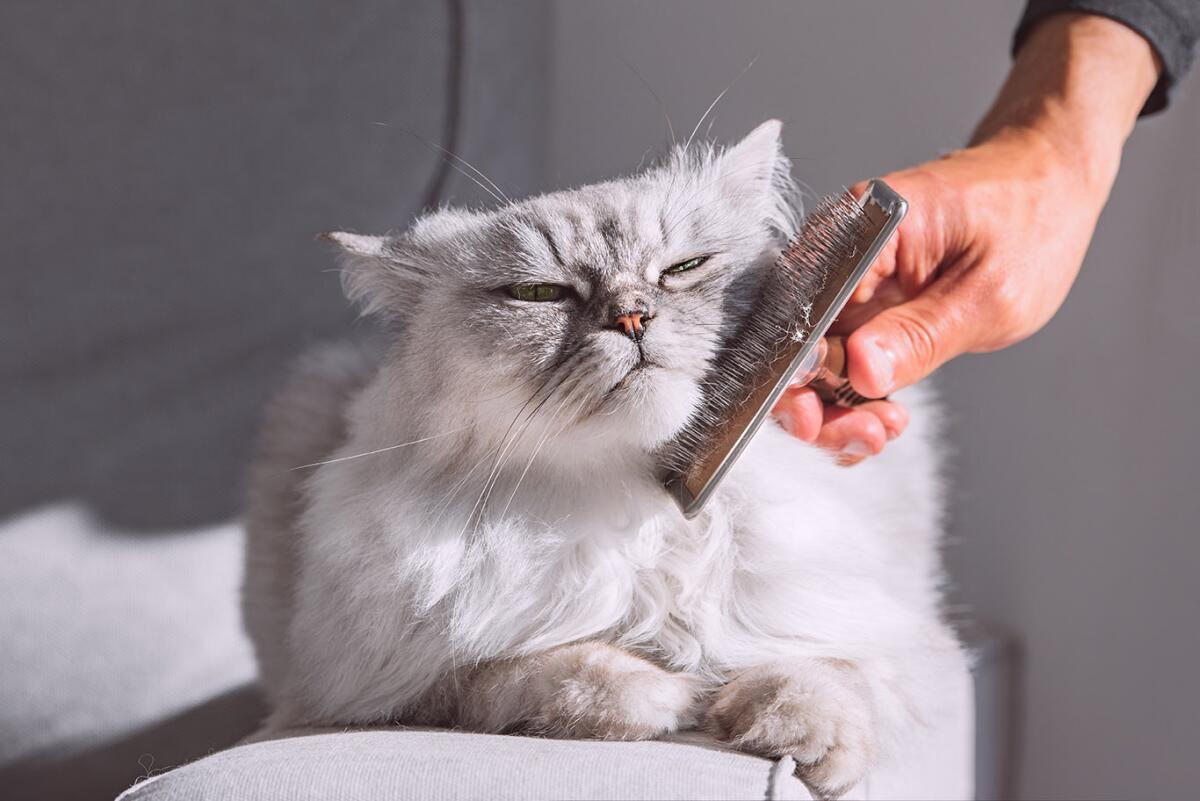
Not all brushes are suitable for grooming your cat’s rear. Soft-bristled brushes work best to gently remove loose fur and prevent matting without irritating sensitive skin. You might want to try a small, fine-toothed comb to carefully detangle any knots, especially if your cat has long hair.
Have you noticed your cat resisting certain brushes? That could mean the tool is too harsh or uncomfortable. Always test the brush gently and observe your cat’s reaction before proceeding.
Using Pet-safe Wipes And Scissors
Pet-safe wipes are excellent for quick clean-ups around your cat’s bottom. They remove dirt and prevent unpleasant odors without the need for a full bath. Make sure the wipes are unscented and free from harmful chemicals.
Sometimes, trimming excess fur near the anus is necessary to avoid matting and hygiene problems. Use small, rounded-tip scissors to carefully trim the area, ensuring you don’t accidentally cut your cat’s skin. If you feel unsure, ask a vet or professional groomer for guidance.
When To Use Grooming Gloves
Grooming gloves are a great option if your cat dislikes traditional brushes. They allow you to groom your cat by simply petting them, which feels more natural and less stressful. The gloves’ rubber tips help remove loose fur and debris effectively.
Consider using gloves if your cat is sensitive or fidgety during grooming sessions. They also give you better control and can reduce scratches, making the whole experience calmer for both of you.
Step-by-step Grooming Process
Grooming your cat’s rear area is important for their comfort and health. This process needs patience and care. Follow each step calmly to keep your cat relaxed. The goal is to clean gently and safely.
Preparing Your Cat
Choose a quiet, warm spot for grooming. Make sure your cat feels calm and safe. Use soft words and gentle petting to ease their nerves. Gather all tools like a comb, wipes, and scissors before starting. Trim your cat’s nails to prevent accidental scratches. Take breaks if your cat shows signs of stress.
Safe And Gentle Techniques
Use a damp cloth or pet-safe wipes to clean the area. Avoid harsh soaps or chemicals near sensitive skin. Move slowly and speak softly to keep your cat relaxed. Comb through fur carefully to remove loose hair. Never pull or tug on the fur hard. Stop immediately if your cat becomes upset.
Dealing With Matted Fur
Matted fur near the rear can cause discomfort. Use a wide-tooth comb to gently detangle mats. Hold the fur close to the skin to reduce pulling. For tough mats, trim small sections carefully with rounded scissors. Avoid cutting the skin by working in good light. Regular grooming helps prevent mats from forming.
Common Challenges And Solutions
Cats sometimes struggle with cleaning their rear area, especially if they have long fur. Regular grooming helps prevent mats and keeps them clean and healthy. Gentle wiping or trimming can solve most hygiene issues effectively.
Cats are known for their independent grooming habits, yet sometimes need help. Grooming a cat’s butt can present challenges. Owners often face common issues while keeping their feline friends clean.Handling A Resistant Cat
Some cats resist grooming. Patience and understanding are key. Start by creating a calm environment. Use gentle voices and slow movements. Let your cat sniff the brush or comb. Offer treats as positive reinforcement. Gradually increase grooming time. Never force the process. If your cat feels scared, take a break. Use a soft brush to avoid discomfort. Consistency helps cats adjust over time.Avoiding Skin Irritations
Sensitive skin can lead to irritations. Choose grooming tools wisely. Use a brush with soft bristles. Avoid harsh chemicals in cleaning products. Check for any redness or sores regularly. If you notice issues, consult a vet. Ensure your cat’s diet is balanced. Healthy skin starts from within. Keep the grooming area clean to prevent infections.Managing Shedding And Loose Hair
Excessive shedding can be messy. Regular grooming minimizes loose hair. Use a de-shedding tool designed for cats. Brush your cat at least once a week. More during shedding seasons. This reduces hairballs and keeps your home tidy. Dispose of hair properly to avoid mess. Grooming also strengthens the bond with your cat. It offers an opportunity for regular health checks.When To Seek Professional Help
Knowing when to seek professional help for grooming your cat’s rear end can save your pet from discomfort and potential health issues. While regular at-home care is often enough, certain signs should prompt you to reach out to experts. Recognizing these moments early can prevent complications and keep your feline friend happy and healthy.
Signs Of Infection Or Injury
Look closely for redness, swelling, or discharge around your cat’s bottom. These can be signs of infection that need immediate attention. If your cat is excessively licking, biting, or seems uncomfortable, don’t ignore these behaviors.
Sometimes, wounds or irritation might be hidden under the fur. If you notice any unusual smell or your cat suddenly avoids being touched in that area, it’s time to consult a professional. Ignoring infections or injuries can lead to more serious problems.
Regular Vet Grooming Services
Many vets offer grooming services that include cleaning and trimming around sensitive areas. This is especially helpful for cats with long fur or mobility issues. Your vet can also check for any underlying health problems during these sessions.
Scheduling regular grooming appointments with your vet keeps your cat’s hygiene in check and lets you stay ahead of potential issues. Have you thought about how a professional can spot things you might miss at home?
Benefits Of Professional Groomers
Professional groomers are trained to handle cats gently and safely, reducing stress for both you and your pet. They use the right tools to carefully clean and trim the fur without causing injury.
Besides hygiene, groomers can help with mat removal and skin health. If your cat resists grooming or if the area is difficult to reach, professionals make the process easier and more effective. Could your cat benefit from a stress-free grooming experience?
Preventive Tips For Clean Cat Butts
Keeping your cat’s rear clean is important for their comfort and health. A few simple steps can help prevent dirt and matting around their bottom. Clean cat butts avoid infections and unpleasant odors. Focus on diet, litter box care, and regular grooming to maintain hygiene.
Diet And Hydration Impact
A balanced diet supports healthy digestion and firm stools. Soft or runny stools can stick to fur and cause mess. Provide fresh water daily to keep your cat hydrated. Proper hydration helps regulate bowel movements. High-quality food with fiber promotes clean and easy elimination.
Litter Box Maintenance
Keep the litter box clean to encourage regular use. Scoop waste at least once a day. Change litter completely every week or as needed. A clean box reduces the risk of feces sticking to your cat’s fur. Choose litter that controls odor and clumps well.
Regular Grooming Routine
Brush your cat’s fur around the rear often. Short-haired cats need less grooming than long-haired ones. Trim fur near the anus if it grows too long. Check for signs of irritation or dirt regularly. Bathing is rarely needed but can help for very dirty cats.
Frequently Asked Questions
Do Cats Need Their Butts Groomed Regularly?
Yes, cats sometimes need their butts groomed. This helps remove dirt, feces, and prevents matting. Grooming is vital for long-haired or older cats who struggle to clean themselves properly.
How Often Should I Groom My Cat’s Rear End?
Groom your cat’s rear end as needed. For short-haired cats, occasional cleaning is enough. Long-haired or overweight cats may require weekly grooming to maintain hygiene and comfort.
Can Neglecting Cat Butt Grooming Cause Health Issues?
Yes, neglecting grooming can lead to infections, matting, and irritation. Poor hygiene may attract flies or cause painful skin problems. Regular grooming prevents these risks and keeps your cat healthy.
What Tools Are Best For Grooming A Cat’s Rear Area?
Use a soft brush, grooming wipes, or pet-safe scissors for grooming. Avoid harsh tools that can hurt your cat. Gentle tools ensure effective cleaning without causing discomfort.
Conclusion
Cats usually clean themselves well, but some need help. Grooming their rear area keeps them healthy and fresh. It prevents dirt buildup and skin problems. Regular checks help spot issues early. Use gentle tools and be patient with your cat.
Cleanliness supports their comfort and well-being. Remember, a little care goes a long way. Keep your cat happy and healthy by staying attentive. Simple grooming can make a big difference in their life.

Leave a Reply