Have you ever wondered if big cats, like lions and tigers, help each other stay clean? You might think these powerful predators are all about hunting and fighting, but there’s a softer side to them you don’t often see.
When big cats groom each other, it’s not just about looking good—it’s about building trust and staying connected. Keep reading to discover why this surprising behavior matters and what it reveals about the secret lives of these majestic animals. Your curiosity is about to be rewarded!
Social Grooming Among Big Cats
Big cats are often seen as solitary hunters, but they do show social behaviors. One such behavior is grooming. Social grooming helps build bonds and maintain group harmony. It also keeps them clean and free from parasites. While not all big cats groom each other, some species do engage in this behavior regularly.
Species That Engage In Grooming
- Lions: Known for their strong pride bonds, lions often groom each other.
- Leopards: Usually solitary, but mothers groom their cubs frequently.
- Cheetahs: Siblings and mothers groom to strengthen family ties.
- Snow leopards: Rarely seen grooming others; mostly self-grooming.
- Tigers: Mostly solitary; grooming each other is uncommon.
Grooming Behaviors Observed
- Licking fur to remove dirt and parasites.
- Nibbling gently to clean hard-to-reach spots.
- Using the tongue’s rough texture to smooth fur.
- Mutual grooming serves as a social bonding activity.
- Grooming helps reduce tension and promote calmness.
Benefits Of Mutual Grooming
Mutual grooming among big cats is more than just a simple act of cleaning. It plays a crucial role in their daily lives by offering benefits that go beyond appearance. Understanding these benefits gives you a clearer picture of their social world and survival strategies.
Hygiene And Parasite Control
Big cats use mutual grooming to keep their fur clean and free from dirt. This helps remove loose hair, dirt, and pesky parasites like ticks and fleas. You might be surprised how effective this natural cleaning routine is at reducing infections and skin problems.
Imagine how hard it would be for a lion to groom hard-to-reach spots on its own. By working together, they cover areas that are impossible to reach solo. This teamwork ensures they stay healthier and more comfortable in their environment.
Strengthening Social Bonds
Grooming builds trust and strengthens relationships within the pride or group. When a tiger or leopard grooms another, it shows care and acceptance. This simple act can reduce tension and prevent fights among big cats.
Think about your own friendships. Sharing moments like these creates bonds that last. In big cats, grooming works the same way, helping them stay united and cooperative in the wild.
Grooming And Hierarchy
Grooming among big cats is more than just a cleanliness ritual; it plays a crucial role in establishing and maintaining social order. Within their groups, grooming acts as a non-verbal language that reflects the hierarchy. Understanding how grooming ties into dominance and submission can give you a clearer picture of their social dynamics.
Dominance And Submission Signals
Grooming often signals who holds power and who submits. Higher-ranking cats typically receive grooming rather than give it, showing their status without aggression.
Subordinate cats may groom dominant individuals to reduce tension and avoid conflict. This act can be a peace offering, helping maintain stability in the group.
Have you noticed how lions or cheetahs sometimes gently lick each other’s faces or necks? These gestures speak volumes about respect and acceptance within their ranks.
Impact On Group Dynamics
Grooming strengthens bonds and fosters cooperation among big cats. It reduces stress and promotes group cohesion, which is vital for hunting and raising young.
When grooming flows smoothly, conflicts decrease, and the pride or coalition functions more effectively. Disruptions in grooming patterns can signal shifts in power or social tension.
Next time you watch a wildlife documentary, pay attention to grooming scenes. You’ll see how these subtle interactions influence the entire group’s survival and success.
Surprising Grooming Facts
Big cats are often seen as solitary hunters, but their grooming habits can surprise you. Grooming is more than just keeping clean; it builds bonds and keeps their fur healthy. The facts about how and with whom they groom reveal behaviors you might not expect.
Unexpected Species Pairings
You might think big cats only groom their own kind, but that’s not always true. Some cases show lions grooming cheetahs, especially in shared territories. This cross-species grooming helps reduce tension and signals mutual respect.
One fascinating example is when a leopard allowed a hyena to groom it in captivity. It challenges the idea that grooming is only for close family or pack members. Could this behavior mean big cats use grooming to form alliances beyond their species?
Grooming Beyond Family Groups
Big cats don’t limit grooming to just their mothers, siblings, or cubs. Adult males sometimes groom unrelated females to strengthen social bonds. This behavior supports cooperation during hunting or territory defense.
In prides, you’ll notice lions grooming neighbors or less familiar members. It’s a way to maintain harmony and reduce conflict. Next time you watch a wildlife documentary, pay attention to these subtle social gestures—they tell you a lot about big cat relationships.
Grooming Differences Between Big Cats And Small Cats
Big cats rarely groom each other, unlike small cats that often share this behavior. Grooming in big cats is mostly done alone to keep clean and remove dirt. Social bonds influence grooming habits more in small cats than in big cats.
Grooming Differences Between Big Cats and Small Cats Grooming is a vital part of a cat’s life, whether they’re prowling the wild as a lion or lounging on your couch as a domestic kitty. While both big cats and small cats engage in grooming, their behaviors differ significantly. Understanding these differences can deepen your appreciation of these majestic creatures and even offer insights into your pet’s behavior.Behavioral Variations
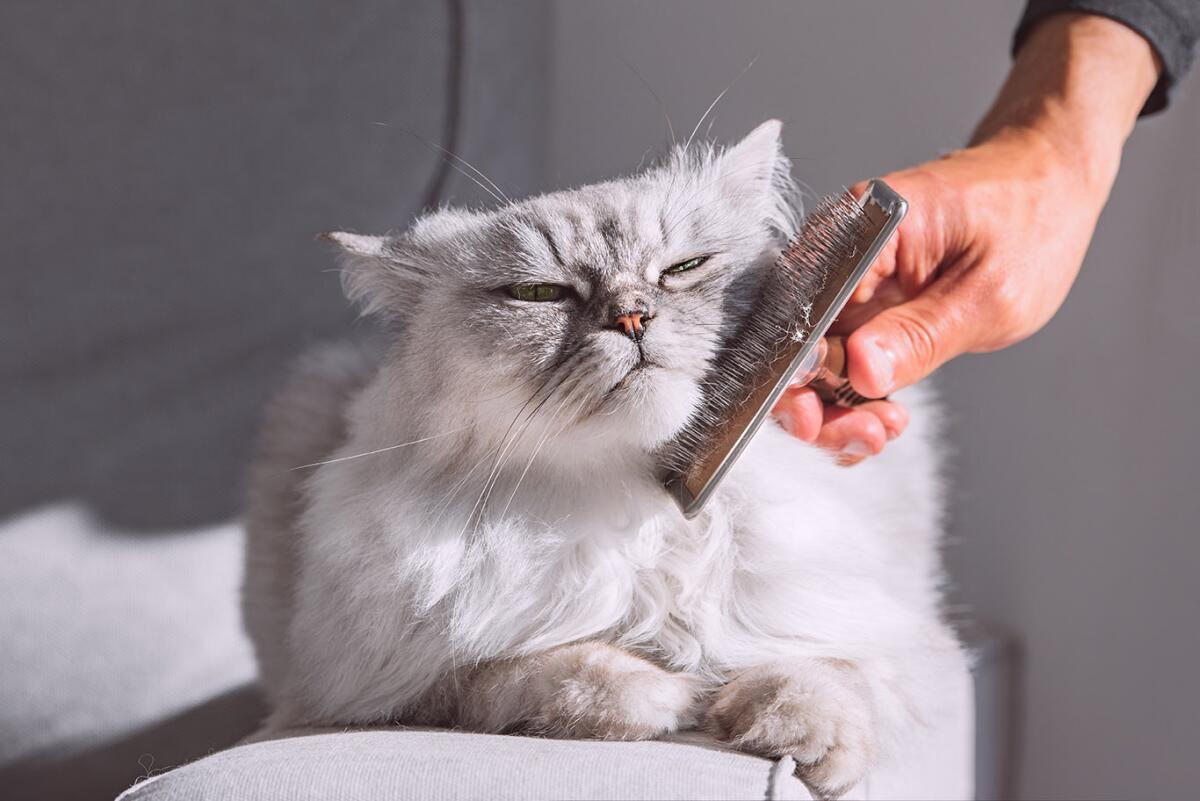
Big cats like lions and tigers often engage in social grooming, which strengthens bonds within their prides or groups. This act of mutual grooming, called allogrooming, is a sign of trust and affection. On the other hand, small cats, such as your fluffy tabby, are more solitary groomers. Smaller cats focus on self-grooming, which is essential for maintaining their fur and skin health. This difference might be because domestic cats don’t live in large social structures. Have you ever noticed how your cat spends hours licking its fur? It’s their way of staying clean and relaxed.Environmental Influences
The environment plays a crucial role in grooming habits. In the wild, big cats face harsher conditions and often use grooming as a way to strengthen social bonds and ensure group survival. The act of grooming can reduce tension and reinforce social hierarchies. Conversely, domestic cats have adapted to indoor environments where grooming is more about cleanliness and less about social bonding. Your cat’s grooming routine might even change with the seasons, as they shed and grow new fur. Have you considered how your cat’s grooming habits shift with changes in your home environment or routine? Understanding these grooming differences not only sheds light on the fascinating world of big cats but also offers a deeper connection with your small feline friend. Whether in the wild or your living room, grooming tells a story of survival, adaptation, and connection.Observing Grooming In The Wild And Captivity
Observing grooming behavior among big cats reveals much about their social lives. Grooming helps them bond, stay clean, and reduce stress. Watching this behavior varies greatly between wild and captive settings. Each setting offers unique insights and faces specific challenges.
Challenges In Wild Observation
Big cats live mostly alone and in dense habitats. This makes it hard to see grooming clearly. They often groom at night or in hidden spots. Researchers rely on patience and luck to spot these moments.
Other challenges include:
- Vast territories limit close observation.
- Animals are cautious around humans.
- Weather and terrain can hinder visibility.
Because of these factors, data on wild grooming is limited and sometimes incomplete.
Insights From Captive Studies
Captive environments allow close and regular observation of grooming. Big cats in zoos or sanctuaries show more frequent grooming behaviors. This occurs due to closer proximity to others and reduced stress.
Captive studies reveal:
- Patterns of mutual grooming between siblings or mates.
- Grooming as a way to reduce tension or boredom.
- Differences in grooming habits among species.
Such observations help scientists understand social bonds and health maintenance. They provide clues that may apply to wild populations too.
Frequently Asked Questions
Do Big Cats Groom Each Other Regularly?
Yes, big cats like lions and cheetahs groom each other often. This behavior strengthens social bonds and helps remove dirt and parasites. Grooming also reduces tension within the group and promotes group cohesion, especially among family members or coalition partners.
Why Do Lions Groom Each Other Frequently?
Lions groom each other to maintain social bonds and hygiene. Grooming helps remove ticks and dirt from their fur. It also reinforces alliances within the pride, reducing conflicts and promoting teamwork during hunting and raising cubs.
Is Grooming Common Among Solitary Big Cats?
Solitary big cats, like tigers and leopards, groom themselves more than others. They rarely groom each other since they live alone. Grooming mainly serves to clean their fur and remove parasites for better health.
How Does Grooming Benefit Big Cats Socially?
Grooming in big cats builds trust and strengthens relationships. It helps reduce stress and promote cooperation in hunting and raising young. This social interaction is vital for species like lions that live in groups.
Conclusion
Big cats do groom each other, but not often. It helps them stay clean and build trust. Grooming also reduces stress and shows social bonds. This behavior varies by species and group size. Watching big cats groom reveals their gentle side.
It shows they care for each other in the wild. Understanding this helps us appreciate their complex lives. Nature has many surprising ways to show kindness.

Leave a Reply