Have you ever looked at your cat and wondered, “Could my cat have been a breeder?” It’s a question that might surprise you, but it’s more common than you think.
Understanding whether your furry friend has a history as a breeder can help you care for them better and spot any special needs they might have. You’ll discover the signs to look for, why it matters, and what you can do next.
Keep reading—you might learn something that changes how you see your cat forever.
Signs Your Cat May Have Been A Breeder
Recognizing signs that your cat may have been a breeder helps you understand their past better. Some cats come from breeding backgrounds without clear history. Observing physical features, behavior, and health can reveal clues about their past. These signs help provide better care for your feline friend.
Physical Traits To Look For
- Multiple nipple scars or enlarged nipples often show past pregnancies.
- Unusually worn teeth may indicate early weaning of kittens.
- Thin or patchy fur can suggest stress or poor conditions.
- Strong muscle tone and body shape may hint at repeated breeding cycles.
Behavioral Clues
- Fear or anxiety around people can result from stressful breeding environments.
- Excessive grooming or licking can indicate stress or past neglect.
- Unusual vocalization patterns might show past separation from kittens.
- Reluctance to be handled or petted may reveal past rough treatment.
Health Indicators
- Chronic infections or untreated wounds suggest poor previous care.
- Signs of mammary gland issues could mean multiple pregnancies.
- Weight fluctuations or malnutrition hint at inconsistent feeding.
- Reproductive system problems might show history of forced breeding.
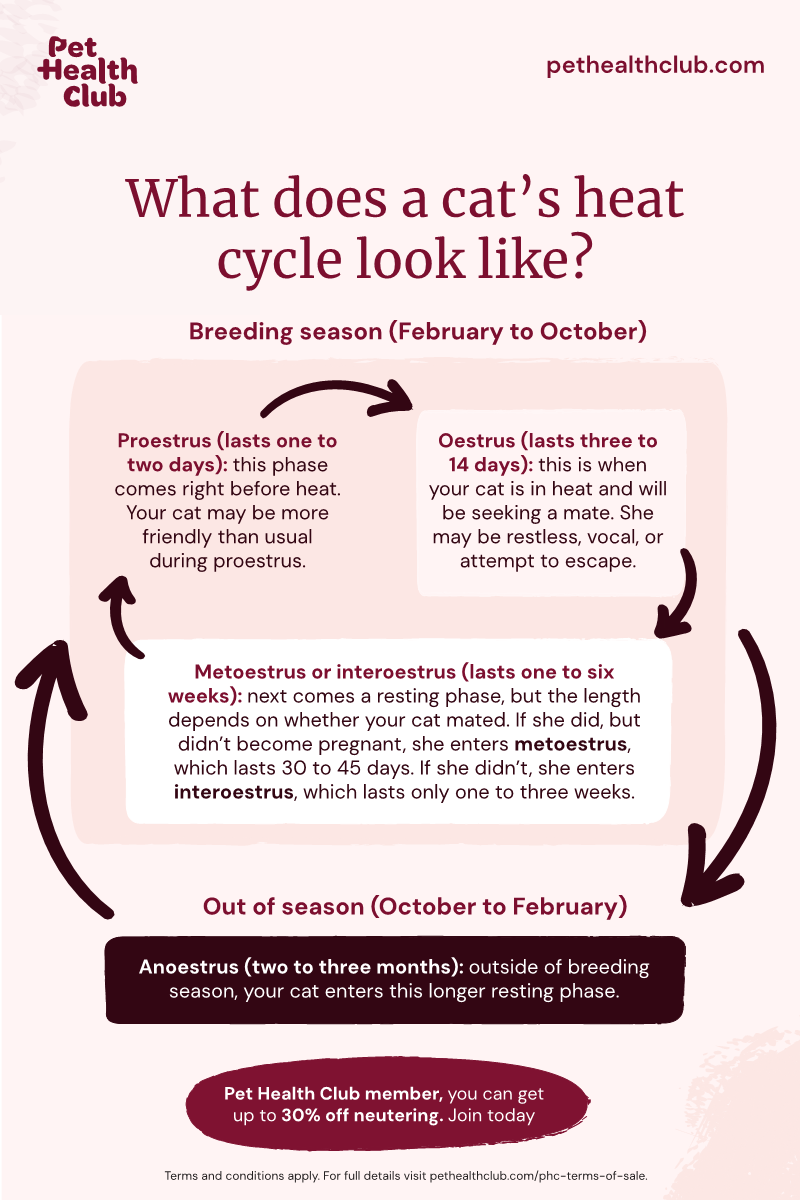
Credit: www.pethealthclub.com
Common Breeding Practices
Understanding common breeding practices can shed light on your cat’s past and help you recognize signs that they may have been part of a breeding program. Breeders often follow specific routines that affect a cat’s health, behavior, and living environment. Knowing what to look for can give you insight into your cat’s history and needs.
How Breeders Select Cats
Breeders usually pick cats based on physical traits, such as coat color, eye shape, and overall appearance. These selections focus on breed standards rather than the cat’s personality or health history.
Sometimes, cats with minor health issues or behavioral quirks are still chosen if they carry desirable traits for breeding. This might explain why your cat has certain habits or health concerns you didn’t expect.
Typical Living Conditions
Cats used for breeding often live in confined spaces, like small cages or crowded rooms. These environments lack the stimulation and freedom typical pets enjoy.
It’s common for breeder cats to have limited social interaction, which can lead to anxiety or shyness when they join a home environment. Have you noticed if your cat seems unusually nervous or withdrawn?
Breeding Frequency And Impact
Breeders may breed cats frequently, sometimes without adequate recovery time between litters. This can severely affect a cat’s physical health and emotional well-being.
Repeated pregnancies might cause weight loss, dental issues, or even behavioral changes like aggression or excessive sleepiness. Understanding this can help you provide better care and patience as your cat adjusts to a healthier lifestyle.
Health Risks Linked To Breeding Cats
Knowing whether your cat was used for breeding is important because breeding can expose cats to several health risks that affect their quality of life. Breeding cats often face challenges that go beyond the usual care needs, and these risks can leave lasting effects on their well-being. Understanding these risks helps you provide better care and make informed decisions about your cat’s health.
Genetic Disorders
Breeding cats are more likely to inherit and pass on genetic disorders. Breeders sometimes focus on specific traits, which can limit genetic diversity and increase the chance of hereditary diseases.
This can lead to conditions like heart disease, kidney problems, or joint issues. If your cat shows unusual symptoms or health problems, consider whether these might stem from genetic concerns related to breeding.
Stress And Its Effects
Breeding involves repeated pregnancies and constant handling, which can cause significant stress for cats. Stress weakens their immune system, making them more vulnerable to infections and illnesses.
Have you noticed your cat being unusually anxious or withdrawn? This could be a sign of past stress from breeding. Managing stress is crucial to help your cat recover and live a healthier life.
Long-term Health Consequences
Cats used for breeding can suffer from long-term health issues such as uterine infections, mammary tumors, and arthritis. These problems often arise from frequent pregnancies and inadequate rest between litters.
Recognizing these risks allows you to seek veterinary care early. Regular check-ups can catch these conditions before they become severe, improving your cat’s comfort and lifespan.

Credit: dremmanuelfontaine.com
How To Care For A Former Breeding Cat
Signs like scars or behavioral changes may show if a cat was a breeder. Gentle care and regular vet visits help improve their health and comfort. Understanding their past supports better love and attention.
Caring for a former breeding cat requires a compassionate approach to address their unique needs. These cats have likely spent a significant part of their lives in a controlled environment focused on reproduction. As a result, transitioning them into a more relaxed and loving home life can present both challenges and rewards.Nutrition And Diet Adjustments
Former breeding cats may have specific nutritional needs. Their bodies have endured the demands of frequent pregnancies, so they might require a diet rich in vitamins and minerals. Consider consulting a vet to tailor a diet plan that supports their recovery and ongoing health. A balanced diet can also aid in weight management, which is crucial as these cats transition to a less active lifestyle. You might find that introducing high-quality protein sources helps maintain their muscle mass. Remember, hydration is equally important, so ensure they have constant access to fresh water.Behavioral Rehabilitation
Your former breeding cat may exhibit behaviors stemming from their past experiences. Patience and understanding are key as they adapt to their new environment. Provide a safe space where they can retreat and feel secure. Interactive play can be a wonderful way to bond and help them build confidence. Toys that stimulate their hunting instincts can ease stress and anxiety. Encourage positive behavior with gentle reinforcement and rewards, fostering trust and affection.Veterinary Care Essentials
Regular veterinary visits are vital to monitor your cat’s health post-breeding. They may have specific medical needs resulting from their breeding history. Keep an eye out for signs of distress or discomfort, which could indicate underlying issues. Vaccinations and parasite prevention should be up to date to protect them from common feline diseases. Discuss any concerns with your vet, who can provide advice tailored to your cat’s past and present health status. Embrace this opportunity to give your former breeding cat a healthy and fulfilling life.Finding A Loving Home After Breeding
Finding a loving home after your cat has been a breeder is a crucial step for their well-being. These cats often need extra care and patience as they adjust to a new lifestyle away from breeding routines. Your effort to provide a safe, nurturing environment can transform their life and build a strong, trusting bond.
Adoption Tips
Adopting a former breeder cat means you should be ready for some unique challenges. Look for shelters or rescues that specialize in cats with a breeding background—they often have valuable insights. Ask about the cat’s health history and temperament to understand their specific needs.
Consider adopting an older cat if you want to give a second chance to those often overlooked. Are you prepared to offer patience and consistency? These qualities matter more than anything when helping a breeder cat adjust.
Creating A Safe Environment
Your cat needs a calm and secure space to feel safe. Set up a quiet room with cozy bedding, fresh water, and easy access to food and litter. Avoid loud noises and sudden movements that might stress your cat.
Small touches like hiding spots and vertical spaces can help your cat feel more in control. How can you make your home feel like a sanctuary? Think about your cat’s perspective and create areas where they can retreat and relax.
Building Trust And Bonding
Trust doesn’t come overnight, especially with cats who have been used for breeding. Spend time sitting quietly near your cat and let them approach you first. Use gentle voices and slow movements to avoid frightening them.
Interactive play and treats can break the ice and build positive associations. Have you noticed how a simple feather toy or a soft brush can change their mood? These small moments are the foundation of a lasting bond.

Credit: www.reddit.com
Frequently Asked Questions
Could My Cat Have Been Used For Breeding?
Yes, cats with specific traits or pedigrees are often used for breeding. Signs include frequent litters or being sold as breeders.
How Can I Tell If My Cat Is A Breeder?
Look for signs like multiple pregnancies, pedigree papers, or contact from previous owners indicating breeding purposes.
What Are Common Traits Of Breeder Cats?
Breeder cats usually have clear pedigrees, consistent health checks, and specific breed standards to maintain lineage quality.
Is It Harmful If My Cat Was A Breeder?
Breeding can stress cats and affect their health. Proper care and veterinary checks are vital to ensure wellbeing.
Conclusion
Many cats have a past that owners do not know. Some cats may have been breeders before joining a family. Signs like behavior and health can give clues. Understanding your cat’s history helps provide better care. Treat your cat with kindness and patience.
Every cat deserves a safe and loving home. Caring for your cat well builds trust and happiness. Remember, your cat’s past does not define their future.

Leave a Reply