Grooming your cat can sometimes feel like a battle. If your furry friend is nervous, restless, or downright uncooperative, you might wonder: can you sedate your cat to make grooming easier?
You want what’s best for your pet, but you also want to keep them safe and comfortable. You’ll discover the key facts about sedating cats for grooming, what risks to watch out for, and safer alternatives to help your cat stay calm.
Keep reading to learn how to make grooming a stress-free experience for both you and your cat.
When Sedation Is Needed
Knowing when sedation is needed for your cat’s grooming can make all the difference in ensuring a safe and calm experience. Not every cat requires sedation, but certain situations make it necessary. Understanding these scenarios helps you decide when to consult a vet about sedating your feline friend.
Behavioral Challenges
Some cats react strongly to grooming due to fear or aggression. If your cat scratches, bites, or hides every time you try to groom, sedation might be the safest option. It prevents injury to both you and your cat, allowing the groomer to work effectively.
Have you noticed your cat’s anxiety turn into aggression during grooming sessions? This behavior often signals that sedation could reduce stress and risk. It’s important to recognize these signs early before grooming becomes a traumatic event.
Medical Conditions
Certain health issues make grooming difficult or painful for cats. Conditions like arthritis or skin infections can cause discomfort when handled. Sedation helps minimize pain and prevents your cat from resisting due to sensitivity.
Imagine trying to groom a cat with sore joints; the struggle can worsen their condition. Sedating your cat ensures they remain still and comfortable, allowing thorough grooming without added stress. Always discuss your cat’s medical history with your vet before considering sedation.
Stress Reduction
Grooming can be stressful, especially for shy or nervous cats. Sedation helps calm them, turning grooming into a less frightening experience. This can be a game-changer for cats that otherwise resist grooming every time.
Have you seen your cat freeze or panic during grooming? Sedation can ease this reaction, making the process smoother for both of you. Reducing stress during grooming can also improve your cat’s overall behavior towards future care routines.

Credit: catspajamasgrooming.ca
Types Of Sedatives
Understanding the types of sedatives available for cat grooming is key to making safe and effective choices. Sedatives vary widely in strength, origin, and how they affect your cat. Knowing the options helps you decide what fits best with your cat’s health and temperament.
Common Medications
Common sedatives used for cats include drugs like acepromazineand diazepam. These medications calm your cat by affecting the central nervous system, making grooming easier and less stressful.
However, these drugs should never be given without professional advice. Incorrect dosages or unsuitable medications can cause serious health problems. Always consult your vet before using any sedative medication for grooming.
Natural Alternatives
If you prefer to avoid pharmaceuticals, natural alternatives might be worth considering. Products containing valerian root, chamomile, or CBD oilare popular for their calming effects.
These options are generally gentler but can still help reduce anxiety during grooming sessions. Have you tried any natural calming treats or sprays on your cat? Observing how your cat reacts can guide you toward the right choice.
Veterinary Prescriptions
For cats with high anxiety or special medical conditions, veterinarians can prescribe stronger sedatives like medetomidineor dexmedetomidine. These drugs are specifically formulated for safety and effectiveness in pets.
Your vet will assess your cat’s health, weight, and behavior before recommending a prescription sedative. This personalized approach ensures that your cat stays safe while you manage grooming challenges.
Consulting Your Veterinarian
Before considering sedation for your cat’s grooming, consulting your veterinarian is essential. Your vet can assess your cat’s unique health needs and decide if sedation is safe. This step ensures that both you and your feline friend are prepared for a stress-free grooming experience.
Health Assessment
Your veterinarian will start by examining your cat’s overall health. This includes checking the heart, lungs, and any underlying conditions that might affect sedation safety. If your cat has issues like kidney disease or respiratory problems, your vet might advise against sedation or recommend alternative approaches.
Sharing your cat’s history and any previous reactions to medications helps your vet make informed decisions. Have you noticed your cat acting unusually after past vet visits? Mentioning this can prevent complications during sedation.
Dosage Guidelines
Determining the correct dosage is critical. Your vet calculates the dose based on your cat’s weight, age, and health status. This personalized approach minimizes risks and maximizes comfort.
Never attempt to guess or administer sedatives on your own. Even human medications can be toxic to cats. Trusting your vet’s expertise protects your cat from harmful side effects.
Potential Risks
Understanding the risks involved helps you make an informed choice. Sedation can sometimes cause side effects like low blood pressure, slowed breathing, or allergic reactions.
But what if your cat is unusually sensitive or has hidden health issues? Your vet’s careful monitoring during sedation can catch problems early. This safety net is why professional guidance is non-negotiable.
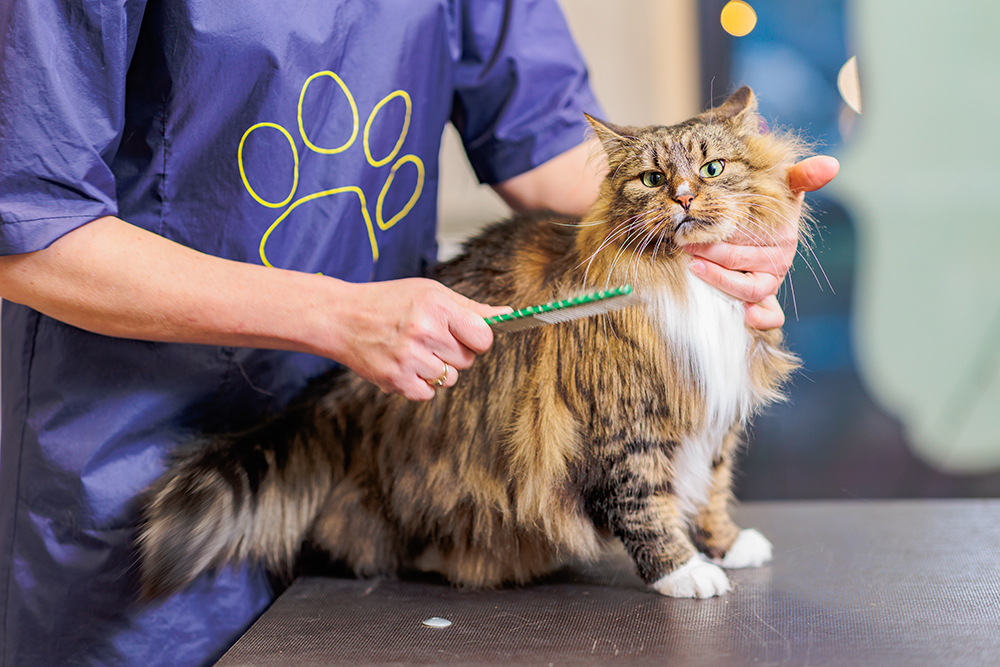
Credit: www.catster.com
Preparing Your Cat For Sedation
Preparing your cat for sedation is key to a safe grooming session. It helps reduce stress and risks. Planning ahead creates a calm environment for your pet.
Proper preparation supports the vet’s work and keeps your cat comfortable. Each step must be done carefully for best results.
Fasting Requirements
Fasting is important before sedation. It helps avoid nausea and vomiting during the procedure.
- Do not give food for 8 to 12 hours before sedation.
- Water can usually be given until 2 hours before sedation.
- Follow your vet’s specific fasting instructions carefully.
Safe Environment Setup
Create a quiet and calm space for your cat. This reduces anxiety before sedation.
- Keep the area warm and free from loud noises.
- Use soft bedding to help your cat relax.
- Limit access to other pets or distractions.
- Have all grooming tools ready before sedation begins.
Monitoring During Grooming
Close monitoring is crucial during sedation. Watch for any signs of distress or discomfort.
- Check breathing and heart rate regularly.
- Ensure your cat’s body temperature stays normal.
- Keep communication open with the vet throughout the process.
Aftercare Tips
Sedating a cat for grooming requires careful monitoring to ensure safety and comfort. Aftercare includes keeping your cat calm, watching for side effects, and offering a quiet space to recover. Always follow the vet’s advice for best results.
After grooming sedation, caring for your cat is crucial. Cats may feel disoriented or sleepy. Ensuring a calm environment aids in their recovery. Learn essential aftercare tips to support your feline friend.Recovery Monitoring
Observe your cat closely after sedation. Check for unusual behaviors or signs of distress. Ensure they are breathing normally and waking up slowly. Offer water, but don’t force it.Comfort Measures
Create a quiet space for your cat to rest. Use soft bedding to make them comfortable. Keep lights dim and noises minimal. Avoid handling your cat too much during recovery.When To Seek Help
Contact a vet if your cat shows signs of distress. Symptoms include vomiting, difficulty breathing, or extreme lethargy. Immediate attention ensures your cat’s safety and well-being.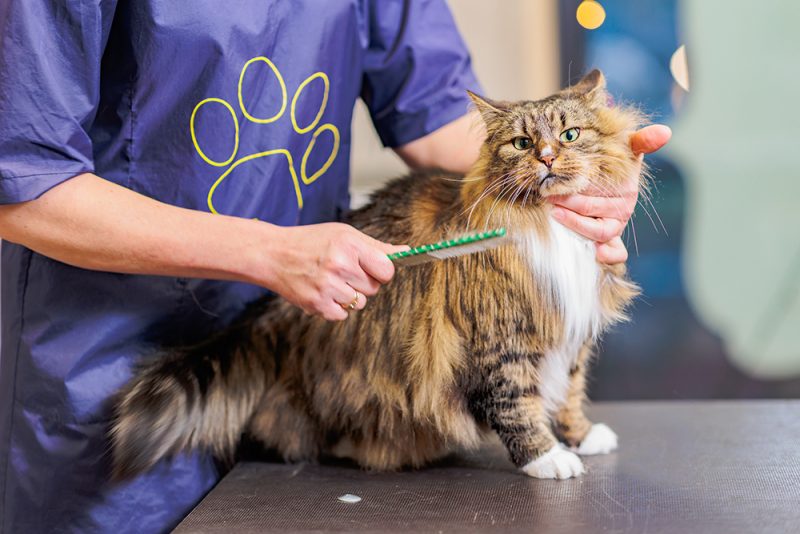
Credit: www.catster.com
Alternatives To Sedation
Choosing not to sedate your cat for grooming opens up several effective and safer alternatives. These options help keep your feline friend calm and cooperative without the risks that sedation might bring. Understanding these methods can make grooming a less stressful experience for both you and your cat.
Behavior Training
Teaching your cat to tolerate grooming through gentle behavior training can work wonders. Start with short sessions, rewarding your cat with treats and praise to build positive associations. Gradually increase the time spent brushing or handling paws, making sure to stop before your cat feels overwhelmed.
Have you noticed how patience and consistency can transform your cat’s reaction to grooming? It might take weeks, but many cats learn to accept grooming as part of their routine.
Professional Groomers
Sometimes, the best choice is to trust a professional groomer who understands feline behavior. Experienced groomers use calm handling techniques and know how to read your cat’s body language to avoid stress. They often have specialized equipment and quiet environments that make grooming smoother.
If your cat is particularly anxious, consider discussing your concerns with the groomer beforehand. This collaboration can lead to a custom approach that suits your cat’s unique needs.
Stress-reducing Products
There are several products designed to ease your cat’s anxiety during grooming. Items like calming sprays, pheromone diffusers, and soft music can create a peaceful atmosphere. These tools don’t sedate but help your cat feel safe and relaxed.
Have you tried using a cozy grooming box or a familiar blanket? Surrounding your cat with comforting scents and textures often makes a big difference in their willingness to stay calm.
Frequently Asked Questions
Can Cats Be Safely Sedated For Grooming?
Yes, cats can be safely sedated for grooming under a vet’s supervision. Sedation helps reduce stress and prevents injury during grooming.
When Is Sedation Recommended For Cat Grooming?
Sedation is recommended for aggressive, anxious, or very stressed cats. It ensures a calm grooming process and avoids harm to both cat and groomer.
What Are The Risks Of Sedating Cats For Grooming?
Risks include allergic reactions, respiratory issues, and prolonged sedation effects. A vet evaluates your cat’s health to minimize these risks before sedation.
How Long Does Cat Sedation Last During Grooming?
Sedation duration varies by drug type but typically lasts 1 to 3 hours. This timeframe allows enough time for thorough grooming without prolonged effects.
Conclusion
Sedating a cat for grooming can help reduce stress and keep them safe. Always ask a vet before giving any medicine. Not all cats need sedation, and some may react badly. Grooming should be gentle and calm to avoid fear.
Regular brushing helps prevent mats and tangles. Trust professionals to decide what is best for your cat. Keeping your pet happy and healthy matters most.

Leave a Reply