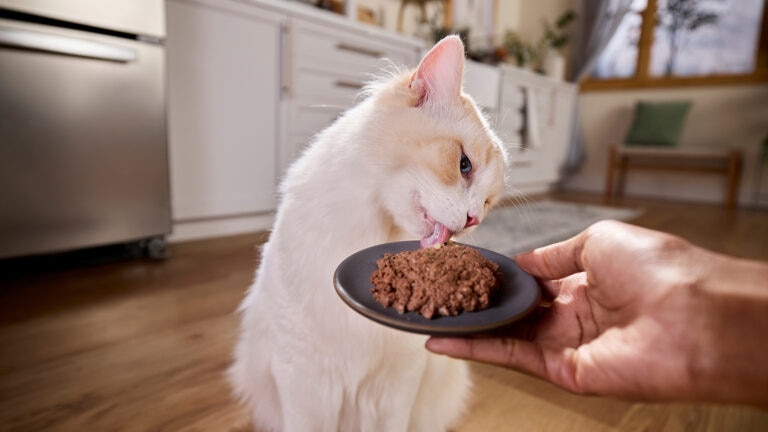
If you have a 10-year-old cat, you probably wonder if it’s okay to feed them adult cat food. After all, your furry friend’s needs change as they grow older.
Giving the wrong food could affect their health and happiness. You want to make sure your cat stays strong and comfortable for many years to come. Keep reading to find out what kind of food suits your senior cat best and why it matters more than you might think.

Credit: www.businessinsider.com
Nutritional Needs Of Senior Cats
As your cat reaches its senior years, their nutritional needs shift significantly. What worked well when they were younger may no longer support their health or energy levels. Understanding these changes helps you decide if adult cat food still fits their diet or if a specialized approach is necessary.
Changes In Metabolism
Senior cats usually experience a slower metabolism. This means they burn calories more slowly and may gain weight if their food isn’t adjusted. You might notice your cat becoming less active, which also reduces their energy needs.
Have you ever caught your older cat lounging more than playing? That’s a clear sign their metabolism is changing, and their diet should reflect that by being less calorie-dense but still nutrient-rich.
Common Health Issues
Older cats often face health challenges like kidney problems, arthritis, and dental issues. These conditions impact how they eat and what nutrients they need. For example, kidney disease requires a diet lower in protein and phosphorus to reduce strain.
If your cat struggles to chew, dry adult food might be tough to eat. You could try softer options or moisten the kibble to help. Paying attention to these issues helps you choose the right food that supports their comfort and health.
Essential Nutrients For Older Cats
Senior cats need a diet rich in specific nutrients to support their aging bodies:
- Protein:High-quality protein helps maintain muscle mass, but quantity should be balanced based on health.
- Fat:Moderate fat levels provide energy without leading to weight gain.
- Fiber:Aids digestion and prevents constipation, which can be common in older cats.
- Antioxidants:Support the immune system and reduce inflammation.
- Vitamins and Minerals:Ensure bone health and overall vitality.
Does your cat’s current food meet these needs? If not, switching to a senior-specific formula might make a big difference in their well-being.
Differences Between Adult And Senior Cat Food
Adult cat food and senior cat food serve different nutritional needs. Cats around 10 years old enter their senior phase. Their bodies change, requiring adjustments in diet. Senior cat food supports aging joints, digestion, and energy levels. Adult cat food suits cats in their prime, with higher energy needs. Understanding these differences helps choose the right food for a 10 year old cat.
Calorie Content
Senior cat food usually has fewer calories than adult cat food. Older cats are less active and burn less energy. Lower calories help prevent weight gain and obesity. Adult cat food contains more calories to support high activity levels. Feeding adult food to a senior cat can lead to extra weight.
Protein And Fat Levels
Protein helps maintain muscle mass, vital for aging cats. Senior cat food often has moderate protein levels, easier to digest. Fat content is also adjusted to avoid excess weight. Adult cat food has higher protein and fat for growth and energy. Senior cats benefit from balanced levels to support health without strain.
Added Supplements
Senior cat food includes supplements for joint and bone health. Ingredients like glucosamine and chondroitin reduce arthritis symptoms. Omega-3 fatty acids support brain and heart function. Adult cat food lacks these extra supplements. These additions improve comfort and quality of life for older cats.
Risks Of Feeding Adult Food To Older Cats
Feeding adult cat food to a 10-year-old cat may cause nutritional gaps or weight issues. Older cats need specific nutrients for their health and energy. Using adult food might not support their aging bodies properly.
Feeding your older cat adult cat food might seem like a convenient option, but it can pose several risks to their health. Cats’ nutritional needs change as they age, and what worked for them at one stage of life might not be suitable later on. Understanding these risks can help you make informed decisions about your pet’s diet.Potential Nutrient Deficiencies
Older cats often require higher levels of certain nutrients like protein, vitamins, and minerals. Adult cat food may not meet these needs, leading to deficiencies. For example, lower protein levels in adult food could affect your cat’s muscle maintenance and overall vitality.Digestive Challenges
As cats age, their digestive systems can become more sensitive. Adult cat food might be harder for a senior cat to digest, potentially causing stomach upset or discomfort. You may notice changes in your cat’s stool or an increase in vomiting—signs that the food isn’t agreeing with them.Impact On Weight And Energy
Feeding an older cat adult food can also impact their weight and energy levels. Senior cats often have different caloric needs, and adult food might contribute to unwanted weight gain or loss. This can lead to decreased energy levels, affecting their quality of life. Have you noticed any changes in your cat’s behavior or health after a diet change? Observing these signs can be crucial in ensuring they receive the nutrition they truly need.When Adult Cat Food Might Be Suitable
Choosing the right food for a senior cat requires attention. Adult cat food may suit some older cats. This depends on their health and lifestyle. Knowing when adult cat food fits can help maintain your cat’s well-being.
Healthy Senior Cats
Some senior cats remain active and healthy. Their energy needs stay similar to adult cats. These cats often do well with adult cat food. The food should have balanced protein and fat. It must support muscle maintenance and vitality.
Veterinarian Recommendations
Veterinarians guide the best diet for older cats. They consider medical conditions and weight. If a cat has no special needs, adult food might be fine. Vets may suggest testing to ensure proper nutrition. Always follow their advice for your cat’s health.
Gradual Transition Tips
Switching food needs care to avoid upset stomachs. Mix old and new food over 7-10 days. Slowly increase the amount of adult food each day. Watch your cat for any changes in appetite or digestion. This method helps your cat adjust smoothly.
Choosing The Right Diet For A 10 Year Old Cat
Choosing the right diet for a 10 year old cat is crucial for maintaining their health and vitality. As cats age, their nutritional needs change, and what worked when they were younger may no longer be the best option. Paying attention to diet can help prevent common senior cat health issues and keep your furry friend feeling their best.
Consulting Your Vet
Your veterinarian is the best resource when deciding what to feed your older cat. They can assess your cat’s overall health, weight, and any medical conditions that may affect dietary needs. Asking your vet about specific nutrients or supplements can make a big difference in choosing the right food.
Have you noticed any changes in your cat’s appetite or energy levels? Sharing these observations with your vet can help tailor recommendations to your cat’s unique situation.
Reading Pet Food Labels
Understanding pet food labels is key to picking the right diet. Look for foods labeled for “senior” or “mature” cats, as these formulas often have adjusted protein, fat, and calorie levels. Check the ingredient list for high-quality protein sources like chicken or fish listed first.
Be wary of fillers such as corn or wheat, which add little nutritional value. Also, compare the guaranteed analysis section to see the percentages of protein, fat, fiber, and moisture.
Special Dietary Needs
Older cats often develop conditions like kidney disease, arthritis, or dental problems that require special diets. Your cat may need food that is lower in phosphorus or enriched with omega-3 fatty acids to support joint health. Soft or wet foods might be easier for cats with dental issues to eat comfortably.
Have you checked if your cat’s food supports their current health challenges? Adjusting their diet to meet these needs can improve their quality of life significantly.
Credit: www.diamondpet.com
Homemade Vs Commercial Senior Cat Food
Deciding between homemade and commercial senior cat food can feel overwhelming, especially when your 10-year-old cat’s health is on the line. Both options offer unique benefits and challenges. Understanding these can help you make a choice that supports your cat’s aging needs while fitting your lifestyle.
Benefits Of Homemade Meals
Homemade meals allow you to control exactly what your cat eats. You can tailor ingredients to your cat’s preferences and specific health needs, such as adding more protein or avoiding allergens.
Many cat owners find joy in preparing fresh meals, ensuring there are no fillers or artificial additives. Plus, you can introduce variety to keep your cat excited about mealtime.
However, it’s important to balance nutrients carefully. Cats require specific vitamins and minerals that can be tricky to get right without guidance.
Risks And Considerations
Homemade diets come with risks if not properly balanced. Deficiencies in taurine, vitamin A, or calcium can lead to serious health problems in senior cats.
It’s easy to overlook hidden dangers like bones or toxic foods. Without a vet’s advice or a nutritionist’s input, you might unintentionally harm your cat.
Time and effort are also factors. Can you consistently prepare balanced meals? Will your cat accept homemade food every day? These questions matter.
Best Commercial Options
Commercial senior cat foods are designed to meet aging cats’ nutritional needs. Brands like Hill’s Science Diet, Royal Canin Aging 12+, and Blue Buffalo offer formulas rich in antioxidants and joint-supporting ingredients.
These products undergo rigorous testing to ensure balanced nutrition. They also provide convenience, saving you time while delivering consistent quality.
Look for labels specifying “senior” or “mature” formulas and check for added supplements like omega-3 fatty acids and glucosamine. These can aid in maintaining your cat’s mobility and cognitive health.
Monitoring Your Cat’s Health On Adult Food
Switching your 10-year-old cat to adult cat food means you need to keep a close eye on how your furry friend responds. Monitoring your cat’s health is essential to ensure the new diet meets their needs without causing any issues. Paying attention to subtle changes can help you catch problems early and keep your cat comfortable and thriving.
Signs Of Nutritional Imbalance
Watch for changes in your cat’s coat, energy, and digestion. A dull or flaky coat could signal a lack of essential fatty acids or vitamins. If your cat seems lethargic or unusually hyperactive, the food might not be providing balanced nutrition.
Also, keep an eye on their litter box habits. Diarrhea or constipation can indicate the diet isn’t agreeing with their system. Have you noticed your cat’s breath or mouth smell different? That might be another clue your cat’s nutrition needs tweaking.
Tracking Weight And Activity
Regularly weighing your cat helps you see if they’re maintaining a healthy weight on adult food. A steady weight is a good sign, but sudden weight loss or gain needs attention. You can weigh your cat at home using a kitchen scale or during vet visits.
Observe your cat’s activity levels too. Older cats might naturally slow down, but drastic changes could point to health problems or dietary issues. Ask yourself: Is your cat playing and moving around like usual, or are they spending more time resting?
When To Adjust The Diet
If you spot any signs of imbalance, weight shifts, or changes in activity, it’s time to reconsider the diet. Your cat might need senior-specific food with added nutrients or adjustments in portion size. Always consult your vet before making big changes, especially with older cats.
Remember, your cat’s needs can change quickly as they age. Don’t hesitate to tweak their meals if you think it will improve their health and happiness. After all, your cat depends on you to make sure they get the right fuel for every stage of life.

Credit: www.businessinsider.com
Frequently Asked Questions
Can A 10-year-old Cat Eat Adult Cat Food?
Yes, a 10-year-old cat can eat adult cat food if they are healthy. Senior cats may need special diets, but adult food is usually safe unless your vet advises otherwise.
When Should I Switch My Cat To Senior Food?
Switch to senior cat food around 7-10 years old. Senior formulas support aging joints, kidney health, and lower calories to prevent obesity in older cats.
Is Adult Cat Food Nutritionally Enough For Older Cats?
Adult cat food meets general nutritional needs but may lack extra nutrients for aging cats. Senior food has added vitamins and joint support tailored for older cats.
Can Feeding Adult Food Harm A Senior Cat?
Feeding adult food to senior cats occasionally is okay, but long-term it may miss specific nutrients. Consult your vet to avoid health issues related to diet.
Conclusion
A 10-year-old cat can eat adult cat food, but it may lack key nutrients. Senior cats often need diets that support joint health and digestion. Choosing the right food helps keep your cat active and happy. Watch how your cat reacts to the food and consult a vet for advice.
Feeding your cat properly supports a longer, healthier life. Small changes in diet can make a big difference. Keep your cat’s needs in mind every time you shop for food.

Leave a Reply