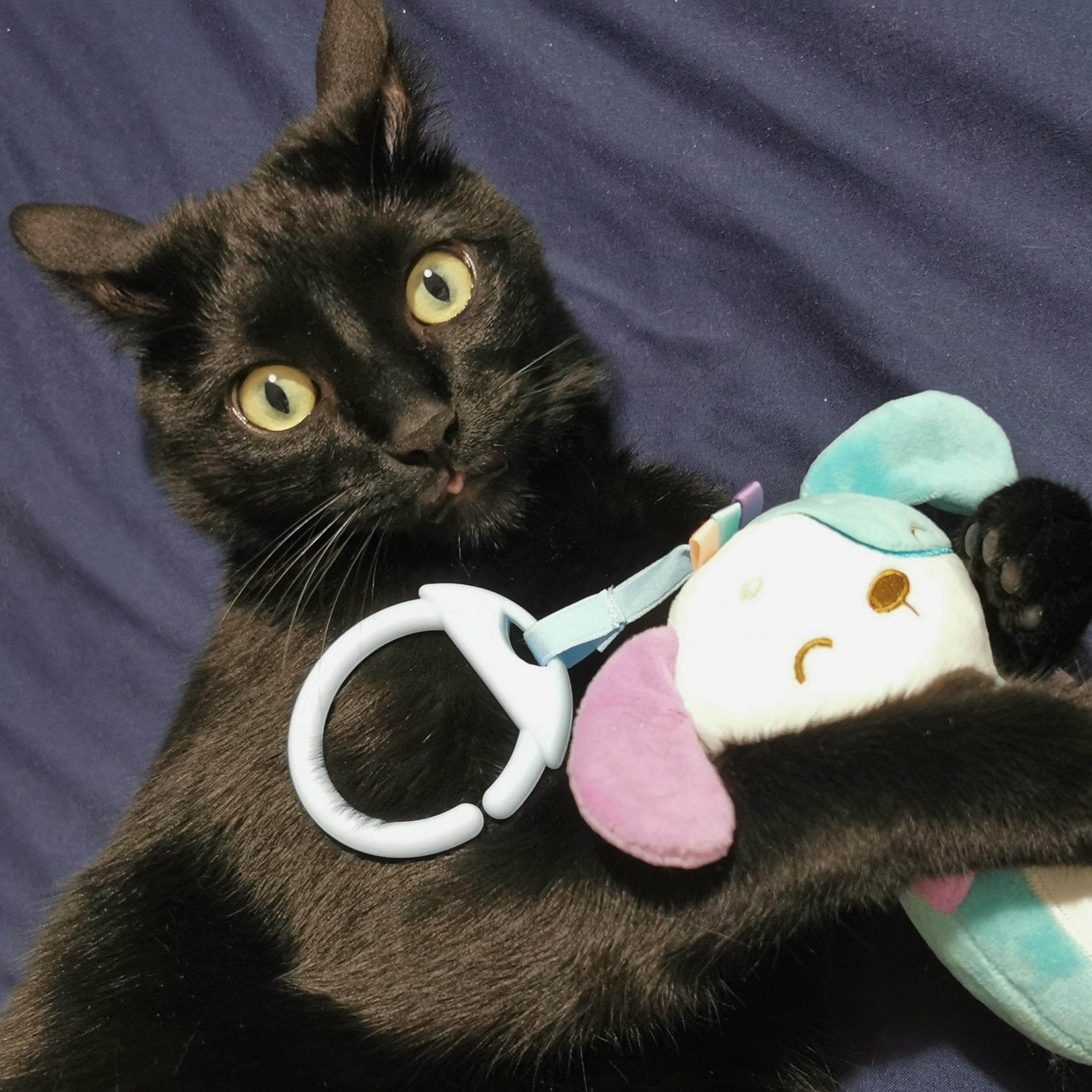
Are you wondering if it’s safe to give your baby cat toys? It’s a question many parents ask when they want to keep their little one entertained but worry about safety.
You want your baby to explore and play, but you also want to make sure they’re not at risk of choking or harm. You’ll discover the truth about baby and cat toy safety, what to watch out for, and smart alternatives that keep your child both happy and safe.
Keep reading to find out exactly what you need to know before letting your baby play with those furry friends’ toys.
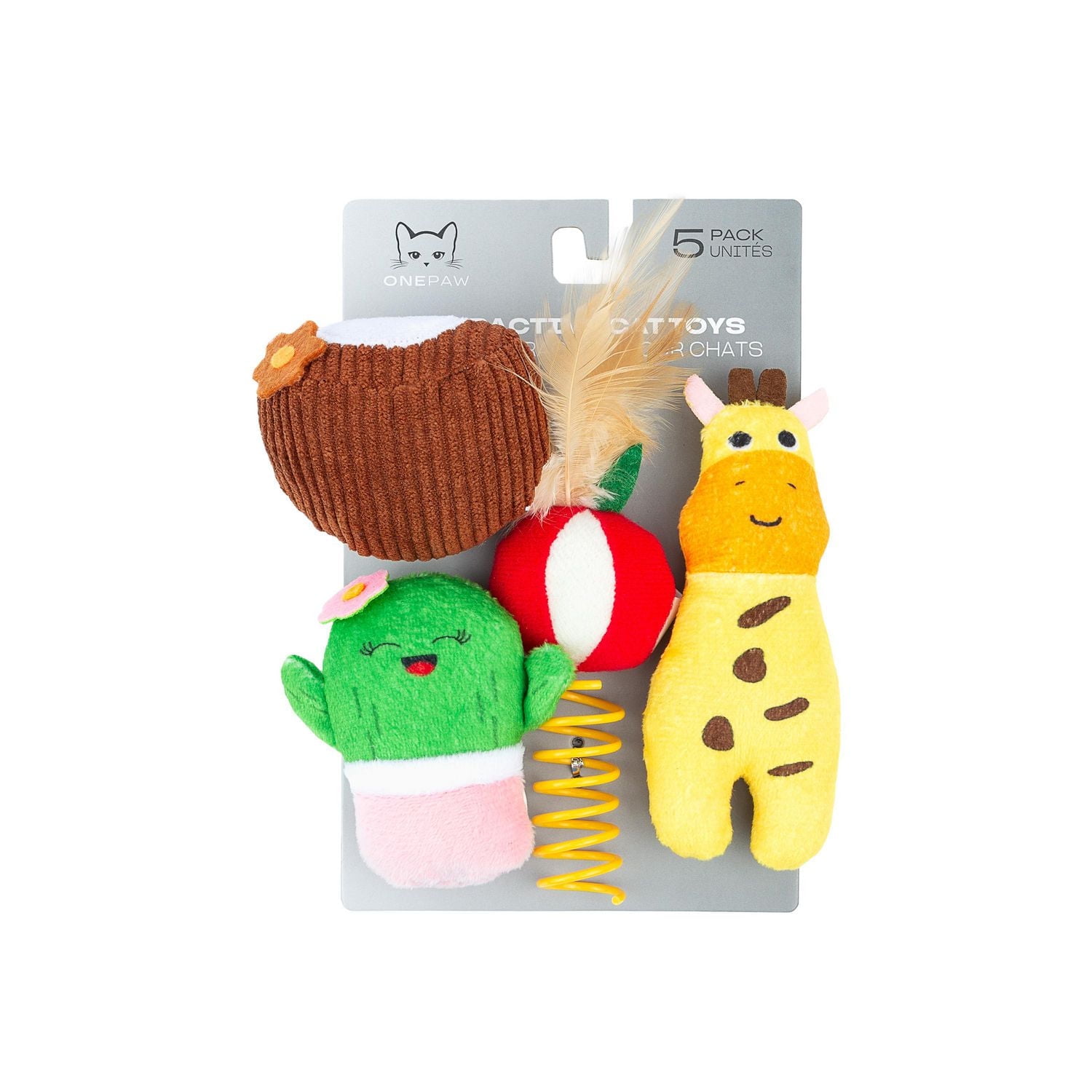
Credit: www.walmart.ca
Cat Toys And Baby Safety
Cat toys might seem harmless, but they need careful thought around babies. Babies explore by putting things in their mouths. Some cat toys have small parts or materials unsafe for babies. Knowing about cat toy safety helps protect your baby from harm.
Common Materials In Cat Toys
Cat toys use many materials, some not safe for babies:
- Plastic:Hard or soft plastics are common but can break.
- Feathers:Natural or synthetic feathers attract cats but can cause choking.
- Strings and yarn:Used in wands or balls but pose strangulation risk.
- Foam and rubber:Soft materials that can tear and be swallowed.
- Metal parts:Small bells or clips can detach and become choking hazards.
Potential Hazards For Babies
Babies face several dangers from cat toys:
- Choking:Small parts can block airways.
- Strangulation:Strings and cords can wrap around necks.
- Toxic materials:Some plastics or dyes might be harmful if chewed.
- Allergic reactions:Feathers and dust can trigger allergies.
- Sharp edges:Broken toys may cut or scratch delicate skin.

Credit: www.walmart.com
Choking And Small Parts Risks
Choking is a serious danger for babies. Small parts can easily block their airway. Toys meant for cats often have tiny pieces. These parts can come loose or detach. It is important to understand these risks before giving cat toys to babies.
Loose Pieces And Detachable Parts
Cat toys often have small bells, feathers, or plastic eyes. These parts can fall off during play. Babies may put these small pieces in their mouths. This creates a choking hazard. Always check cat toys for loose parts. Avoid toys that are not securely made.
Size And Shape Concerns
Cat toys are usually small and light. They can easily fit in a baby’s mouth. Some shapes are hard to grasp or swallow safely. Round or smooth pieces can slide into the throat. Make sure toys are too large to swallow. Avoid any toy that fits entirely inside a baby’s mouth.
Toxicity And Allergens
Toxicity and allergens in toys pose serious risks to babies. Their delicate bodies can react badly to harmful substances. Understanding these dangers helps keep babies safe. Cat toys are not made for babies, and some materials may be unsafe for them.
Harmful Chemicals In Toys
Many cat toys contain chemicals that harm babies. These include:
- Lead
- Phthalates
- Bisphenol A (BPA)
- Formaldehyde
These chemicals can cause poisoning or long-term health issues. Babies often put toys in their mouths, increasing exposure risk. Cat toys may not meet safety rules for baby products. Toys made for pets may have dyes and plastics unsafe for babies.
Allergic Reactions In Babies
Babies can develop allergies from cat toys. Materials like feathers, wool, or synthetic fibers may trigger reactions. Common symptoms include:
- Skin rashes
- Swelling
- Itching
- Breathing problems
Babies with sensitive skin or family history of allergies face higher risks. Cat toys often carry pet dander or dust that irritates babies. Always watch for any signs of allergy after contact with toys.

Credit: www.petface.com
Supervision And Precautions
Keeping your baby safe around cat toys requires careful supervision and clear precautions. Cat toys are designed for pets, not little hands or mouths, so it’s important to watch closely whenever your baby is near them. Understanding the risks and setting boundaries can help protect your child from choking hazards or harmful materials.
Safe Play Guidelines
Always supervise your baby if they are near cat toys. Many cat toys have small parts, strings, or feathers that can easily come off and become choking hazards.
Check toys regularly for wear and tear. If a toy looks damaged, remove it immediately to prevent accidents.
- Keep toys out of reach when not in use.
- Never leave your baby unattended with any pet toy.
- Choose toys that are large enough to avoid swallowing risks.
Ask yourself: Is this toy safe enough for my baby’s age and development stage? If you hesitate, it’s better to avoid giving the toy altogether.
Alternatives To Cat Toys For Babies
Instead of cat toys, offer your baby items made specifically for their age and safety. Soft rattles, teething rings, and textured balls are excellent choices.
These alternatives provide sensory stimulation without the risks associated with pet toys.
- Look for BPA-free and non-toxic materials.
- Choose toys that are easy to clean and disinfect.
- Consider toys with different textures and sounds to engage your baby’s senses.
Think about what your baby enjoys exploring and pick toys that support their development safely. Have you noticed how your baby reacts to different textures or sounds? Use those observations to guide your choices.
When To Consult A Pediatrician
Babies should not play with cat toys as they can be unsafe and cause choking. Consult a pediatrician if your baby shows signs of discomfort or unusual behavior after contact with pet toys. Always choose toys made specifically for infants to ensure safety.
When it comes to the safety of your baby, consulting a pediatrician is a crucial step. This ensures that the toys your baby interacts with are safe and appropriate. You might wonder if cat toys, with their colorful and intriguing designs, could be a suitable option for your little one. Before making any decisions, it’s essential to know when you should reach out to a pediatrician for advice.Signs Of Toy-related Problems
Keep an eye out for any signs that a toy might be causing issues. If your baby shows signs of discomfort or irritation after playing with a toy, it might be time to reconsider its safety. Look for unusual symptoms such as rash, coughing, or gagging, which could indicate an allergy or choking hazard. If your baby becomes overly fixated on a particular toy, it might also be worth discussing with a pediatrician. Sometimes, a toy might have small parts that pose a risk, even if they seem harmless at first glance.Professional Advice On Safe Toys
Pediatricians can provide invaluable advice on choosing safe toys for your baby. They consider factors like age, developmental stage, and potential hazards. It’s always a good idea to consult them when you’re unsure about a particular toy. You might think that because a cat toy is soft or has no small parts, it’s safe for your baby. However, a pediatrician might point out other risks, such as materials that could be toxic if chewed on. Have you ever felt overwhelmed by the vast array of toys available? You’re not alone. Seeking professional advice can help ease your concerns and ensure your baby’s safety.Frequently Asked Questions
Can Babies Safely Play With Cat Toys?
No, babies should not play with cat toys. Cat toys may contain small parts that pose choking hazards. They also might have materials unsafe for babies. Always provide age-appropriate toys designed specifically for infants to ensure safety.
What Risks Do Cat Toys Pose To Babies?
Cat toys often have small pieces, feathers, or strings. These can cause choking, swallowing hazards, or strangulation. Additionally, cat toys may carry germs or toxins harmful to babies. It’s best to keep them out of infants’ reach.
Are There Safe Alternatives To Cat Toys For Babies?
Yes, there are many baby-safe toys designed for infants. Soft, non-toxic, and large toys without small parts are ideal. Look for age-appropriate rattles, teething rings, or plush toys. These promote safe play and development without risks.
Can Babies Share Toys With Pets?
Generally, it’s not recommended. Pet toys may carry bacteria and allergens. Babies have sensitive immune systems and can get sick. It’s safer to keep baby and pet toys separate to prevent health issues.
Conclusion
Babies and cat toys do not mix well. Cat toys often have small parts that babies can swallow. Babies need soft, safe toys made just for them. Always choose toys that match a baby’s age and skills. Keep cat toys out of baby’s reach to avoid accidents.
Parents should watch babies closely during playtime. Safe play helps babies grow and learn happily. Prioritize safety over curiosity to protect your little one. Remember, toys for cats are not toys for babies.



Leave a Reply