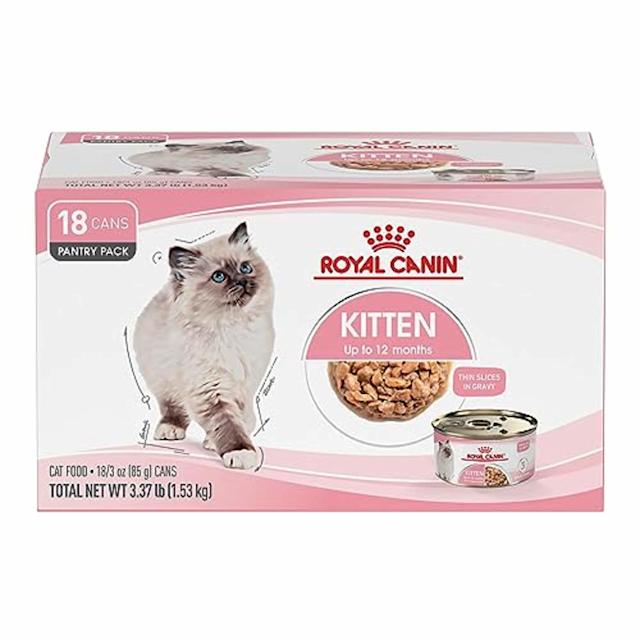
Is your adult cat looking a bit too thin? You might be wondering if feeding them kitten food could help.
After all, kitten food is packed with extra nutrients and calories. But is it really the right choice for your grown feline friend? Before you switch their diet, it’s important to understand what your cat truly needs. Keep reading to discover whether kitten food is a safe and effective way to help your thin adult cat gain weight—and what you should watch out for to keep them healthy and happy.
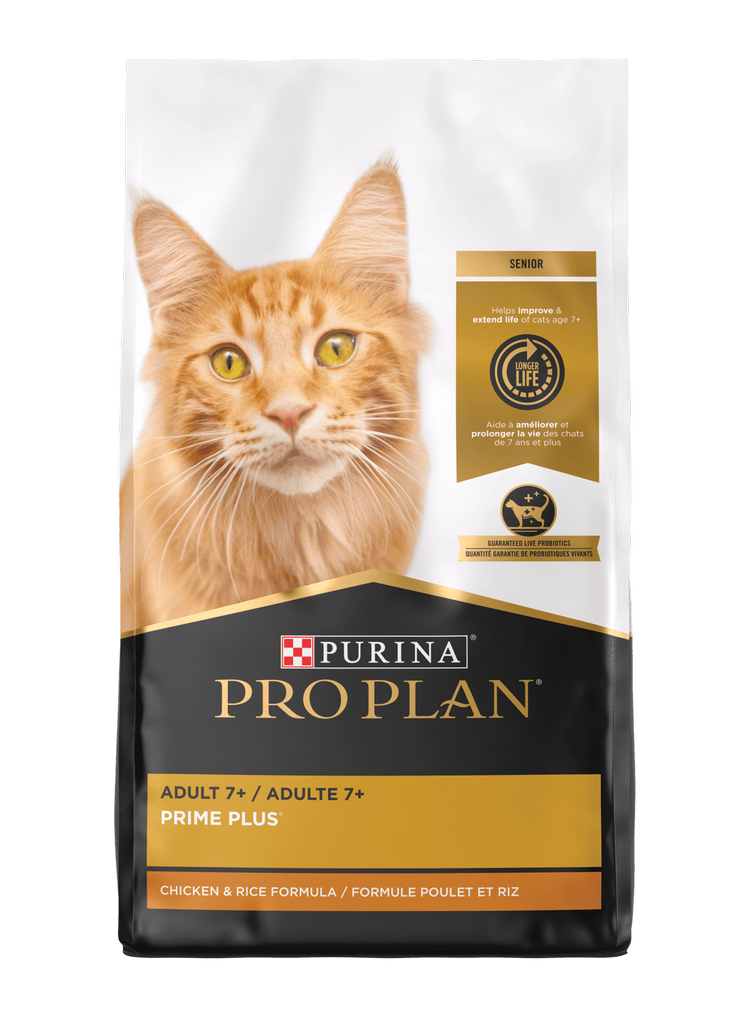
Credit: www.purina.com
Reasons For A Thin Adult Cat
Understanding why an adult cat is thin is important before changing its diet. Thinness in cats can signal different issues. Some causes relate to health, others to diet or aging. Identifying the reason helps provide the right care and food.
Common Health Issues
Many health problems cause weight loss in adult cats. Parasites like worms can reduce nutrient absorption. Kidney disease lowers appetite and causes weight loss. Hyperthyroidism speeds up metabolism, leading to thinness. Dental problems make eating painful, reducing food intake.
Diet And Nutrition Factors
Poor diet can make a cat thin. Low-quality food lacks essential nutrients. Not eating enough calories is another cause. Stress or changes in the home can reduce appetite. Cats with food allergies may avoid certain foods, losing weight.
Age-related Changes
Older cats often lose weight naturally. Muscle mass declines with age. Digestive efficiency decreases, reducing nutrient absorption. Older cats may eat less due to dental pain or reduced senses. Monitoring diet is key for aging cats.
Differences Between Kitten And Adult Cat Food
Kitten food and adult cat food differ in many important ways. These differences meet the unique needs of cats at various life stages. Understanding these differences helps you decide what to feed your thin adult cat safely.
Kitten food supports rapid growth and high energy levels. Adult cat food maintains health and weight once growth slows. Knowing the key distinctions makes feeding choices clearer and safer.
Nutritional Content
Kitten food contains more vitamins and minerals than adult food. It has extra calcium for strong bones and teeth. Adult cat food focuses on balanced nutrients to maintain health without excess.
Kitten formulas include ingredients that support brain and eye development. Adult foods aim to support overall wellness and immune function. Feeding kitten food long-term may cause nutrient imbalances in adults.
Calorie Density
Kitten food is higher in calories per serving. Growing kittens need more energy to fuel their rapid growth. Adult cat food has fewer calories to prevent weight gain in less active cats.
Thin adult cats might seem to benefit from kitten food’s calories. But extra calories alone don’t guarantee healthy weight gain. Quality protein and balanced nutrients are equally important for safe weight improvement.
Protein And Fat Levels
Kitten food contains more protein and fat than adult formulas. These support muscle growth and energy reserves during kittenhood. Adult cat food contains moderate protein and fat for maintenance.
Too much fat in adult cats can lead to digestive upset. Protein levels in kitten food help build lean body mass. Feeding kitten food to an adult cat long-term may cause nutritional imbalances.
Benefits Of Feeding Kitten Food To Thin Adults
Feeding kitten food to thin adult cats provides extra calories and nutrients for healthy weight gain. Its rich protein and fat content supports muscle growth and energy needs. This can help underweight cats regain strength and vitality.
Feeding kitten food to a thin adult cat might seem unconventional, but it can offer a range of benefits that can help your feline friend thrive. Kitten food is specially formulated to support growth and development, which means it packs a powerful nutritional punch. For thin adult cats, these enhanced nutrients can be the key to regaining a healthy weight and robust energy levels. Let’s dive into the specific advantages of introducing kitten food into your cat’s diet.Higher Energy Support
Kitten food is crafted to sustain the high energy demands of growing kittens. This means it contains more calories and fat compared to regular adult cat food. If your adult cat is thin and lacking energy, the extra calories can provide the boost they need to feel lively and active again. Imagine your cat chasing toys or playfully pouncing around the house, rather than lounging lethargically. By offering kitten food, you’re essentially giving your adult cat the fuel they need to rediscover their zest for life.Nutrient Boost
Kitten food is rich in essential nutrients like protein, vitamins, and minerals. These components are vital for maintaining and building muscle mass, repairing tissues, and supporting overall health. If your adult cat is struggling to maintain a healthy weight, the nutrient boost from kitten food can make a significant difference. You might notice a shinier coat, brighter eyes, and a more vibrant demeanor, all signs of improved well-being.Improved Weight Gain
For a thin adult cat, gaining weight can be a challenge. Kitten food’s higher calorie content can aid in promoting healthy weight gain without the need to overfeed. Consider creating a feeding schedule that includes kitten food as a supplement to your cat’s regular diet. Monitor their weight and health, and adjust as needed. As you see those healthy pounds returning, you’ll know you’re on the right track. Is your cat still struggling with low energy or weight issues despite trying various diets? Giving kitten food a shot might be the practical solution you need. Remember, every cat is unique, so consult with your vet to ensure it’s the right choice for your furry companion.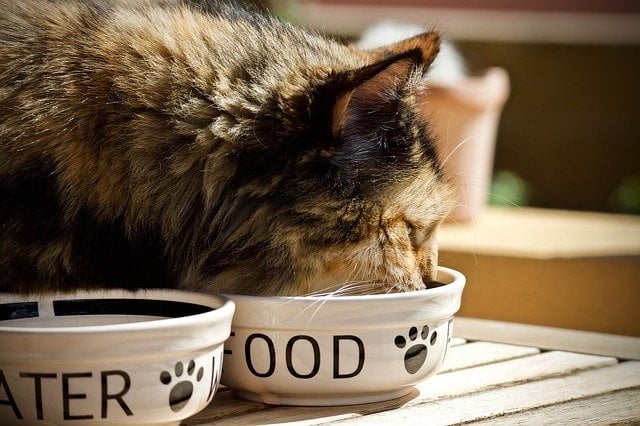
Credit: companion-vets.com
Potential Risks Of Kitten Food For Adults
Feeding an adult cat with kitten food might seem helpful for a thin cat. Kitten food has more calories and nutrients. Yet, it can cause problems over time. Adult cats have different dietary needs than kittens. Understanding the risks helps keep your cat healthy.
Nutritional Imbalance
Kitten food contains more protein and fat than adult cat food. This extra nutrition supports growth in kittens. Adult cats do not need this high level daily. Too much protein and fat can cause weight gain and other issues. The wrong balance of vitamins and minerals can affect your cat’s health.
Long-term Health Concerns
Feeding kitten food long-term may strain your cat’s organs. The kidneys and liver work harder to process extra nutrients. This strain can lead to kidney disease or other problems. High calorie intake can cause obesity. Obesity increases the risk of diabetes and joint problems.
Digestive Issues
Adult cats may struggle to digest kitten food ingredients. Kitten food is richer and heavier on the stomach. This can cause vomiting, diarrhea, or upset stomach. A sudden switch between foods can also confuse the digestive system. Gradual changes in diet are important for adult cats.
When To Consider Kitten Food For Adult Cats
Deciding to feed kitten food to an adult cat depends on several factors. Kitten food has more calories and nutrients to support growth. Some thin adult cats may benefit from these extra nutrients. Careful consideration helps ensure your cat’s health stays strong.
Veterinary Recommendations
Always check with a vet before changing your cat’s diet. A vet can find health issues causing weight loss. They suggest the best food type for your cat’s condition. Their advice protects your cat from nutrient imbalances.
Monitoring Weight Changes
Track your cat’s weight regularly. Rapid weight loss or gain needs attention. Note how your cat responds to kitten food. Adjust the diet based on steady, healthy weight changes.
Adjusting Feeding Amounts
Kitten food is richer, so feed smaller portions. Overfeeding can cause obesity and other problems. Measure daily food carefully and watch your cat’s appetite. Change amounts slowly to find the right balance.
Alternative Ways To Help A Thin Adult Cat
Helping a thin adult cat gain weight requires more than just changing food. A balanced approach supports their health and energy. Focus on improving nutrition, feeding habits, and overall well-being. These alternative ways can make a real difference.
High-calorie Supplements
High-calorie supplements provide extra energy without increasing meal size. They come as gels, powders, or liquids. These supplements add nutrients and calories to your cat’s diet. Choose products made for cats to ensure safety. Consult your vet before starting any supplement. Supplements help cats gain weight steadily and safely.
Frequent Small Meals
Frequent small meals improve digestion and nutrient absorption. Offer food in smaller portions several times a day. This prevents overeating and reduces stress on the stomach. Smaller meals keep energy levels steady throughout the day. Use wet food or mix it with dry food for variety. Feeding often encourages cats to eat more comfortably.
Hydration And Exercise
Hydration supports digestion and overall health. Provide fresh water at all times for your cat. Some cats prefer water fountains or wet food to stay hydrated. Exercise helps build muscle and boosts appetite. Encourage play with toys or gentle activities. A balance of hydration and exercise promotes healthy weight gain.
Tips For Transitioning To Kitten Food
Transitioning a thin adult cat to kitten food needs care and patience. Sudden diet changes can upset their stomach. Follow these tips for a smooth switch. Watch your cat closely and adjust as needed.
Gradual Introduction
Start by mixing a small amount of kitten food with the adult food. Increase kitten food little by little over 7 to 10 days. This helps your cat get used to new flavors and textures. Avoid giving only kitten food at once. Mixing prevents digestive issues and food refusal.
Observing Reactions
Check how your cat reacts to the new food daily. Look for signs like vomiting, diarrhea, or loss of appetite. Also watch for positive signs such as more energy and a shiny coat. If problems appear, slow down the transition. Consult a vet if symptoms last more than a few days.
Balancing With Adult Diet
Kitten food is richer in calories and nutrients. Use it mainly to help your thin cat gain weight. Keep some adult food in the mix to maintain balanced nutrition. Too much kitten food over time can cause excess weight or nutrient imbalance. Adjust portions based on your cat’s health and vet advice.
Credit: www.petmd.com
Frequently Asked Questions
Can Adult Cats Eat Kitten Food Safely?
Yes, adult cats can eat kitten food occasionally. Kitten food is higher in calories and nutrients, which may benefit thin cats temporarily. However, long-term feeding may cause obesity or nutrient imbalance. Consult your vet before switching diets.
Why Is My Adult Cat Still Thin?
A thin adult cat may have health issues or poor nutrition. Underlying conditions like parasites, dental problems, or illness can cause weight loss. Proper diet and veterinary checkups are essential to identify and treat the cause.
How Does Kitten Food Help A Thin Adult Cat?
Kitten food contains more protein, fat, and calories to support growth. For thin adult cats, this extra nutrition can promote healthy weight gain and energy. It is best used short-term and under veterinary guidance.
Can Feeding Kitten Food Cause Health Problems?
Feeding kitten food long-term to adult cats can cause obesity and nutrient imbalances. Kitten food is designed for growth, not maintenance. Always transition to adult cat food once desired weight is achieved.
Conclusion
Feeding a thin adult cat kitten food can help in some cases. Kitten food has more calories and nutrients. This may support weight gain and energy. Still, monitor your cat’s health closely. Talk to a vet before making changes. Not all adult cats need kitten food.
Balanced nutrition is important for every cat. Watch your cat’s weight and behavior daily. Choose food that fits your cat’s needs. Healthy cats make happy pets.



Leave a Reply