Have you ever wondered if cats are naturally good at using the litter box? You might be surprised to learn that while many cats seem to know exactly what to do, potty training isn’t always as simple as it looks.
If you’ve ever faced frustration with your cat’s bathroom habits, you’re not alone. Understanding how cats learn to use the litter box—and what you can do to help—can make a huge difference for both you and your furry friend. Keep reading to discover the truth about cats and potty training, and find out how to create a cleaner, happier home.
Cat Litter Habits
Understanding your cat’s litter habits can make a huge difference in keeping your home clean and your feline friend happy. Cats have unique ways of handling their bathroom needs, and these behaviors are deeply rooted in their instincts. By paying attention to these habits, you can better support your cat’s natural tendencies and improve their potty training experience.
Natural Instincts
Cats naturally bury their waste to hide their scent from predators and other animals. This behavior is hardwired and helps explain why they often dig and cover in their litter boxes. If your cat suddenly stops burying their waste, it might be a sign of stress or illness.
When you notice your cat scratching around their litter, it’s more than just play—it’s their way of feeling secure about their space. Providing a litter box with enough depth for digging encourages this natural behavior. Have you ever thought about how important the texture of the litter is for your cat’s comfort?
How Cats Choose Their Spot
Cats are very particular about where they do their business. They prefer quiet, private areas away from their food and water. If the litter box is placed in a noisy or busy area, your cat may avoid using it altogether.
Smell plays a big role in their choice, too. Cats dislike strong odors, so keeping the litter box clean is essential. Some cats even reject certain types of litter based on scent or texture, which means you might need to try a few options before finding the right one.
Think about where you’ve placed your cat’s litter box—is it truly a comfortable and safe spot? Adjusting the location could solve many litter box problems without stress or extra training.
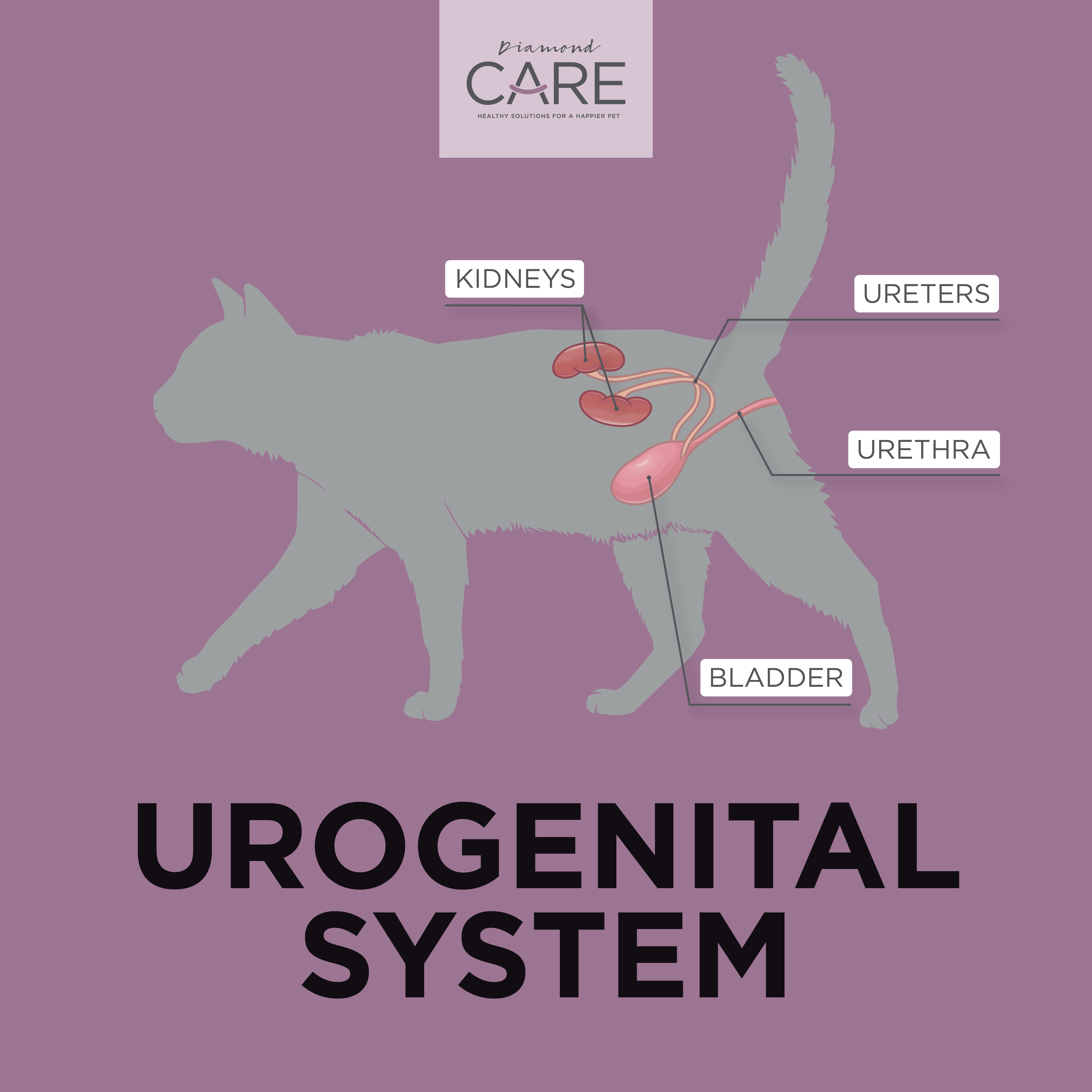
Credit: www.diamondpet.com
Potty Training Myths
Many pet owners wonder if cats can be potty trained like dogs, leading to various myths around the subject. These myths often cause confusion and unrealistic expectations. Understanding what is true and what isn’t helps you handle your cat’s bathroom habits better.
Common Misconceptions
One common myth is that cats naturally use the toilet if trained from a young age. While some cats can learn to use a human toilet, most prefer a litter box that feels safe and private.
Another false belief is that cats don’t need training at all because they instinctively bury their waste. In reality, some cats may develop bad habits if their litter box isn’t clean or accessible.
People often think punishment works to stop accidents, but this can harm your relationship with your cat. Negative reactions usually cause stress, making the problem worse instead of better.
What Really Works
Consistency is key. Keeping the litter box clean and in a quiet spot encourages your cat to use it regularly.
Positive reinforcement helps a lot. Praise or small treats when your cat uses the litter box can build good habits.
Pay attention to your cat’s preferences. Some cats like covered boxes, others don’t. Observing your cat’s behavior helps you adjust their environment for success.
Have you noticed your cat avoiding the litter box? Try changing the type of litter or the box location before assuming it’s a behavior problem. Small tweaks often solve big issues.
Signs Of Poor Potty Behavior
Recognizing signs of poor potty behavior in cats helps address issues early. Cats usually use their litter box without problems. When accidents happen often, it signals a problem.
These signs can affect your home’s cleanliness and your cat’s comfort. Understanding the behaviors helps find solutions fast. Watch closely for unusual potty habits or messes outside the box.
Accidents Outside The Litter Box
Cats may urinate or defecate outside the litter box. These accidents can appear on carpets, furniture, or floors. The spots are often random or in hidden areas.
Accidents happen more than once and in different places. Sometimes cats dig in their bedding instead of the box. Signs also include scratching or pawing near the box but no use.
Causes Behind The Behavior
- Medical problems like infections or bladder issues
- Dirty or smelly litter box
- Stress from changes in the home or routine
- Wrong type or location of the litter box
- Negative past experiences with the litter box
Understanding these causes helps solve potty problems quickly. Check your cat’s health and litter box setup first. Changes in environment can also affect potty habits.

Credit: www.threads.com
Training Techniques That Help
Cats usually learn to use the litter box naturally. Consistent training and positive reinforcement help improve their habits quickly. Patience and a clean environment encourage cats to stay well potty trained.
Training a cat to use the litter box effectively can be a rewarding experience for both you and your feline friend. Understanding the right techniques can significantly ease the process and lead to a clean and comfortable environment at home. Let’s dive into some proven methods that can help your cat become well potty-trained.Introducing The Litter Box
Start by placing the litter box in a quiet, accessible location. Cats prefer privacy, so avoid high-traffic areas. Remember the time when you got your first apartment and wanted to make it your own? That’s exactly how your cat feels about their litter box space. Introduce the litter box to your cat by gently placing them in it. Let them sniff around and get comfortable. If they seem hesitant, sprinkle a small amount of their own waste in the box to encourage them.Positive Reinforcement Tips
Reward your cat when they use the litter box correctly. A treat or a gentle stroke can make a significant difference. Wouldn’t you feel more motivated if someone praised your efforts? Consistency is key. Reinforce this behavior every time they use the box properly. Avoid punishment as it can confuse and stress your cat, leading to setbacks. Engage with your cat regularly and observe their habits. Are they avoiding the box? Maybe it’s time to check if it needs cleaning or if they prefer a different litter. Understanding their preferences can make the training process smoother for both of you. Embrace these simple yet effective strategies to create a harmonious environment where your cat feels secure and trained. After all, a happy cat makes for a happy home.Health Issues And Potty Habits
Cats usually use a litter box for their bathroom needs. Their potty habits can show signs of health problems. Changes in urination can be the first clue of illness. Paying attention to these habits helps keep cats healthy.
Urinary Problems
Urinary problems are common in cats. Signs include straining to urinate or frequent trips to the litter box. Blood in urine or urinating outside the box also signals trouble. These issues may indicate infections, bladder stones, or other illnesses. Early detection can prevent serious health risks.
When To See A Vet
Visit a vet if your cat shows unusual potty habits. Look for:
- Straining or pain during urination
- Frequent urination in small amounts
- Blood in urine
- Sudden accidents outside the litter box
- Excessive licking of the genital area
A vet can diagnose the problem and provide treatment. Quick action can save your cat from discomfort and illness.
Environmental Factors
Environmental factors play a huge role in whether your cat is well potty trained or not. Small changes in their surroundings can confuse or stress them, leading to accidents outside the litter box. Paying attention to these details helps you create a comfortable space that encourages good habits.
Litter Box Placement
Where you place the litter box can make a big difference. Cats prefer quiet, private areas away from their food and water bowls. A busy hallway or noisy laundry room might scare them off.
Try to keep the litter box in a low-traffic spot with good ventilation. If your cat suddenly stops using the box, ask yourself: Did something change nearby? Even moving it a few feet can upset their routine.
Type Of Litter Used
The kind of litter you choose affects your cat’s willingness to use the box. Some cats dislike strong scents or rough textures. Others prefer fine, clumping litter that feels soft under their paws.
Once, I switched my cat’s litter without warning, and she started going elsewhere. Returning to her original litter fixed the problem quickly. Have you noticed your cat avoiding the box after changing litter brands? That’s a clear sign to reconsider your choice.
Advanced Training Options
Advanced training options can help cats learn better potty habits. Some cats may need extra guidance beyond basic litter box use. These options offer practical solutions to encourage cleanliness and comfort.
Using Training Pads
Training pads are a helpful tool for cats new to potty training. They absorb urine and protect floors. Place pads in spots where your cat often eliminates outside the litter box.
Training pads come in different sizes and absorbencies. Change them regularly to keep the area clean and odor-free. Gradually move the pads closer to the litter box to encourage proper use.
Some cats prefer the texture of training pads over litter. They provide a soft surface that feels safe. This option works well for kittens or cats with mobility issues.
Behavioral Therapy
Behavioral therapy addresses the root causes of potty problems. Stress, anxiety, or changes in environment can affect cat behavior. A trained animal behaviorist can help identify triggers.
Therapy may include positive reinforcement and environment modification. Reward your cat for using the litter box correctly. Reduce stress by creating quiet, comfortable spaces.
Patience and consistency are key during behavioral therapy. Progress can be slow but steady. This approach improves not only potty habits but overall well-being.
Cats Vs Dogs: Potty Training Comparison
Potty training varies greatly between cats and dogs due to their different instincts and behaviors. Cats often learn to use a litter box naturally, while dogs need more guidance and training. Understanding these differences helps pet owners manage expectations and training methods effectively.
Cats’ Natural Instinct For Cleanliness
Cats have a strong instinct to bury their waste. This behavior helps keep their living area clean and free of scents. Because of this, cats usually take to litter boxes quickly. Owners must keep the litter box clean to encourage regular use.
Dogs’ Need For Training And Routine
Dogs do not have a natural habit of using a specific spot for potty. They need owners to teach them where and when to go. Consistent training, patience, and positive reinforcement are key. Dogs also benefit from a regular schedule for bathroom breaks.
Challenges In Training Cats Vs Dogs
- Cats may refuse a dirty or poorly placed litter box.
- Dogs may have accidents inside before learning the routine.
- Cats usually require less active training than dogs.
- Dogs need outdoor access or designated potty areas.
Summary Of Potty Training Differences
| Aspect | Cats | Dogs |
|---|---|---|
| Training Time | Shorter, mostly instinctual | Longer, requires practice |
| Owner Involvement | Minimal | High |
| Preferred Location | Litter box | Outdoor or designated spot |
| Accidents | Rare if litter is clean | Common during training |
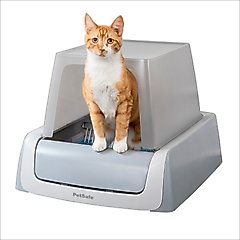
Credit: www.chewy.com
Frequently Asked Questions
Are Cats Naturally Potty Trained?
Yes, cats are naturally potty trained. They instinctively bury their waste to avoid predators. This behavior makes litter training easier.
How Long Does It Take To Potty Train A Cat?
Potty training a cat typically takes a few days to weeks. Consistency, patience, and a clean litter box speed up the process.
Can All Cats Be Potty Trained Using A Litter Box?
Most cats can be potty trained with a litter box. Some may need extra encouragement or specific litter types to adapt.
What Are Common Potty Training Mistakes For Cats?
Common mistakes include dirty litter boxes, inconsistent training, and punishment. These can confuse cats and delay their potty training success.
Conclusion
Cats usually learn to use the litter box quickly and well. They have a natural habit to bury their waste. This makes them easier to potty train than many pets. Some cats might need extra patience or help. Providing a clean, quiet place helps them succeed.
Watching their behavior can prevent accidents. Most cat owners find potty training simple and rewarding. A well-trained cat makes home life cleaner and happier. Keep routines steady, and your cat will do fine. Potty training your cat takes time, care, and love.



Leave a Reply