Have you noticed your cat isn’t grooming like usual? It can be worrying to see your furry friend looking dirty or uncomfortable.
You might wonder, can you bathe a cat that isn’t grooming itself? Bathing a cat isn’t always easy, but sometimes it’s necessary for their health and happiness. You’ll discover why your cat might stop grooming and how you can safely help them stay clean without causing stress.
Keep reading to learn simple tips that can make a big difference for you and your cat.
Credit: pethelpful.com
Reasons Cats Avoid Grooming
Cats are known for their self-cleaning habits. Grooming helps them stay clean and healthy. Sometimes, cats stop grooming themselves. This change can worry cat owners. Understanding why cats avoid grooming is important. It helps to know if your cat needs help or a visit to the vet.
Health Issues Affecting Grooming
Health problems often cause a cat to avoid grooming. Pain from arthritis or injury can make grooming hard. Dental problems may reduce a cat’s willingness to clean its face. Skin infections or parasites cause discomfort and itching. These issues stop cats from grooming properly. A sick cat may look messy or have matted fur.
Behavioral Causes
Stress and anxiety affect a cat’s grooming habits. Changes in home or routine can upset them. Some cats stop grooming when they feel depressed. Older cats may have trouble grooming due to reduced energy. Fear or trauma can also make grooming less frequent. Cats may groom less if they feel unsafe or nervous.
Environmental Factors
The environment around a cat influences grooming behavior. Dirty or uncomfortable living spaces may discourage grooming. Extreme temperatures can affect a cat’s desire to clean itself. Lack of access to safe, quiet areas may reduce grooming time. Overcrowded homes or conflicts with other pets can add stress. All these factors may lead to less grooming.
When Bathing Becomes Necessary
Bathing a cat that does not groom itself can be a delicate task. Cats usually keep themselves clean, but sometimes bathing becomes necessary to maintain their health and comfort. Knowing when to bathe your cat can prevent skin problems and keep its coat shiny.
Signs Your Cat Needs A Bath
- Dirty or greasy fur that won’t come off with licking
- Strong, unpleasant odor from the coat
- Visible dirt, mud, or sticky substances on fur
- Excessive shedding or dandruff on the skin
- Matted fur that causes discomfort or skin irritation
- Skin infections or flea infestations requiring treatment
Risks Of Skipping Baths
Skipping baths can lead to skin infections and bad smells. Dirt and oils can build up, causing irritation and discomfort. Matted fur can pull on the skin, hurting your cat. Unclean fur may attract pests like fleas and ticks. Poor hygiene can worsen allergies in both cats and humans.
Preparing For A Cat Bath
Preparing for a cat bath helps make the experience less stressful. Cats that do not groom need extra care. Proper preparation keeps your cat calm and safe during the bath.
Gathering Supplies
Collect all needed items before starting the bath. This includes:
- Cat-friendly shampoo
- Large towel
- Brush or comb
- Plastic cup or gentle spray nozzle
- Non-slip mat for the sink or tub
- Clean water
Having everything ready prevents rushing and sudden movements.
Creating A Calm Environment
Choose a quiet room without loud noises. Close doors to avoid distractions. Speak softly to soothe your cat. Dim lights can help reduce stress. Play soft music if it helps your cat relax. Keep movements slow and gentle throughout the bath.
Choosing The Right Water Temperature
Use warm water, not hot or cold. Test water with your wrist or elbow. The temperature should feel comfortable and gentle. Warm water helps relax your cat’s muscles. Cold water can cause shock or discomfort. Avoid sudden changes in water temperature during the bath.
Step-by-step Bathing Process
Giving a cat a bath can feel daunting, especially if your feline friend isn’t used to grooming. But with a calm approach and the right steps, you can make the experience less stressful for both of you. Here’s a clear, practical guide to help you bathe your cat safely and effectively.
Securing Your Cat Safely
Before you start, make sure your cat is calm. Try to choose a quiet room with a non-slip surface, like a sink or a bathtub with a rubber mat.
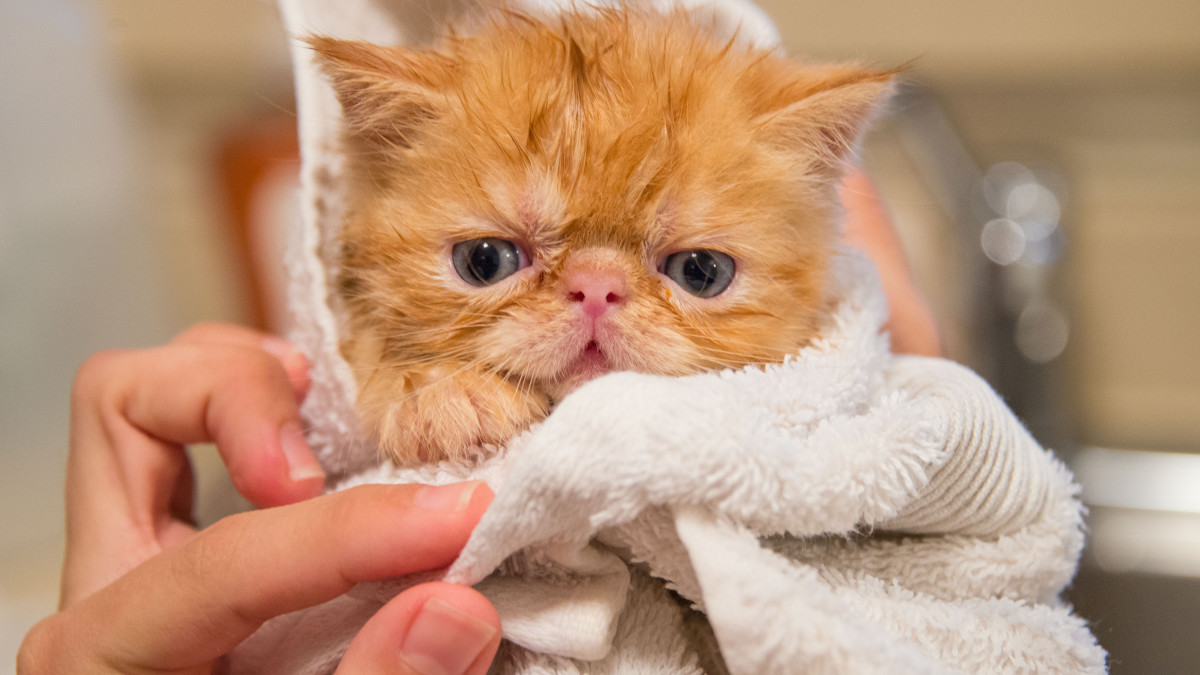
Gently wrap your cat in a towel, leaving only the head exposed. This helps prevent scratching and keeps your cat feeling secure. You can also enlist a helper to hold your cat if needed, so you can focus on washing.
Applying Cat-friendly Shampoo
Use only shampoos made specifically for cats; human or dog shampoos can irritate their skin. Wet your cat gently with lukewarm water, avoiding the face and ears.
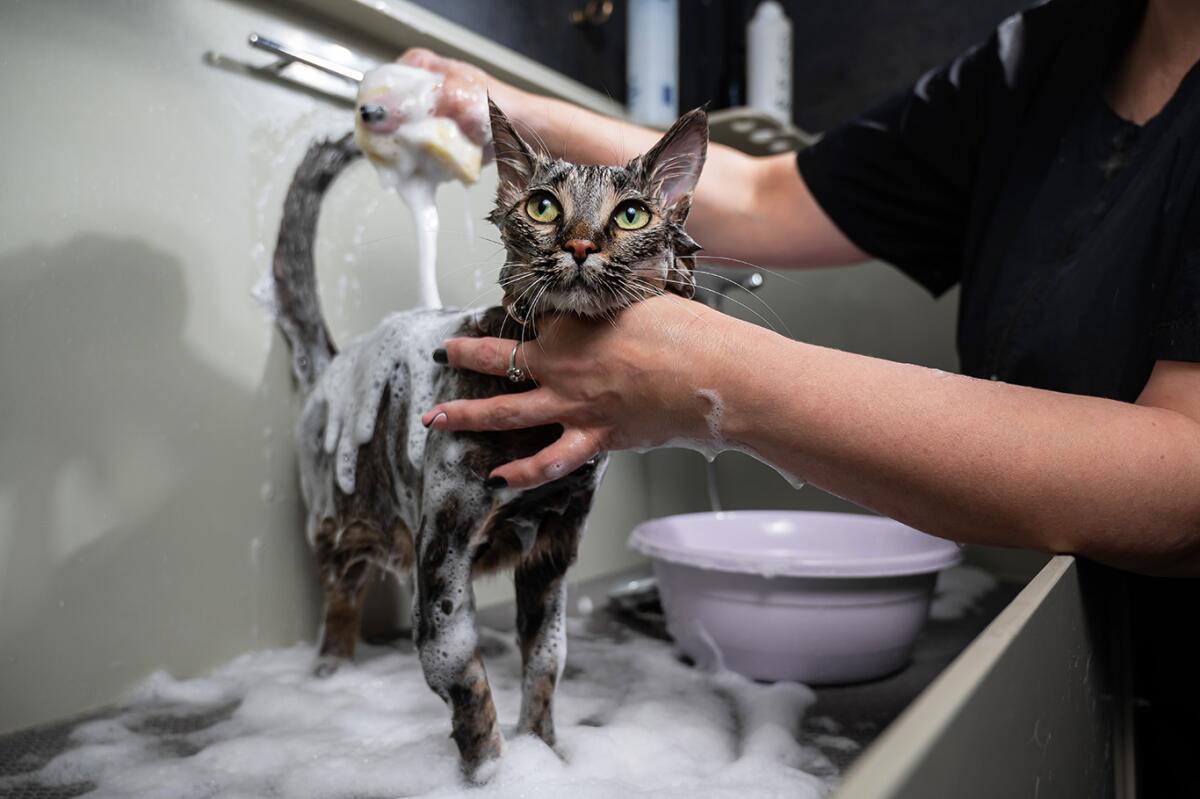
Apply a small amount of shampoo and massage it into the fur with your fingers. Keep the pressure gentle and avoid scrubbing harshly. Focus on the areas that look dirty or greasy.
Rinsing Thoroughly
Rinse your cat carefully to remove all shampoo. Leftover soap can cause itching or dryness, so take your time here.
Use a cup or a handheld showerhead on a low setting to pour water over your cat’s body. Shield their face with your hand to avoid water getting into their eyes or ears.
Drying Techniques
Wrap your cat in a dry towel and pat gently to remove excess water. Avoid rubbing, as it can tangle the fur and irritate the skin.
If your cat tolerates it, use a hairdryer on the lowest heat and noise settings. Otherwise, let your cat air dry in a warm, draft-free room while offering treats and comfort.
Have you noticed how your cat responds during bathing? Observing their reactions can guide you on when to pause or adjust your technique to keep them calm.
Handling A Stressed Cat During Bathing
Bathing a cat that isn’t grooming can be challenging. Especially if the cat is stressed. Handling a stressed cat during bathing requires patience. It’s important to keep the cat calm. This ensures a safe and smooth bathing experience.
Calming Methods
Speak softly to your cat. Use a gentle tone. Play soothing music in the background. This can relax the cat. Give your cat treats before the bath. This creates positive associations. Use pheromone sprays designed for cats. These sprays can calm anxious cats.
Using Towels And Restraints
Wrap your cat in a towel. Leave only the head exposed. This method restricts movement. It prevents scratches. Use a non-slip mat in the tub. This helps the cat feel secure. Consider using a cat harness. It provides better control during bathing.
Recognizing When To Stop
Watch for signs of distress in your cat. Hissing or growling are clear signals. If the cat struggles too much, pause. Allow your cat to calm down. Ensure the bath is quick. Prolonged stress can be harmful.

Credit: felinefancy.co.uk
Alternatives To Full Baths
Bathing a cat that isn’t used to grooming can be a challenge, and sometimes a full bath isn’t the best option. Luckily, there are several alternatives that keep your feline friend clean without the stress of water and soap. These methods can help maintain your cat’s hygiene while respecting their comfort and natural behavior.
Using Waterless Shampoos
Waterless shampoos are a fantastic way to clean your cat without wetting them. These products come in sprays or foams that you apply and then wipe off with a towel. They’re especially useful for removing dirt and odors quickly.
When I first tried a waterless shampoo on my shy cat, I noticed how calm she stayed throughout the process. It’s less invasive and allows you to freshen up your cat’s coat without causing panic. Just make sure to choose a shampoo made specifically for cats to avoid skin irritation.
Spot Cleaning
Sometimes your cat just needs a quick cleanup in certain areas rather than a full bath. Spot cleaning with a damp cloth or pet wipes targets dirty spots like paws or the face. This method is gentle and keeps your cat’s natural oils intact.
Have you ever noticed your cat avoiding the litter box after a messy paw incident? Spot cleaning can solve that without overwhelming your cat with a bath. It’s quick, effective, and easy to do daily.
Professional Grooming Services
If you find it hard to clean your cat yourself, professional groomers can help. They have experience handling cats that dislike baths and use techniques that minimize stress. Groomers can also check for skin problems or mats that you might miss at home.
Think about how much easier your life could be with a groomer’s help. It’s an investment in your cat’s health and your peace of mind. Plus, many groomers offer waterless options or gentle bathing tailored to your cat’s needs.
Post-bath Care And Monitoring
After bathing a cat that isn’t used to grooming, your role doesn’t end with drying them off. Post-bath care is essential to ensure your feline friend stays comfortable and healthy. Monitoring their skin and coat closely can help you spot issues early and encourage better grooming habits going forward.
Checking Skin And Coat Health
Once your cat is dry, take time to gently inspect their skin and coat. Look for redness, irritation, or patches where fur seems thin. Bathing can sometimes reveal hidden problems like fleas or dry skin that need attention.
Pay special attention to areas your cat can’t easily reach with their tongue, such as the back and underbelly. If you notice any unusual bumps or sores, make a note of them. This simple check can prevent minor issues from turning into bigger problems.
Encouraging Regular Grooming
If your cat isn’t grooming themselves, help them get back into the habit by brushing their fur daily. Use a soft brush and be gentle to avoid stressing them out. Brushing stimulates natural oils and keeps their coat shiny and healthy.
Try to make grooming a positive experience by offering treats and praise. Have you noticed how some cats respond better when you sing softly or speak calmly? Small changes like these can make a big difference in your cat’s willingness to groom.
When To Consult A Veterinarian
If your cat continues to avoid grooming or you see persistent skin problems, don’t hesitate to seek professional advice. A vet can check for underlying health issues like allergies, infections, or arthritis that make grooming painful.
Remember, your cat relies on you to notice when something is wrong. If you’re unsure about any changes in their behavior or coat condition after bathing, consulting a veterinarian is the best step to take.
Credit: www.latimes.com
Frequently Asked Questions
Can You Bathe A Cat That Isn’t Grooming Itself?
Yes, you can bathe a cat that isn’t grooming. Bathing helps remove dirt, mats, and odors. Use cat-safe shampoo and warm water. Be gentle and patient to reduce stress. Avoid frequent baths unless recommended by a vet.
How Often Should You Bathe A Cat Not Grooming?
Bathing frequency depends on the cat’s condition. Generally, bath every 4-6 weeks if they don’t groom. Overbathing can dry their skin. Consult a vet for personalized advice, especially if the cat has health issues or skin problems.
What Are Signs A Cat Needs A Bath?
Signs include strong odor, greasy or matted fur, and visible dirt. Cats that stop grooming may also have flaky or itchy skin. Bathing can help maintain hygiene and comfort but should be done carefully.
Can Bathing A Non-grooming Cat Improve Its Health?
Bathing can improve health by reducing skin infections and parasites. It helps remove allergens and dirt that cause irritation. Regular baths support overall cleanliness, especially if the cat can’t groom well due to illness or age.
Conclusion
Bathing a cat that isn’t grooming can help keep it clean and healthy. Cats usually groom themselves, but some may need extra care. Bathing should be gentle and calm to avoid stress. Use cat-friendly shampoo and warm water for safety.
Always check your cat’s skin for issues before bathing. Regular brushing can reduce the need for baths. Remember, patience and kindness make the process easier. Caring for your cat’s hygiene helps it feel good and stay happy. A clean cat is a healthy cat.




Leave a Reply