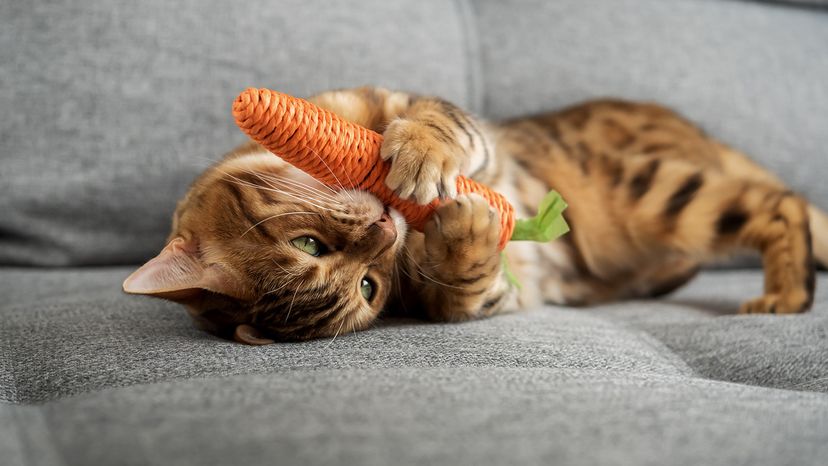
Have you ever noticed your cat acting more aggressive after playtime? You might be wondering if the toys you give your furry friend could be the cause.
It’s natural to want your cat to have fun and stay active, but what if the very toys meant to entertain them are stirring up unexpected behavior? You’ll discover surprising facts about how certain toys can influence your cat’s mood and actions.
Keep reading to find out what you can do to keep playtime fun and safe for both you and your cat.
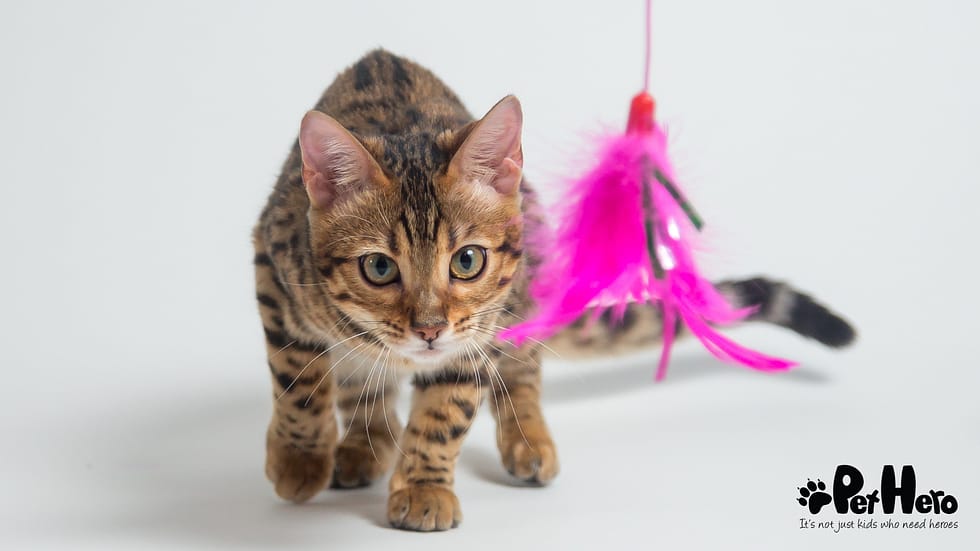
Credit: pethero.co.za
Cat Play Behavior
Understanding your cat’s play behavior can help you see why some toys might trigger different reactions, including aggression. Play is not just fun for cats—it’s a vital way they express natural instincts and burn off energy. Observing how your cat interacts during play can give you clues about their mood and needs.
Natural Hunting Instincts
Cats are born hunters, and their play often mimics hunting behaviors. You might notice your cat stalking, pouncing, or biting toys as if they were prey. This instinct is deeply rooted and helps cats practice skills they would use in the wild.
If your cat suddenly becomes aggressive with a toy, it might be because their hunting drive is very strong at that moment. Instead of avoiding this, you can use it to your advantage by directing their energy through appropriate play.
Types Of Play In Cats
Cats engage in different types of play, including:
- Solo play:Chasing or batting at toys alone.
- Interactive play:Playing with you using toys like wands or laser pointers.
- Social play:Playing with other cats or pets.
Each type of play serves a purpose. For example, solo play helps your cat stay active when you’re busy, while interactive play strengthens your bond. Watching which type your cat prefers can help you choose the right toys and playtime routines.
Role Of Toys In Play
Toys are more than just distractions; they are tools that guide your cat’s play behavior. A toy that encourages stalking and pouncing can satisfy natural instincts and reduce unwanted aggression.
However, not all toys are equal. Some might overstimulate your cat or frustrate them if they can’t catch or “kill” the toy. Have you noticed if certain toys lead to biting or scratching during play?
Try to rotate toys and observe which ones calm your cat versus which ones seem to trigger aggressive outbursts. This insight helps you pick toys that promote healthy play and keep your cat happy and balanced.

Credit: www.alanastevenson.com
Aggression In Cats
Aggression in cats can confuse many pet owners. It often happens without clear reasons. Understanding why cats act aggressively helps manage their behavior better. Aggression is a natural response but can become a problem if it happens too often or is too intense.
Common Causes Of Aggression
Cats can show aggression due to several causes:
- Fear or feeling threatened
- Protecting territory
- Overstimulation during play
- Medical pain or discomfort
- Frustration from lack of attention
Each cause needs a different approach for handling the behavior. Knowing the cause is key to reducing aggression.
Signs Of Aggressive Behavior
Recognizing aggression early helps prevent injuries. Watch for these signs:
- Hissing or growling
- Swatting with claws out
- Ears flattened against the head
- Tail twitching or lashing
- Sudden biting or scratching
These signs warn that the cat feels unsafe or angry. Respond calmly to avoid escalation.
Impact Of Environment And Socialization
The cat’s surroundings affect its behavior a lot. Loud noises, new pets, or changes can cause stress. Poor socialization during kittenhood can lead to fear and aggression.
Providing a calm, safe space helps reduce aggressive tendencies. Early gentle handling and positive interactions teach cats to trust humans. A stable environment promotes a happy and peaceful cat.
Toys And Aggression Link
Toys can sometimes trigger rough play in cats, which may look like aggression. Overstimulating toys might cause cats to bite or scratch more often. Choosing the right toys helps keep playtime fun and safe.
Cats are curious and playful creatures. Toys play a significant role in their daily lives. While toys provide entertainment and stimulation, they can also trigger unexpected behaviors. Some cat owners notice that certain toys make their cats aggressive. Understanding the link between toys and aggression is essential. This helps in ensuring a safe play environment for our feline friends.How Toys Can Trigger Aggression
Certain toys might spark aggressive behavior in cats. Fast-moving toys can awaken a cat’s hunting instincts. This can lead to biting or scratching. Toys that mimic prey, like mice or birds, can also trigger aggression. Some cats may become overexcited during play. This excitement can quickly turn into aggressive actions. It’s important to monitor how your cat interacts with toys.Differences Between Play Aggression And True Aggression
Play aggression involves playful biting and scratching. It is usually not harmful. Cats show play aggression during their hunting games. True aggression, on the other hand, is serious. It can cause harm to other pets or people. True aggression involves hissing, growling, or lunging. Recognizing the difference is key. This helps in managing your cat’s behavior effectively.Role Of Interactive Playtime
Interactive playtime is beneficial for cats. It helps in reducing aggressive tendencies. Using toys like feather wands or laser pointers can engage your cat. These toys provide a safe outlet for their energy. Interactive play strengthens the bond between you and your cat. It encourages healthy behavior. Regular playtime helps in managing aggression. It ensures your cat stays happy and healthy.Choosing The Right Toys
Choosing the right toys for your cat can make all the difference in keeping their playtime fun and stress-free. The right toys not only entertain your feline friend but also help prevent unwanted aggressive behavior. Understanding what works best for your cat’s personality and energy level is key to a happy, healthy pet.
Safe Toys For Stress-free Play
Look for toys made from non-toxic materials that won’t harm your cat if chewed or swallowed. Soft plush toys, feather wands, and small balls designed specifically for cats are usually safe bets. Avoid toys with small parts that can come loose and cause choking or digestive issues.
My own cat once swallowed a tiny bell from a toy, which led to an emergency vet visit. Since then, I’ve stuck to sturdy, well-made toys to avoid any risks. You want to feel confident that your cat’s playtime won’t turn into a dangerous situation.
Avoiding Overstimulation
Too much excitement during play can sometimes lead to aggressive behavior. Keep play sessions short and frequent rather than long and intense. Watch your cat’s body language for signs of overstimulation, like twitching tail or flattened ears.
If you notice your cat getting too worked up, pause the play or switch to a calmer activity. This helps your cat learn to manage excitement without turning aggressive. Would your cat benefit from scheduled breaks during play to keep things balanced?
Encouraging Positive Play Habits
Use toys that promote natural hunting instincts like chasing and pouncing, but guide your cat to play gently. Reward calm behavior with treats or affection to reinforce positive habits. Redirect biting or scratching from your hands to toys immediately to avoid confusion.
Consistency is essential—always use the same toys for play and never your fingers. Over time, your cat will understand what’s acceptable to bite and scratch. How can you make playtime both fun and a lesson in good behavior for your cat?
Managing Aggressive Play
Managing aggressive play in cats is key to keeping both your furry friend and your home safe. Aggression during play can be a sign of overstimulation or simply a need for more appropriate outlets for energy. Understanding how to guide your cat’s behavior can transform chaotic playtime into a positive bonding experience.
Redirecting Aggressive Energy
When your cat starts to show signs of aggressive play, it’s important to offer alternatives that satisfy their natural hunting instincts. Use toys that mimic prey, like feather wands or laser pointers, to direct their focus away from your hands or feet.
Keep several toys handy to switch things up and prevent boredom. If your cat tries to bite or scratch you, gently stop and replace your hand with a toy. This teaches them what’s acceptable to attack and what isn’t.
Training Tips For Calm Play
Teaching your cat to play calmly takes patience and consistency. Reward gentle interactions with treats or praise immediately to reinforce good behavior.
Set short play sessions to avoid overstimulation, which often leads to aggression. Watch for signs of your cat getting too excited—like tail flicking or dilated pupils—and pause the game before it escalates.
When To Seek Professional Help
If your cat’s aggressive behavior feels overwhelming or dangerous, don’t hesitate to ask for expert advice. A veterinarian or animal behaviorist can help identify underlying causes and design a tailored plan.
Sometimes aggression stems from pain or anxiety, which requires medical attention. Remember, your cat’s wellbeing and your safety are both important, so professional guidance can make a big difference.

Credit: www.petscare.com
Frequently Asked Questions
Can Toys Cause Aggression In Cats?
Yes, some toys can trigger aggressive behavior in cats, especially if they mimic prey. Rough play can encourage biting and scratching. It’s important to supervise play and provide calming toys to reduce aggression.
What Types Of Toys Make Cats Aggressive?
Toys that resemble small animals or move unpredictably may provoke aggressive instincts. Laser pointers and feather wands can sometimes overstimulate cats. Choosing soft, interactive toys helps prevent aggressive reactions during playtime.
How Can I Prevent Toy-induced Aggression?
Set clear play boundaries and avoid using your hands as toys. Use toys that encourage gentle interaction. Regularly rotate toys to keep your cat engaged without overstimulation, reducing aggressive tendencies.
Is Aggressive Play Normal In Cats?
Yes, aggressive play is a natural behavior linked to hunting instincts. However, excessive aggression can indicate stress or frustration. Providing appropriate outlets and calming environments helps maintain healthy play habits.
Conclusion
Toys can affect a cat’s behavior in different ways. Some toys may trigger excitement or frustration. Watching your cat play helps you understand their mood. Choose toys that match your cat’s energy and style. Safe and gentle play lowers chances of aggression.
Remember, toys alone do not cause bad behavior. Training and attention matter just as much. Keep playtime fun and stress-free for your cat. This way, both of you enjoy happy, calm moments together.


Leave a Reply