Are you wondering if long-haired cats can be groomed easily? If you have a fluffy feline friend or are thinking of getting one, you might worry about their care and maintenance.
Grooming long-haired cats isn’t just about keeping them looking beautiful—it’s essential for their health and happiness. But don’t worry, you don’t need to be a professional to keep your cat’s coat shiny and tangle-free. You’ll discover simple tips and tricks to make grooming your long-haired cat a stress-free and rewarding experience.
Keep reading, and you’ll learn how to keep your furry companion comfortable and looking their best every day.
Benefits Of Grooming Long Haired Cats
Grooming long haired cats is more than just a beauty routine; it plays a crucial role in their overall health and happiness. Regular grooming sessions help you keep your cat comfortable while preventing common issues that arise from neglected fur. Understanding the benefits of grooming will motivate you to make it a part of your cat’s daily care.
Preventing Mats And Tangles
Mats and tangles can cause serious discomfort for your long haired cat. These knots pull on their skin, leading to pain and even infections if left untreated. By grooming regularly, you catch these issues early and gently remove them before they worsen.
Have you noticed your cat avoiding touch or hiding? It might be due to painful mats. A simple daily brush can keep their coat smooth and their mood bright.
Reducing Shedding
Long haired cats shed more than you might expect, leaving fur all over your home. Grooming helps remove loose hair before it falls off, keeping your house cleaner and reducing allergens. It also means less hairballs for your cat to deal with.
Imagine how much easier vacuuming can be when you stay on top of shedding with a quick grooming session. Plus, your cat will appreciate the extra attention and care.
Maintaining Skin Health
Grooming stimulates blood circulation and distributes natural oils across your cat’s skin. This keeps their coat shiny and their skin healthy. Skipping grooming can lead to dry, flaky skin and increase the risk of infections.
Have you checked your cat’s skin during grooming? You might spot issues like redness or bumps early, allowing for quicker treatment and less discomfort for your pet.
Tools Needed For Grooming
Grooming a long-haired cat requires the right tools to keep their coat healthy and beautiful. Without proper equipment, you might struggle to detangle knots or remove loose fur effectively. Having the right brushes, clippers, and accessories can make the process smoother and more enjoyable for both you and your cat.
Types Of Brushes And Combs
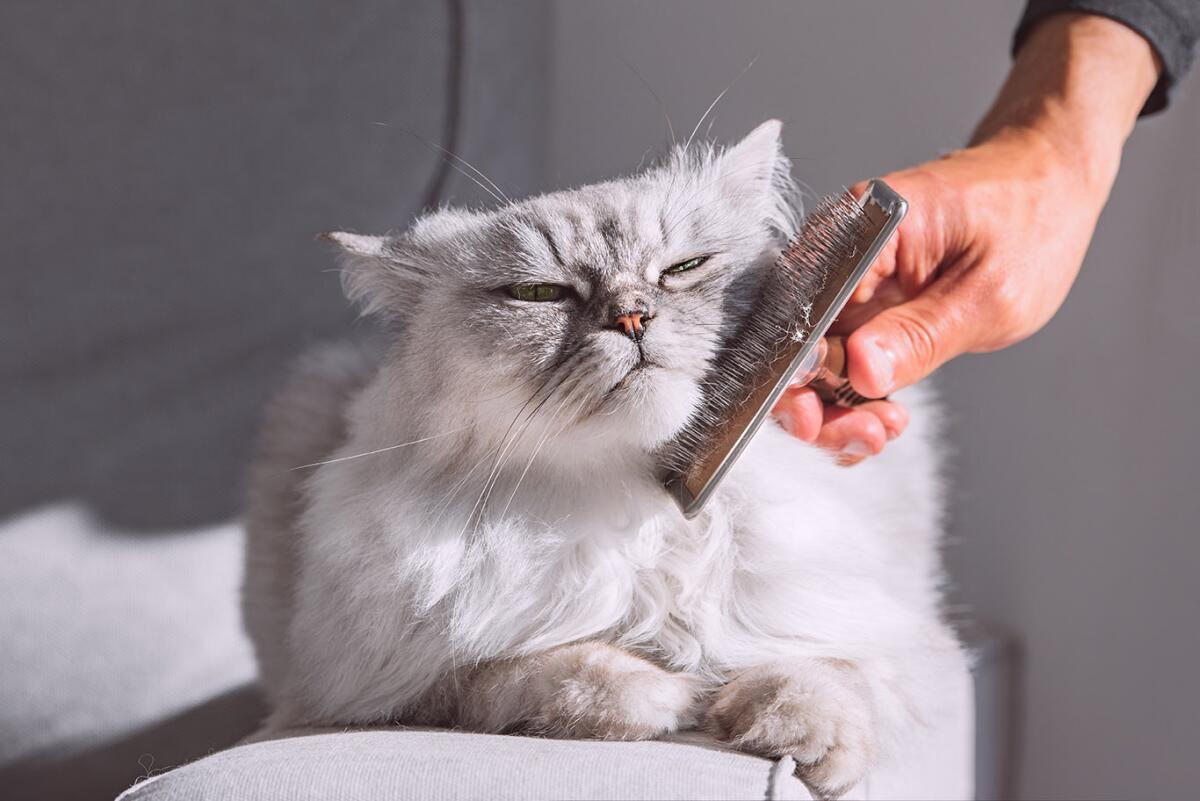
Not all brushes are created equal. A slicker brush works wonders for removing loose hair and preventing matting. Its fine wire bristles reach deep into the fur, making it easier to untangle knots.
For sensitive areas like the face or tail, a soft-bristle brush is gentler and helps distribute natural oils. A wide-toothed comb is great for checking for tangles and carefully working through mats without pulling too hard.
Have you noticed how your cat reacts to different brushes? Their comfort can guide you in choosing the best type.
Clippers And Scissors
Sometimes brushing isn’t enough, and trimming is necessary. Electric clippers designed for pets can safely shorten long fur, especially in mats that won’t come out with brushing. Choose clippers with adjustable speeds to avoid scaring your cat.
Sharp grooming scissors are essential for precise trimming around delicate areas like paws, ears, and under the tail. Rounded-tip scissors reduce the risk of accidental cuts during grooming sessions.
Do you feel confident using scissors around your cat? Practicing on a small section first can boost your skill and your cat’s trust.
Other Grooming Accessories
Aside from brushes and scissors, several accessories can improve your grooming routine. A grooming glove combines brushing and massaging, which many cats find soothing. It also helps capture loose fur easily.
Detangling sprays can soften matted fur, making combing less painful. Nail clippers designed for cats keep their claws neat and prevent damage to furniture.
Have you considered a grooming table or non-slip mat? These tools can keep your cat steady and comfortable during grooming sessions.
Step-by-step Grooming Routine
Grooming long-haired cats is essential for their health and comfort. Regular grooming prevents mats and tangles. It also reduces shedding and skin problems. Establishing a routine helps your cat stay clean and happy. This section explains a clear grooming process you can follow.
Brushing Techniques
Choose a wide-toothed comb or a slicker brush. Start by gently combing the fur from head to tail. Focus on areas prone to mats like behind the ears and under the legs. Use slow, gentle strokes to avoid hurting your cat. Remove loose hair and small knots carefully. Brush at least three times a week to keep the coat smooth.
Bathing Tips
Use a mild cat shampoo that suits sensitive skin. Prepare warm water in a sink or tub. Wet your cat slowly, avoiding the head. Apply shampoo and massage gently into the fur. Rinse thoroughly to remove all soap. Keep your cat calm with soft words. Bathing once every month or two is enough for most long-haired cats.
Drying And Finishing Touches
Pat your cat dry with a soft towel. Avoid rubbing hard to prevent tangling. Use a hairdryer on a low, cool setting if your cat allows it. Keep the dryer moving to avoid heat spots. After drying, brush again to remove any loose hair. Check the ears and eyes for cleanliness. Trim nails if needed and reward your cat with treats.
Dealing With Common Grooming Challenges
Grooming long haired cats can be a rewarding yet challenging experience. You’ll often face common issues like mats, tangles, and shedding that test your patience and skills. Understanding how to handle these challenges will make the process smoother for both you and your feline friend.
Handling Mats And Tangles
Mats form when your cat’s fur gets twisted and knotted, often causing discomfort. You’ll want to gently work through these with a wide-toothed comb or a mat splitter designed for pets.
Never pull hard; this can hurt your cat and make grooming a stressful event. If mats are too tight, consider asking a professional groomer for help rather than risking injury.
Regular brushing can prevent mats from forming, so try to make it a daily habit. Have you noticed certain spots on your cat that get tangled more often? Focus extra care there to keep mats at bay.
Calming A Nervous Cat
Many cats don’t enjoy grooming and may become anxious or restless. Creating a calm environment is key; choose a quiet room and use soothing tones when talking to your cat.
Try short grooming sessions and gradually increase the time as your cat becomes more comfortable. Offering treats or gentle petting before and after grooming can help your cat associate the experience with positive outcomes.
If your cat remains nervous, consider using a pheromone spray or diffuser designed to reduce stress. How does your cat usually react to grooming, and what small changes could make it easier?
Managing Shedding Seasons
Shedding can increase dramatically during seasonal changes, leaving your home covered in fur. During these times, you’ll want to brush your cat more frequently to remove loose hair and reduce shedding around your space.
Using a de-shedding tool can help reach the undercoat where most shedding occurs. You might also notice your cat grooming more—this is their natural way to manage shedding but can lead to hairballs.
Keeping your cat hydrated and feeding a balanced diet supports a healthy coat. Are you prepared to adjust your grooming routine as the seasons change to keep shedding under control?
Diet And Health For Better Fur
Long-haired cats need proper diet and health care for shiny fur. Their luxurious coats demand more attention and nutrients. A balanced diet ensures their fur stays healthy and vibrant.
Nutritional Needs
Cats need high-quality protein for healthy fur. Protein supports fur growth and repair. Include animal-based proteins like chicken or fish in their meals. Fatty acids, especially omega-3 and omega-6, are vital. These help maintain a glossy and soft coat. Fresh water is crucial too. It keeps their skin hydrated and fur in good condition.
Supplements For Coat Health
Supplements can enhance a cat’s fur health. Omega-3 supplements support skin and coat health. Biotin is another beneficial supplement. It aids in maintaining a thick and shiny coat. Consult a vet before introducing any supplements. This ensures they suit your cat’s specific needs.
Regular Vet Checkups
Regular vet visits are essential for your cat’s health. Vets can spot any underlying health issues affecting the fur. They can also advise on diet adjustments. Routine checkups ensure your cat’s coat remains in top condition. Regular grooming and a healthy diet work hand-in-hand with vet care.
Professional Grooming Services
Long haired cats often require more care than you might expect. Professional grooming services can be a great support to keep your furry friend comfortable and looking their best. These services handle everything from detangling mats to trimming fur, making your life easier while ensuring your cat stays healthy.
When To Seek Help
Some grooming tasks can be tricky or even risky to do at home. If your cat’s fur is heavily matted, you might need professional help to avoid hurting them. Notice if your cat is struggling with excessive shedding, skin irritation, or has developed knots you can’t manage.
Also, if your cat becomes stressed or aggressive during grooming sessions, a professional groomer can handle them safely. Asking for help before the problem worsens can save you and your cat a lot of discomfort.
Choosing A Groomer
Finding the right groomer means looking for someone experienced with long haired cats specifically. Ask about their training and how they handle anxious or shy cats. Your cat deserves gentle care, so choose a groomer who uses positive reinforcement and patient techniques.
Visit the grooming salon beforehand. Check if the environment is clean and calm, and if the staff seem knowledgeable and kind. Don’t hesitate to request references or read online reviews from other cat owners.
Cost And Frequency
The price of professional grooming varies based on your cat’s coat condition and the services needed. Expect to pay more if de-matting or special treatments are required. Basic grooming appointments usually cost less and cover brushing, bathing, and nail trimming.
How often your cat needs grooming depends on their coat and lifestyle. Some cats benefit from monthly visits, while others may only need a few sessions a year. Pay attention to your cat’s fur quality and behavior to decide the best schedule.
Frequently Asked Questions
Can Long Haired Cats Be Groomed At Home?
Yes, long haired cats can be groomed at home with regular brushing and gentle care. Use a wide-tooth comb to prevent mats and tangles. Grooming sessions should be calm and consistent to keep your cat comfortable and maintain a healthy coat.
How Often Should Long Haired Cats Be Groomed?
Long haired cats should be groomed at least 3 to 4 times a week. Frequent grooming helps prevent mats, reduces shedding, and keeps their fur healthy. Regular grooming also allows you to check for skin issues or parasites early on.
What Tools Are Best For Grooming Long Haired Cats?
Use a slicker brush, wide-tooth comb, and grooming scissors for long haired cats. A slicker brush removes loose fur, while the comb helps detangle. Scissors are useful for trimming mats. Always choose tools designed for cats to avoid discomfort.
Can Grooming Prevent Hairballs In Long Haired Cats?
Yes, regular grooming significantly reduces hairballs by removing loose fur before ingestion. Brushing your cat daily prevents fur buildup in their stomach. This lowers the risk of hairballs and promotes healthier digestion.
Conclusion
Long-haired cats need regular grooming to stay healthy and happy. Brushing often stops mats and tangles from forming. It also helps reduce shedding and hairballs. Patience and gentle care make grooming easier for both you and your cat. With simple steps, you can keep your pet’s coat soft and clean.
Remember, a well-groomed cat feels more comfortable and looks great too. Grooming becomes part of your bonding time, creating trust and love. It’s worth the effort for your long-haired friend’s well-being.

Leave a Reply