
Are you worried that feeding your kitten adult cat food might cause worms? It’s a common concern for many cat owners like you.
You want the best for your furry friend, but the fear of parasites can make choosing the right food confusing. Understanding whether adult cat food can lead to worms in kittens is important for your pet’s health and your peace of mind.
Keep reading to find out what you need to know to protect your kitten and keep them happy and healthy.

Credit: nexgardforpets.com
Kittens And Worms
Kittens are small and curious creatures. Their developing bodies need good care to stay healthy. Worms are a common problem for young cats. These parasites can cause many health issues. Understanding how worms affect kittens helps keep them safe and happy.
Common Types Of Worms In Cats
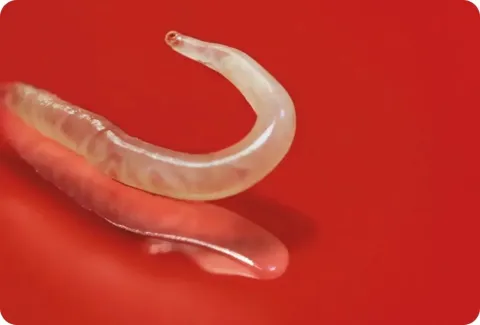
- Roundworms:The most common worms in kittens. They look like spaghetti and live in the intestines.
- Tapeworms:Flat and segmented worms. Often spread by fleas.
- Hookworms:Small worms that attach to the intestines and suck blood.
- Whipworms:Thin worms that cause irritation in the intestines.
How Worms Infect Kittens
Kittens can get worms from many sources. Their mother can pass worms before or after birth. Eating infected prey or contaminated soil can cause infection. Fleas carrying tapeworm eggs are a common problem. Worm eggs can also spread through dirty food or water.
Adult cat food itself does not cause worms. But if food is contaminated, it can carry eggs. Good hygiene and regular vet checks protect kittens. Deworming treatments help keep parasites away.

Credit: www.perfect-fit.co.uk
Adult Cat Food And Risks
Feeding your kitten adult cat food might seem harmless at first. However, it carries certain risks you need to understand, especially regarding worm infections. Knowing what’s inside adult cat food and how contamination can happen helps you make safer choices for your kitten’s health.
Ingredients In Adult Cat Food
Adult cat food is formulated with different nutrient levels than kitten food. It often contains higher protein from animal sources like chicken, beef, or fish. While these ingredients are essential for adult cats, kittens require more balanced nutrients to support growth.
Sometimes, adult cat food includes raw or undercooked meat components. These can carry parasites or worm eggs that might infect your kitten. Are you checking the label to see if the food is cooked thoroughly or contains any raw ingredients?
Additionally, fillers and preservatives in adult formulas can affect a kitten’s digestion. This can weaken their immune system, making them more prone to infections like worms. Always ask yourself if the food matches your kitten’s specific dietary needs.
Contamination Risks In Cat Food
Cat food can become contaminated at various points during manufacturing and storage. Improper handling or storage conditions might introduce bacteria or parasites. If these contaminants include worm eggs, your kitten can easily pick up an infection.
Have you noticed signs like worms or unusual debris in the food you buy? Such visible clues often point to contamination. Even if the food looks fine, it’s worth choosing brands with strict quality control and safety checks.
Worms can also transfer through cross-contamination. For example, if adult cat food is stored near raw meat or other pet foods, the risk increases. Keeping food sealed and separate is a simple step you can take to protect your kitten.
Can Adult Food Cause Worms?
Many cat owners worry about whether feeding their kittens adult cat food can cause worms. It’s a common concern, especially since worms are a frequent issue in young cats. Understanding if adult food can transmit worms is key to keeping your kitten healthy and happy.
Transmission Through Food
Adult cat food itself is unlikely to directly cause worms in kittens. Most commercial cat foods undergo strict quality checks to prevent contamination. However, raw or poorly processed food may carry worm eggs or larvae.
If you feed your kitten raw meat or homemade meals without proper handling, there’s a risk of transmitting parasites. Cooked or canned adult food is generally safe from worms. Always check the source and preparation of the food you offer.
Other Possible Infection Sources
Worm infections often come from other places besides food. Kittens can pick up worms from their mother during nursing or from contaminated environments.
- Contact with infected feces
- Outdoor hunting and eating small animals
- Fleas carrying tapeworm larvae
Have you noticed your kitten chewing on grass or exploring dirt? These habits can expose them to worm eggs. Regular deworming and vet checkups are important no matter what food you choose.
Symptoms Of Worms In Kittens
Kittens may show signs like a bloated belly, diarrhea, or vomiting if they have worms. Eating adult cat food can sometimes expose them to worms or their eggs. Watch for weight loss and a dull coat as well.
Understanding the symptoms of worms in kittens is crucial for every cat owner. Worms can cause discomfort and health issues for your tiny furry friend, and often, the signs can be subtle. By recognizing these symptoms early, you can ensure your kitten gets the treatment they need to stay healthy and happy.Physical Signs To Watch For
Kittens with worms often exhibit noticeable physical changes. One common sign is a distended or bloated belly, which might seem larger than usual. You may also notice weight loss despite a good appetite, as worms can deprive your kitten of essential nutrients. Another physical sign is the appearance of worms or worm segments in their stool or around their rear. Keep an eye on their coat as well; a dull or rough coat might indicate an underlying issue like worms.Behavioral Changes
Worms can also affect a kitten’s behavior, which can be a telltale sign of infestation. If your usually playful kitten seems lethargic or less active, it might be time to check for worms. Changes in eating habits, such as increased hunger or a sudden loss of appetite, can also be warning signs. If your kitten starts scooting their bottom on the floor, it could be an attempt to alleviate discomfort caused by worms. Have you noticed any of these symptoms in your kitten? Early detection and prompt action can make all the difference in keeping your kitten healthy.Preventing Worms In Kittens
Preventing worms in kittens is essential to keep them healthy and happy. Worms can cause serious health problems, so taking steps to protect your kitten is crucial. You might wonder if adult cat food increases the risk of worms; understanding prevention strategies will help you safeguard your furry friend effectively.
Proper Diet For Kittens
Feeding your kitten a balanced diet designed specifically for their growth stage is key. Adult cat food lacks certain nutrients kittens need and may not be formulated to prevent parasites. Choose kitten food with high-quality ingredients and consult your vet about supplements or medications that protect against worms.
Have you noticed your kitten eating things they shouldn’t? Sometimes, kittens try to nibble on dirt or small objects that can carry worm eggs. Keeping their diet focused on appropriate food reduces this risk significantly.
Hygiene And Environment
Cleanliness plays a big role in worm prevention. Regularly wash your kitten’s bedding, toys, and litter box to minimize exposure to parasite eggs. Keep your home free from feces and ensure your kitten isn’t roaming in areas where other animals defecate.
Think about your kitten’s play areas—are they safe and clean? Worms often spread through contaminated soil or surfaces. Creating a hygienic environment limits the chances of infection.
Regular Vet Checkups
Frequent veterinary visits help catch worm infections early or prevent them altogether. Your vet can recommend deworming schedules tailored to your kitten’s needs. Don’t wait for symptoms like weight loss or vomiting; regular checkups keep your kitten protected.
How often do you schedule vet visits for your kitten? Sticking to a routine can save you from costly treatments later. Early intervention makes a big difference in your kitten’s well-being.
Treatment Options
When your kitten shows signs of worms, quick and effective treatment is crucial. There are several options available to get rid of these parasites and keep your furry friend healthy. Understanding these treatments helps you choose the best approach for your kitten’s specific needs.
Deworming Medications
Deworming medications are the most common and reliable way to treat worms in kittens. These medicines come in various forms like tablets, liquids, or topical treatments. Your vet can recommend the right product based on the type of worms and your kitten’s age.
It’s important to follow the vet’s dosage instructions carefully. Giving too little may not fully eliminate the worms, while too much can harm your kitten. You might notice your kitten’s behavior improve quickly after starting treatment, which shows how effective these medications can be.
Have you ever wondered why some kittens still get worms even after treatment? Sometimes it’s because the environment isn’t cleaned properly, allowing reinfection. So, keep your kitten’s area clean during and after treatment.
Natural Remedies
Some pet owners prefer natural remedies to help treat worms. Ingredients like pumpkin seeds, carrots, and coconut oil are believed to have mild deworming effects. These can be added to your kitten’s diet but should never replace veterinary medicines.
Natural remedies may support your kitten’s health and boost immunity, but they usually act slower than medications. Always discuss natural options with your vet before trying them. Would you want to risk delaying treatment if your kitten is feeling unwell?
Using natural remedies alongside proper vet care can be a balanced approach. They might help prevent future infections when combined with good hygiene and regular check-ups. Your kitten’s health is worth the extra attention and care.
Credit: nexgardforpets.com
Frequently Asked Questions
Can Kittens Get Worms From Adult Cat Food?
Kittens rarely get worms directly from adult cat food. Worm infections usually come from contaminated environments or prey. Proper hygiene and regular deworming protect kittens from worms. Feeding quality adult food alone doesn’t cause worms.
Is Adult Cat Food Safe For Kitten Digestion?
Adult cat food is not ideal for kittens. Kittens need more nutrients and calories for growth. Feeding adult food may cause nutritional deficiencies. Always choose kitten-specific food for balanced nutrition and healthy development.
How To Prevent Worm Infections In Kittens?
Prevent worm infections by maintaining cleanliness and regular vet check-ups. Deworm kittens as recommended by your vet. Avoid raw or undercooked food and contaminated water. Proper hygiene and preventive care reduce worm risk effectively.
Can Worms Spread Through Cat Food Bowls?
Worms do not spread through clean cat food bowls. Dirty bowls may harbor bacteria or parasites, increasing infection risk. Clean bowls daily with hot water and mild detergent to prevent contamination and protect your kitten’s health.
Conclusion
Kittens can get worms, but not directly from adult cat food. Worms come from eggs or larvae, often in the environment or other animals. Feeding kittens proper food helps keep them healthy and strong. Regular vet check-ups catch worms early and treat them fast.
Clean living spaces reduce worm risks too. Watch your kitten’s behavior for signs of worms. Taking simple steps protects your kitten’s health every day. Keeping kittens safe starts with good care and attention.



Leave a Reply