Are you wondering if your playful kitten can eat the same food as your adult cat? It’s a common question many pet owners face.
Choosing the right food is crucial for your kitten’s growth and health. Feeding adult cat food to a kitten might seem convenient, but it could affect their development in ways you don’t expect. Keep reading to discover what your kitten really needs and how to make the best choices for their nutrition.
Your kitten’s future depends on it!
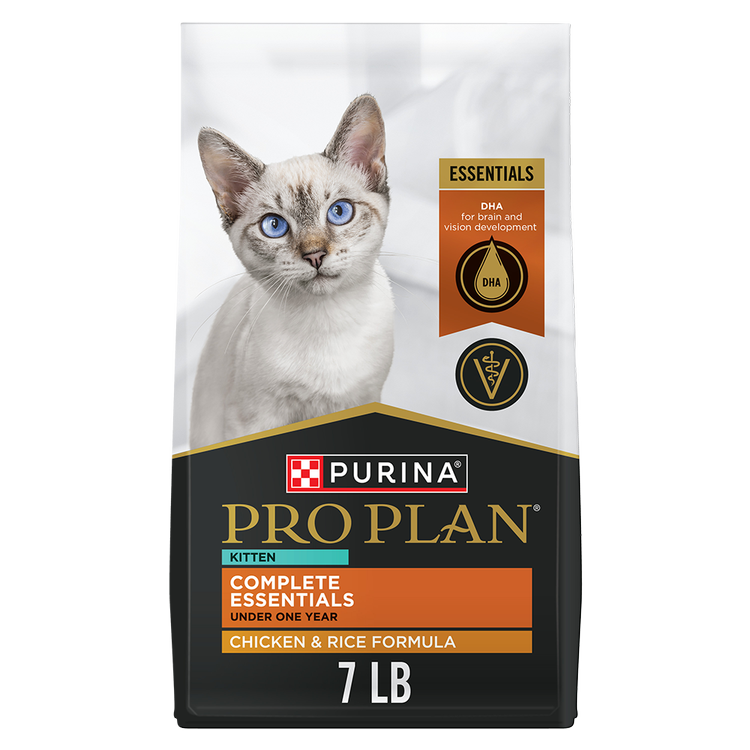
Credit: www.purina.com
Kitten Vs Adult Cat Food
Understanding the difference between kitten and adult cat food is key to keeping your furry friend healthy and happy. Kittens have unique dietary needs that support their rapid growth and development, which adult cats no longer require. Feeding the right type of food at the right stage can make a big difference in their overall well-being.
Nutritional Differences
Kitten food is specially designed with higher levels of essential nutrients to support growth. It includes extra vitamins and minerals like calcium and phosphorus for strong bones and teeth. Adult cat food, on the other hand, focuses more on maintaining health and preventing weight gain.
Have you noticed how your kitten seems more energetic and hungry than your adult cat? That’s because kitten food fuels their fast metabolism and development.
Calorie Requirements
Kittens burn a lot more energy than adult cats. Their calorie needs are almost double because they’re growing rapidly and exploring their world. Adult cat food generally contains fewer calories to avoid obesity since adult cats have slower metabolisms.
If you feed adult cat food to a kitten, you might find they aren’t getting enough energy to keep up with their busy days. Have you ever wondered why your kitten seems to want more food after a meal? That’s their body asking for the fuel it needs to grow.
Protein And Fat Content
Kitten food is richer in protein and fat to support muscle development and brain growth. These nutrients are crucial during the first year of life when kittens are building their strength. Adult cat food usually has lower protein and fat levels to maintain weight and prevent health issues.
Think about your own diet: growing kids need more protein and fats compared to adults. The same applies to cats. Feeding your kitten adult food might slow their growth or affect their energy levels.
Risks Of Feeding Adult Food To Kittens
Feeding your kitten adult cat food might seem like a simple solution, but it carries real risks that can affect your kitten’s health. Kittens have unique nutritional needs that adult food often doesn’t meet. Ignoring these differences can lead to serious problems as your furry friend grows.
Nutrient Deficiencies
Adult cat food lacks the right balance of essential nutrients that kittens need. For example, kittens require higher levels of protein and fat to support their rapid growth.
Feeding adult food may cause your kitten to miss out on critical vitamins like taurine and calcium. This deficiency can weaken their immune system and affect bone development.
Growth And Development Issues
Kittens are in a crucial stage of physical and cognitive development. Adult food doesn’t provide enough calories or nutrients to fuel this intense growth period.
If your kitten doesn’t get proper nutrition, you might notice stunted growth or delayed motor skills. Have you ever wondered why some kittens seem less active or playful? Their food might be the cause.
Digestive Problems
Adult cat food can be harder for kittens to digest due to differences in ingredient composition. This can lead to upset stomachs, diarrhea, or constipation.
Digestive issues make it harder for your kitten to absorb nutrients, creating a cycle that worsens their health. Paying attention to how your kitten’s digestion responds to their food can save you from future vet visits.
When Adult Cat Food Might Be Suitable
Adult cat food is designed for cats that have stopped growing. Kittens need more nutrients for their rapid growth. Yet, there are times when adult cat food might suit certain kittens. Understanding these situations helps ensure your kitten stays healthy and happy.
Older Kittens Transitioning
As kittens near one year old, their growth slows down. Their nutritional needs begin to resemble adult cats. Slowly introducing adult cat food can help them adjust. Mixing kitten and adult food supports a smooth transition. This change prevents digestive upset and keeps energy levels steady.
Special Dietary Needs
Some kittens have unique health conditions. These may require special diets not found in kitten food. Adult cat food with tailored nutrients might be better. For example, some adult formulas have fewer calories. This can help kittens with weight management issues. Always check the ingredients and nutrition facts carefully.
Consulting A Veterinarian
Your vet is the best guide for your kitten’s diet. They assess growth, health, and special needs. A vet may recommend adult food for certain reasons. These include allergies, digestion problems, or other illnesses. Always follow their advice to protect your kitten’s health. Avoid making diet changes without professional guidance.
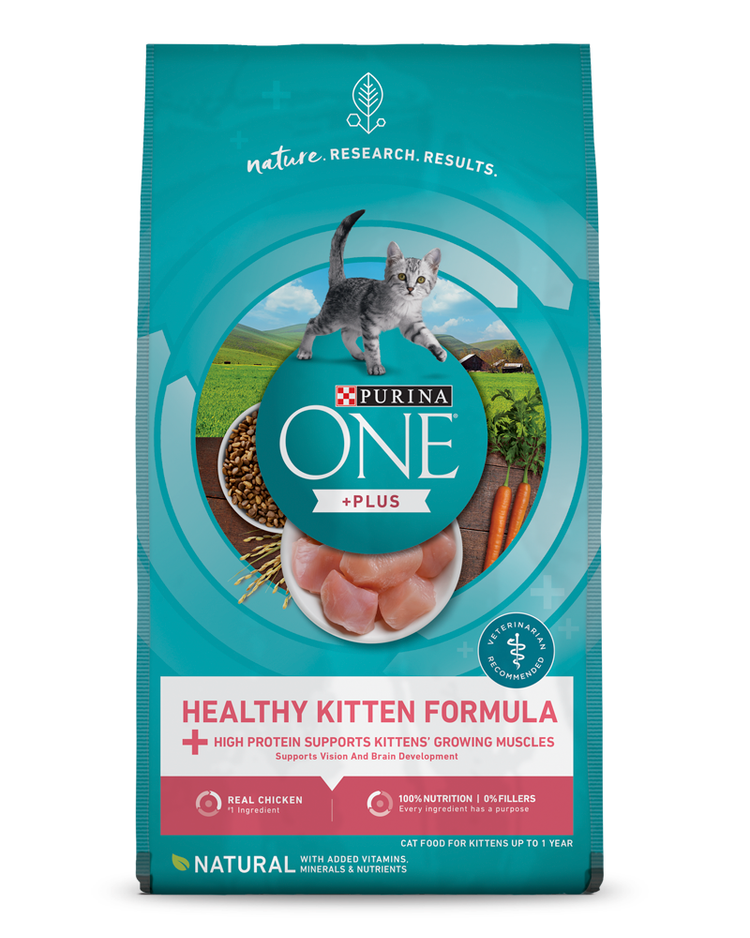
Credit: www.purina.com
Choosing The Right Food For Kittens
Kittens need special food made just for their growth and health. Adult cat food lacks the right nutrients for young kittens. Feeding them kitten food supports strong bones and proper development.
Choosing the right food for kittens is crucial to their growth and overall health. As adorable as they are, kittens have specific nutritional needs that differ significantly from adult cats. This difference means that feeding them adult cat food might not provide the essential nutrients they need to thrive.Key Ingredients To Look For
When selecting food for your kitten, prioritize foods rich in protein and fat. Kittens require higher protein levels to support rapid growth and development. Look for ingredients like chicken, turkey, or fish listed as the first ingredient. Essential fatty acids such as DHA are also important, as they support brain and eye development. Additionally, kittens need more calories per pound than adult cats, so check for calorie-rich options.Wet Vs Dry Food
Deciding between wet and dry food can be a bit of a puzzle. Wet food often provides more moisture, which is beneficial for a kitten’s hydration, especially if they are not drinking enough water. Dry food, on the other hand, can be more convenient and may help with dental health. Many pet owners find that a mix of both wet and dry food works well, offering the benefits of both types.Recommended Feeding Schedules
Kittens grow rapidly, and their feeding schedule should reflect this. Generally, kittens should be fed small meals multiple times a day. For example, feeding them three to four times daily can ensure they receive enough nutrients throughout the day. As they grow, you can gradually reduce the frequency of meals. Always keep an eye on their weight and adjust portions as needed. Are you noticing any significant changes in their energy levels or weight? It might be time to revisit their feeding routine. Choosing the right food is about understanding your kitten’s unique needs. By focusing on essential ingredients, balancing wet and dry options, and maintaining a consistent feeding schedule, you can support your kitten’s healthy development.Tips For A Smooth Food Transition
Switching a kitten from kitten food to adult cat food needs care. A smooth change helps avoid stomach issues and keeps your kitten happy. Small steps work best to help your kitten accept new food easily.
Gradual Mixing Techniques
Start by mixing a small amount of adult cat food with kitten food. Increase adult food slowly over 7 to 10 days. Use a ratio like:
| Day | Kitten Food | Adult Food |
|---|---|---|
| 1-3 | 75% | 25% |
| 4-6 | 50% | 50% |
| 7-10 | 25% | 75% |
This slow mix helps your kitten adjust to taste and texture without upset.
Monitoring Kitten’s Health
Watch your kitten closely during the food change. Check for changes in:
- Energy levels
- Appetite
- Weight
- Bathroom habits
Keep a journal to track these signs daily. Contact your vet if you notice anything unusual.
Signs Of Food Intolerance
Look for signs that might mean your kitten does not tolerate the new food well. These include:
- Vomiting
- Diarrhea
- Itchy skin
- Excessive gas
- Loss of appetite
If these signs appear, pause the transition. Consult your vet for advice on next steps.
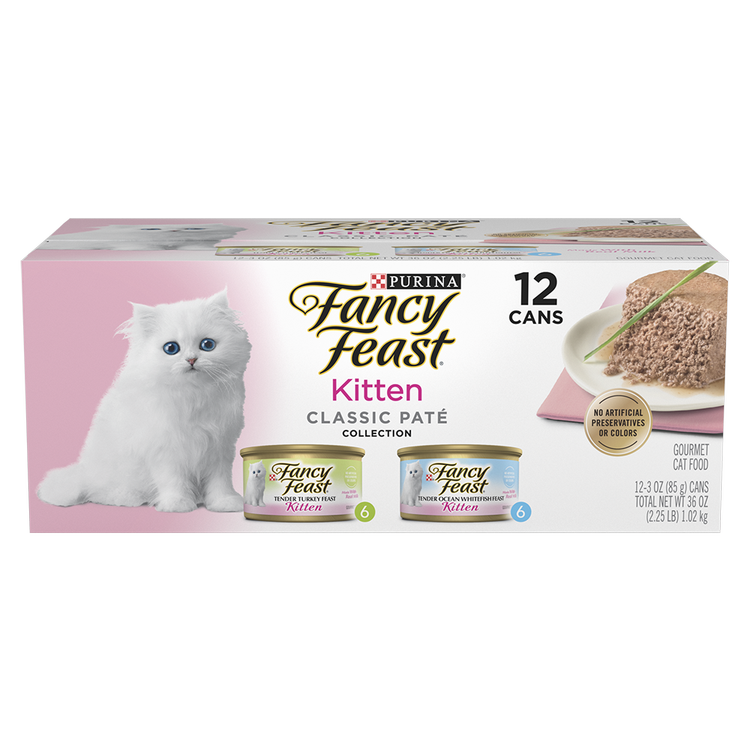
Credit: www.purina.com
Frequently Asked Questions
Can Kittens Eat Adult Cat Food Safely?
Kittens should not eat adult cat food regularly. Adult food lacks essential nutrients for their growth. Kitten food supports development with higher protein and fat. Occasional adult food is okay, but kitten-specific diets are best for health.
When Can A Kitten Switch To Adult Cat Food?
Kittens can switch to adult cat food around 12 months old. This age marks full growth and reduced nutrient needs. Gradually transition over 7-10 days to avoid digestive upset. Consult your vet for personalized timing based on your kitten’s health.
What Are The Risks Of Feeding Kittens Adult Food?
Adult cat food may cause nutrient deficiencies in kittens. Lack of vital vitamins and minerals can stunt growth. It may also lead to weaker immunity and poor development. Always prioritize kitten-formulated food to ensure balanced nutrition during early life.
How To Transition Kittens To Adult Cat Food?
Start by mixing small amounts of adult food with kitten food. Increase adult food gradually over 7-10 days. Monitor your kitten for any digestive issues during the change. A slow transition helps prevent stomach upset and ensures acceptance of new food.
Conclusion
Kittens need food made just for them to grow healthy and strong. Adult cat food lacks the right nutrients for kittens’ development. Feeding adult food too early can cause health problems. Always choose kitten food to support their energy and growth.
As they get older, you can slowly switch to adult food. Remember, proper nutrition helps kittens become happy, healthy cats. Keep their diet balanced and watch them thrive every day.



Leave a Reply