Have you ever noticed your cat’s favorite toy falling apart and wondered if duct tape could fix it? You’re not alone.
When your furry friend’s toy starts to tear, your first instinct might be to grab some duct tape for a quick fix. But is that really safe for your cat? Before you stick that tape on, it’s important to know what could happen and how it might affect your pet’s health and happiness.
Keep reading to find out if duct tape is a good idea for your cat toy and what safer alternatives you can try.

Credit: www.reddit.com
Duct Tape And Cat Toys
When your cat’s favorite toy starts to fall apart, reaching for duct tape might seem like an easy fix. But is duct tape really a good choice for repairing or enhancing cat toys? Understanding how duct tape interacts with cat toys can help you decide if it’s a safe and practical option for your furry friend.
Common Uses For Duct Tape On Toys
Duct tape often serves as a quick repair tool when toys get torn or lose parts. Many pet owners use it to:
- Seal ripped fabric on plush toys
- Reattach small pieces that might otherwise be swallowed
- Strengthen worn-out seams on homemade toys
Its strong adhesive and durability make it tempting to fix toys instead of throwing them away. However, think about how your cat plays—will the tape hold up or peel off easily?
Why Consider Duct Tape For Repairs
Duct tape is popular because it’s affordable and easy to find. It can extend the life of a toy, saving you money and reducing waste.
But safety is key. Some duct tapes may have adhesives or chemicals that aren’t safe if your cat chews or licks them. Also, the texture of duct tape can be rough or sticky, which might not be comfortable or enticing for your cat.
Ask yourself: Is the repair temporary or long-term? If your cat is an aggressive chewer, duct tape might come off quickly, creating small pieces that could be ingested. Always watch your cat after applying duct tape to a toy, and consider safer alternatives like sewing or pet-safe glue.
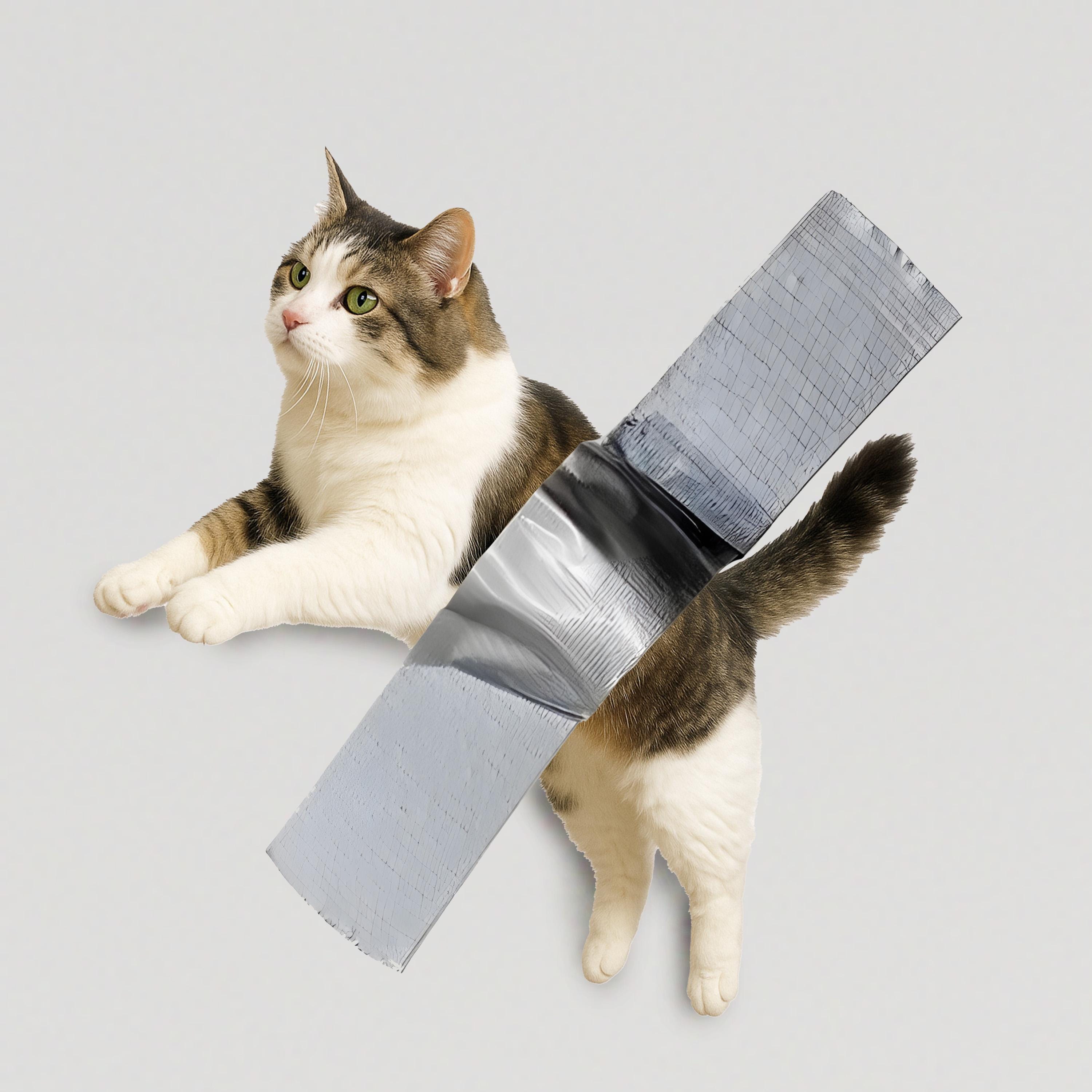
Credit: www.etsy.com
Safety Concerns With Duct Tape
Using duct tape on your cat’s toy might seem like a quick fix to hold pieces together or add texture, but there are important safety concerns to consider. Duct tape isn’t designed with pets in mind, and its materials can pose risks you might not expect. Understanding these risks can help you decide if duct tape is really a safe choice for your furry friend’s playtime.
Toxicity Risks To Cats
Duct tape contains adhesives and chemicals that can be harmful if your cat chews or licks the tape. Cats explore the world with their mouths, so even small amounts of toxic substances can cause stomach upset or more serious health problems.
Keep in mind that some tapes include solvents or compounds that irritate the digestive tract or cause poisoning. If you notice your cat licking taped areas frequently, it’s best to avoid duct tape altogether.
Choking And Ingestion Hazards
Duct tape can easily peel off in small strips, which your cat might swallow during play. These small pieces can become choking hazards or cause blockages in the digestive system, leading to emergency vet visits.
Think about how your cat plays—do they tend to shred toys? If yes, duct tape could increase the risk of accidental ingestion. Safer alternatives include pet-safe glues or sewing toys securely.
Allergic Reactions And Skin Irritations
Some cats have sensitive skin that can react badly to adhesive materials. Duct tape can cause redness, itching, or even sores if it comes into contact with your cat’s fur or skin.
Watch for signs like excessive scratching or hair loss around the taped area. If you see any irritation, remove the tape immediately and consider safer, non-adhesive options for repairing toys.
When Duct Tape Can Be Safe
Duct tape is a handy tool around the house, but when it comes to your cat’s toys, caution is key. There are situations where using duct tape might be safe, but understanding the limits is crucial to keep your furry friend safe. Let’s explore when duct tape can be a practical solution without risking your cat’s health.
Temporary Repairs On Non-chewing Toys
If your cat has a toy that isn’t designed for chewing, duct tape can work as a quick fix. For example, if a fabric mouse loses a small piece of its tail or an edge starts to fray, wrapping duct tape can hold it together temporarily.
However, this should only be a short-term solution. Cats often chew or lick their toys, and the adhesive or small tape pieces can come loose, creating a choking hazard. Always supervise your cat when using duct tape on toys and remove the tape as soon as possible to avoid risks.
Choosing Pet-safe Tape Alternatives
Instead of standard duct tape, consider pet-safe tape options. These tapes are designed with non-toxic adhesives that won’t harm your cat if licked or chewed on. You can find these tapes in pet stores or online, often marketed for securing pet gear or minor repairs.
Using pet-safe tape gives you peace of mind and protects your cat’s health. Plus, these tapes usually come off cleanly, so they won’t ruin the toy’s material. Have you checked the labels on your tapes to ensure they are safe for pets?
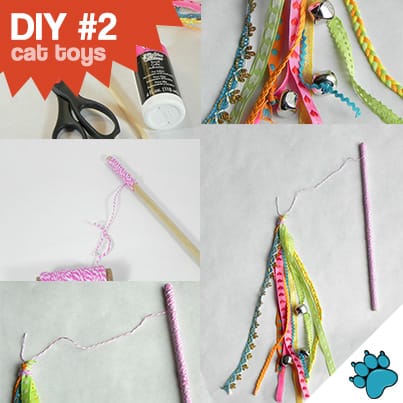
Credit: pethero.co.za
Better Fixes For Cat Toys
Fixing cat toys needs care and safe materials. Duct tape might seem quick but can harm pets. Cats can chew and swallow tape pieces. Better fixes protect your cat and make toys last longer.
Using Fabric Glue Or Sewing
Fabric glue is gentle and holds soft toys well. It dries clear and stays flexible. Sewing is a strong way to repair tears. Use a needle and thread to close holes. Both methods keep toys safe and neat.
Replacing Parts Instead Of Repairing
Some toys have parts that wear out fast. Replace feathers, strings, or bells instead of fixing broken ones. New parts keep toys fun and safe. This saves money and avoids weak fixes.
Buying Durable And Safe Toys
Choose toys made from tough, non-toxic materials. Look for toys designed for cats’ sharp teeth and claws. Durable toys last longer and resist damage. Safe toys keep cats happy and healthy.
Preventing Toy Damage
Keeping your cat’s toys in top condition not only ensures your pet’s safety but also maximizes their entertainment value. While duct tape might seem like a quick fix for broken toys, it’s not always the safest option for your furry friend. Instead, consider a few proactive steps to prevent toy damage and keep your kitty’s playtime safe and fun.
Supervised Play
One of the simplest ways to prevent toy damage is by supervising your cat during playtime. Watching your cat play helps you identify when toys are showing signs of wear. Plus, it allows you to intervene if your cat begins to chew or tear the toy apart.
Have you ever noticed how some toys last longer just because you were there to redirect your cat’s rough play? This small effort can make a big difference in toy longevity and your cat’s safety.
Regular Toy Inspection
Regularly inspecting your cat’s toys can help catch potential hazards before they become a problem. Check for loose parts, torn fabric, or any signs of wear and tear. This routine not only ensures the toys remain safe but also helps you decide when it’s time for replacements.
Would you feel comfortable letting a child play with a broken toy? The same logic applies to your pets. By maintaining a regular check-up routine, you safeguard your pet and extend the lifespan of their toys.
Rotating Toys To Extend Life
Rotating your cat’s toys is a brilliant strategy to keep playtime exciting while preserving toy quality. By keeping some toys out of sight for a while, you keep them fresh and interesting when they’re reintroduced. This rotation reduces the constant wear on any single toy.
Have you ever noticed how a toy suddenly becomes your cat’s favorite again after a short hiatus? Rotating toys can mimic this effect, offering novelty and excitement without the need for constant new purchases.
By implementing these strategies, you provide a fun and safe environment for your cat, ensuring their toys remain in great condition for as long as possible. So, next time you think of reaching for the duct tape, consider these proactive measures instead.
Frequently Asked Questions
Can I Safely Use Duct Tape On A Cat Toy?
Duct tape is not safe for cat toys. Cats may ingest sticky residue, causing health risks. Use pet-safe materials instead.
Will Duct Tape Hold A Cat Toy Together?
Duct tape can hold a toy temporarily but is not durable. It may peel off and become a choking hazard.
What Are Better Alternatives To Duct Tape For Cat Toys?
Use non-toxic glue, fabric, or sewing for repairs. These options are safer and more durable for cat toys.
Can Duct Tape Cause Harm To My Cat?
Yes, duct tape adhesive can irritate skin and harm if ingested. Avoid using duct tape on anything your cat chews.
Conclusion
Duct tape might seem like a quick fix for cat toys. But it can be harmful to your pet. Cats like to chew and lick, which may cause problems if the tape peels off. Safe, pet-friendly materials work much better.
Always check toys for loose parts or sharp edges. Your cat’s safety should come first. Choose toys made for cats to keep playtime fun and safe. Remember, a happy cat is a healthy cat.




Leave a Reply