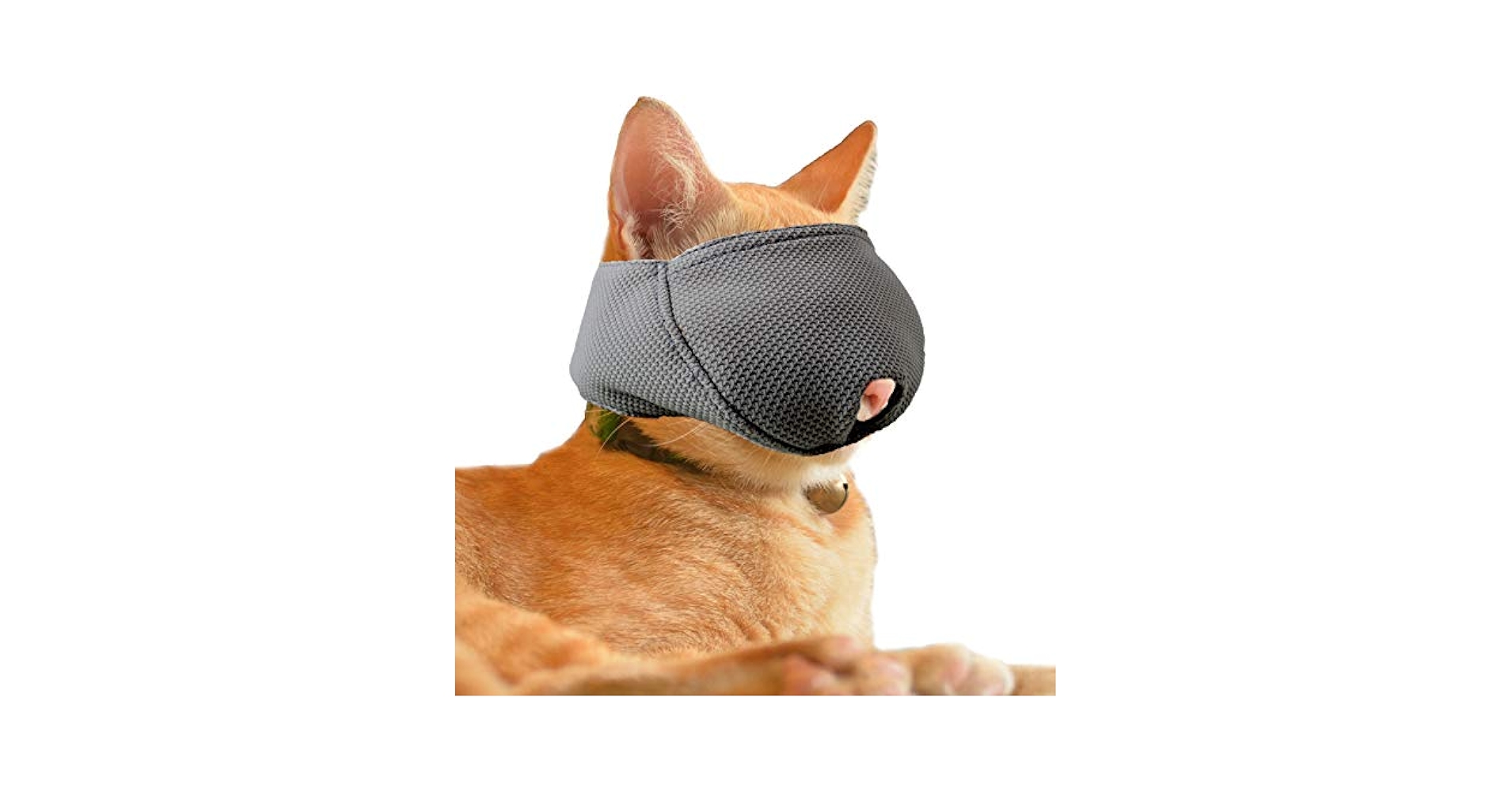
Grooming your cat can be a real challenge, especially if your furry friend gets nervous or scratches. You might be wondering, “Can I muzzle my cat to groom them safely?” It’s a question many cat owners ask when trying to keep both themselves and their pets safe during grooming sessions.
You’ll discover the right approach to handling your cat, what muzzling really means for your pet’s comfort, and safer alternatives that work better. Keep reading to learn how to make grooming a less stressful experience for both you and your cat.

Credit: pane-de-oro.com
Risks Of Muzzling Cats
Muzzling a cat might seem like a quick fix to keep them calm during grooming, but it carries several risks that can harm your furry friend. Understanding these dangers helps you make better choices for your cat’s well-being. Let’s look closely at the physical and emotional challenges muzzling can create.
Physical Harm To Cats
Muzzles can cause injuries if they are too tight or made from harsh materials. Cats have delicate skin and sensitive whiskers that can get pinched or rubbed raw. I once saw a cat develop painful sores from a poorly fitted muzzle, which made grooming even harder afterward.
Additionally, restricting a cat’s mouth can prevent natural behaviors like grooming themselves or licking wounds. This restriction might lead to frustration and even accidental injury if the cat struggles to free itself.
Emotional Stress And Anxiety
Imagine being unable to open your mouth or express discomfort—muzzles can create intense stress for cats. Many cats feel trapped and scared when muzzled, which can turn grooming time into a traumatic experience. Your cat might start to associate grooming with fear, making future sessions more difficult.
Instead of calming your cat, a muzzle may increase anxiety and resistance. You might notice signs like excessive meowing, hissing, or trying to escape, all of which indicate distress.
Potential Breathing Issues
Not all muzzles allow proper airflow, which poses a serious risk to your cat’s breathing. Cats pant and open their mouths to cool down, especially during stressful activities like grooming. A muzzle that blocks this natural cooling mechanism can lead to overheating or breathing difficulties.
If you see your cat struggling to breathe or excessively drooling while muzzled, it’s a clear sign the muzzle is unsafe. Always prioritize your cat’s comfort and safety by avoiding devices that restrict breathing.

Credit: thegreathighway.com
When Muzzling Might Be Considered
Muzzling a cat during grooming is a sensitive topic. It should not be the first choice but might become necessary in some cases. Understanding when muzzling might be considered helps keep both you and your cat safe.
Handling Aggressive Behavior
Some cats show aggressive behavior during grooming. They may scratch or bite out of fear or pain. A muzzle can protect you from injuries in these moments. It is important to use a soft, comfortable muzzle. Never leave a muzzled cat unattended. The goal is to keep the grooming session safe and calm.
Short Grooming Sessions
Muzzling is best for very brief grooming tasks. These include nail trimming or spot cleaning. Long sessions with a muzzle can cause stress or panic. Keep sessions short to reduce discomfort. Observe your cat closely to avoid distress.
Veterinary Recommendations
Sometimes vets suggest muzzling for grooming. This is common if the cat has wounds or sensitive areas. A muzzle helps prevent biting during treatment. Follow the vet’s advice carefully. Use muzzling only under professional guidance to ensure safety.
Safe Muzzle Options
Using a muzzle can help keep you and your cat safe during grooming. It prevents scratches and bites, but only if the muzzle is safe and comfortable. Choosing the right muzzle and using it correctly is very important. The goal is to protect your cat while allowing it to breathe and stay calm.
Types Of Cat Muzzles
- Soft fabric muzzles: Gentle and flexible, good for short use.
- Mesh muzzles: Allow airflow and visibility, reducing stress.
- Plastic or leather muzzles: Sturdy but must fit well to avoid harm.
- Adjustable muzzles: Fit different cat sizes securely.
Proper Fit And Usage
The muzzle should fit snugly but not too tight. It must allow your cat to breathe and pant easily. Avoid covering the nose completely. Check straps and fasteners for security without causing pain. Introduce the muzzle gradually to your cat before grooming. Let your cat get used to wearing it calmly.
Monitoring During Use
Always watch your cat while muzzled. Look for signs of distress or trouble breathing. Remove the muzzle immediately if your cat struggles or panics. Keep grooming sessions short to reduce stress. Never leave a muzzled cat unattended. Safety and comfort come first.
Alternatives To Muzzling
Grooming a cat without a muzzle is possible using gentle restraint and calming techniques. Soft towels or blankets can help keep your cat safe and comfortable during grooming. Patience and slow movements reduce stress and make grooming easier for both you and your cat.
Cats often dislike being muzzled during grooming. Fortunately, there are gentler alternatives to keep them calm. These methods ensure your feline friend feels safe and less stressed.Using Towels Or Blankets
Wrap your cat in a towel or blanket. This technique provides warmth and comfort. It reduces movement, making grooming easier. Leave their head exposed for breathing and comfort. This method is often called a “kitty burrito.”Distraction Techniques
Use toys or treats to distract your cat. A favorite toy can divert their attention. Treats can be a useful reward during grooming. Use a slow feeder to keep them occupied longer. This makes grooming a more positive experience.Professional Groomers
Consider hiring a professional groomer. They have experience and tools to handle difficult cats. Professionals can groom without stress or harm. It might be worth the investment for peace of mind.Grooming Tips For Difficult Cats
Grooming a cat that resists can test your patience. It’s not just about keeping their coat clean; it’s about making the experience less stressful for both of you. Understanding how to approach grooming with care and strategy can change your cat’s behavior over time.
Regular Brushing Habits
Consistency is key when grooming difficult cats. Short, daily brushing sessions often work better than long, infrequent ones. This helps your cat get used to the sensation gradually without feeling overwhelmed.
Use a brush suited to your cat’s fur type to avoid discomfort. Notice how your cat reacts and adjust the speed and pressure accordingly. Over time, these small sessions can build trust and reduce anxiety.
Calming Products And Sprays
Have you tried calming sprays or diffusers? These products release pheromones that can soothe your cat’s nerves before grooming. Applying a calming spray on their bedding or grooming area can create a more relaxed environment.
Some cats respond well to natural calming aids like lavender or chamomile scents, but always check if your cat tolerates these. Using these products alongside gentle grooming might make your cat less likely to resist.
Positive Reinforcement
Reward your cat for calm behavior during grooming with treats or gentle praise. This builds a positive association with the experience. Even small progress, like sitting still for a few seconds, deserves recognition.
Try to spot moments when your cat is relaxed and initiate grooming then. Have you noticed your cat’s favorite treats or toys? Using these strategically can encourage cooperation and make grooming smoother over time.

Credit: www.amazon.com
Frequently Asked Questions
Can I Safely Muzzle My Cat For Grooming?
Muzzling a cat can help prevent scratches but must be done carefully. Use a soft, breathable muzzle designed for cats. Never leave the cat unattended while muzzled to avoid stress or injury.
What Are The Risks Of Muzzling A Cat?
Muzzling can cause stress, anxiety, and breathing difficulties in cats. Improper muzzling may lead to injury or panic. Always monitor your cat closely and use muzzles only when necessary.
Are There Alternatives To Muzzling For Grooming Cats?
Yes, alternatives include using calming sprays, gentle restraint, or professional grooming services. Training your cat to accept grooming gradually can reduce stress and the need for muzzles.
How Do I Choose The Right Muzzle For My Cat?
Select a muzzle that fits snugly but allows breathing and panting. Look for soft, adjustable materials designed specifically for cats. Avoid hard or restrictive muzzles to ensure comfort.
Conclusion
Muzzling a cat for grooming is not always the best choice. Cats can feel scared or stressed by it. Gentle handling and patience work better. Use treats and calm voices to help your cat relax. Safety comes first for both you and your pet.
Remember, each cat is different and needs care that suits them. Keep grooming times short and positive. This way, your cat stays happy and healthy.

Leave a Reply