Are you wondering if you can groom your cat yourself? Taking care of your cat’s grooming can save you time and money, and it helps build a stronger bond between you and your furry friend.
But is it really safe and effective to do it on your own? You’ll discover simple tips and important things to know before you pick up the brush. Keep reading to find out how you can make grooming a stress-free and enjoyable experience for both you and your cat.
Benefits Of Diy Cat Grooming
Grooming your cat yourself offers more than just a clean and happy pet. It creates a meaningful routine that benefits both you and your furry friend in several ways. Understanding these benefits can encourage you to pick up the brush and make grooming a part of your regular care.
Building Trust With Your Cat
Grooming your cat regularly helps build a strong bond between you. When you gently brush your cat, it shows you care, and your cat learns to trust you more. This trust can make vet visits and other handling much easier.
Try talking softly to your cat during grooming sessions and watch how they relax over time. You’ll notice your cat may even seek out grooming as a comfort activity. Isn’t it amazing how a simple brush can turn into quality bonding time?
Saving Time And Money
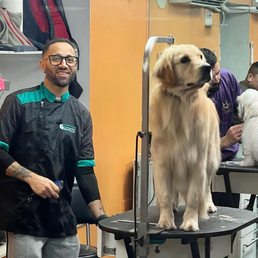
Taking care of your cat’s grooming at home can save you both time and money. Professional grooming appointments add up, especially if your cat needs frequent trims or baths. By learning to groom your cat yourself, you avoid these extra costs.
Plus, doing it yourself means you can groom your cat whenever it fits into your schedule, avoiding the hassle of booking and traveling to appointments. How much could you save by skipping the salon visits?
Early Detection Of Health Issues
Regular grooming lets you check your cat’s skin, coat, and overall condition closely. You can spot early signs of problems like fleas, lumps, or skin infections before they become serious. Catching these issues early can save your cat from discomfort and expensive treatments.
While grooming, you might notice changes in your cat’s behavior or physical condition that would otherwise go unnoticed. Isn’t it comforting to know you can protect your cat’s health just by paying close attention during grooming?
Essential Tools For Cat Grooming
Grooming your cat at home can be a rewarding experience, but having the right tools makes all the difference. The right equipment not only keeps your cat comfortable but also helps you manage their coat, nails, and overall hygiene effectively. Let’s look at what essentials you should have ready before you start grooming your feline friend.
Choosing The Right Brushes And Combs
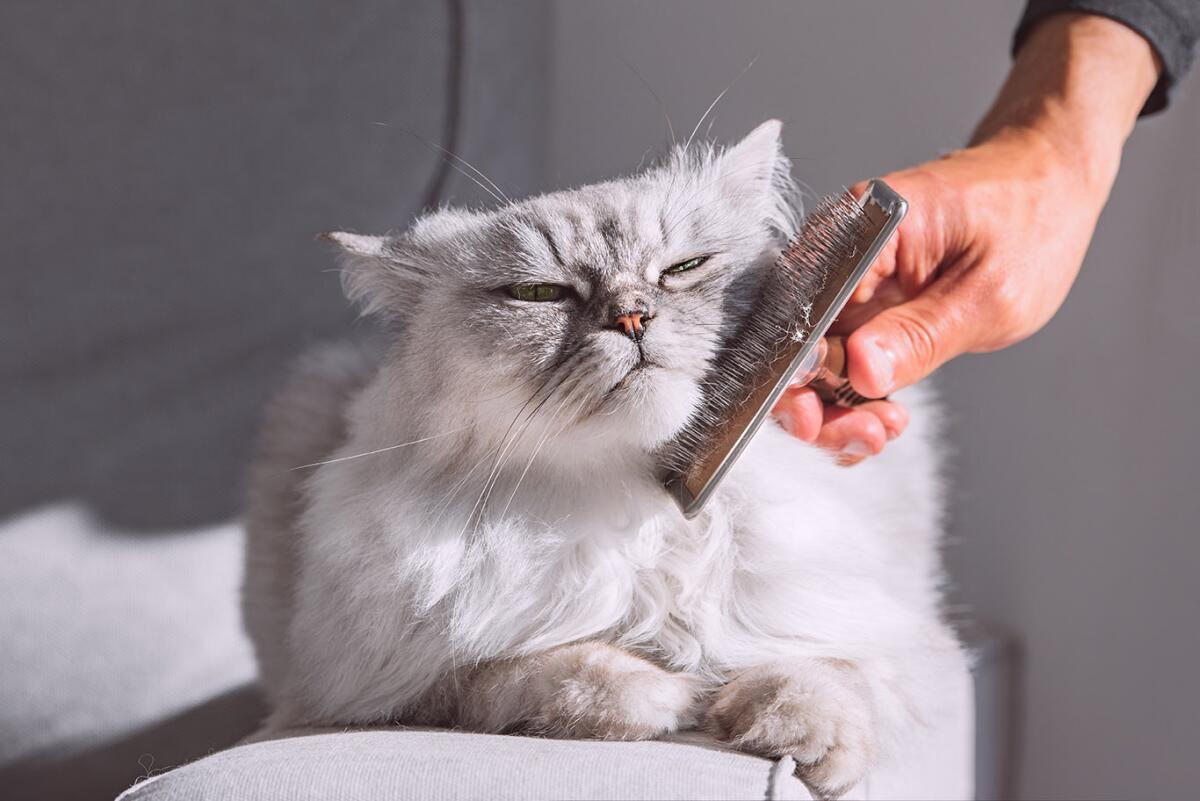
Every cat’s fur is different, so selecting the right brush is key. For short-haired cats, a soft-bristle brush or rubber grooming mitt can remove loose fur and dirt without irritating their skin. Long-haired cats need a slicker brush or a wide-toothed comb to gently detangle and prevent mats.
Think about your cat’s sensitivity and coat type when picking tools. Have you noticed how your cat reacts to certain brushes? That can guide you toward the best choice.
Selecting Safe Nail Clippers
Trimming your cat’s nails can be stressful for both of you if you don’t have the right clippers. Choose nail clippers designed specifically for cats—they’re smaller and sharper, allowing for precise cuts without crushing the nail.
Safety features like a guard to prevent cutting too deep are worth considering. If your cat is new to nail trimming, starting with a pair that feels comfortable in your hand will help you stay steady and confident.
Using Grooming Wipes And Shampoos
Sometimes a full bath isn’t necessary, and grooming wipes can freshen your cat’s coat between washes. Look for wipes free of harsh chemicals and fragrances to avoid skin irritation.
When shampooing, always use a formula made specifically for cats. Human or dog shampoos can upset their skin’s balance. Have you ever tried a waterless shampoo? It’s a handy option if your cat dislikes water but needs a quick clean.
Preparing Your Cat For Grooming
Preparing your cat for grooming is a crucial step that can make the entire experience smoother for both of you. Cats are sensitive creatures, and rushing into grooming without preparation can cause stress and resistance. Taking the time to set the stage for a calm, comfortable session helps your cat feel safe and more cooperative.
Creating A Calm Environment
Choose a quiet room with minimal distractions. Soft lighting and a comfortable temperature can help your cat relax.
Try playing gentle music or white noise to drown out sudden sounds that might startle your cat. Keep other pets and noisy activities away to maintain peace.
Have everything you need within reach so you don’t have to leave your cat unattended. This reduces interruptions and keeps the mood calm.
Handling Your Cat Gently
Approach your cat slowly and speak softly to build trust. Sudden movements or loud voices can trigger anxiety.
Use gentle strokes and pet your cat in favorite spots to create positive associations with touch. Notice how your cat responds and adjust your approach accordingly.
If your cat shows signs of stress, pause and give them a break. Letting your cat set the pace can prevent fear and resistance during grooming.
Getting Your Cat Comfortable With Tools
Introduce grooming tools gradually. Let your cat sniff and explore brushes, combs, or clippers before using them.
Try touching your cat lightly with the tools without turning them on or using them fully. This helps reduce fear of unfamiliar objects.
Reward your cat with treats or praise after each positive interaction with grooming tools. This builds a connection between the tools and good experiences.
Step-by-step Grooming Process
Grooming your cat at home builds trust and keeps your pet healthy. A calm, gentle approach works best. Each grooming step helps maintain your cat’s comfort and cleanliness. Prepare tools and choose a quiet spot before you start. Patience is key for a smooth grooming session.
Brushing And Detangling Fur
Use a brush suited for your cat’s fur type. Soft brushes work well for short hair. Long-haired cats need a comb or slicker brush. Brush gently to avoid hurting your cat. Remove mats carefully with fingers or a detangling tool. Brush in the direction of hair growth. Regular brushing prevents hairballs and tangles.
Bathing Techniques For Cats
Fill a sink or tub with warm water. Use a mild cat shampoo only. Wet your cat slowly and speak softly. Avoid getting water in the ears and eyes. Lather shampoo gently and rinse completely. Dry your cat with a towel, not a hairdryer. Bathing calms skin and removes dirt.
Trimming Nails Safely
Hold your cat’s paw firmly but gently. Use sharp nail clippers designed for pets. Trim only the white part of the nail. Avoid cutting the pink quick inside. Trim a small bit at a time. Stop if your cat struggles or bleeds. Regular nail trims prevent scratching injuries.
Cleaning Ears And Eyes
Use a soft, damp cloth for cleaning. Wipe the outer ear gently. Do not push inside the ear canal. For eyes, remove discharge with a clean cloth. Use separate cloths for each eye to avoid infection. Check ears and eyes often for signs of problems. Cleanliness helps prevent infections and discomfort.
Common Grooming Challenges
Grooming a cat at home can bring many rewards, but it also comes with some challenges. Cats have different personalities and grooming needs. Understanding common grooming problems helps you prepare and stay calm. Patience and care make grooming easier for both you and your cat.
Dealing With Aggressive Behavior
Some cats become aggressive during grooming. They might scratch or bite out of fear or discomfort. Stay calm and speak softly to soothe your cat. Use gentle movements and stop if your cat shows signs of stress. Short sessions work better than long ones. Using treats can encourage good behavior over time.
Managing Matted Fur
Matted fur can hurt your cat and cause skin problems. Mats form when hair tangles and knots tightly. Use a wide-tooth comb to gently loosen mats. Never pull hard or cut mats with scissors yourself. Regular brushing prevents mats from forming. If mats are severe, visit a professional groomer or vet.
Handling Sensitive Or Anxious Cats
Some cats feel nervous during grooming. They might hide or freeze in place. Create a quiet and comfortable space for grooming. Use soft brushes and calm voices to reduce anxiety. Take breaks often to avoid overwhelming your cat. Building trust over time helps your cat feel safe.
When To Seek Professional Grooming
Knowing when to seek professional grooming for your cat can save you a lot of stress and keep your furry friend healthy and happy. While some grooming tasks are easy to manage at home, certain signs and conditions mean it’s best to leave it to the experts. Let’s look at the key moments when professional help is the right choice.
Signs You Should Visit A Groomer
If your cat’s fur has become a tangled mess of mats that you can’t safely remove, it’s time to see a groomer. Mats can pull on your cat’s skin, causing pain and even infections.
Notice if your cat shows signs of distress during grooming, like excessive scratching, biting, or hiding. Groomers have the training to handle nervous or aggressive cats calmly and safely.
When your cat’s nails grow too long and become difficult to trim, a professional can help avoid painful breaks or injuries. Also, if your cat has stubborn dirt or debris stuck in their coat, a groomer’s tools and techniques will clean them more effectively.
- Severe matting that you cannot detangle
- Unusual behavior during grooming attempts
- Overgrown nails that are hard to trim
- Persistent dirt or odors in the coat
Medical Conditions Requiring Expert Care
Some health issues require grooming beyond your skills. Cats with skin infections, wounds, or parasites like fleas need careful handling to avoid worsening the problem.
Cats with arthritis or mobility issues may find regular grooming painful or impossible. Groomers trained in pet health can work gently and adjust techniques to accommodate these challenges.
Senior cats or those recovering from surgery benefit from professional grooming because groomers know how to minimize stress and discomfort.
Have you noticed your cat licking one area excessively or developing bald patches? These could indicate underlying problems that a groomer or vet should check before you try grooming at home.
| Condition | Why Professional Grooming is Needed |
|---|---|
| Skin infections or wounds | Prevents aggravating the injury and ensures hygienic care |
| Parasite infestations (fleas, ticks) | Special treatments and thorough cleaning required |
| Arthritis or mobility problems | Gentle handling and tailored grooming techniques |
| Post-surgery or elderly cats | Minimizes stress and supports recovery |
Understanding these signs and conditions helps you make the best choice for your cat’s comfort and health. When unsure, consulting a professional groomer can prevent small issues from becoming serious problems. How do you decide when your cat needs that extra level of care?
Maintaining Regular Grooming Routine
Grooming your cat at home can be a bonding experience. Regular brushing reduces shedding and prevents matting. Trim nails carefully to avoid injury.
Maintaining a regular grooming routine for your cat is essential for their health and happiness. It not only helps in keeping their coat shiny and free from tangles but also strengthens the bond between you and your feline friend. Regular grooming sessions can prevent shedding issues and reduce hairballs, ensuring your cat feels comfortable and looks their best.Scheduling Grooming Sessions
Consistency is key when it comes to grooming your cat. Create a schedule that suits both you and your feline companion. Some cats may require weekly grooming, while others might need attention only once every few weeks. Observe your cat’s coat and adjust the grooming frequency accordingly. Make grooming a part of your routine and stick to it.Monitoring Your Cat’s Coat And Skin Health
Pay close attention to your cat’s coat and skin during grooming sessions. Look for any signs of irritation, bald spots, or unusual lumps. Early detection of skin issues can prevent more serious health problems. Regular grooming allows you to catch these signs early and consult your vet if needed. Use grooming as an opportunity to check for fleas or ticks. This proactive approach can help in keeping your cat healthy and comfortable. Have you ever noticed how your cat purrs contentedly during grooming sessions? This is a sign of trust and comfort. Make grooming a pleasant experience for both you and your cat, and it will soon become a cherished routine.Frequently Asked Questions
Can I Groom My Cat At Home Safely?
Yes, you can safely groom your cat at home. Use proper tools and gentle techniques. Regular grooming prevents matting and reduces shedding.
What Tools Do I Need For Grooming My Cat?
You need a cat brush, comb, nail clippers, and pet-safe wipes. Choose tools based on your cat’s fur type for best results.
How Often Should I Groom My Cat Myself?
Groom short-haired cats weekly and long-haired cats daily. Frequent grooming helps maintain coat health and minimizes hairballs.
How Do I Keep My Cat Calm During Grooming?
Use a calm voice and gentle touch. Offer treats and take breaks. Create a quiet, comfortable environment for your cat.
Conclusion
Grooming your cat yourself can be a good choice. It helps build trust and keeps your cat clean. Use the right tools and be gentle. Watch your cat’s reactions to avoid stress. Regular grooming stops mats and reduces shedding. Some cats need extra care or professional help.
Know your cat’s needs and take your time. Enjoy the bonding moments while grooming. Your cat will thank you with a healthy coat and happy purrs. Simple steps make grooming easier for both of you.

Leave a Reply