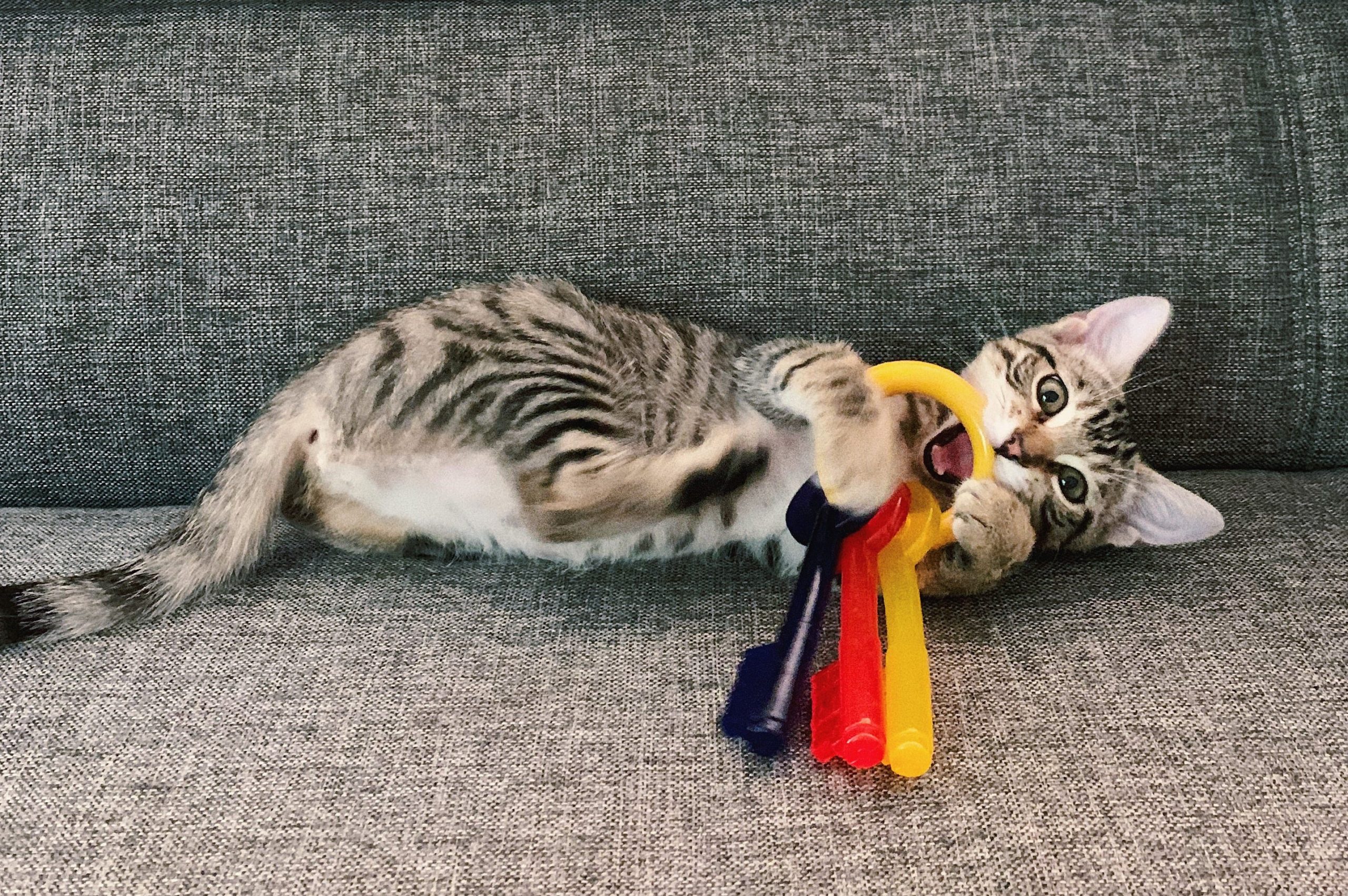
Have you ever wondered if it’s safe to give your cat a dog chew toy? You might think it’s a simple solution to keep your furry friend entertained.
But before you hand over that chew toy, there are important things you need to know. Giving your cat the wrong toy could lead to health risks or behavior problems. Keep reading to discover the truth about dog chew toys and whether they’re a good choice for your cat’s playtime.
Your cat’s safety and happiness depend on it!

Credit: www.amazon.com
Risks Of Dog Chew Toys For Cats
Giving dog chew toys to cats can lead to several risks. These toys are not designed for cats’ unique needs. Cats have different chewing habits and mouth sizes. Using dog toys may cause harm or discomfort.
Choking Hazards
Dog chew toys are often larger and harder than cat toys. Cats may bite off small pieces accidentally. These pieces can block their throat or airway. Choking is a serious and life-threatening risk. Always watch your cat closely with unfamiliar toys.
Toxic Materials
Some dog chew toys contain chemicals or materials unsafe for cats. Cats may chew more aggressively, increasing exposure to toxins. Ingredients like xylitol or certain plastics can harm cats. Only buy toys made with pet-safe, non-toxic materials suitable for cats.
Size And Shape Concerns
Dog toys tend to be bigger and shaped for dogs’ jaws. Cats have smaller mouths and sharper teeth. Toys too big or oddly shaped can cause jaw strain or dental damage. Choose toys designed to fit a cat’s mouth and chewing style.
Behavioral Issues
Using dog toys may confuse your cat’s play behavior. Cats like to scratch, bite, and hunt small prey-like objects. Dog toys do not support these natural instincts well. This mismatch can lead to frustration or destructive behavior. Providing cat-specific toys encourages healthy play.

Credit: www.amazon.com
Differences Between Cat And Dog Chew Toys
Cat and dog chew toys differ in several key ways. These differences matter for safety and enjoyment. Each pet has unique chewing habits and needs. Understanding these differences helps you choose the right toy for your cat.
Material Safety
Dog chew toys are made from tough materials. They handle strong chewing and biting. Cat toys use softer, non-toxic materials. Cats have more sensitive mouths. Hard dog toys can hurt a cat’s teeth or gums. Always check materials are safe for cats before sharing toys.
Design And Durability
Dog toys are usually larger and more durable. They are designed to last through heavy chewing. Cat toys are smaller and lighter. They often include feathers or bells to attract cats. A dog chew toy may be too big or heavy for a cat to enjoy. Cats prefer toys that are easy to carry and bat around.
Chewing Needs
Dogs chew to relieve stress and clean teeth. Their toys support strong chewing and jaw exercise. Cats chew more for play and hunting instincts. Their toys encourage pouncing and batting. A dog chew toy might not satisfy a cat’s playful bite. Cats need toys that match their gentler chewing style.
Signs Of Toy-related Problems In Cats
Cats may show signs like chewing too hard or avoiding the toy if it causes discomfort. Watch for drooling, pawing at the mouth, or unusual behavior. These signs could mean the dog chew toy isn’t safe or suitable for your cat.
Cats are curious creatures, often exploring anything that catches their eye. While it’s tempting to hand them toys meant for dogs, it’s essential to know the signs of toy-related problems in cats. Understanding these signs can help ensure your cat’s safety and well-being.Digestive Issues
If your cat swallows parts of a dog chew toy, it may lead to digestive problems. Watch for vomiting, diarrhea, or changes in appetite. These can signal that something is stuck in your cat’s digestive tract. A friend once shared how her cat nibbled on a dog toy and ended up with a blockage. It was a scary experience that required an urgent vet visit. Always check toys for small parts that could break off.Injury Symptoms
Cats playing with toys not designed for them can suffer from injuries. Look out for limping, cuts, or swelling. These can occur if a toy is too hard or has sharp edges. Imagine your cat jumping on a toy and hurting their paw. It’s crucial to choose toys that are soft and safe for their delicate bodies. Inspect toys regularly for any signs of wear and tear.Behavioral Changes
Your cat’s behavior can indicate if something is wrong. Notice if they are more lethargic, hiding, or unusually aggressive. Such changes may be linked to discomfort or pain from an unsuitable toy. My own cat once became reclusive after playing with a dog toy. It was only after removing the toy that she returned to her playful self. Pay attention to how your cat acts after introducing a new toy. Is your cat acting out of the ordinary? It might be time to reconsider the types of toys you’re offering. Prioritizing safe, cat-specific toys can prevent these issues and keep your feline friend happy and healthy.Safe Toy Alternatives For Cats
Choosing the right toys for your cat is essential to keep them safe and entertained. Dog chew toys might seem like a convenient option, but they often don’t match a cat’s needs or chewing habits. Instead, focus on alternatives designed with your feline friend in mind to ensure their health and happiness.
Cat-specific Chew Toys
Cat-specific chew toys are created to suit the size and chewing strength of cats. They often use softer materials that won’t damage your cat’s teeth or gums. Many come infused with catnip or silvervine, which can make playtime more exciting for your cat.
Think about your cat’s preferences: do they like soft textures or something a bit firmer? Offering toys designed for cats means you avoid the risk of choking or swallowing harmful pieces.
Interactive Toys
Interactive toys engage your cat’s mind and body at the same time. Toys like puzzle feeders or laser pointers can keep your cat busy and reduce boredom. These toys encourage natural hunting behaviors without the risk of damaging teeth on inappropriate objects.
Have you noticed your cat’s eyes light up when chasing a moving target? That’s a sign interactive toys can turn playtime into a fun workout, which is crucial for indoor cats.
Natural Chewing Options
Natural options like dried catnip sticks or safe wooden chew sticks offer a satisfying texture for cats who like to chew. These are free from harmful chemicals and provide a healthy outlet for your cat’s chewing urges. Always supervise your cat with new chew items to ensure they don’t break off large pieces.
Could a simple twig from a cat-safe plant be the answer? Sometimes nature provides the best toys, but you should always double-check that the plant isn’t toxic.
Tips For Choosing Safe Toys
Choosing safe toys for your cat is very important. Not all dog chew toys suit cats. Cats have different chewing habits and needs. Picking the right toy keeps your cat happy and safe. Some dog toys might be too hard or have parts that can break off. Follow these tips to find toys that are safe and fun for your cat.
Material Selection
Choose toys made from non-toxic materials. Soft rubber or silicone works well for cats. Avoid toys with small parts that can break or be swallowed. Hard plastics or bones meant for dogs can hurt a cat’s teeth. Look for smooth surfaces without sharp edges. Natural materials like cotton or wool are also good options. Always check the label to ensure the toy is pet-safe.
Size Appropriateness
Pick toys that fit your cat’s mouth and paws. Toys too big can be hard to carry or bite. Toys too small can be swallowed and cause choking. A good rule: the toy should be larger than your cat’s mouth but easy to hold. Avoid tiny pieces or toys with loose parts. This helps prevent accidents and keeps playtime safe.
Supervision Guidelines
Always watch your cat during play. Some toys can break or wear out quickly. Supervision helps you spot any damage early. Remove toys with cracks or loose pieces at once. Supervised play prevents choking or swallowing hazards. It also helps you understand what toys your cat enjoys most. Never leave new or unfamiliar toys unsupervised until sure they are safe.

Credit: zigly.com
Frequently Asked Questions
Can Cats Safely Chew On Dog Toys?
Cats can chew on dog toys but not all are safe. Some dog chew toys contain materials or sizes unsuitable for cats. Always supervise and choose non-toxic, small, and soft toys designed for pets to avoid choking or dental damage.
Are Dog Chew Toys Harmful To Cats?
Dog chew toys can harm cats if they are too hard or large. They might cause choking, tooth fractures, or digestive issues if swallowed. It’s best to provide toys specifically made for cats to ensure safety and comfort.
What Type Of Chew Toys Suit Cats Best?
Cats benefit from soft, small, and flexible chew toys. Toys made from rubber or fabric with catnip or feathers engage their natural chewing instincts safely. Avoid hard or oversized dog toys that could injure their teeth or throat.
Can Dog Chew Toys Cause Choking In Cats?
Yes, dog chew toys can cause choking in cats if they are too big or break into small pieces. Always monitor your cat when introducing new toys and select those appropriately sized and designed for feline use.
Conclusion
Giving your cat a dog chew toy is not always safe. Cats chew toys made for dogs can be too hard or big. They may hurt your cat’s teeth or cause choking. Always choose toys made for cats instead. Cat toys are designed to fit their needs and size.
Keep an eye on your cat while playing. This helps you spot any problems early. A happy cat needs safe and fun toys. Keep their playtime enjoyable and worry-free.

Leave a Reply