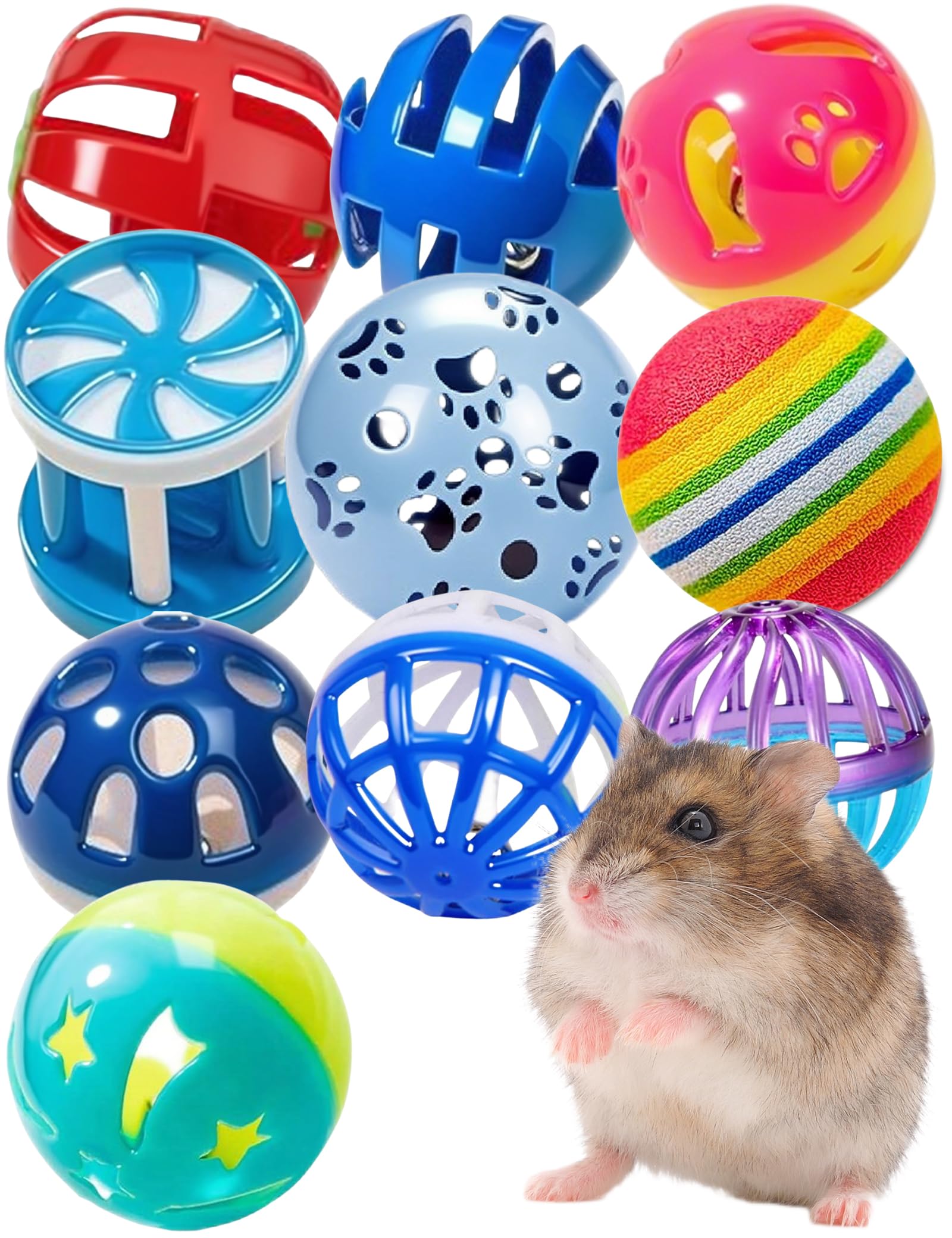
Have you ever wondered if your hamster could enjoy the same toys your cat loves? You might be surprised to learn that some cat toys could actually be fun for your little furry friend.
But is it safe? And which toys should you choose? Keep reading to discover how you can make playtime exciting and safe for your hamster while using some of your cat’s favorite toys. Your hamster’s happiness and safety are closer than you think!
Credit: pethelpful.com
Hamster Play Behavior
Hamsters are naturally curious and active creatures. Their play behavior reflects their instinct to explore, chew, and burrow. Watching your hamster interact with toys can reveal a lot about their personality and preferences.
Common Activities And Interests
Hamsters enjoy activities that mimic their natural habits. They often:
- Chew on objects to keep their teeth healthy.
- Run on wheels to burn off energy.
- Dig and burrow in bedding materials.
- Climb small structures or tunnels.
You might notice your hamster pushing or dragging toys around, showing a playful side beyond simple survival instincts.
Interaction With Different Toys
Hamsters don’t interact with toys the same way cats do. Cat toys often involve chasing or pouncing, which might not engage your hamster. Instead, they prefer toys that:
- Can be chewed safely, like wooden blocks.
- Offer hiding spots, such as small tunnels or houses.
- Encourage movement, like exercise wheels.
Have you ever seen your hamster ignore a spinning ball meant for cats? It’s because their play style is different. You can experiment by offering a variety of items and observe what sparks their interest.

Credit: www.petforums.co.uk
Types Of Cat Toys
Cat toys come in many shapes and sizes, each created to grab a cat’s attention and encourage play. Understanding the types of cat toys helps you see why they might not be the best fit for your hamster. Let’s look closely at what makes these toys special and whether they suit other small pets.
Materials And Components
Most cat toys are made with materials like feathers, bells, plastic, and synthetic fur. These components are chosen to stimulate a cat’s natural hunting instincts. For example, feathers mimic birds, and bells add sound to catch a cat’s curiosity.
However, these materials may not be safe or enjoyable for hamsters. Bells can be too loud and stressful, while plastic parts might be hard or sharp. You need to consider if your hamster could chew or swallow small pieces, which could be dangerous.
Features Designed For Cats
Cat toys often have features like dangling strings, moving parts, or strong scents. These are tailored to a cat’s agility and sensory preferences. Cats love chasing fast or fluttering objects that move unpredictably.
Hamsters, on the other hand, prefer toys that encourage gnawing, digging, or burrowing. They don’t respond well to swinging or noisy toys. Have you noticed how your hamster ignores a dangling feather but loves a wooden chew stick? This shows how important it is to match toy features with your pet’s natural behaviors.
Safety Concerns For Hamsters
Cat toys may have small parts that hamsters can swallow or choke on. Sharp edges or hard materials can hurt a hamster’s delicate body. Always choose toys made for hamsters to keep them safe and happy.
Safety Concerns for Hamsters When considering cat toys for your hamster, safety should be your top priority. Hamsters are small and delicate creatures, and what might seem like a harmless toy could pose significant risks. Let’s dive into some critical safety concerns you need to be aware of.Toxic Materials And Small Parts
You might be surprised to learn that not all pet toys are made from safe materials. Some toys, especially those designed for cats, can contain toxic substances harmful to hamsters. Always check the labels for non-toxic certifications. Small parts can also be a hazard. Hamsters love to chew, and tiny pieces can break off and be ingested, leading to digestive issues or choking. Opt for toys without small detachable parts to avoid these risks.Risk Of Injury And Stress
Hamsters have fragile bodies, and toys designed for cats can be too rough. A seemingly fun toy could lead to injury if it doesn’t account for your hamster’s size and strength. Always supervise your hamster during playtime with new toys. Stress is another factor to consider. Hamsters can become overwhelmed by toys that are too large or noisy. Pay attention to your pet’s behavior; if they seem anxious or avoid the toy, it’s best to remove it from their environment. Do you think your hamster might be stressed by their toys? Observing their reactions can help ensure you’re providing a safe and enjoyable playtime. Your pet’s happiness and safety should always come first.
Credit: www.amazon.com
Potential Benefits Of Cat Toys
Cat toys can offer surprising benefits for hamsters. They provide new ways to keep hamsters active and engaged. Using cat toys can enrich a hamster’s daily routine and environment. Let’s explore the main benefits these toys bring to your small pet.
Mental Stimulation
Cat toys often have bright colors and moving parts. These features capture a hamster’s attention and curiosity. Playing with such toys can challenge a hamster’s mind. It encourages problem-solving and exploration. This mental activity helps prevent boredom and stress.
Different textures and shapes in cat toys also promote sensory development. Hamsters learn about their surroundings better. This keeps their brain sharp and active.
Physical Exercise
Many cat toys encourage movement, such as chasing or batting. Hamsters benefit from this physical activity. It helps keep their muscles strong and healthy. Running, climbing, or pushing toys can mimic natural behaviors.
Exercise through play supports a hamster’s overall health. It also helps control weight and improves sleep quality. Cat toys can add variety to a hamster’s usual exercise options.
Alternatives To Cat Toys
Cat toys are not ideal for hamsters. They may be too big or unsafe. Hamsters need toys made just for them. These toys keep them active and happy. There are many safe and fun options to choose from.
Hamster-specific Toys
Hamster toys suit their size and habits. Wheels help them run and stay fit. Tunnels and tubes mimic their natural burrows. Chew toys keep their teeth healthy. Small balls and climbing frames add fun and exercise.
- Exercise wheels with solid surfaces
- Wooden chew sticks and blocks
- Plastic or cardboard tunnels
- Mini climbing ladders and platforms
Diy Safe Toys
Make toys at home with safe materials. Cardboard boxes create hideouts or mazes. Paper towel rolls become tunnels or chew toys. Small untreated wood pieces can be chewed safely. Avoid glue, paint, or toxic materials.
- Cardboard tubes and boxes
- Plain paper or tissue paper
- Untreated wood scraps
- Natural fiber ropes or twine
Supervising Playtime
Supervising playtime is key when letting hamsters interact with cat toys. These toys are not made for small rodents and can pose risks. Close attention helps keep your hamster safe and happy during play. It also ensures the toys are used correctly and don’t cause harm.
Monitoring Interactions
Watch your hamster closely while it plays with cat toys. Observe how it touches and moves the toy. Look for chewing or nibbling on unsafe parts. Be ready to stop play if the toy breaks or seems dangerous. Keep play sessions short to avoid stress or injury.
Signs Of Distress Or Harm
Notice any changes in your hamster’s behavior during playtime. Signs of distress include:
- Rapid breathing or panting
- Hiding or freezing
- Excessive scratching or biting itself
- Loss of appetite after play
Stop play immediately if you see these signs. Check for cuts, bruises, or stuck pieces. Remove any parts of the toy that could harm your hamster.
Expert Recommendations
Experts often weigh in on whether hamsters can safely play with cat toys, considering both the physical and behavioral differences between these pets. Their recommendations help you avoid risks like injury or stress while encouraging safe and stimulating play for your hamster.
Veterinarian Advice
Veterinarians generally advise caution when introducing cat toys to hamsters. Many cat toys are designed for larger, stronger animals and may have small parts that can be swallowed or sharp edges that could harm your hamster.
One vet shared how a hamster got stuck inside a plastic ball meant for cats, leading to panic and injury. This highlights the importance of choosing toys specifically made for small rodents.
Instead of cat toys, vets suggest selecting hamster-safe options like wooden chew toys, tunnels, or exercise wheels. Always supervise your hamster during playtime to spot any signs of distress immediately.
Pet Care Guidelines
Pet care experts recommend assessing the material, size, and safety features of any toy before giving it to your hamster.
- Material:Avoid hard plastics and anything with toxic paint or glue.
- Size:The toy should be small enough for your hamster to handle but not pose a choking hazard.
- Design:Look for toys without small detachable parts that your hamster could chew off and swallow.
Many cat toys, like feather wands or noisy balls, don’t fit these guidelines. Instead, try soft fabric tunnels or untreated wooden blocks designed for hamsters.
Have you ever noticed your hamster showing more interest in a cat toy than its own? That curiosity can be fun but also dangerous. Always prioritize toys that match your hamster’s natural behaviors and size for safe, happy play.
Frequently Asked Questions
Can Hamsters Safely Use Cat Toys?
Hamsters should not use cat toys as they are designed for larger animals. Cat toys may be too hard or contain small parts, posing choking hazards. Always choose toys specifically made for hamsters to ensure safety and proper enrichment.
Why Are Cat Toys Unsuitable For Hamsters?
Cat toys are often too big, hard, or contain harmful materials. Hamsters need soft, chewable toys that support their small size and dental health. Using cat toys can lead to injury or stress for hamsters.
What Hamster Toys Are Best For Playtime?
Choose chew toys, tunnels, wheels, and small balls made for hamsters. These toys support natural behaviors like chewing, running, and exploring. Safe hamster toys promote physical and mental stimulation effectively.
Can Hamsters Get Stressed By Cat Toys?
Yes, unfamiliar or oversized cat toys can stress hamsters. They prefer toys that match their size and instincts. Stress can affect their health, so provide hamster-appropriate playthings only.
Conclusion
Hamsters can enjoy some cat toys, but with care. Choose safe toys without small parts or sharp edges. Watch your hamster play to avoid accidents. Not all cat toys suit hamsters’ size and needs. Providing proper hamster toys is always the best choice.
Mixing toys can keep your pet curious and happy. Safety and fun go hand in hand for your little friend. Keep an eye and enjoy seeing your hamster explore new playthings.

Leave a Reply