Have you noticed your cat drooling more than usual and then spending extra time grooming? It might seem harmless, but this combination could be a sign that something is off with your furry friend.
Understanding why drooling can lead to excess grooming is important for keeping your cat comfortable and healthy. If you want to know what’s really going on and how to help your cat, keep reading—this could make a big difference in your pet’s well-being.
Credit: getodie.com
Drooling Causes In Cats
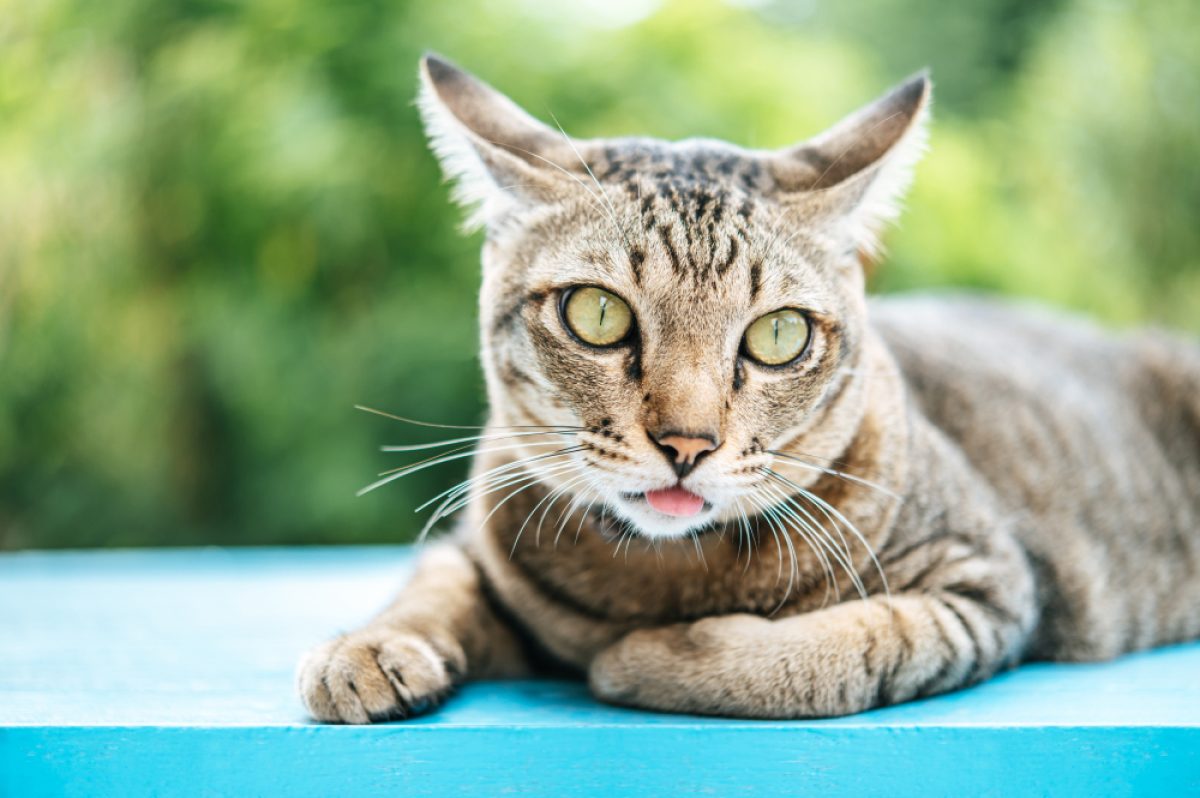
Drooling in cats can be more than just a messy habit—it often signals something going on beneath the surface. Understanding what causes drooling is key to figuring out if your feline friend’s extra grooming is a reaction to discomfort or something else entirely. Let’s look closely at what makes cats drool and why it might lead to them licking themselves more than usual.
Common Reasons For Drooling
Many cats drool simply because they are relaxed or happy, such as when they’re being petted. However, drooling can also result from:
- Oral irritation caused by something stuck in their mouth
- Eating strong-smelling or spicy food
- Dental problems like tooth decay or gum disease
- Nausea or motion sickness
Have you noticed if your cat drools after eating or during playtime? This could help identify simple triggers.
Health Issues Linked To Drooling
Excessive drooling can indicate serious health problems. Common issues include:
- Dental infections or abscesses causing pain and swelling
- Oral tumors or foreign objects lodged in the mouth
- Kidney or liver disease leading to nausea
- Poisoning or exposure to toxic plants or chemicals
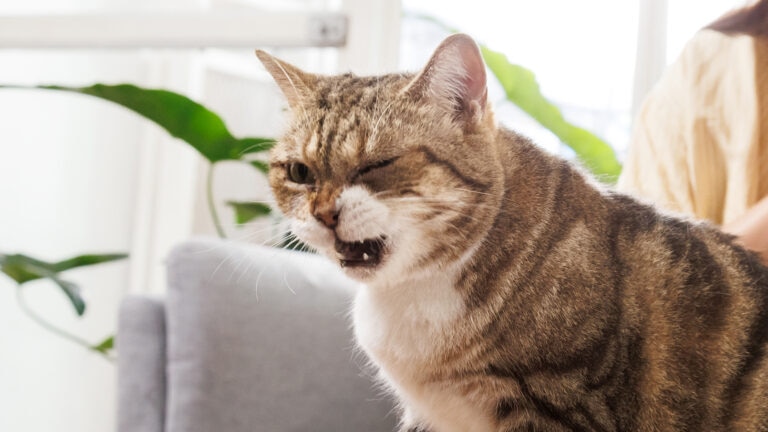
If your cat suddenly starts drooling a lot and seems uncomfortable, a vet visit is essential to rule out these conditions. Ignoring symptoms might lead to more intense grooming as your cat tries to soothe mouth pain.
Stress And Anxiety Factors
Stress can cause drooling in cats just as it does in humans. Changes in environment, loud noises, or the arrival of new pets can make your cat anxious. Stress-induced drooling often comes with increased grooming as cats try to calm themselves.
Have you seen your cat drool more during thunderstorms or when guests arrive? Observing these patterns can help you create a calmer space that reduces both drooling and excessive grooming.
Excess Grooming Explained
Excess grooming in cats can be puzzling, especially when it seems linked to drooling. Understanding why your cat might groom more than usual helps you address the root cause effectively. Let’s break down what drives this behavior and what it might mean for your feline friend’s well-being.
Why Cats Groom Excessively
Cats groom to keep clean, but excessive grooming goes beyond normal hygiene. Sometimes, it’s a sign of stress, anxiety, or boredom. Other times, it might indicate a medical issue that needs attention.
If your cat suddenly licks or bites their fur nonstop, it’s a clue that something is off. Have you noticed if this happens after certain events or changes in their environment?
Behavioral Triggers
Stressful situations like moving to a new home, loud noises, or changes in routine can push a cat to groom excessively. It’s their way of coping with discomfort or anxiety. You might see your cat focusing on one spot, creating bald patches or sore skin.
Think about moments when your cat starts drooling—could stress be the invisible trigger? Watching for patterns helps you pinpoint these behavioral causes.
Physical Discomfort And Grooming
Physical pain or irritation often leads cats to groom more. Dental problems, skin infections, or allergies can cause drooling and prompt your cat to lick the affected areas repeatedly. This grooming might be their attempt to soothe discomfort.
Have you checked your cat’s mouth or skin lately? Spotting redness, swelling, or wounds early can prevent serious issues. A vet visit might be necessary to treat the underlying cause and stop the excessive grooming cycle.
Connection Between Drooling And Grooming
Have you ever noticed your cat drooling and wondered if it has anything to do with their frequent grooming sessions? Cats are known for their meticulous grooming habits, but excessive drooling can sometimes signal a deeper connection between the two. Understanding this link can help you ensure your feline friend is both comfortable and healthy.
How Drooling Influences Grooming Habits
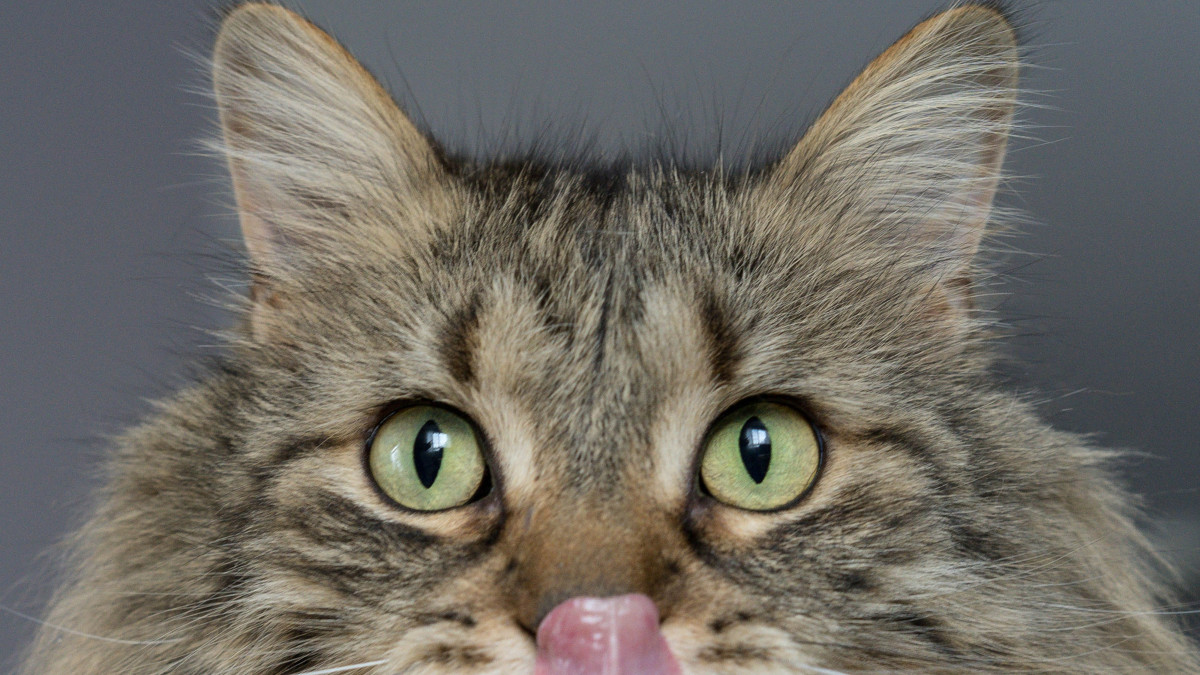
Drooling can significantly affect your cat’s grooming behavior. When a cat drools excessively, it may feel the urge to clean itself more often to maintain its usual pristine condition. This can lead to longer grooming sessions or even compulsive grooming, as your cat tries to rid itself of the dampness caused by drooling.
Imagine your cat trying to dry itself off after a bath—drooling might feel similar to them. The moisture can irritate their skin, prompting them to lick more frequently. Do you notice your cat focusing on certain areas more than others? This could be a clue about where the drool is causing the most discomfort.
Drooling As A Symptom Of Underlying Issues
It’s important to consider that drooling might not just be a quirky habit. It can be a symptom of underlying health issues that require attention. Dental problems, for instance, can cause your cat to drool more than usual.
If your cat’s drooling is accompanied by changes in eating habits or behavior, it might be time to consult your vet. You wouldn’t want your cat’s drooling to be a sign of something more serious, like a dental infection or gastrointestinal issue. Addressing these problems early can prevent them from worsening.
Cases Linking Drooling To Over-grooming
There are instances where drooling and over-grooming are directly linked. Some cats begin to groom excessively when they feel stressed or uncomfortable due to drooling. This can lead to bald patches or sore spots on their skin.
Have you ever seen your cat groom so much that it starts losing fur? This is a red flag indicating that something isn’t right. In some cases, drooling due to anxiety or fear can also trigger over-grooming, as cats attempt to self-soothe.
Understanding the connection between drooling and grooming can help you better care for your pet. Keep an eye on your cat’s behavior and consult your vet if you notice anything unusual. After all, a happy, healthy cat is a joy to have around.
Credit: www.chewy.com
Health Risks From Excessive Grooming
Excessive grooming in cats can seem like a harmless behavior, but it often signals underlying issues that can lead to serious health risks. When a cat starts drooling and grooming more than usual, it’s important to watch closely. Over-grooming can cause physical damage and create openings for infections that may worsen your cat’s condition.
Skin Irritation And Hair Loss
Constant licking or biting at the same spots can cause your cat’s skin to become irritated and raw. This irritation often leads to redness, swelling, and painful sores. You might notice patches of hair missing, which is a clear sign that grooming has gone too far.
Have you seen your cat obsessively licking one area? That’s a red flag. It’s not just about appearance; the discomfort can affect their mood and behavior, making them restless or withdrawn.
Infections And Other Complications
Open wounds caused by over-grooming can easily become infected. Bacteria can enter through broken skin, leading to abscesses or more serious infections requiring antibiotics. In some cases, untreated infections can spread, causing systemic illness.
Other complications include thickened skin or changes in fur texture due to constant trauma. Your cat’s immune system might also become compromised if the grooming is stress-related, making recovery harder.
When To Seek Veterinary Help
If you notice persistent drooling combined with excessive grooming, it’s time to consult your vet. Look for signs like persistent hair loss, open sores, swelling, or changes in appetite and behavior. These symptoms indicate your cat needs professional care to prevent further damage.
Ignoring these signs can lead to chronic health problems or infections that are harder to treat. You want to catch the problem early to keep your cat comfortable and healthy.
Managing Drooling And Grooming
Managing drooling and grooming in cats can be tricky, especially when one issue triggers the other. Excess drooling might cause your cat to groom more than usual, leading to irritated skin or bald patches. Understanding how to balance care for both symptoms helps keep your feline friend comfortable and healthy.
Home Care Tips
Start by keeping your cat’s mouth clean. Use a damp cloth to gently wipe away drool and prevent skin irritation around the mouth and chin.
Watch for signs of over-grooming like red spots or hair loss. If you notice these, distract your cat with toys or gentle petting to reduce stress-related licking.
Regular brushing helps remove loose fur and reduces the urge to groom excessively. Make it a calm and positive experience to keep your cat relaxed.
Diet And Environmental Adjustments
Could your cat’s drooling be linked to food allergies or sensitivities? Try switching to a hypoallergenic or limited-ingredient diet to see if symptoms improve.
Keep fresh water available at all times to encourage hydration, which can reduce drooling and soothe irritated skin.
Check your cat’s environment for stressors like loud noises or new pets. Creating a calm space with hiding spots can lower anxiety and decrease over-grooming behaviors.
Medical Treatments And Interventions
If drooling and grooming problems persist, a vet visit is crucial. They can check for dental issues, infections, or other health concerns causing drooling.
Your vet might recommend medications to control pain or inflammation that triggers excessive grooming.
In some cases, they may suggest special shampoos or topical treatments to heal skin damage caused by over-grooming.
Have you noticed patterns in your cat’s drooling or grooming that coincide with certain activities or foods? Keeping a diary can help your vet pinpoint the root cause faster.
Credit: pethelpful.com
Frequently Asked Questions
Can Drooling Cause Excessive Grooming In Cats?
Yes, drooling can lead to excessive grooming. Cats may groom more to soothe oral discomfort or irritation causing drooling.
Why Do Cats Drool And Groom Excessively Together?
Drooling and grooming often occur due to dental issues, stress, or allergies. These conditions cause discomfort, prompting cats to drool and groom more.
How To Stop Drooling And Excessive Grooming In Cats?
Identify the underlying cause like dental problems or stress. Consult a vet for proper diagnosis and treatment to reduce drooling and grooming.
Is Excessive Grooming A Sign Of Health Issues In Cats?
Yes, excessive grooming often signals skin irritation, parasites, or pain. Drooling paired with grooming can indicate oral or systemic health problems.
Conclusion
Drooling in cats can sometimes lead to extra grooming. Cats may lick more to clean their face. This behavior might hide discomfort or health issues. Watch your cat closely for changes in habits. Regular vet visits help catch problems early.
Taking quick action keeps your cat happy and healthy. Understanding drooling and grooming helps you care better. Stay attentive to your cat’s needs every day. Small signs can tell a big story. Always give your pet gentle care and love.

Leave a Reply