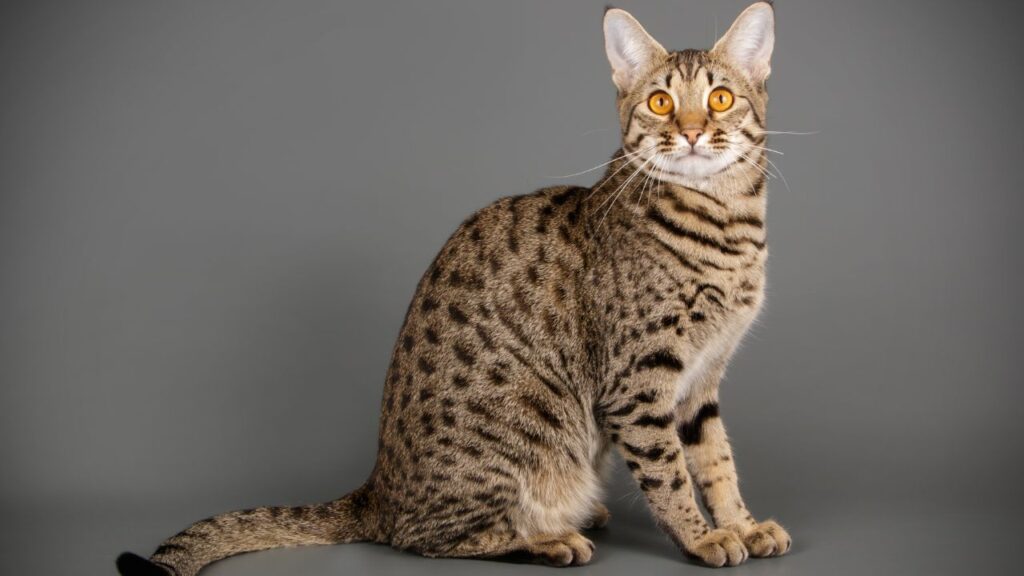
Have you ever wondered if different large cat breeds can live together peacefully? If you’re thinking about bringing more than one big feline into your life or sanctuary, this question is crucial.
Understanding how these majestic animals interact can save you from stressful situations and keep your cats happy and safe. You’ll discover what really happens when different large cats share the same space—and what you need to know before making that decision.
Keep reading to learn the surprising facts that could change how you care for your big cats forever.
Large Cat Species Overview
Understanding the different large cat species is essential before considering if they can live together. Each species has unique traits that affect their social behavior and compatibility. Knowing these differences helps you make informed decisions about their care and environment.
Common Large Cat Breeds
- Lion– Known for their social pride structure, lions are unique among big cats for living in groups.
- Tiger– Solitary by nature, tigers prefer to roam and hunt alone within large territories.
- Leopard– Highly adaptable and secretive, leopards are solitary and excellent climbers.
- Jaguar– Similar to leopards but more robust, jaguars are solitary and prefer dense forests near water.
- Cheetah– Known for speed, cheetahs have a semi-social structure, often seen in small family groups.
Each of these species has specific traits that shape how they interact with others. Do you think their natural tendencies would allow for peaceful cohabitation?
Natural Habitats And Behaviors
Large cats come from diverse environments—from African savannas to dense Asian jungles. These habitats influence their hunting, mating, and social behaviors.
Lions thrive in open spaces where pride cooperation helps them hunt. Tigers, on the other hand, rely on dense cover to stalk prey alone. Leopards use trees to avoid competitors and protect their kills.
Because of their solitary nature, tigers and leopards are less tolerant of others invading their territory. Lions’ pride system is an exception, but mixing species can still cause stress. Understanding these behaviors is key if you want to keep different large cats together safely.

Credit: www.rd.com
Social Behavior Of Large Cats
Large cats show different social behaviors that affect their ability to live together. Their nature varies from being solitary hunters to animals that enjoy company. Understanding these behaviors helps explain why mixing different large cat breeds can be tricky or even dangerous. Social habits influence their interactions and territory needs.
Solitary Vs Social Species
Most large cats prefer solitude. Tigers and leopards hunt and live alone. They avoid others except during mating or raising cubs. Lions are an exception. They live in groups called prides. This social structure helps lions hunt and protect territory together. Cheetahs show some social behavior, especially males who form small groups called coalitions.
Solitary cats can become stressed or aggressive if forced to live with others. Social species tolerate company better but still have limits. Mixing solitary and social cats can cause conflicts and fear.
Territorial Nature
Large cats are very territorial. Each cat marks and defends its space to secure food and safety. Tigers have large territories that they patrol regularly. Lions defend their pride’s area against outsiders. Overlapping territories often lead to fights.
Territorial behavior makes it hard for different large cat breeds to share space. They see others as threats and competitors. Even social species keep clear boundaries within their groups. Forcing different cats to live together can cause stress and injuries.
Challenges Of Co-housing Large Cats
Co-housing large cats presents many challenges. These animals have strong instincts and unique behaviors. Their size and strength make managing them together risky. Understanding these challenges helps ensure safety and well-being for all cats involved.
Aggression And Dominance
Large cats naturally compete for space and resources. Aggression can arise quickly over food, territory, or attention. Dominance fights may cause serious injuries or stress. Each breed has distinct social habits, complicating group dynamics. Careful monitoring is essential to prevent conflicts.
Stress And Health Risks
Living with other large cats can increase stress levels. Stress weakens the immune system, making illness more likely. Close quarters may spread diseases faster between animals. Noise, unfamiliar scents, and constant alertness add to anxiety. Providing separate spaces and enrichment reduces these health risks.

Credit: worldanimalfoundation.org
Successful Multi-species Enclosures
Different large cat breeds rarely live well together due to territorial behavior and size differences. Careful planning and large, well-divided spaces can help reduce conflicts in multi-species enclosures. Each species needs enough space and hiding spots to feel safe and avoid stress.
Successful multi-species enclosures can be a fascinating sight. In these spaces, different large cat breeds coexist peacefully. Such environments require careful planning and management. These enclosures not only enrich the lives of the animals but also educate visitors. They showcase the wonders of biodiversity and animal behavior.Examples In Zoos And Sanctuaries
Zoos and sanctuaries often lead the way in creating these environments. For instance, some zoos house lions and tigers together. They do so in large, carefully designed enclosures. These spaces mimic the natural habitats of both species. In sanctuaries, big cats like leopards and jaguars might share space. The key is providing enough room and resources for each species.Key Factors For Compatibility
Successful multi-species enclosures depend on several factors. Firstly, the size of the enclosure is crucial. It must be large enough for all species. Secondly, the temperament of the animals matters. Some big cats are more social than others. Thirdly, resource availability is important. Adequate food and water supplies prevent competition. Lastly, enrichment activities keep the cats engaged. These factors ensure harmony and reduce stress among the animals.Safety Measures For Coexistence
Keeping different large cat breeds together demands strict safety measures. These measures protect the animals and their caregivers. Careful planning helps avoid conflicts and injuries. Each species has unique needs that must be met.
Space And Enrichment Needs
Large cats require plenty of space to roam and explore. Crowded areas cause stress and aggression. Separate areas with barriers help maintain peace. Each species enjoys different types of enrichment.
- Provide climbing structures and hiding spots
- Offer toys suited to each cat’s hunting style
- Ensure fresh water and feeding stations are spaced apart
- Rotate enrichment items regularly to prevent boredom
Space and enrichment reduce tension and encourage natural behavior. This supports safer coexistence.
Monitoring And Intervention
Constant monitoring is essential to spot early signs of trouble. Watch for changes in behavior or body language. Staff should intervene quickly if conflicts arise.
- Use cameras and observation posts for continuous supervision
- Have a plan for safe separation if fights break out
- Train staff to recognize stress signals and aggression
- Adjust groupings based on individual temperaments
Intervention minimizes injuries and keeps the environment safe. Regular check-ins protect all animals involved.
Legal And Ethical Considerations
Before considering housing different large cat breeds together, you need to understand the legal and ethical challenges involved. These challenges are not just about the animals’ safety but also about your responsibility as a caretaker. Ignoring regulations or welfare concerns can lead to serious consequences for both you and the cats.
Regulations On Exotic Animal Housing
Many countries and states have strict laws regarding the ownership and housing of large exotic cats. These laws often require special permits and dictate the size and type of enclosures you must provide.
You should check if your local government has specific rules about keeping multiple large cats together. Sometimes, laws prohibit mixing different species due to risks of aggression or disease transmission.
Have you ever thought about how complex the paperwork and inspections can get? It’s not just a matter of building a big cage; it’s about meeting legal standards designed to protect both animals and humans.
Welfare Concerns
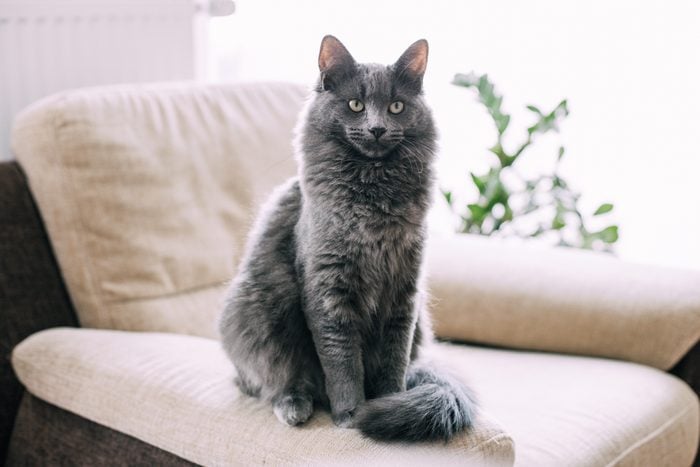
Large cats have unique social and behavioral needs. While some species may tolerate each other, others are strictly solitary and may suffer from stress or injury when forced to live together.
Imagine trying to keep a tiger and a leopard in the same space. Their different temperaments and hunting styles can lead to conflicts. This stress negatively impacts their health and wellbeing.
You must consider if you can provide enough space, enrichment, and care to meet each species’ needs. Is it fair to the animals to be housed together just because it’s convenient for you?
Credit: www.rd.com
Frequently Asked Questions
Can Different Large Cat Breeds Coexist Peacefully?
Different large cat breeds rarely coexist peacefully in the wild or captivity. They have distinct territorial instincts and hunting behaviors that often lead to conflicts.
What Challenges Arise When Housing Large Cats Together?
Housing large cats together causes stress, aggression, and competition for food and space. These issues can harm their health and safety.
Are There Successful Examples Of Mixed Large Cat Enclosures?
Few facilities successfully house mixed large cats using large enclosures and careful monitoring. However, this practice is uncommon due to risks.
How Does Size Affect Large Cats Living Together?
Size differences increase dominance struggles and risk of injury. Larger cats may intimidate or harm smaller ones, making shared living risky.
Conclusion
Different large cat breeds living together is very risky. Each cat has its own space and habits. They may fight or get stressed. Safe enclosures and careful planning are a must. Experts often advise against mixing large cats. Their natural instincts can cause problems.
Understanding their behavior helps keep them safe. Peaceful cohabitation is rare and needs great care. Always prioritize the cats’ well-being and safety. This topic needs more study for better answers.



Leave a Reply