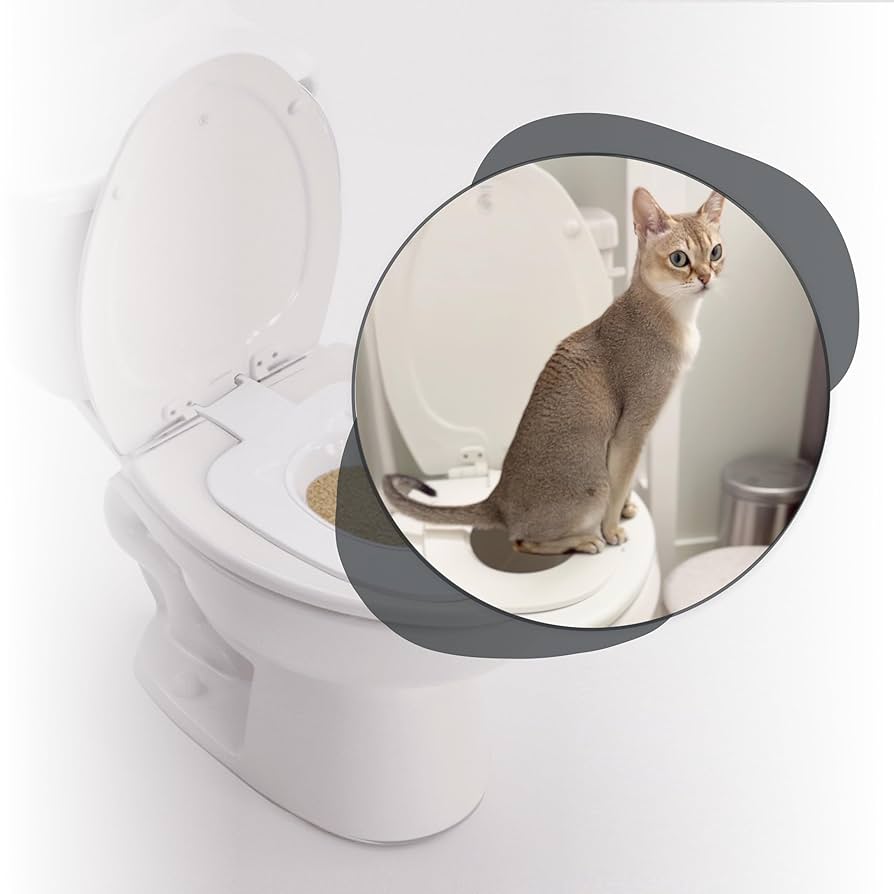
Have you ever wondered if your cat can be potty trained like a dog or a toddler? If you’re tired of cleaning up litter boxes or want a cleaner, more convenient way to manage your cat’s bathroom habits, this question is probably on your mind.
Understanding whether cats can be potty trained—and how to do it—can save you time, reduce mess, and even strengthen the bond between you and your furry friend. Keep reading to discover the surprising truth about cat potty training and find out if it’s the right choice for you and your pet.
Credit: visapoint.travel
Potty Training Basics
Potty training cats may seem tricky, but understanding their habits helps. Cats have natural behaviors that guide their bathroom use. Setting up the right environment makes training easier. Learning the basics creates a good start for you and your cat.
Natural Cat Behavior
Cats naturally bury their waste to hide scent from predators. This instinct helps keep their space clean. They prefer soft, loose material for digging and covering. Cats avoid dirty or smelly spots for toileting. Observing these behaviors helps with training success.
Litter Box Essentials
Choose a litter box that fits your cat’s size comfortably. Keep it clean by scooping waste daily. Use unscented, fine-grain litter that feels soft on paws. Avoid boxes with strong odors or harsh chemicals. Change litter fully once a week to maintain freshness.
Choosing The Right Location
Place the litter box in a quiet, low-traffic area. Avoid noisy or busy spots that may scare your cat. Make sure the area is easy to access anytime. Keep the box away from food and water dishes. A calm place encourages regular, stress-free use.
Preparing For Training
Getting your cat ready for potty training takes careful planning. You need to create an environment that feels safe and natural for your cat. This means paying attention to what kind of litter you use, how you introduce the litter box, and the routine you set around bathroom times.
Selecting The Best Litter
Choosing the right litter can make a huge difference. Cats prefer litter that feels soft on their paws and controls odor well. Some cats dislike strong scents or clumping litters, so it’s a good idea to try a few types to see what your cat prefers.
Think about these points:
- Is the litter dust-free? Dust can irritate your cat’s nose and lungs.
- Does it clump easily? Clumping litter makes cleaning simpler.
- Is it unscented or lightly scented? Strong smells may scare your cat away.
Introducing The Litter Box
Introduce the litter box gradually and place it in a quiet, accessible spot. Avoid noisy or high-traffic areas where your cat might feel vulnerable. Let your cat explore the box on their own terms, and gently place them inside if they seem curious.
Observe how your cat reacts. Are they sniffing or pawing at the litter? These signs mean they’re getting comfortable. Patience here pays off; rushing can cause confusion or fear.
Setting A Routine
Consistency helps your cat understand when and where to go potty. Try placing your cat in the litter box after meals, naps, or playtime. Cats often need to go shortly after these activities, so this timing increases success.
Watch your cat’s behavior for signs they need to go, such as scratching or sniffing around. Promptly guiding them to the box reinforces good habits. Would you agree that clear patterns make learning easier for both you and your cat?
Training Techniques
Cats can learn to use a litter box with patience and simple training. Consistent routines and positive rewards help them understand where to go. Cleanliness and comfort also encourage good potty habits in cats.
Cats are intelligent creatures capable of learning various skills. Potty training a cat can be rewarding. Employing the right techniques makes it easier. Understanding your cat’s behavior is key. Cats respond well to specific training methods. Let’s explore effective training techniques.Positive Reinforcement
Rewarding your cat is crucial. Use treats and praise to encourage good behavior. When your cat uses the litter box, offer a small treat. Praise them with a gentle voice. Cats associate the litter box with positive experiences. This encourages repeated use. Consistency in rewards is important. Regular rewards build habits. Over time, reduce the treats gradually.Handling Accidents
Accidents might happen. Stay calm and avoid scolding your cat. Clean the area thoroughly to remove odors. Use pet-safe cleaners to eliminate smells. Cats have a strong sense of smell. Lingering odors may cause repeat accidents. Instead, guide them back to the litter box. Patience is essential during this process.Encouraging Consistency
Maintain a regular litter box routine. Cats thrive on consistency. Place the litter box in a quiet, accessible location. Ensure it is always clean. Cleanliness encourages regular use. Make small changes if necessary. Observe your cat’s preferences. Adjust the routine to suit their needs. Consistency fosters confidence in your cat.Common Challenges
Potty training a cat comes with its own set of challenges that can test your patience and problem-solving skills. Understanding these common hurdles helps you tackle them effectively. The key is to stay observant and responsive to your cat’s unique behavior and needs.
Dealing With Avoidance
Some cats simply avoid using the litter box, which can be frustrating. This behavior often signals discomfort or stress. Have you noticed if your cat avoids the box after a recent change at home?
Try placing the litter box in a quiet, easily accessible spot. Keep it clean—cats dislike dirty boxes. Sometimes, switching the type of litter or box can make a big difference.
Addressing Litter Box Issues
Litter box problems might include inappropriate elimination, digging outside the box, or refusal to cover waste. These behaviors can stem from the litter type, box size, or even the box’s location.
Observe your cat’s preferences. Some prefer unscented, fine-grain litter, while others want more privacy. Experiment with different setups and note what works best.
Managing Multi-cat Households
Having more than one cat adds complexity to potty training. Competition or territorial disputes can lead to litter box avoidance or accidents.
Providing multiple litter boxes—ideally one per cat plus one extra—can reduce conflicts. Also, placing boxes in separate locations helps each cat feel secure while using them.
Advanced Tips For Success
Mastering potty training for cats can be challenging, but advanced techniques can make a significant difference. These tips go beyond basics, helping you fine-tune your approach for better results. Understanding your cat’s needs and behavior is key to success.
Using Training Aids
Training aids can boost your cat’s progress. Products like pheromone sprays calm your cat and create a positive environment around the litter box. You can also try special litter designed to attract cats, which often improves their interest in using the box.
Consider using a litter box with a cover if your cat prefers privacy or an open one if they like to see their surroundings. Some cats respond well to clicker training combined with treats, reinforcing good habits quickly. Have you noticed how your cat reacts to different types of litter or boxes? Adjusting these details can speed up the training process.
Monitoring Health And Behavior
Watch your cat closely for any changes in behavior or litter box habits. Sudden avoidance of the box can signal health problems like urinary tract infections or stress. Keep a daily log of their bathroom activity to spot patterns or irregularities early.
Behavior issues like anxiety or territorial disputes can also affect potty training. If your cat seems hesitant or aggressive around the litter box, it might mean there’s an underlying emotional problem. Have you checked if your cat’s environment feels safe and calm?
When To Seek Professional Help
If your cat continues to struggle despite your efforts, consulting a veterinarian or animal behaviorist can provide valuable insights. Professionals can rule out medical issues or recommend specialized training techniques. Sometimes, expert advice is what makes the difference between frustration and success.
Don’t wait too long to ask for help; early intervention can prevent bad habits from becoming permanent. Have you reached out to a professional when faced with training challenges? Their guidance could save you time and stress.

Credit: www.francisurology.com

Credit: www.amazon.com
Frequently Asked Questions
Can Cats Be Potty Trained Like Dogs?
Yes, cats can be potty trained using a litter box or even outdoor training. They learn quickly with patience and consistency.
What Methods Help Potty Train A Cat Effectively?
Use a clean litter box, positive reinforcement, and consistent placement. Avoid punishment to encourage good potty habits in cats.
How Long Does It Take To Potty Train A Cat?
Most cats learn litter box habits within a few days to weeks. Time varies based on age and personality.
Can Indoor Cats Be Potty Trained To Go Outside?
Yes, with gradual introduction to outdoor areas and consistent training, indoor cats can learn to use outdoor spots.
Conclusion
Cats can learn to use the potty with patience and care. Training takes time, but it helps keep your home clean. Use treats and praise to encourage good habits. Watch your cat’s progress and adjust as needed. Remember, every cat is different and learns at its own pace.
Stay calm and consistent throughout the process. Potty training can make life easier for both you and your pet. Keep trying, and success will come in time.



Leave a Reply