
Have you ever wondered if your cat can play with your dog’s chew toys? You might think it’s harmless, but there’s more to it than just sharing toys.
Your furry friend’s health and happiness could be affected in ways you didn’t expect. Keep reading to find out if dog chew toys are safe for cats and what you should really be giving your kitty to keep them happy and healthy.
Don’t let a simple toy choice turn into a problem for your beloved pet!
Credit: shamelesspets.com
Differences Between Cat And Dog Toys
Cats and dogs have very different play styles and needs. Their toys are made to match these unique behaviors. Understanding the differences helps keep pets safe and happy. Cat toys and dog toys vary greatly in size, texture, and purpose. Recognizing these differences guides pet owners in choosing the best toys.
Size And Texture Variations
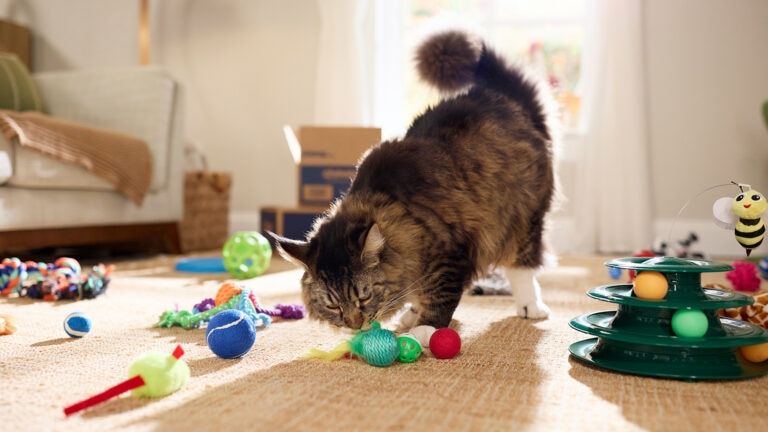
Cat toys are generally smaller and lighter. Cats like toys they can bat and carry easily. Dog toys are larger and more durable. Dogs often chew harder and use more force. Texture also differs. Cats prefer soft, plush, or feathered toys. Dogs enjoy tougher materials like rubber or rope. Size and texture suit each pet’s strength and play habits.
Material Safety
Materials for cat toys are soft and non-toxic. Cats may chew or swallow parts. Safe materials prevent choking or poisoning. Dog toys need to withstand strong chewing. They use tougher, often harder materials. Some dog toy materials can hurt cats. Always check if the toy is safe for your pet’s species.
Design And Purpose
Cat toys encourage hunting and pouncing behaviors. They often mimic small prey like mice or birds. Many cat toys are interactive or contain catnip. Dog toys focus on chewing, fetching, and tugging. They are built to last longer under rough play. Each design supports the natural instincts of the animal. Using the correct toy type enhances your pet’s enjoyment and safety.

Credit: www.amazon.com
Potential Risks Of Dog Chew Toys For Cats
Allowing your cat to play with dog chew toys might seem harmless, but there are important risks to consider. Dog toys are designed for a different species, with varying chewing habits and safety standards. Understanding these potential dangers can help you protect your feline friend from harm.
Choking Hazards
Dog chew toys are often larger and tougher than cat toys, which can increase the risk of choking for your cat. Small pieces might break off during play, and cats are more likely to swallow these fragments accidentally. Have you noticed your cat chewing aggressively? This behavior could lead to blocked airways or digestive issues if the toy isn’t suitable.
Toxic Materials
Many dog chew toys contain materials that are safe for dogs but potentially harmful to cats. Ingredients like certain plastics, dyes, or flavorings might cause allergic reactions or poisoning in your cat. Always check the toy’s ingredient list and avoid anything with unknown or questionable substances to keep your pet safe.
Dental Concerns
Dog chew toys are usually harder and designed to withstand stronger jaws. This can be too abrasive for your cat’s delicate teeth and gums. Over time, chewing on these toys may cause dental fractures or gum injuries. Think about whether your cat’s teeth are as robust as a dog’s—probably not, so choosing appropriate toys matters.
When Dog Toys Might Be Safe For Cats
Wondering if your cat can safely enjoy some dog chew toys? There are certain conditions under which dog toys might be appropriate for cats. It’s not about handing over any toy but choosing the right ones carefully to keep your feline friend safe and entertained.
Soft And Small Dog Toys
Look for dog toys that are soft and small enough for your cat to handle. Hard, bulky toys can hurt their teeth or paws. Soft rubber or plush toys designed for small breeds often work well because cats can easily bite and carry them around.
Think about the size of your cat’s mouth and claws. If a toy feels too big or heavy, it’s not a good match. Have you noticed your cat’s preference for certain textures? Matching that can make dog toys more appealing and safe.
Non-toxic Ingredients
Check the materials used in dog chew toys before sharing them with your cat. Many dog toys contain safe, non-toxic ingredients, but some might have harmful chemicals or dyes. Always read labels or product descriptions to confirm safety.
Choosing natural rubber or food-grade silicone toys reduces risks. If your cat tends to chew aggressively, non-toxic is a must to prevent poisoning or allergic reactions. Do you know what ingredients your pet’s toys contain?
Supervised Play
Never leave your cat alone with a dog chew toy, even if it seems safe. Supervised play lets you watch for signs of choking or chewing off small pieces. Cats are curious and might try to swallow parts that could block their throat.
Watching your cat interact with the toy helps you decide if it’s a good fit. If they lose interest or get frustrated, it’s better to switch toys. Have you observed how your cat handles new toys during playtime?
Signs Of Toy-related Problems In Cats
Cats chewing on dog chew toys may show signs like discomfort or disinterest. Watch for pawing, biting, or avoiding these toys to spot problems early. Changes in behavior can indicate that dog toys are not suitable for cats.
Cats are curious creatures who love to explore their environment. Chew toys meant for dogs can sometimes attract them. But these toys may cause issues. It’s important to watch for any signs of toy-related problems in cats. Recognizing these signs can prevent serious health concerns.Behavioral Changes
Cats may act differently if toys cause problems. They might hide more often. Or show less interest in playtime. You may notice increased aggression. This is a response to discomfort. Watch for sudden mood swings or unusual quietness. These changes may indicate a problem.Physical Symptoms
Physical symptoms can be clear indicators. Cats may drool excessively. They might cough or gag frequently. Check for difficulty in swallowing. Vomiting or diarrhea might occur. Sometimes, you will notice swelling in the mouth or throat. These signs require attention.Veterinary Attention Needed
Some situations demand a vet’s expertise. If a toy piece is swallowed, seek help. If breathing becomes difficult, it’s urgent. Continuous vomiting is a red flag. Bloody stool or saliva should not be ignored. Quick action ensures your cat’s safety and health.Choosing Safe Toys For Your Cat
Choosing safe toys for your cat is important to keep them happy and healthy. Cats have unique needs and chewing habits. Some dog chew toys might not suit cats. It is best to pick toys made specifically for feline use. Safe toys prevent choking, poisoning, and injuries.
Consider your cat’s size, age, and play style. Soft, non-toxic materials work best. Avoid small parts that can break off easily. Toys should be durable but gentle on your cat’s teeth and gums.
Recommended Materials
- Natural rubber: soft, flexible, and safe to chew
- Felt and fleece: gentle and good for batting
- Organic cotton: non-toxic and durable
- Catnip-filled fabric: attracts and entertains cats
- Wood (untreated): safe for scratching and chewing
Popular Cat Toy Types
- Feather wands: encourage chasing and pouncing
- Laser pointers: stimulate hunting instincts
- Interactive balls: keep cats moving and curious
- Soft plush toys: perfect for cuddling and light chewing
- Scratching posts: protect furniture and satisfy claws
Diy Toy Ideas
- Paper balls: simple, lightweight, and fun to bat
- Cardboard tubes: great for hiding treats or toys
- Knotted fabric strips: soft and safe for chewing
- Homemade catnip socks: fill a sock with catnip and sew shut
- Feather on a string: attach to a stick for play
Tips For Introducing New Toys
Introducing new toys to cats requires patience and care. It helps them feel safe and curious about the new item. Proper introduction can prevent stress and encourage positive play habits. Follow these tips to make the experience smooth and enjoyable for your cat.
Gradual Introduction
Start by placing the new toy near your cat’s favorite resting spot. Let your cat sniff and explore the toy at their own pace. Avoid forcing interaction. Keep the toy visible but out of reach at first. This allows the cat to get used to the new object without pressure.
Monitoring Playtime
Watch your cat closely during the first few play sessions. Look for signs of interest or discomfort. Stop play if your cat shows fear or aggression. Remove the toy if it causes any stress. Supervised play ensures your cat stays safe and comfortable.
Encouraging Safe Play
Choose toys that are safe and appropriate for cats. Avoid small parts that can be swallowed. Offer praise or treats when your cat plays gently. Rotate toys regularly to keep playtime exciting. Safe play builds trust and keeps your cat happy.

Credit: www.amazon.com
Frequently Asked Questions
Can Cats Safely Use Dog Chew Toys?
Cats can use some dog chew toys if they are small and soft enough. Avoid toys that are too hard or large. Supervise your cat while chewing to prevent choking or damage to teeth. Choose toys made from non-toxic materials for safety.
Are Dog Chew Toys Suitable For A Cat’s Teeth?
Dog chew toys are usually harder and larger, which may harm a cat’s smaller teeth. Cats need toys designed for their dental structure. Soft, flexible toys are better to prevent tooth damage and discomfort during play.
What Types Of Chew Toys Are Best For Cats?
Cats prefer small, lightweight chew toys made of soft rubber or fabric. Toys that mimic prey, like mice or feathers, are ideal. Avoid dog toys that are too big or tough. Always pick non-toxic, cat-safe materials.
Can Dog Chew Toys Cause Health Issues For Cats?
Yes, dog chew toys can cause choking, dental damage, or gastrointestinal problems if ingested. Cats might swallow small pieces or strain their teeth. Always monitor your cat during play and choose toys designed specifically for cats.
Conclusion
Cats may enjoy some dog chew toys, but choose carefully. Not all dog toys suit cats’ teeth or play style. Always check the size and material to avoid choking or harm. Soft, small, and non-toxic toys work best for cats.
Watch your cat’s reaction to new toys closely. Safe play keeps pets happy and healthy. Mixing toys can add fun but prioritize your cat’s safety first. Remember, a happy cat is a safe cat.


Leave a Reply